


Fluid Chemical Equipment Parts Casting Is Essential for Efficient Manufacturing
Fluid chemical equipment parts casting is a crucial aspect of the manufacturing and machining sector, particularly in the fields of mechanical hardware processing and the casting and forging industry. The casting process involves pouring molten material, usually metal, into a mold to create specific shapes and components. This method offers several advantages, particularly for parts that require intricate designs and high precision.

One of the primary benefits of casting fluid chemical equipment parts is its ability to produce complex geometries that would be challenging to achieve through other manufacturing techniques. The casting process allows for the incorporation of various features, such as internal passages, that are essential for the functionality of fluid chemical equipment. This is particularly important in industries where fluid dynamics play a critical role, such as chemical processing, oil and gas, and water treatment.
Furthermore, casting can be performed using a variety of materials, including metals like aluminum, steel, and bronze, which are often selected based on their mechanical properties and resistance to corrosion. This versatility enables manufacturers to produce components that can withstand harsh environments and chemical exposure, ensuring longevity and reliability in operation.
In addition to its design flexibility, casting is also known for its cost-effectiveness, especially for large production runs. The initial setup costs for molds may be higher than some other manufacturing processes, but the ability to produce multiple parts in a single casting operation often reduces the overall cost per unit. This efficiency is particularly beneficial for manufacturers looking to optimize their production lines in the competitive machinery manufacturing market.
Quality control in the casting process is paramount, as defects can significantly impact the performance and safety of fluid chemical equipment parts. Manufacturers typically employ rigorous inspection methods, such as non-destructive testing and dimensional analysis, to ensure that cast components meet stringent industry standards. These practices help to minimize the risk of failures in the field, which can lead to costly downtimes and safety hazards.
Additionally, advancements in casting technologies, such as computer-aided design (CAD) and simulation software, have revolutionized the way manufacturers approach fluid chemical equipment parts casting. These tools allow for better visualization of the casting process, optimization of mold designs, and improved prediction of material behavior during solidification, ultimately leading to higher quality and more reliable components.
In conclusion, fluid chemical equipment parts casting is an essential process within the manufacturing and machining sectors, playing a vital role in the creation of reliable and efficient components. By leveraging the advantages of casting, manufacturers can meet the demands of modern industries while ensuring safety and performance in their products. Understanding this process is key for anyone involved in the design and production of machinery parts.

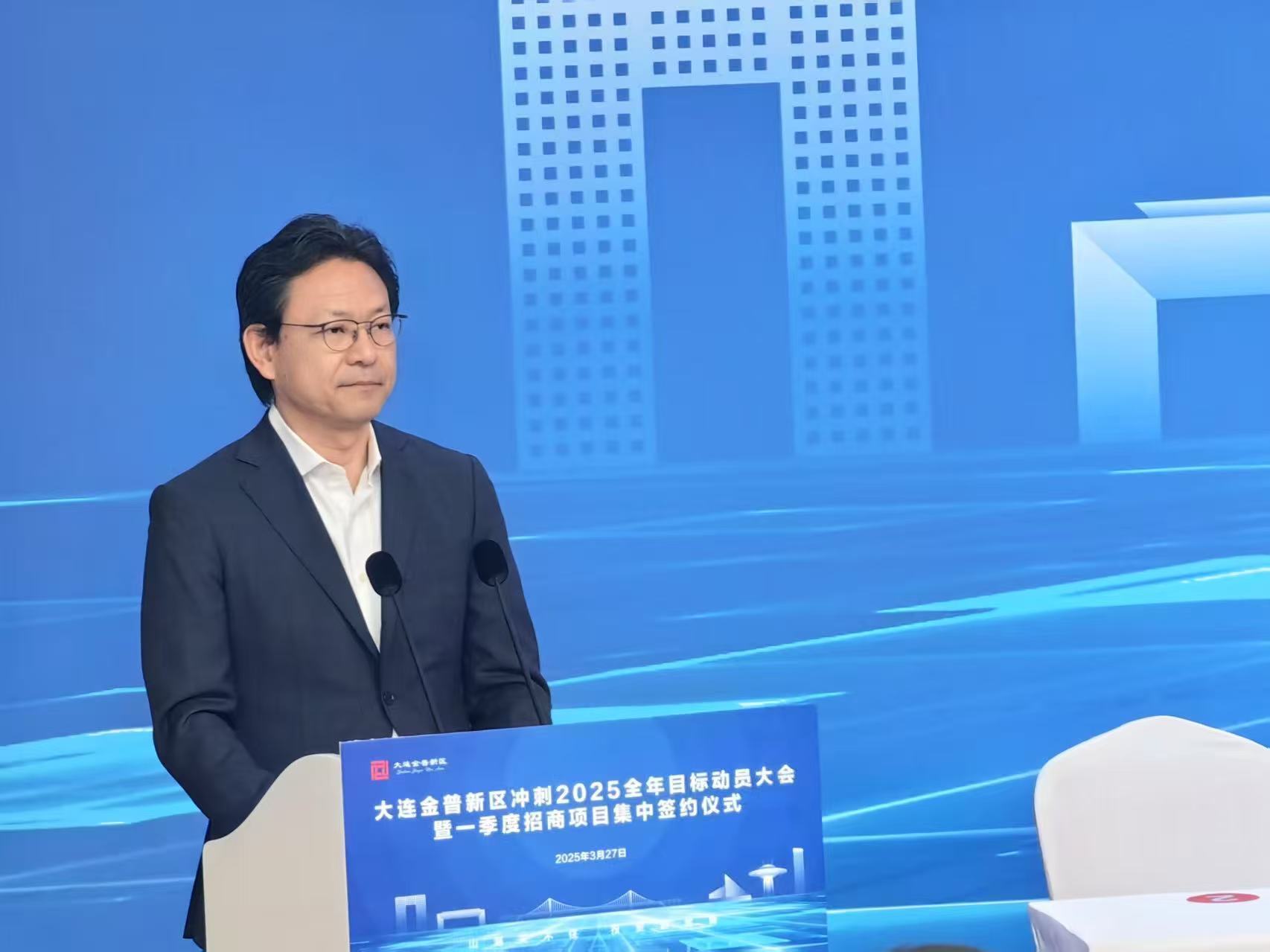
Dalian Sakabe was invited to participate in the Dalian investment promotion project ceremony
On March 27, 2025, Dalian Sakabe, as an advanced foreign-funded enterprise in Dalian, was invited to participate in the investment promotion project ceremony of Dalian China.
2025/04/01
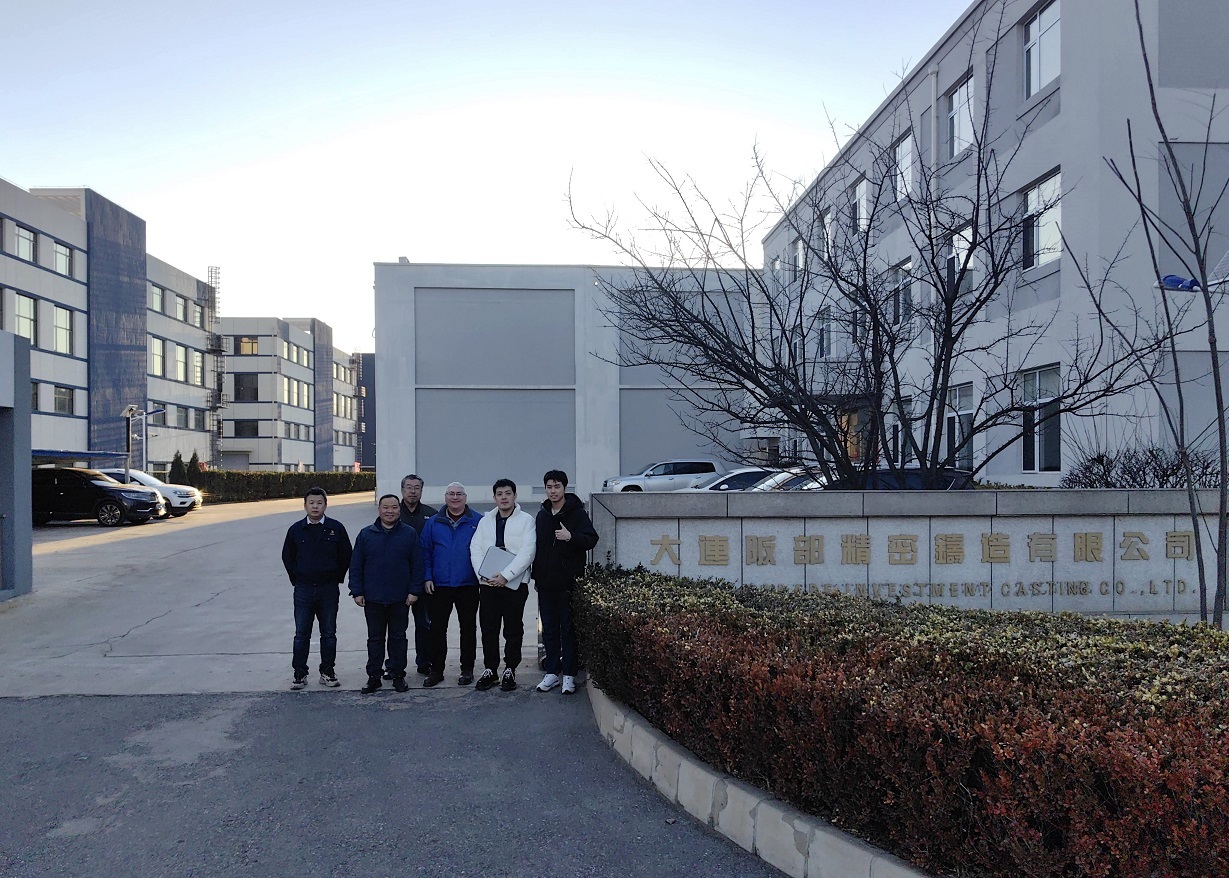
It is pleased that partner NME come to visit us Sakabe foundry
It is pleased that partner NME come to visit us Sakabe foundry. We share the same philosophy about quality standards, product positioning, environmental protection, and sustainable development. It's lucky to meet like-minded partners!
2025/02/19
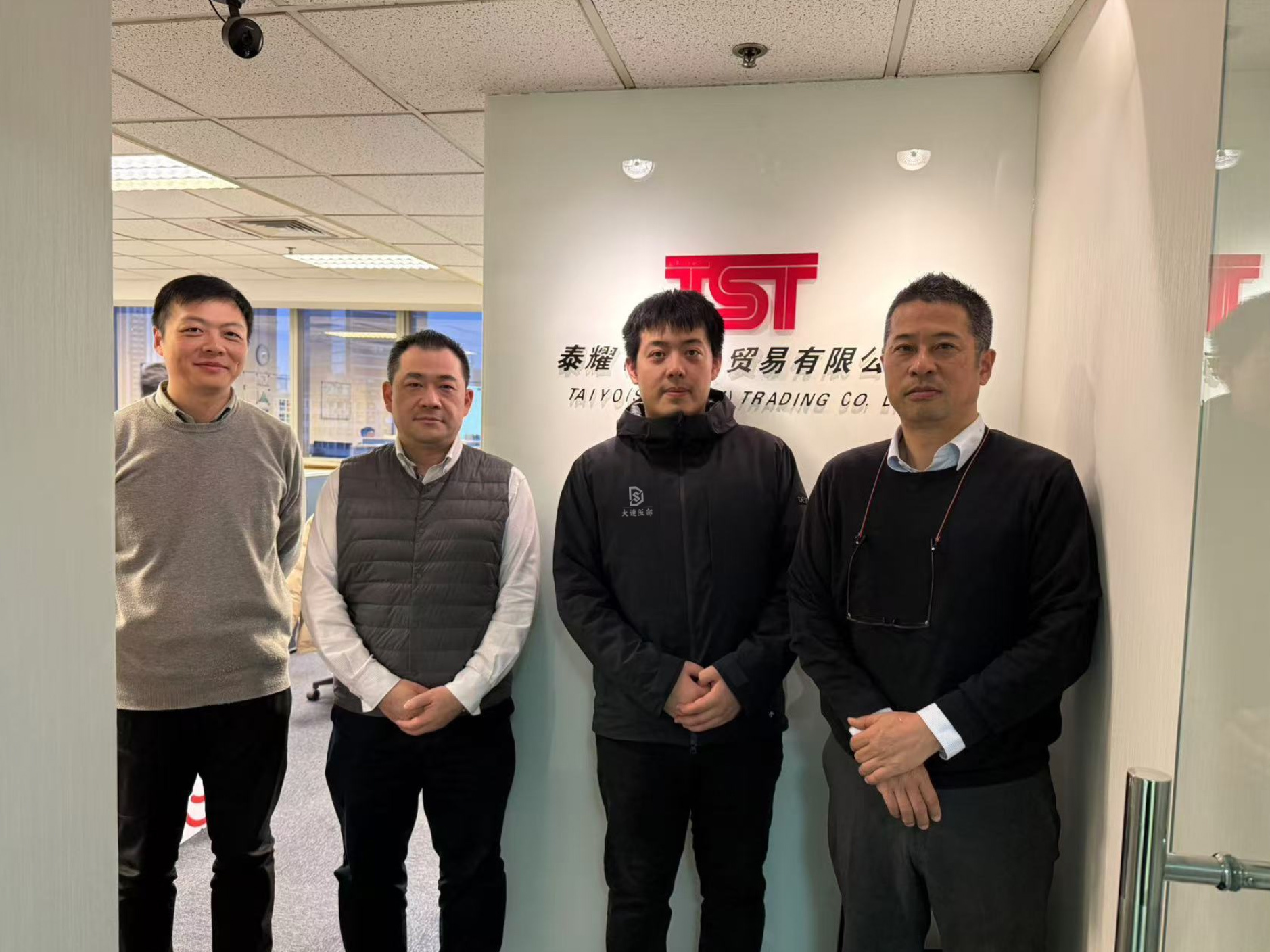
Great meeting with partner in Shanghai
Dalian Sakabe paying visit to our partner TST in Shanghai. Had discussions and plans for long term co-operation. Great thanks for your support!
2025/01/02
CONTACT US
Tel: +86 136-5494-1611
E-mail: alexzheng@sakabe.cn
Office Address:
No.18 Dongbei Qi Street, Jinpu New Area, Dalian, Liaoning, China
Factory Address:
No.26 Fuan Street, Jinpu New Area, Dalian, Liaoning, China
