


Understanding the Importance of Dewax Casting in Textile Machinery Manufacturing
1. Introduction to Dewax Casting
Dewax casting for textile machinery parts, a crucial technique in the manufacturing of textile machinery, has garnered increased attention for its significant contribution to production efficiency and product quality. In a rapidly evolving industrial landscape, understanding this process is vital for professionals in the textile machinery field.
As the demand for precision and durability in textile machinery grows, dewax casting emerges as a reliable method for producing high-quality components. This article will delve into the intricacies of dewax casting, exploring its process, benefits, challenges, and future potential in the textile machinery manufacturing sector.

2. What is Dewax Casting?
Dewax casting, often referred to as investment casting, is a manufacturing process that involves creating a wax model which is then coated with a ceramic shell. Upon heating, the wax melts away, leaving behind a hollow mold that can be filled with molten metal. This technique allows for the production of intricate and precise components, essential for textile machinery.
The process is particularly valued in the textile industry, where components must endure high levels of wear and tear. By employing dewax casting, manufacturers can produce parts with superior dimensional accuracy and excellent surface finish.
3. The Dewax Casting Process Explained
The dewax casting process can be broken down into several key stages:
3.1 Creating the Wax Model
The process begins with the creation of a wax model. This model is an exact replica of the final product and is made using a variety of techniques, including injection molding or 3D printing. The accuracy of this model is crucial, as it defines the final product’s shape and dimensions.
3.2 Coating with Ceramic Shell
Once the wax model is prepared, it is coated with a ceramic material. This ceramic shell is typically applied in multiple layers, ensuring that it can withstand the high temperatures of molten metal. Each layer must be allowed to dry and harden before the next is applied.
3.3 Wax Removal
After the shell is fully formed, the wax is removed through heating. This step is where the term "dewax" comes into play. The temperature must be carefully controlled to avoid damaging the ceramic mold.
3.4 Pouring Molten Metal
With the wax removed, the mold is ready for the next stage: pouring molten metal. The temperature of the molten metal must be high enough to ensure proper filling of the mold without causing defects.
3.5 Cooling and Finishing
Once the metal has cooled and solidified, the ceramic shell is broken away to reveal the cast part. Further finishing processes—such as machining, grinding, or polishing—may be required to achieve the desired surface quality.
4. Benefits of Dewax Casting in Textile Machinery
Dewax casting offers several notable advantages that make it particularly suitable for textile machinery manufacturing:
4.1 Precision and Accuracy
One of the most significant benefits of dewax casting is its ability to produce parts with exceptional precision. This high level of accuracy is essential in textile machinery, where even minor deviations can lead to operational inefficiencies.
4.2 Complex Geometries
Dewax casting allows for the creation of complex geometries that would be difficult or impossible to achieve through traditional machining methods. This capability enables manufacturers to design more efficient and effective machinery.
4.3 Superior Surface Finish
The ceramic shell used in dewax casting provides an excellent surface finish, reducing the need for extensive post-processing. A smoother surface not only improves the appearance of the final product but also enhances its performance by reducing friction and wear.
4.4 Material Versatility
Dewax casting is compatible with a wide range of metals, including aluminum, stainless steel, and other alloys. This versatility allows manufacturers to select materials that best meet their performance requirements.
4.5 Reduced Waste
The investment casting process minimizes material waste compared to traditional machining methods. This efficiency not only reduces costs but also contributes to more sustainable manufacturing practices.
5. Challenges in Dewax Casting
Despite its many advantages, dewax casting also presents certain challenges that manufacturers must navigate:
5.1 Initial Setup Costs
The initial setup costs for dewax casting can be higher than some traditional manufacturing methods, particularly due to the need for specialized equipment and materials. However, these costs are often offset by the long-term benefits of efficiency and quality.
5.2 Time-Consuming Process
The dewax casting process can be time-consuming, particularly during the wax model creation and ceramic shell coating stages. Manufacturers must carefully balance production timelines with the benefits of the casting method.
5.3 Thermal Sensitivity
The materials used in dewax casting can be sensitive to thermal fluctuations. Maintaining consistent temperatures throughout the process is crucial to avoid defects and ensure a high-quality final product.
6. Innovative Applications of Dewax Casting
As the textile machinery industry continues to evolve, dewax casting finds innovative applications in various sectors. Some promising areas include:
6.1 High-Performance Textiles
Dewax casting can be utilized in manufacturing components for high-performance textile machinery, such as those used in technical textiles and advanced fabric technologies. These components require exceptional durability and precision.
6.2 Automation in Textile Manufacturing
With the rise of automation in textile manufacturing, dewax casting can produce intricate components for automated systems. The ability to create complex parts with precision enhances the overall efficiency of production lines.
6.3 Sustainable Manufacturing Practices
As sustainability becomes increasingly important, dewax casting can contribute to eco-friendly practices. Reduced material waste and the ability to use recyclable materials align well with modern sustainability goals.
7. The Future of Dewax Casting in Textile Machinery Manufacturing
Looking ahead, the future of dewax casting in textile machinery manufacturing appears promising. As advancements in technology continue to emerge, we can anticipate improvements in efficiency, accuracy, and material options.
Innovations such as 3D printing and advanced materials science will likely enhance the dewax casting process, making it an even more viable option for manufacturers striving for excellence in textile machinery production.
In conclusion, dewax casting is an invaluable process in textile machinery manufacturing, offering numerous benefits that align with the industry's need for precision, durability, and efficiency. As we continue to explore innovative applications and overcome existing challenges, the role of dewax casting will undoubtedly expand, leading to advancements that enhance production capabilities and product quality in the textile sector. Embracing this process is essential for manufacturers aiming to thrive in a competitive landscape.

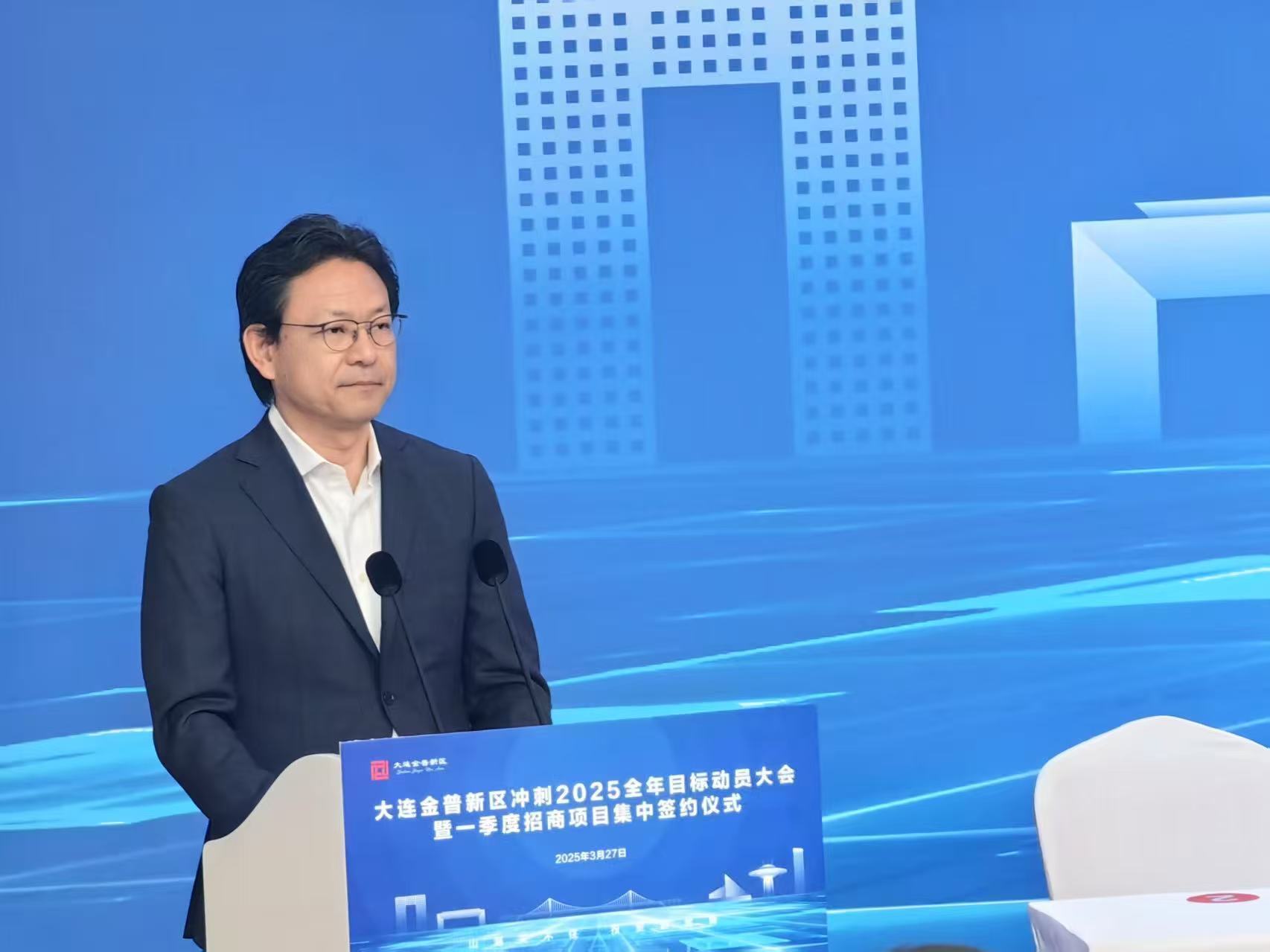
Dalian Sakabe was invited to participate in the Dalian investment promotion project ceremony
On March 27, 2025, Dalian Sakabe, as an advanced foreign-funded enterprise in Dalian, was invited to participate in the investment promotion project ceremony of Dalian China.
2025/04/01
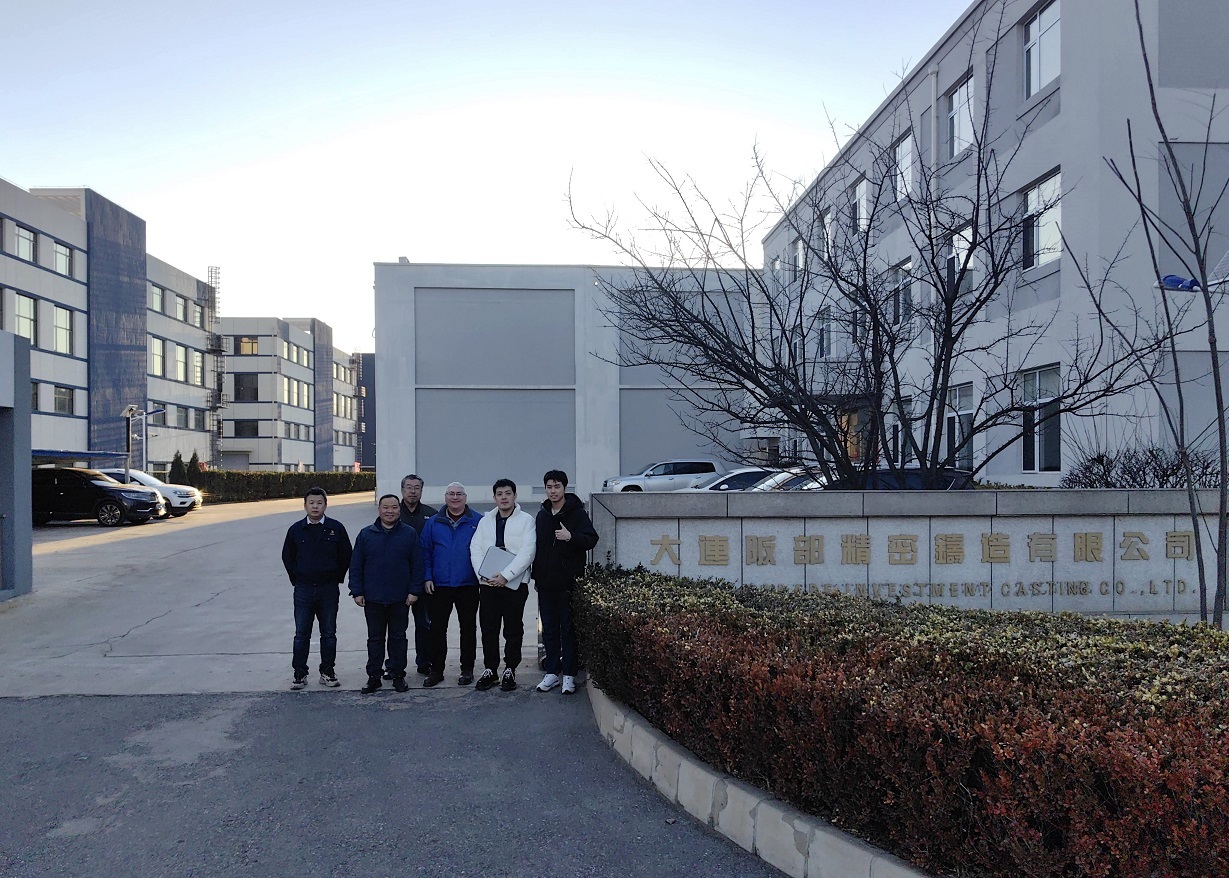
It is pleased that partner NME come to visit us Sakabe foundry
It is pleased that partner NME come to visit us Sakabe foundry. We share the same philosophy about quality standards, product positioning, environmental protection, and sustainable development. It's lucky to meet like-minded partners!
2025/02/19
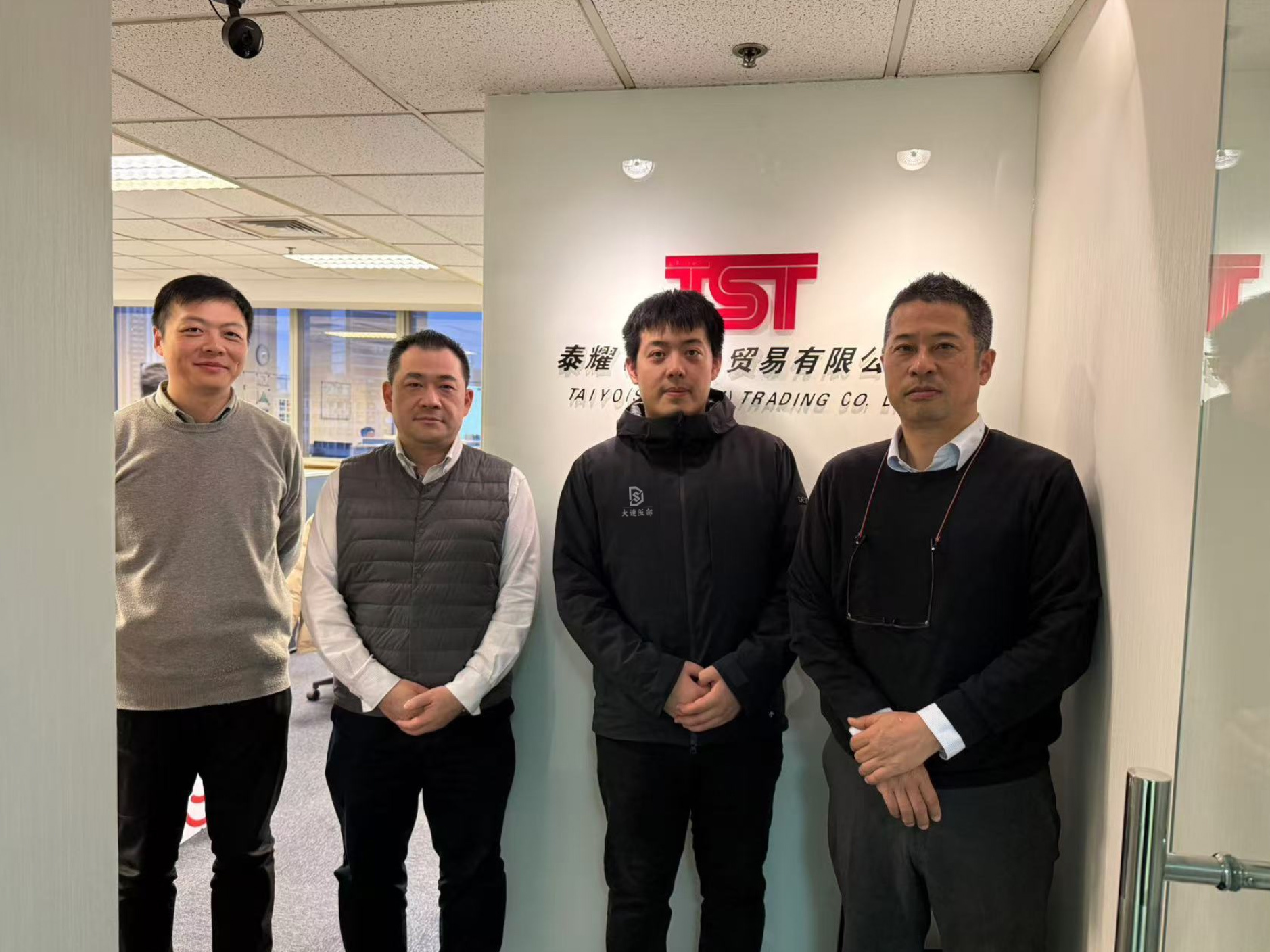
Great meeting with partner in Shanghai
Dalian Sakabe paying visit to our partner TST in Shanghai. Had discussions and plans for long term co-operation. Great thanks for your support!
2025/01/02
CONTACT US
Tel: +86 136-5494-1611
E-mail: alexzheng@sakabe.cn
Office Address:
No.18 Dongbei Qi Street, Jinpu New Area, Dalian, Liaoning, China
Factory Address:
No.26 Fuan Street, Jinpu New Area, Dalian, Liaoning, China
