


Understanding the Importance of Durable Sand Casting in Flowmeter Valve Manufacturing
1. Introduction to Sand Casting in Flowmeter Valve Manufacturing
**Sand casting** is one of the oldest metal-forming techniques, known for its versatility and cost-effectiveness. It involves creating a mold from sand and then pouring molten metal into that mold to produce a component. In the context of flowmeter valve manufacturing, durable sand casting is essential as it allows for the creation of complex shapes with high dimensional accuracy, which is crucial for the performance of flowmeter valves.
Flowmeter valves are integral to industries such as oil and gas, water treatment, pharmaceuticals, and food processing. Therefore, ensuring these components are manufactured using high-quality processes is paramount. Sand casting not only offers the ability to produce intricate designs but also ensures that the final product meets the rigorous demands of various applications.
2. Why Choose Durable Sand Casting?
The choice of **durable sand casting** in flowmeter valve manufacturing stems from its numerous benefits. Here are some key reasons why manufacturers prefer this method:
- **Cost-Effectiveness**: Sand casting is generally more affordable compared to other manufacturing methods. The materials used for sand molds are inexpensive, and the process can be scaled easily.
- **Flexibility in Design**: Sand casting accommodates a wide range of design specifications, allowing engineers to create unique shapes and sizes that meet specific requirements.
- **High Tolerance Levels**: The technique ensures high precision and dimensional accuracy, which is crucial for the functionality of flowmeter valves.
- **Material Variety**: Sand casting can be conducted using various metals and alloys, providing manufacturers with the flexibility to select materials that suit their application needs.
- **Durability**: The finished products exhibit excellent mechanical properties, making them suitable for high-stress environments.
By choosing durable sand casting, manufacturers can ensure that their flowmeter valves perform optimally while also extending their lifespan.
3. The Sand Casting Process: An Overview
Understanding the sand casting process is vital for appreciating its importance in flowmeter valve manufacturing. The process can be broken down into several key stages:
3.1 Pattern Making
The first step in the sand casting process is the creation of a pattern. This pattern is a replica of the desired flowmeter valve and is typically made from materials like wood, metal, or plastic. Accurate pattern making is crucial, as any imperfections will transfer to the final product.
3.2 Molding
Once the pattern is ready, the next step is molding. In this stage, the pattern is placed in a flask, and sand is packed around it to create a mold. The sand mixture often contains a binding agent to ensure it holds its shape. Careful attention is paid to ensure that the mold is free of air pockets and has the necessary strength to withstand the pouring process.
3.3 Pouring
After the mold is prepared, molten metal is poured into it. The temperature of the molten metal is crucial; it must be high enough to ensure fluidity but not so high that it causes defects in the final product. The pouring must be done carefully to avoid turbulence, which could introduce impurities or defects.
3.4 Cooling and Finishing
Once the molten metal has been poured, it is allowed to cool and solidify. After cooling, the sand mold is removed, and the flowmeter valve is cleaned and finished as necessary. This may include machining operations to achieve the required surface finish and tolerances.
4. Advantages of Durable Sand Casting for Flowmeter Valves
The benefits of durable sand casting extend beyond the manufacturing process itself. Here are some advantages that highlight its importance in flowmeter valve production:
- **Enhanced Strength and Durability**: The casting process results in components that can withstand high pressures and corrosive environments, making them well-suited for use in demanding applications.
- **Complex Geometries**: Sand casting allows for the manufacturing of intricate shapes and designs that may be challenging to achieve with other methods, ensuring that flowmeter valves can accommodate various operational needs.
- **Rapid Prototyping**: The sand casting process enables quick iterations, allowing manufacturers to test and refine their designs more efficiently.
- **Scalability**: From small batches to large-scale production runs, sand casting can be scaled to meet market demands without significant changes to the process.
- **Reduced Waste**: The sand casting process minimizes material wastage, contributing to more sustainable manufacturing practices.
These advantages position durable sand casting as a preferred choice for manufacturers focused on delivering high-quality flowmeter valves.
5. Industry Applications of Sand-Cast Flowmeter Valves
Durable sand-cast flowmeter valves find applications across various industries due to their reliability and performance. Some notable applications include:
- **Oil and Gas**: Flowmeter valves are critical for monitoring and controlling the flow of oil and gas in pipelines, ensuring operational efficiency and safety.
- **Water Treatment**: In water treatment facilities, flowmeter valves regulate the flow of water, ensuring that processes run smoothly and efficiently.
- **Pharmaceutical Production**: Precise flow measurement is vital in pharmaceuticals to ensure accurate dosing and compliance with regulatory standards.
- **Food and Beverage**: In food processing, maintaining the right flow of liquids is essential for product quality and safety.
- **Chemical Processing**: The chemical industry relies on flowmeter valves to manage the flow of various substances, from raw materials to finished products.
By understanding these applications, manufacturers can tailor their sand casting processes to meet the specific needs of various industries.
6. Factors Influencing the Quality of Sand Casted Flowmeter Valves
Several factors can impact the quality of sand-cast flowmeter valves. Understanding and controlling these factors is essential for manufacturers:
- **Sand Quality**: The type and quality of sand used in the molding process play a significant role in the final product's integrity.
- **Pattern Design**: An accurate and well-designed pattern is crucial to achieving the desired specifications and tolerances.
- **Molding Technique**: The method used for molding affects the mold's strength and accuracy, influencing the overall quality of the cast.
- **Pouring Temperature**: The temperature of the molten metal must be carefully controlled to prevent defects such as porosity or inclusions.
- **Cooling Rate**: The cooling rate can affect the microstructure of the cast metal, impacting its mechanical properties.
By focusing on these factors, manufacturers can ensure the production of high-quality flowmeter valves that meet industry standards.
7. Common Challenges in Sand Casting and Solutions
While durable sand casting offers numerous advantages, it is not without its challenges. Here are some common issues and potential solutions:
- **Defects in Casting**: Issues such as porosity, sand adherence, or dimensional inaccuracies can arise. Implementing strict quality control measures during the pattern making and molding stages can help mitigate these defects.
- **Environmental Factors**: Changes in humidity and temperature can affect sand properties. Manufacturers should maintain controlled environments during the casting process to minimize these effects.
- **Material Inconsistencies**: Variations in raw materials can lead to inconsistent quality. Sourcing high-quality materials from reliable suppliers is essential for uniformity.
- **Complex Designs**: Intricate components may require advanced techniques to achieve desired results. Investing in modern technology and skilled labor can enhance capabilities.
By addressing these challenges effectively, manufacturers can optimize their sand casting processes and improve product quality.
Durable sand casting plays a pivotal role in the manufacturing of flowmeter valves, offering numerous advantages that enhance product performance and longevity. From its cost-effectiveness and design flexibility to its ability to produce high-quality components, sand casting remains a preferred method in various industries. Understanding the intricacies of the sand casting process and addressing potential challenges can lead manufacturers to create superior flowmeter valves that meet the ever-evolving demands of the market. As industries continue to prioritize quality and reliability, the significance of durable sand casting will only grow, solidifying its position as a cornerstone in flowmeter valve manufacturing.


Dalian Sakabe was invited to participate in the Dalian investment promotion project ceremony
On March 27, 2025, Dalian Sakabe, as an advanced foreign-funded enterprise in Dalian, was invited to participate in the investment promotion project ceremony of Dalian China.
2025/04/01
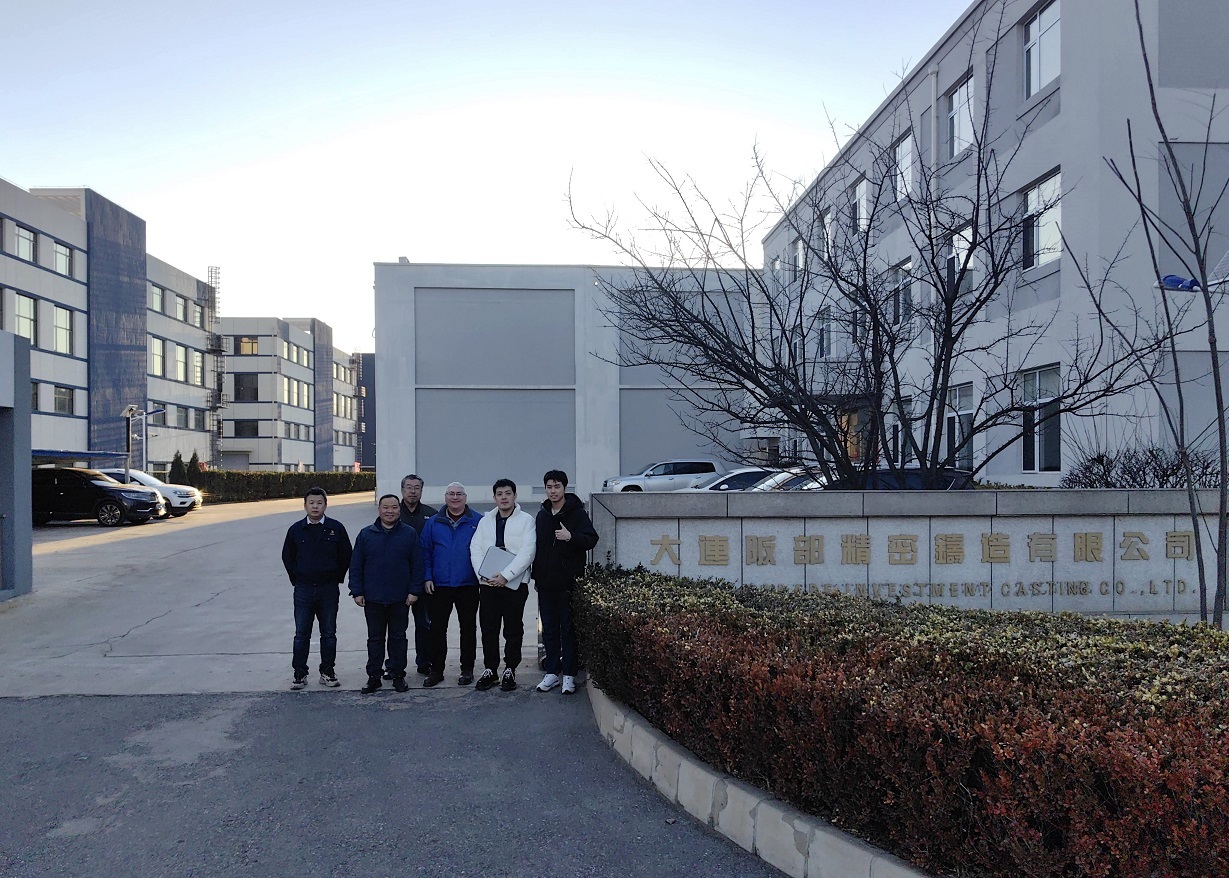
It is pleased that partner NME come to visit us Sakabe foundry
It is pleased that partner NME come to visit us Sakabe foundry. We share the same philosophy about quality standards, product positioning, environmental protection, and sustainable development. It's lucky to meet like-minded partners!
2025/02/19
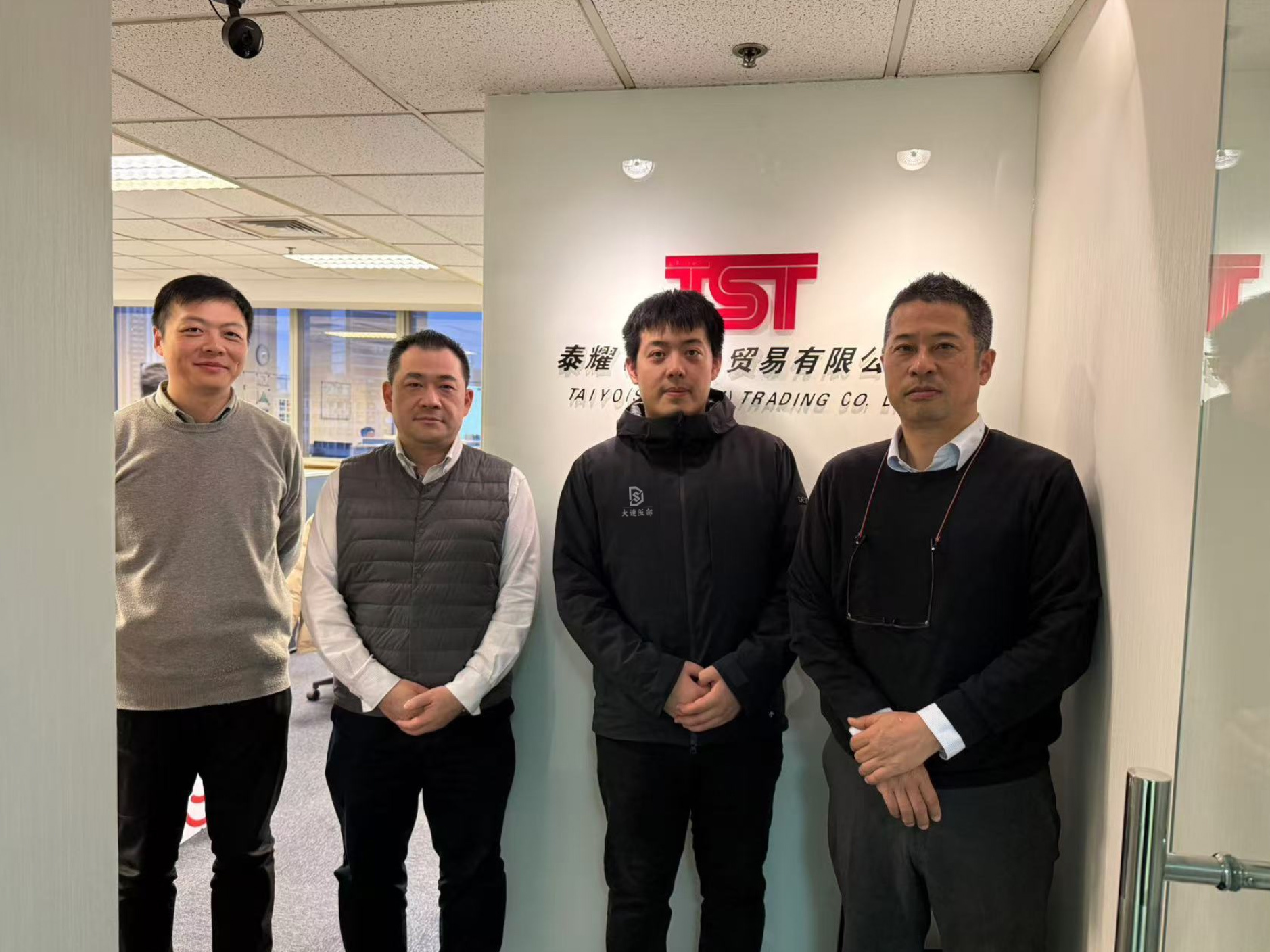
Great meeting with partner in Shanghai
Dalian Sakabe paying visit to our partner TST in Shanghai. Had discussions and plans for long term co-operation. Great thanks for your support!
2025/01/02
CONTACT US
Tel: +86 136-5494-1611
E-mail: alexzheng@sakabe.cn
Office Address:
No.18 Dongbei Qi Street, Jinpu New Area, Dalian, Liaoning, China
Factory Address:
No.26 Fuan Street, Jinpu New Area, Dalian, Liaoning, China
