

Unlocking Efficiency: The Role of Die-Casting Parts in Beverage Machinery
1. Introduction to Die-Casting in Beverage Machinery
In the ever-evolving landscape of manufacturing, **die-casting** emerges as a game-changer for the **beverage machinery** industry. This technology not only accelerates production processes but also ensures high-quality output with minimal waste. In this article, we will explore the robust role that die-casting parts play in enhancing efficiency and effectiveness in beverage machinery.
2. Understanding Die-Casting: A Detailed Overview
Die-casting is a manufacturing process that involves forcing molten metal into a mold cavity under high pressure. The process is widely used for creating complex shapes and components with exceptional precision. Typically, alloys such as aluminum, zinc, and magnesium are utilized in die-casting, providing the strength necessary for beverage machinery parts. This method allows for rapid production and excellent surface finishes, making it ideal for various applications in the beverage industry.
3. Benefits of Die-Casting Parts in Beverage Machinery
Die-casting parts offer a multitude of advantages that significantly enhance the efficiency of beverage machinery.
3.1 Enhanced Production Speed
Die-casting enables high-volume production with short lead times. The ability to produce multiple parts simultaneously allows manufacturers to meet market demands quickly, reducing bottlenecks in the production line.
3.2 Improved Precision and Quality
The high-pressure injection method used in die-casting ensures that parts are produced with tight tolerances. This precision minimizes the need for secondary machining, improving overall product quality and consistency.
3.3 Cost-Effectiveness
While the initial setup costs for die-casting may be higher than other manufacturing methods, the long-term savings are significant. The durability and longevity of die-cast parts result in lower replacement costs, and their lightweight properties can reduce shipping expenses.
3.4 Design Flexibility
Die-casting allows for intricate designs and complex geometries that may be difficult or impossible to achieve with other manufacturing processes. This flexibility enables engineers to innovate and optimize designs, leading to better-performing machinery components.
4. Key Applications of Die-Casting in Beverage Machinery
The versatility of die-casting is evident in its wide array of applications within beverage machinery.
4.1 Components of Beverage Processing Equipment
Die-cast parts are commonly used in beverage processing machinery, including mixers, pumps, and filtration systems. Their durability ensures reliable operation in demanding environments.
4.2 Parts in Packaging Machines
In packaging machinery, die-casting contributes to the creation of parts such as containers, lids, and closures. The precision of these parts is crucial for maintaining product integrity and extending shelf life.
4.3 Applications in Refrigeration Units
Refrigeration systems in beverage machinery rely on die-cast components for efficient heat transfer and energy conservation. Parts like evaporator and condenser housing benefit from the excellent thermal conductivity of die-cast metals.
5. The Die-Casting Process Explained
To understand the impact of die-casting on beverage machinery, it is essential to grasp the process involved.
5.1 The Importance of Material Selection
Choosing the right material is crucial for die-casting success. Aluminum is favored for its lightweight properties, while zinc offers superior dimensional stability. Each material brings unique benefits suited to specific applications in beverage machinery.
5.2 The Die-Casting Cycle: Steps Involved
The die-casting cycle involves several steps: preparation of the die, melting of the metal, injection into the die, cooling, and ejection of the finished part. This cyclical process ensures that production runs smoothly and efficiently.
6. Innovations in Die-Casting Technology
The die-casting industry is witnessing remarkable innovations that further enhance its efficiency and effectiveness.
6.1 Automation and Robotics in Die-Casting
The integration of automation and robotics in die-casting processes improves precision and reduces human error. Automated systems can handle the rapid production cycles required in beverage machinery manufacturing.
6.2 Advances in Material Science
Ongoing research in material science is leading to the development of new alloys and composites that offer even better performance characteristics. These advancements continue to expand the potential applications of die-casting in the beverage industry.
7. Challenges Facing Die-Casting in Beverage Machinery
Despite its many advantages, die-casting is not without challenges.
7.1 Quality Control Issues
Maintaining consistent quality can be a challenge, particularly in high-volume production. Implementing stringent quality control measures is essential to ensure that each part meets the required specifications.
7.2 Environmental Considerations
As with many manufacturing processes, die-casting has environmental impacts. Manufacturers must consider waste management and emissions during production to minimize their ecological footprint.
8. FAQs About Die-Casting Parts in Beverage Machinery
**Q1: What materials are commonly used in die-casting for beverage machinery?**
A1: Aluminum, zinc, and magnesium are commonly used materials due to their strength, durability, and lightweight properties.
**Q2: How does die-casting contribute to cost savings in beverage machinery production?**
A2: Die-casting reduces the need for secondary machining, minimizes waste, and produces durable parts that lead to lower replacement costs.
**Q3: What types of beverage machinery benefit from die-casting?**
A3: Beverage processing equipment, packaging machines, and refrigeration units all utilize die-casting for key components.
**Q4: Is die-casting environmentally friendly?**
A4: While die-casting has environmental impacts, advancements in technology and material recycling are helping manufacturers reduce their ecological footprint.
**Q5: Can die-casting accommodate complex designs?**
A5: Yes, die-casting allows for intricate designs and complex geometries, making it highly versatile for various applications.
9. Conclusion
The role of die-casting parts in beverage machinery is crucial for unlocking efficiency and enhancing production capabilities. From improving precision and quality to offering cost-effective solutions, die-casting technology is revolutionizing the manufacturing landscape. Embracing these advanced techniques not only meets the demands of a rapidly changing market but also positions manufacturers for long-term success in a competitive industry. By leveraging the benefits of die-casting, beverage machinery manufacturers can optimize their operations, reduce costs, and deliver high-quality products to consumers.

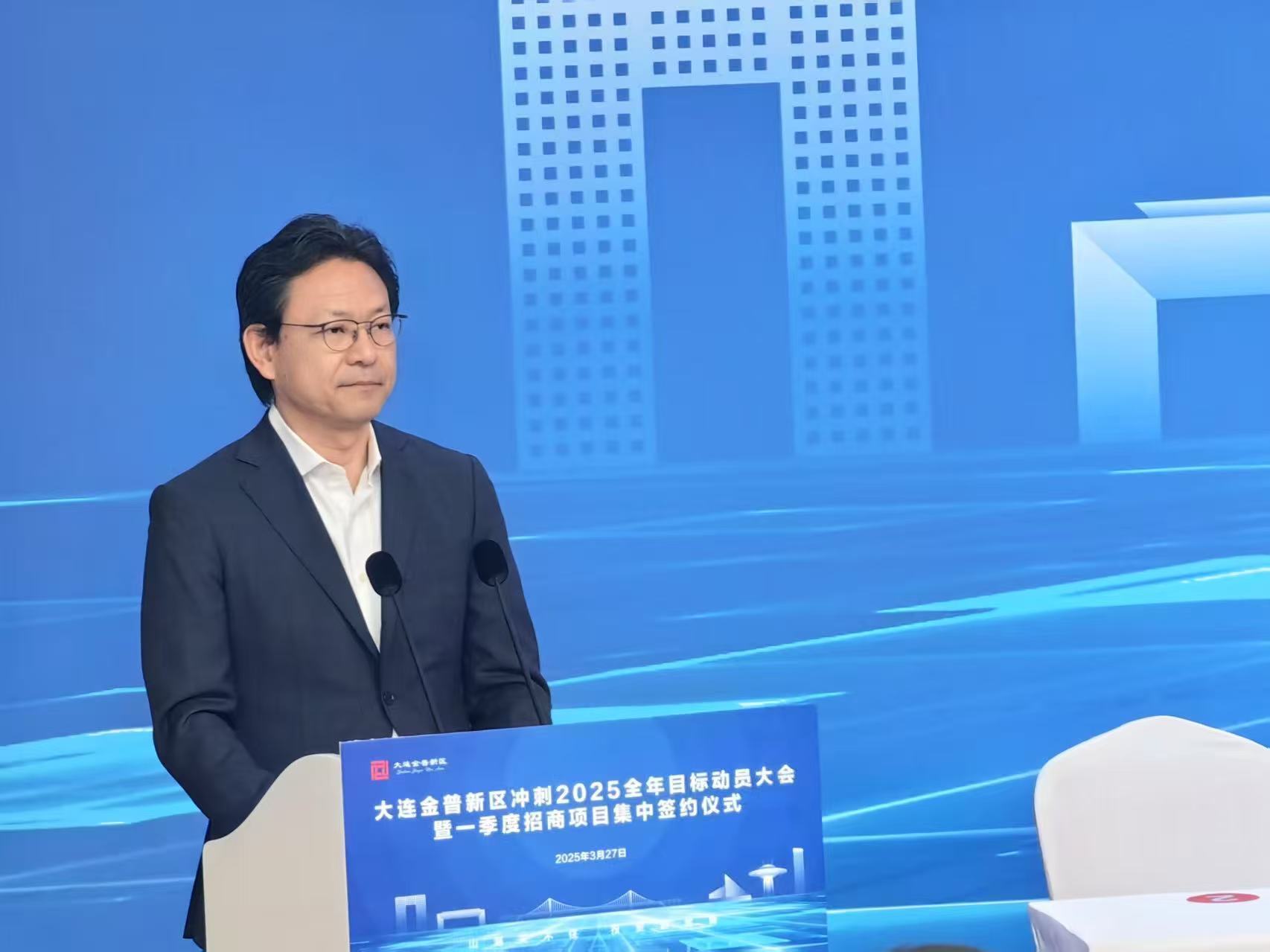
Dalian Sakabe was invited to participate in the Dalian investment promotion project ceremony
On March 27, 2025, Dalian Sakabe, as an advanced foreign-funded enterprise in Dalian, was invited to participate in the investment promotion project ceremony of Dalian China.
2025/04/01
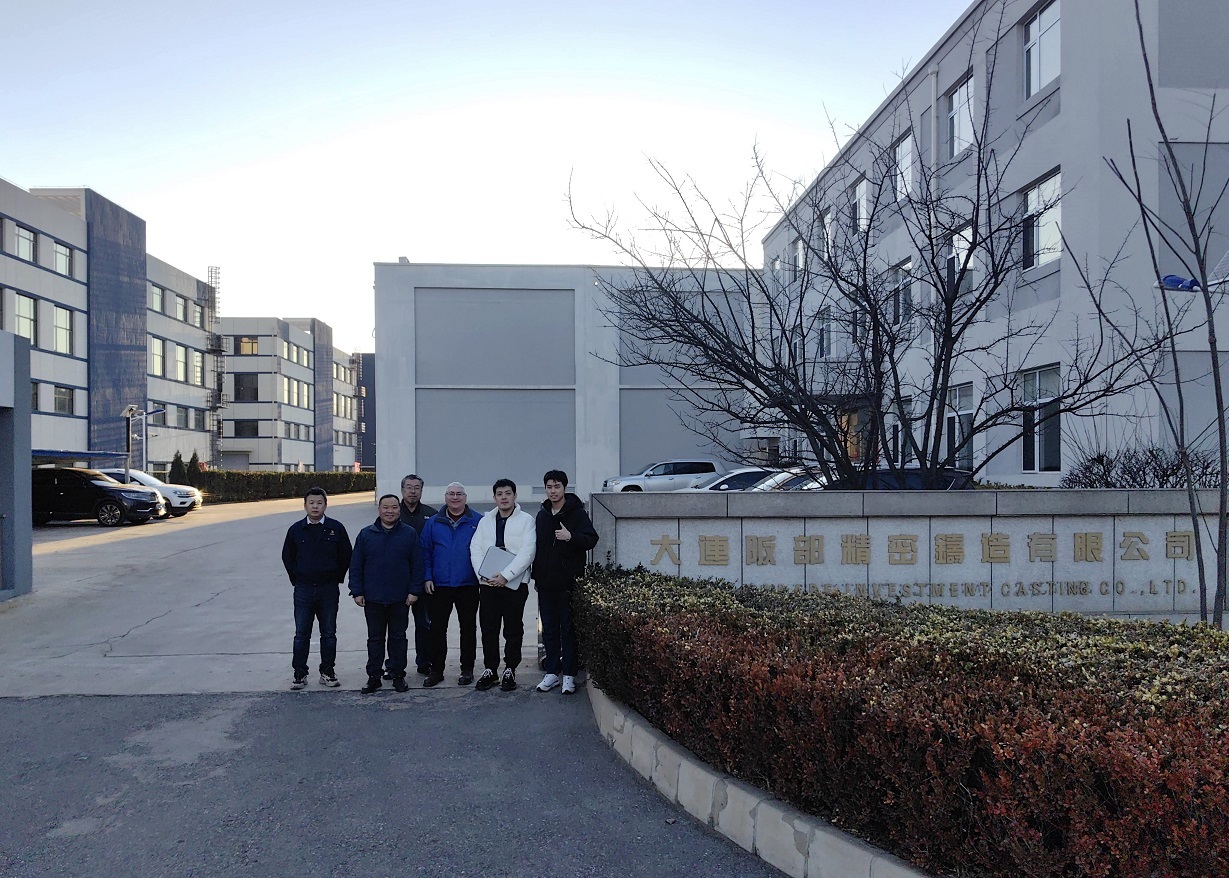
It is pleased that partner NME come to visit us Sakabe foundry
It is pleased that partner NME come to visit us Sakabe foundry. We share the same philosophy about quality standards, product positioning, environmental protection, and sustainable development. It's lucky to meet like-minded partners!
2025/02/19
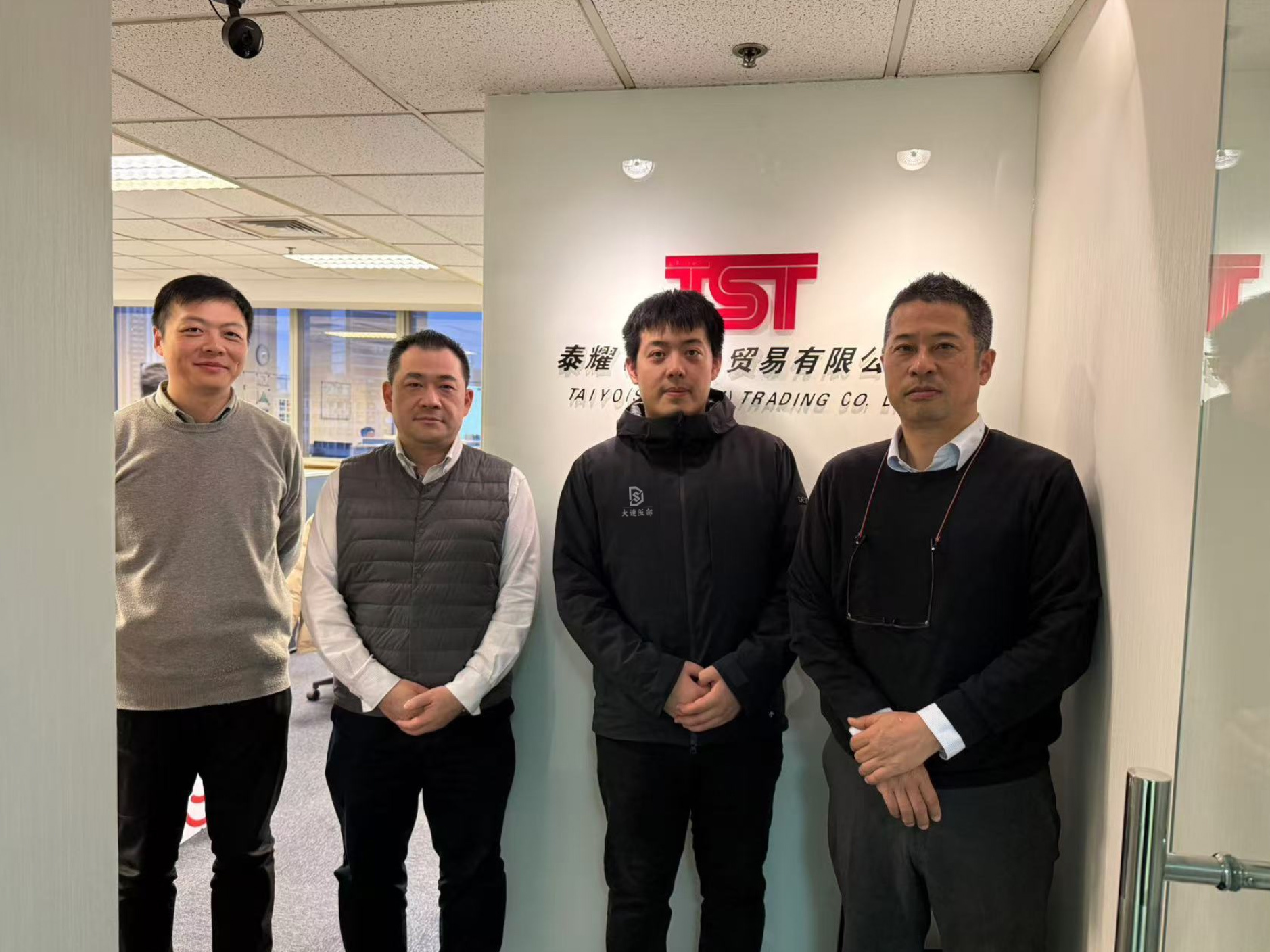
Great meeting with partner in Shanghai
Dalian Sakabe paying visit to our partner TST in Shanghai. Had discussions and plans for long term co-operation. Great thanks for your support!
2025/01/02
CONTACT US
Tel: +86 136-5494-1611
E-mail: alexzheng@sakabe.cn
Office Address:
No.18 Dongbei Qi Street, Jinpu New Area, Dalian, Liaoning, China
Factory Address:
No.26 Fuan Street, Jinpu New Area, Dalian, Liaoning, China
