


Exploring the Durability of Sewing Machine Casting Parts
Table of Contents
- 1. Understanding Sewing Machine Casting Parts
- 2. The Importance of Material Selection
- 3. Manufacturing Processes for Casting Parts
- 4. Factors Affecting Durability
- 5. Maintenance Tips for Longevity
- 6. Common Issues and Solutions
- 7. Innovations in Casting Technology
- 8. FAQs about Sewing Machine Casting Parts
1. Understanding Sewing Machine Casting Parts
Sewing machines are intricate devices, and their performance largely depends on the quality of their components. Among these, **casting parts** are vital. These parts are typically made from metal and are designed to provide strength and support to various machine functions. They serve as the backbone of the machine, affecting its stability and functionality.
The casting process involves pouring molten metal into molds to create specific shapes. This technique allows for the production of complex geometries that are essential for the efficient operation of sewing machines. Understanding the types of casting parts—such as bases, frames, and housings—is crucial for anyone involved in sewing machine manufacturing or maintenance.
2. The Importance of Material Selection
Selecting the right materials for sewing machine casting parts is critical. The most commonly used materials include **cast iron** and **aluminum**. Each material offers distinct advantages:
2.1 Cast Iron
Cast iron is renowned for its excellent wear resistance and ability to dampen vibrations. This makes it ideal for heavy-duty sewing machines. Additionally, it can withstand high temperatures and stress, contributing to the machine's overall durability.
2.2 Aluminum
Aluminum, while lighter than cast iron, offers excellent corrosion resistance. It is favored for its ease of machining and ability to be formed into intricate shapes. This can significantly enhance the performance of lighter sewing machines.
The choice between these materials often depends on the application and the specific requirements of the sewing machine. Understanding these materials' properties helps manufacturers make informed decisions that enhance the durability and functionality of their machines.
3. Manufacturing Processes for Casting Parts
The manufacturing process of casting parts involves several steps, each crucial for ensuring the quality and durability of the final product.
3.1 Sand Casting
Sand casting is one of the most traditional methods, where sand is used to create molds. This process allows for high precision and is cost-effective for producing complex shapes.
3.2 Die Casting
In die casting, molten metal is injected into a mold under high pressure. This method is ideal for producing parts with a smooth surface finish and close tolerances, essential for the intricate components of sewing machines.
3.3 Investment Casting
Investment casting, also known as lost-wax casting, is another technique that produces high-precision components. It is particularly useful for creating intricate designs and complex geometries that may not be feasible with other methods.
Each manufacturing process presents its advantages and challenges, influencing the durability of the resulting casting parts.
4. Factors Affecting Durability
The durability of sewing machine casting parts is influenced by several factors:
4.1 Material Quality
The quality of the raw materials used directly impacts the durability of the casting parts. High-grade metals are less likely to warp or break under stress.
4.2 Design and Engineering
Thoughtful design and engineering can enhance the strength and stress distribution across the part. Inadequate design may lead to vulnerabilities, increasing the likelihood of failure.
4.3 Environmental Factors
Exposure to moisture, chemicals, and extreme temperatures can significantly affect the longevity of casting parts. Proper coatings and treatments can mitigate these effects.
4.4 Manufacturing Defects
Defects that occur during the casting process can lead to weak spots within the parts, compromising their durability. Rigorous quality control measures are essential to minimize these risks.
Understanding these factors allows manufacturers to optimize their processes and improve the durability of their sewing machine components.
5. Maintenance Tips for Longevity
Regular maintenance is crucial to prolonging the life of sewing machine casting parts. Here are some effective techniques:
5.1 Regular Cleaning
Keeping the machine clean prevents the buildup of dust and debris, which can cause wear and tear on moving parts. Use a soft brush and cloth to clean casting parts regularly.
5.2 Lubrication
Proper lubrication reduces friction between moving parts, which is essential for the smooth operation of the sewing machine. Use the manufacturer-recommended lubricants to ensure compatibility.
5.3 Inspections
Conduct regular inspections to identify any signs of wear or damage. Early detection of issues can prevent costly repairs or replacements down the line.
5.4 Environmental Control
Store sewing machines in a controlled environment to minimize exposure to humidity and temperature fluctuations. This helps preserve the integrity of casting parts.
Implementing these maintenance tips can significantly enhance the durability of sewing machine casting parts, ensuring optimal performance over time.
6. Common Issues and Solutions
Despite proper maintenance, sewing machine casting parts may face several common issues:
6.1 Cracks and Breaks
Cracks can occur due to stress or manufacturing defects. If detected, it’s essential to address these issues immediately, either through professional repair or replacement.
6.2 Corrosion
Corrosion can be a significant problem, especially for casting parts made of iron or steel. Applying protective coatings can help prevent rust and extend the life of the parts.
6.3 Misalignment
Misalignment of casting parts can lead to uneven wear and operational inefficiencies. Regular calibration and adjustments can help maintain alignment.
Understanding these issues and their solutions can help users maintain their sewing machines' performance and longevity effectively.
7. Innovations in Casting Technology
Technological advancements continue to shape the manufacturing of sewing machine casting parts. Innovations such as **3D printing** and **advanced alloys** are making a significant impact:
7.1 3D Printing
3D printing allows for rapid prototyping and the production of complex designs that traditional methods may struggle to achieve. This technology can lead to reduced waste and faster production times.
7.2 Advanced Alloys
The development of new alloys enhances the performance characteristics of casting parts, providing better resistance to wear and corrosion. These materials can significantly increase the durability of sewing machines.
These innovations not only improve the manufacturing process but also enhance the durability and performance of sewing machines in the long run.
8. FAQs about Sewing Machine Casting Parts
8.1 What are sewing machine casting parts made of?
Sewing machine casting parts are typically made of cast iron or aluminum, selected based on the machine's intended use and required durability.
8.2 How can I tell if my casting parts are damaged?
Signs of damage include visible cracks, corrosion, or unusual noises during operation. Regular inspections will help identify these issues early.
8.3 How often should I maintain my sewing machine?
Regular maintenance should be performed every few months or after significant usage. Following the manufacturer’s guidelines is recommended.
8.4 Can I replace casting parts myself?
While some users can replace casting parts, it's advisable to consult a professional for complex repairs to ensure proper installation and function.
8.5 What can I do to prevent corrosion on my sewing machine parts?
Applying protective coatings, storing the machine in a controlled environment, and regular cleaning can help prevent corrosion.
Conclusion
The durability of sewing machine casting parts is integral to the overall performance and longevity of these essential tools. By understanding the materials, manufacturing processes, and maintenance strategies, manufacturers and users can significantly enhance their machines' durability and efficiency. With ongoing advancements in technology, the future of sewing machine casting parts looks promising, paving the way for even more robust and efficient sewing solutions. Investing in quality parts and practicing diligent maintenance will ensure that sewing machines perform optimally for years to come.

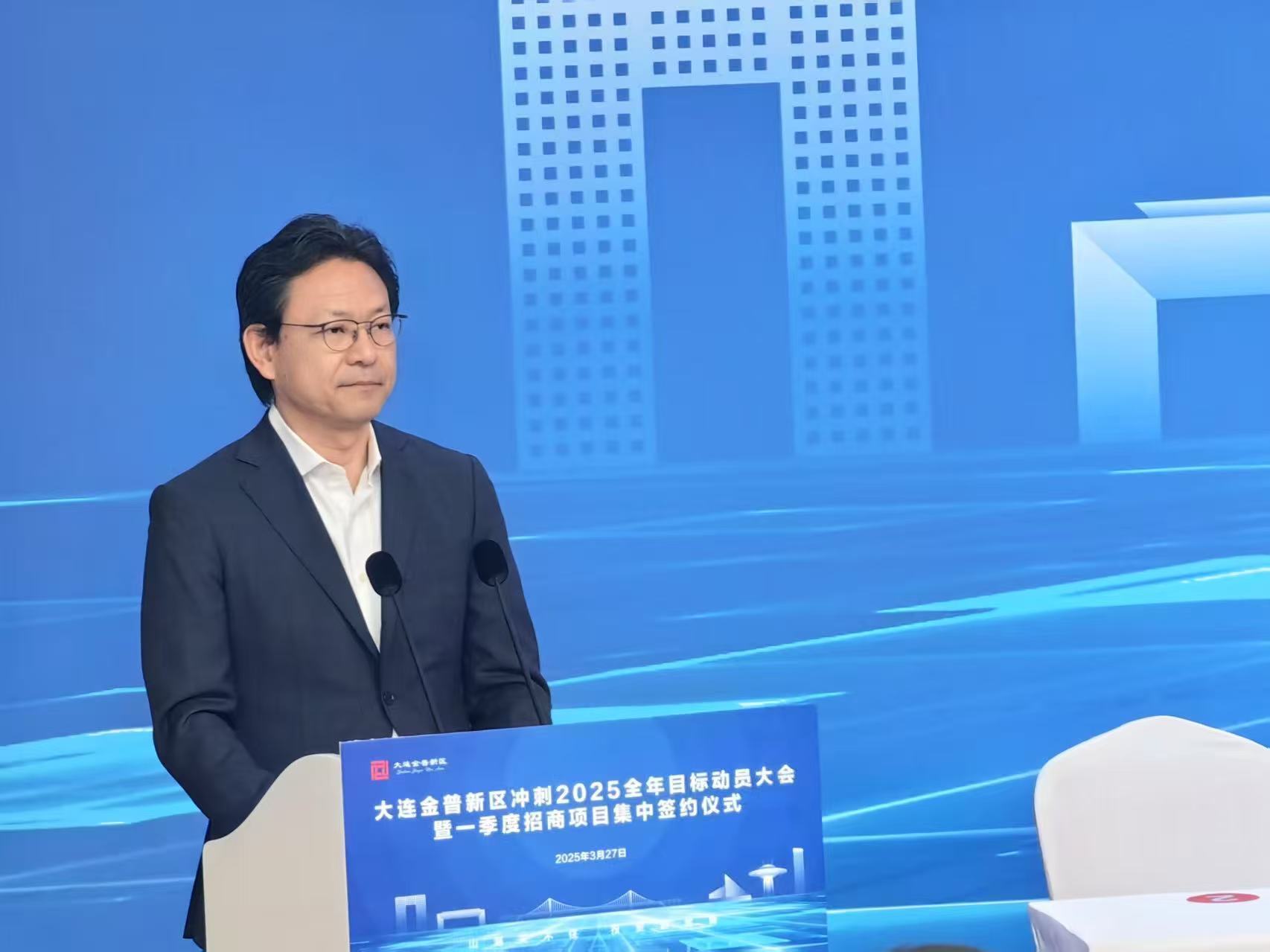
Dalian Sakabe was invited to participate in the Dalian investment promotion project ceremony
On March 27, 2025, Dalian Sakabe, as an advanced foreign-funded enterprise in Dalian, was invited to participate in the investment promotion project ceremony of Dalian China.
2025/04/01
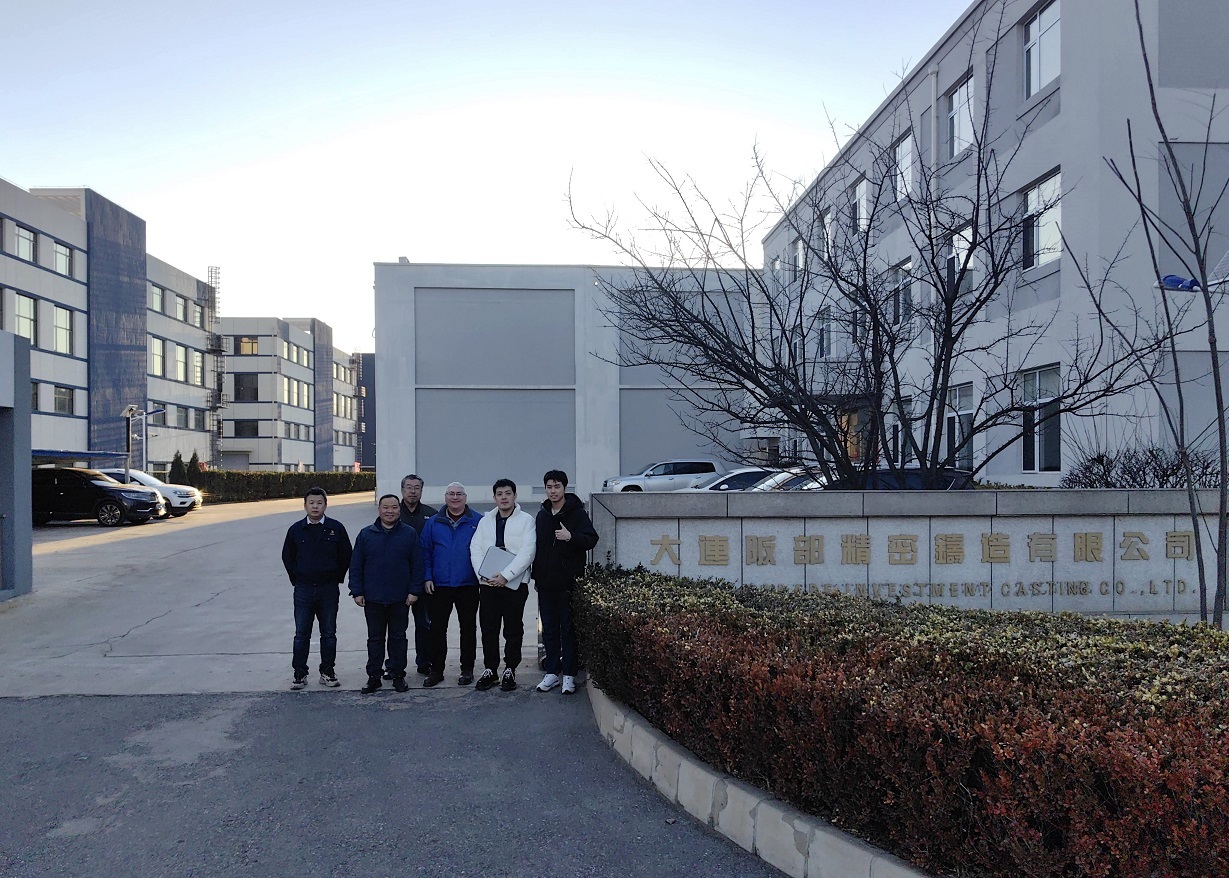
It is pleased that partner NME come to visit us Sakabe foundry
It is pleased that partner NME come to visit us Sakabe foundry. We share the same philosophy about quality standards, product positioning, environmental protection, and sustainable development. It's lucky to meet like-minded partners!
2025/02/19
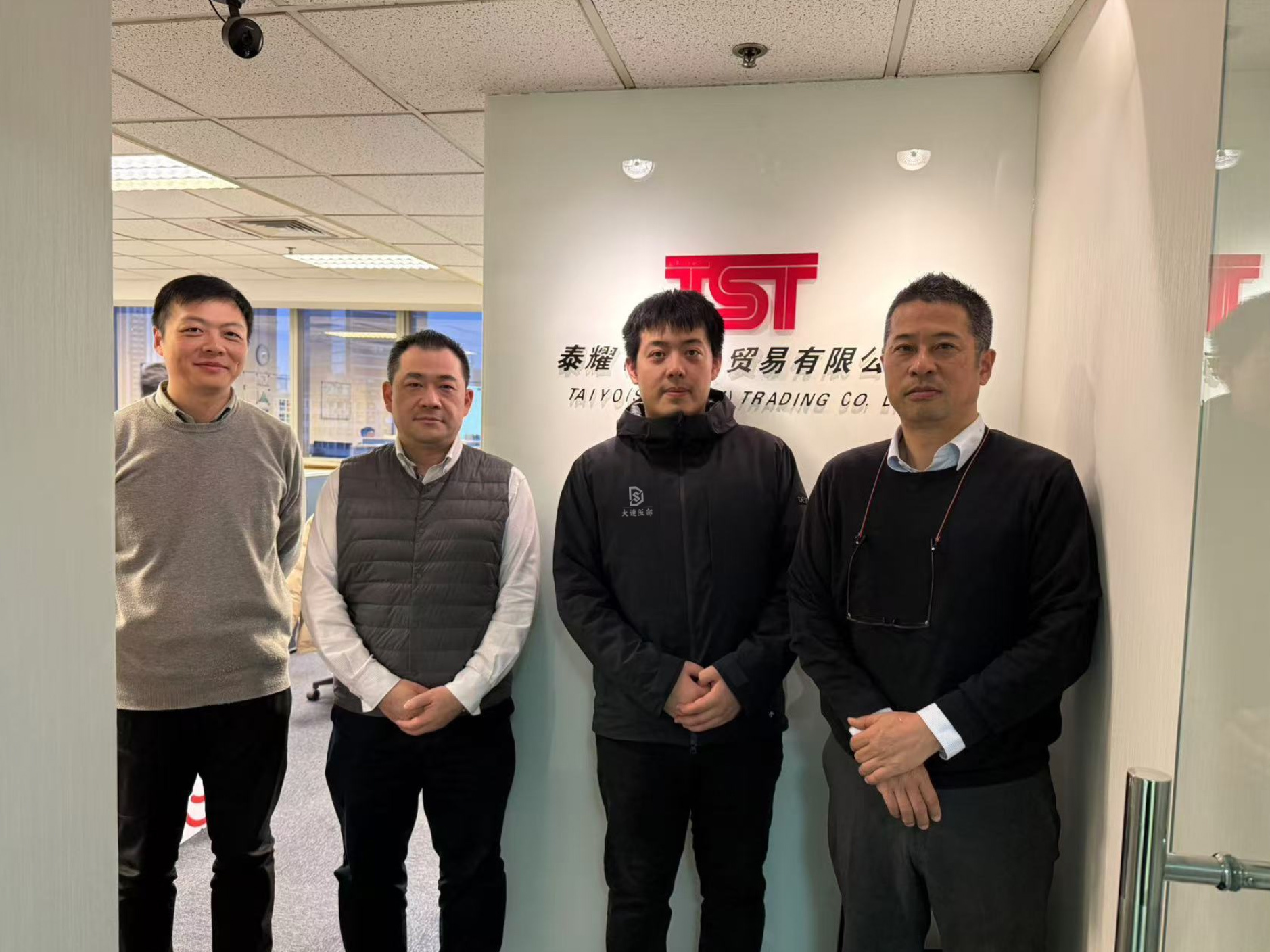
Great meeting with partner in Shanghai
Dalian Sakabe paying visit to our partner TST in Shanghai. Had discussions and plans for long term co-operation. Great thanks for your support!
2025/01/02
CONTACT US
Tel: +86 136-5494-1611
E-mail: alexzheng@sakabe.cn
Office Address:
No.18 Dongbei Qi Street, Jinpu New Area, Dalian, Liaoning, China
Factory Address:
No.26 Fuan Street, Jinpu New Area, Dalian, Liaoning, China
