


Unlocking the Benefits of Investment and Precision Casting in Manufacturing
Table of Contents
- 1. Introduction to Investment and Precision Casting
- 2. Major Advantages of Investment Casting
- 3. The Unique Benefits of Precision Casting
- 4. Key Applications of Investment and Precision Casting
- 5. The Investment Casting Process Explained
- 6. Understanding the Precision Casting Process
- 7. Investment Casting vs. Precision Casting: A Comparison
- 8. Future Trends in Investment and Precision Casting
- 9. FAQs About Investment and Precision Casting
- 10. Conclusion
1. Introduction to Investment and Precision Casting
In the realm of **manufacturing**, the methods employed significantly influence both the quality of the final products and the efficiency of production processes. **Investment casting** and **precision casting** have emerged as pivotal techniques that not only enhance product integrity but also reduce waste and improve cost-efficiency. As we delve deeper into these two methods, we will uncover the various benefits they offer and why they are increasingly being adopted in different industries.
2. Major Advantages of Investment Casting
Investment casting is renowned for its ability to produce complex shapes with exceptional dimensional accuracy. This method offers several enticing advantages:
2.1 High Precision and Accuracy
Investment casting allows for intricate designs that traditional casting methods might fail to achieve. The process leads to minimal machining, which results in higher precision.
2.2 Excellent Surface Finish
One of the most significant benefits of investment casting is its superior surface finish. This quality reduces the need for extensive post-processing, saving time and costs.
2.3 Versatility in Materials
This casting method supports a wide range of materials, including **stainless steel**, **aluminum**, and various alloys, making it adaptable for various applications.
2.4 Reduced Waste
Investment casting is a near-net-shape process, meaning it generates significantly less waste compared to traditional methods. This characteristic leads to a more sustainable production environment.
3. The Unique Benefits of Precision Casting
Precision casting, similar to investment casting, offers unique advantages that cater to specific manufacturing needs:
3.1 Enhanced Design Flexibility
Precision casting allows manufacturers to create components that are both lightweight and strong, accommodating innovative designs without compromising product integrity.
3.2 Increased Efficiency
The precision casting process allows for faster production cycles and reduced lead times, which can be critical in industries requiring rapid response to market demands.
3.3 Cost-Effectiveness
While the initial investment may be higher, the long-term savings associated with fewer machining requirements and lower wastage make precision casting a cost-effective solution.
3.4 Suitability for Mass Production
Precision casting is ideal for mass production runs, as it maintains quality and consistency across large quantities of parts.
4. Key Applications of Investment and Precision Casting
Investment and precision casting are utilized in various sectors due to their versatility:
4.1 Aerospace Industry
In aerospace manufacturing, components must meet stringent weight and strength requirements. Investment and precision casting allow for producing complex parts that adhere to these standards.
4.2 Automotive Sector
The automotive industry relies on these casting methods for producing engine parts, transmission housings, and intricate components that require high precision and strength.
4.3 Medical Devices
Medical equipment and devices often require specialized components that benefit from the accuracy and biocompatibility of investment and precision casting.
4.4 Consumer Goods
From cookware to intricate decorative items, consumer goods manufacturers take advantage of the aesthetic and functional benefits provided by these casting techniques.
5. The Investment Casting Process Explained
Understanding the investment casting process is essential for appreciating its advantages.
5.1 Pattern Creation
The process begins with creating a wax pattern of the desired component, which is then coated with a ceramic shell.
5.2 Shell Hardening
The coated pattern is heated to harden the shell, after which the wax is melted away, leaving a cavity in the shape of the desired part.
5.3 Pouring the Metal
Once the shell is ready, molten metal is poured into the cavity, allowing for the formation of the component.
5.4 Shell Removal and Finishing
After the metal has cooled and solidified, the ceramic shell is broken away, revealing the cast part, which may undergo further finishing processes.
6. Understanding the Precision Casting Process
The precision casting process is distinct yet shares similarities with investment casting.
6.1 Mold Preparation
Like investment casting, precision casting involves creating molds. However, the precision casting process uses advanced techniques to enhance the mold-making phase.
6.2 Metal Pouring
In precision casting, molten metal is poured into highly accurate molds, allowing for complex geometries that meet specific tolerances.
6.3 Cooling and Finishing
Once cooled, the cast parts are carefully removed from their molds, and any necessary finishing processes are applied to achieve the desired surface quality.
7. Investment Casting vs. Precision Casting: A Comparison
While both investment and precision casting share common traits, they have distinct characteristics that set them apart.
7.1 Complexity and Detail
Investment casting excels in producing highly complex shapes, while precision casting is often more suited for parts that require extreme dimensional accuracy.
7.2 Cost Implications
Investment casting may be more cost-effective for small to medium production runs, while precision casting is advantageous for larger volume production due to its efficiency.
7.3 Surface Finish Quality
Investment casting typically produces superior surface finishes, which can reduce the need for additional machining.
8. Future Trends in Investment and Precision Casting
The landscape of investment and precision casting is evolving, influenced by technological advancements and market demands.
8.1 Integration of Automation
The adoption of automation in casting processes is expected to enhance production efficiency and reduce errors.
8.2 Emergence of Smart Technologies
Smart technologies, including AI and IoT, are likely to revolutionize the industry by improving quality control and predictive maintenance.
8.3 Sustainable Practices
As sustainability becomes a priority, the industry is moving towards greener practices, focusing on waste reduction and energy efficiency.
9. FAQs About Investment and Precision Casting
9.1 What is investment casting, and how does it differ from traditional casting?
Investment casting is a precision manufacturing process that creates complex shapes with high accuracy, contrasting traditional casting methods that may not achieve the same level of detail.
9.2 What materials can be used in investment and precision casting?
Both methods can use a variety of metals and alloys, including stainless steel, aluminum, and other specialized materials.
9.3 Are investment and precision casting processes environmentally friendly?
Yes, both processes are designed to minimize waste and can be adapted to incorporate sustainable practices, making them more environmentally friendly than traditional casting methods.
9.4 How do I choose between investment casting and precision casting for my project?
The choice depends on factors such as complexity, volume, material requirements, and cost considerations. Consulting with a manufacturing expert can help identify the best method for your needs.
9.5 What are the lead times for investment and precision casting projects?
Lead times can vary based on complexity and production volume, but both methods can be optimized for quick turnaround times in mass production scenarios.
10. Conclusion
Investment and precision casting represent two of the most sophisticated methods in modern manufacturing. Their ability to produce high-quality, complex components while reducing waste positions them as essential practices in various industries. Understanding the unique benefits of each casting type enables manufacturers to make informed decisions that enhance efficiency and product quality. As technology evolves, we can anticipate even greater advancements in these processes, ensuring that investment and precision casting will continue to play a pivotal role in the future of manufacturing.

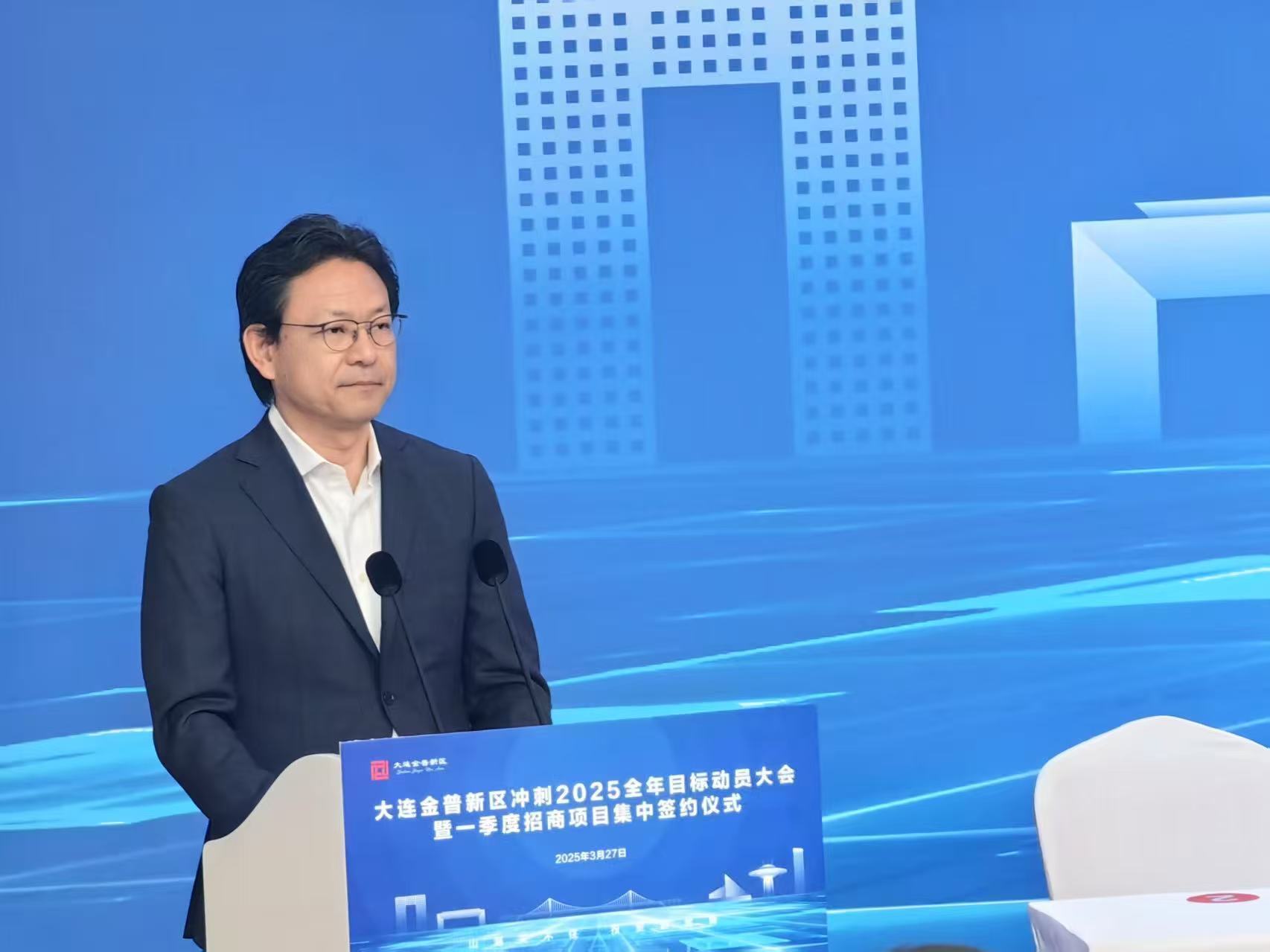
Dalian Sakabe was invited to participate in the Dalian investment promotion project ceremony
On March 27, 2025, Dalian Sakabe, as an advanced foreign-funded enterprise in Dalian, was invited to participate in the investment promotion project ceremony of Dalian China.
2025/04/01
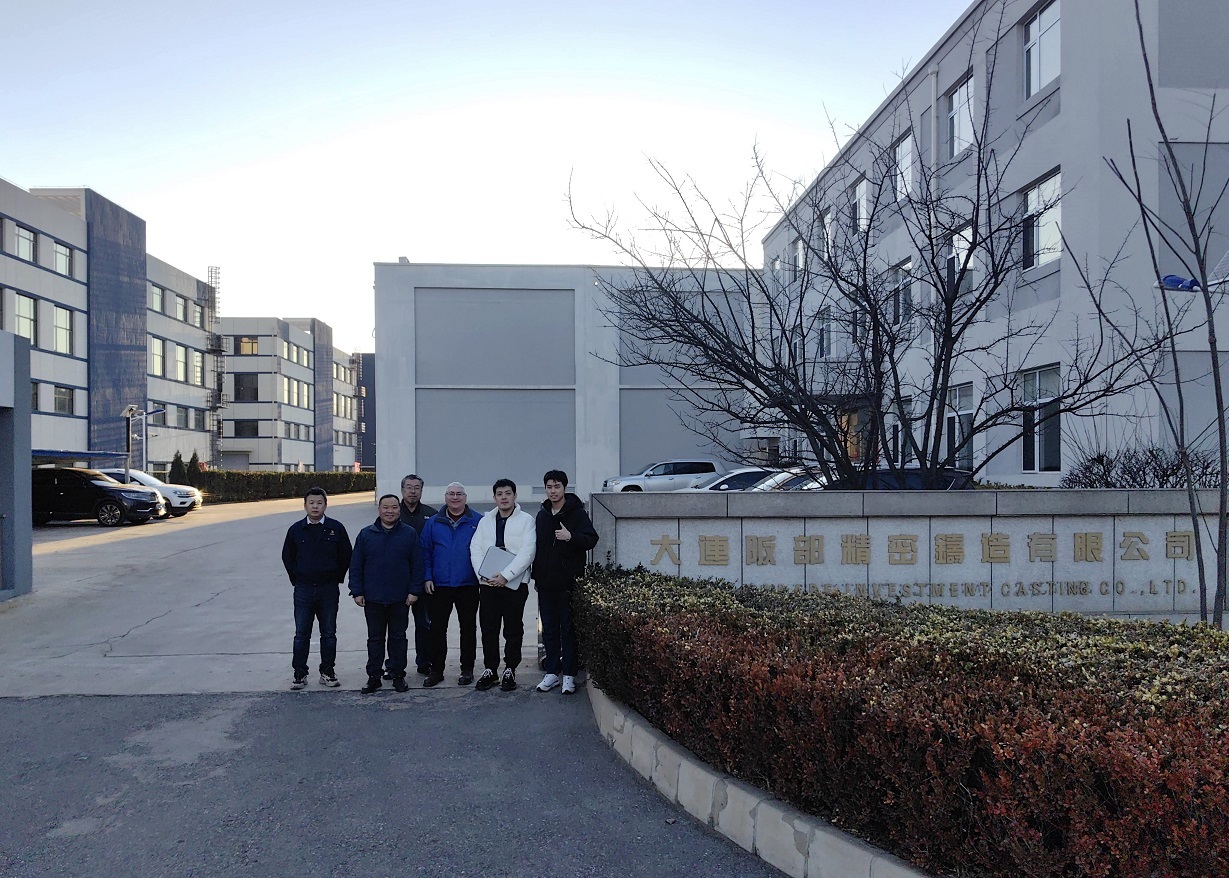
It is pleased that partner NME come to visit us Sakabe foundry
It is pleased that partner NME come to visit us Sakabe foundry. We share the same philosophy about quality standards, product positioning, environmental protection, and sustainable development. It's lucky to meet like-minded partners!
2025/02/19
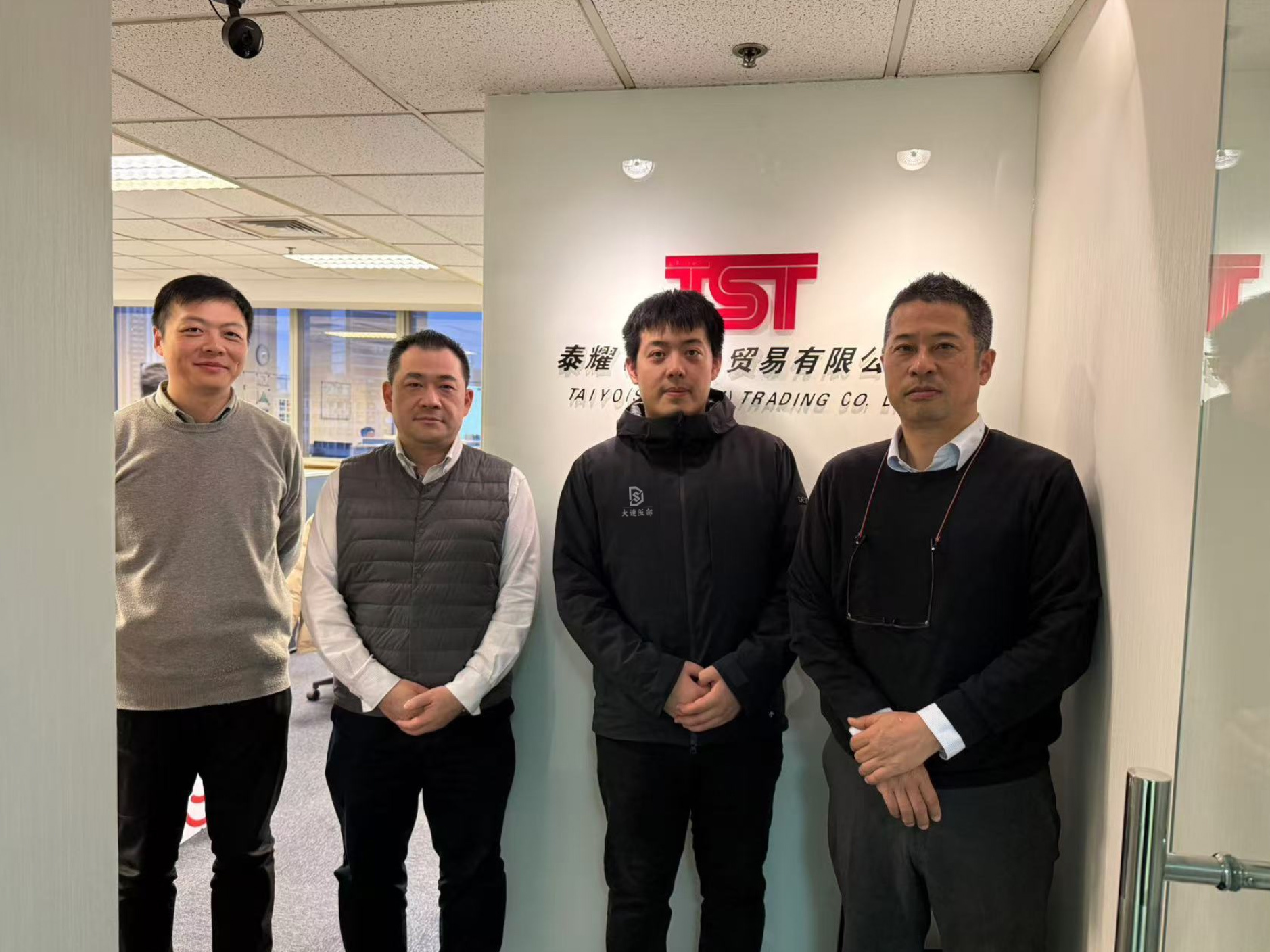
Great meeting with partner in Shanghai
Dalian Sakabe paying visit to our partner TST in Shanghai. Had discussions and plans for long term co-operation. Great thanks for your support!
2025/01/02
CONTACT US
Tel: +86 136-5494-1611
E-mail: alexzheng@sakabe.cn
Office Address:
No.18 Dongbei Qi Street, Jinpu New Area, Dalian, Liaoning, China
Factory Address:
No.26 Fuan Street, Jinpu New Area, Dalian, Liaoning, China
