


In the manufacturing of food machinery, casting parts play a pivotal role in ensuring the durability and functionality of the equipment. The process of creating casting parts involves several critical steps, from material selection to mold design, which are essential for achieving optimal outcomes.
**Material Selection and Quality Assurance**
Selecting the right materials is crucial when producing casting parts for food machinery. Common materials include aluminum, stainless steel, and various alloys, each offering unique benefits in terms of strength, weight, and corrosion resistance. For food applications, it is essential to ensure that all materials meet safety and hygiene standards to prevent contamination. Conducting thorough quality control checks throughout the manufacturing process is important to guarantee that the casting parts will endure the operational demands of food processing environments.
**Design Considerations**
The design of the casting parts significantly impacts their performance and longevity. Engineers must focus on creating designs that minimize stress concentrations and promote efficient flow of molten metal during the casting process. Utilizing computer-aided design (CAD) software can streamline this phase by enabling precise modeling and simulation. Additionally, incorporating features like draft angles and fillets can enhance moldability, reduce waste, and ensure uniform thickness, all of which contribute to the overall quality of the casting parts.
**Technological Advancements**
Emerging technologies in the casting process, such as 3D printing and advanced mold-making techniques, are revolutionizing the production of food machinery casting parts. 3D printing allows for rapid prototyping and the creation of complex geometries that traditional methods might not accommodate. This capability not only speeds up the design phase but also reduces the material waste associated with conventional machining processes. Meanwhile, advancements in automated molding systems can improve accuracy and consistency in production, leading to enhanced operational efficiency.
**Sustainability Practices**
In today's manufacturing landscape, sustainability is becoming increasingly important. Implementing eco-friendly practices in the production of food machinery casting parts can not only reduce the environmental impact but also lower costs. Strategies can include recycling scrap materials, using energy-efficient processes, and adopting water conservation measures during cleaning and cooling stages.
In conclusion, optimizing the production of food machinery casting parts requires a multifaceted approach that includes careful material selection, thoughtful design, the integration of advanced technologies, and a commitment to sustainability. By focusing on these key areas, manufacturers can enhance the efficiency, safety, and quality of their products, ensuring they meet the rigorous demands of the food processing industry.

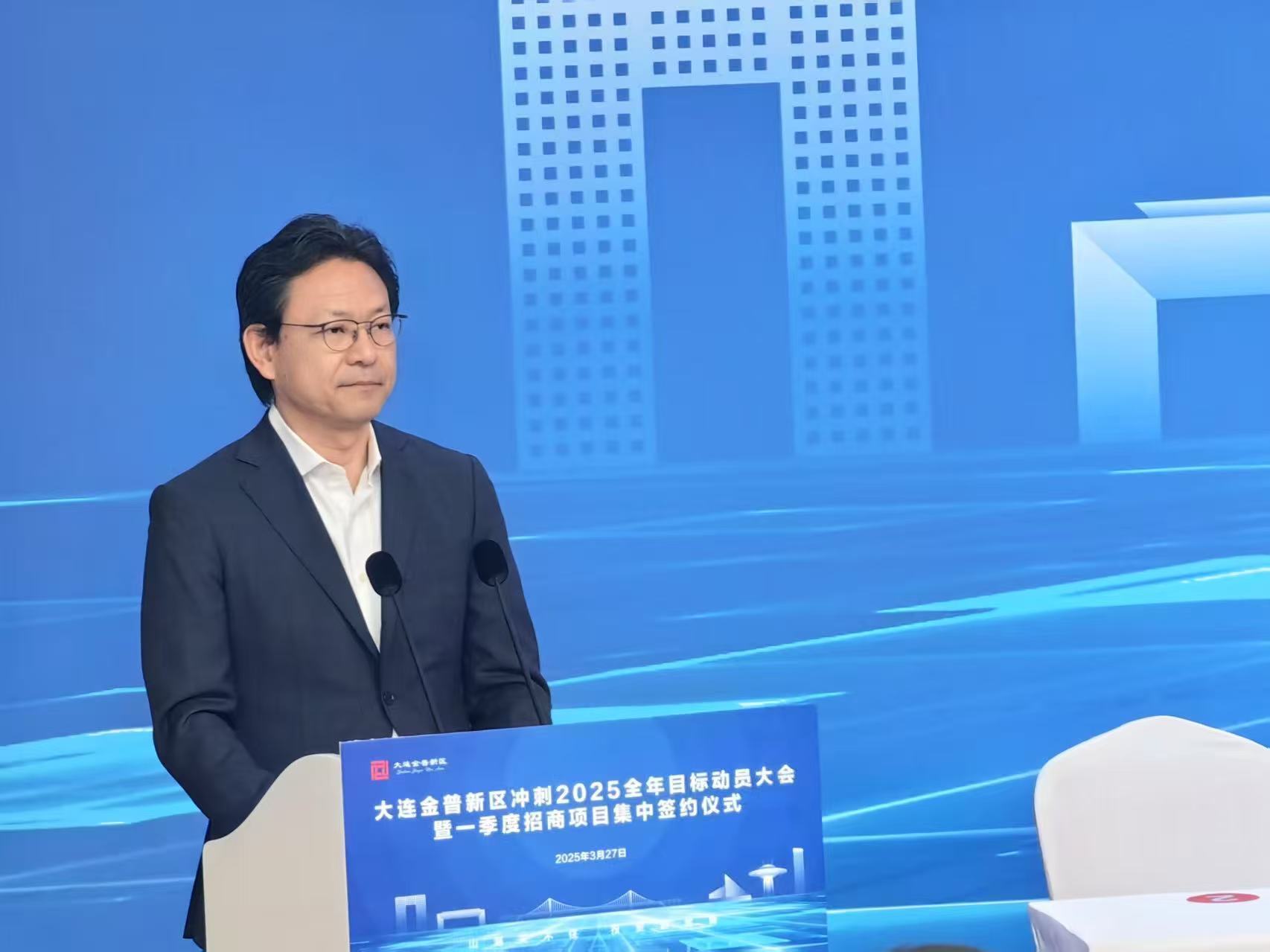
Dalian Sakabe was invited to participate in the Dalian investment promotion project ceremony
On March 27, 2025, Dalian Sakabe, as an advanced foreign-funded enterprise in Dalian, was invited to participate in the investment promotion project ceremony of Dalian China.
2025/04/01
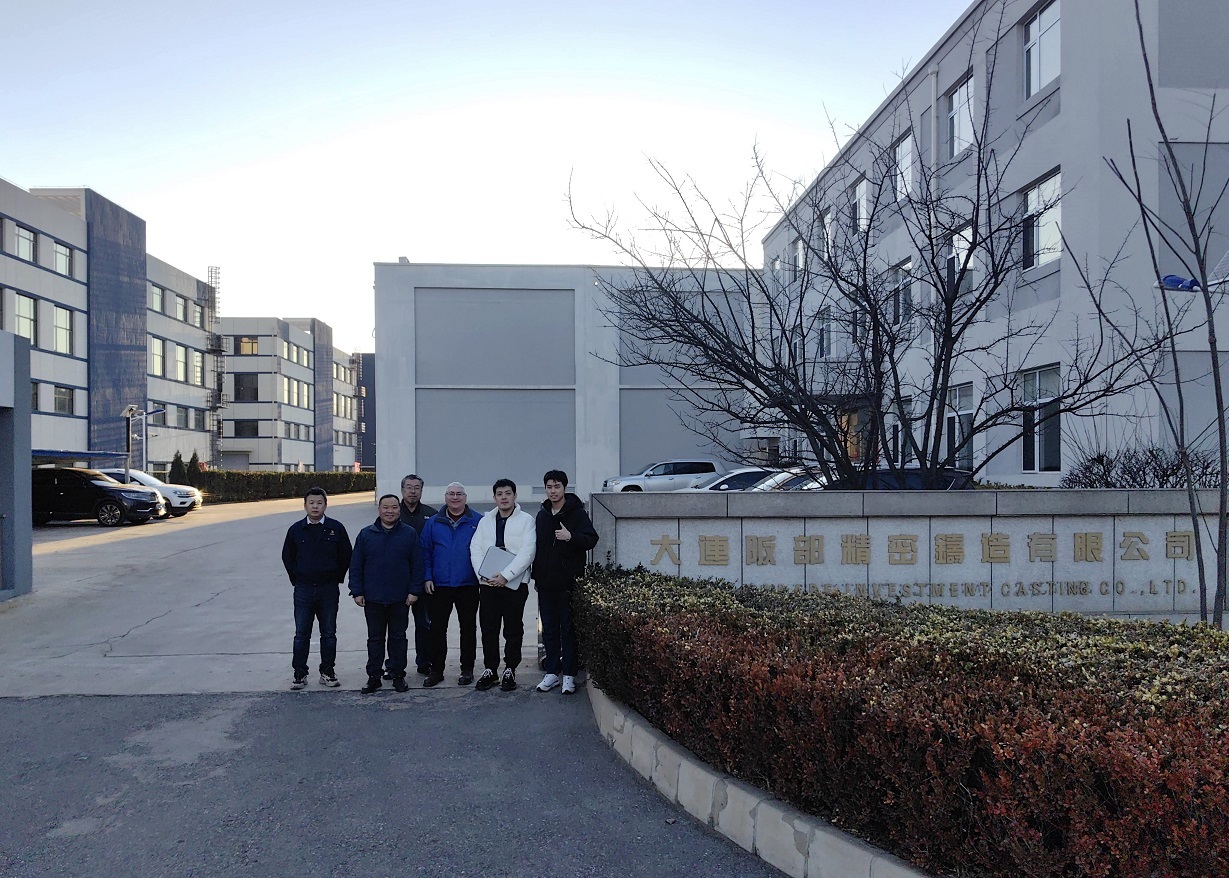
It is pleased that partner NME come to visit us Sakabe foundry
It is pleased that partner NME come to visit us Sakabe foundry. We share the same philosophy about quality standards, product positioning, environmental protection, and sustainable development. It's lucky to meet like-minded partners!
2025/02/19
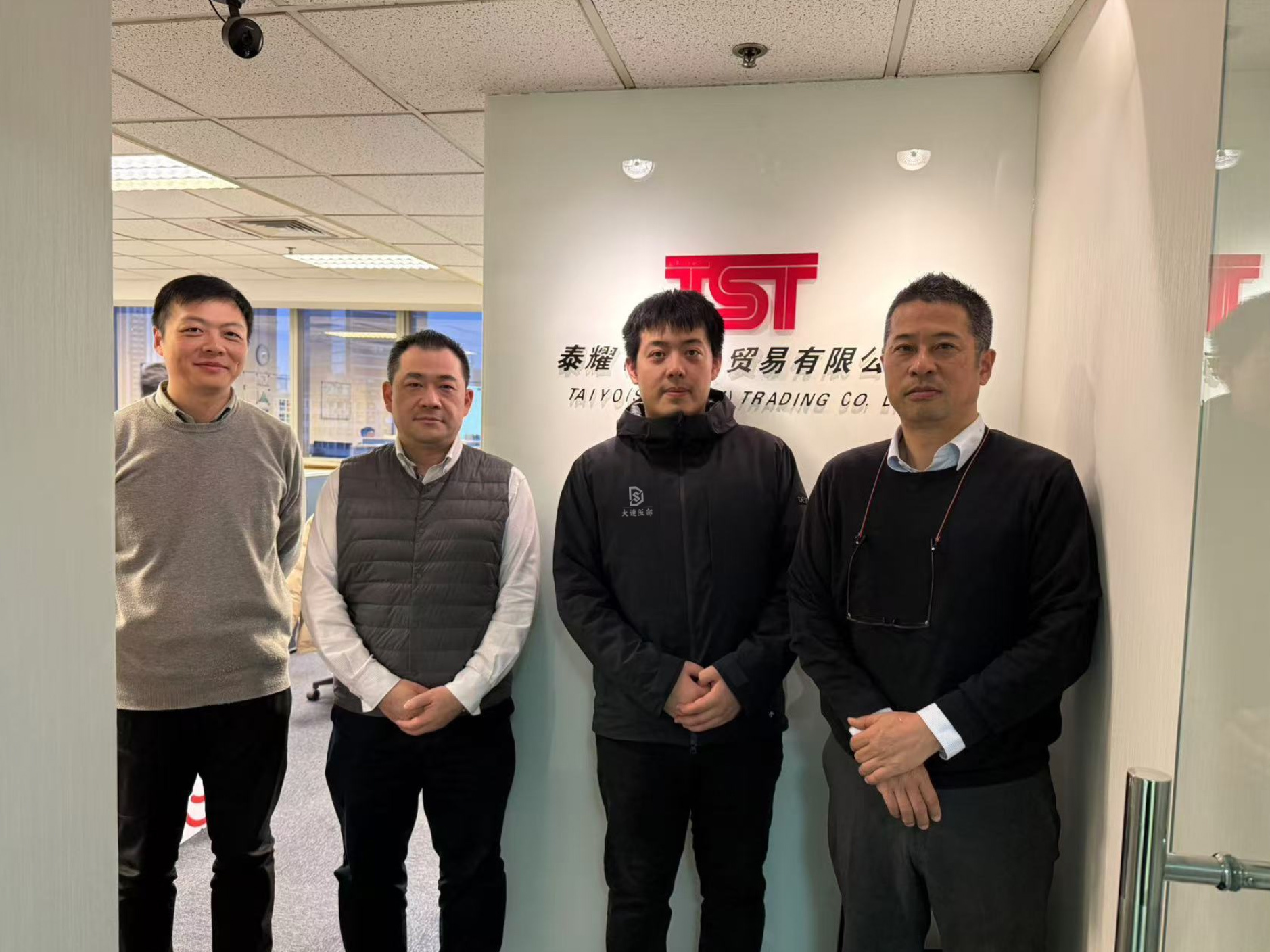
Great meeting with partner in Shanghai
Dalian Sakabe paying visit to our partner TST in Shanghai. Had discussions and plans for long term co-operation. Great thanks for your support!
2025/01/02
CONTACT US
Tel: +86 136-5494-1611
E-mail: alexzheng@sakabe.cn
Office Address:
No.18 Dongbei Qi Street, Jinpu New Area, Dalian, Liaoning, China
Factory Address:
No.26 Fuan Street, Jinpu New Area, Dalian, Liaoning, China
