

Maximizing Efficiency with Beverage Machinery Casting Parts
Introduction
In the competitive landscape of beverage manufacturing, maximizing efficiency is crucial for achieving operational excellence and profitability. One significant aspect that can elevate production performance is the use of **casting parts** in beverage machinery. These components play a vital role in ensuring that machinery operates smoothly and effectively, reducing downtime and enhancing overall productivity. This article delves into the importance of casting parts in beverage manufacturing, the latest advancements, and best practices for leveraging these components to achieve maximum efficiency.
Understanding Casting Parts in Beverage Machinery
What Are Casting Parts?
Casting parts are components produced by pouring molten metal into a mold, where it solidifies into a specific shape. This manufacturing process is prevalent in various industries, including beverage production. These parts are crucial for the assembly of machinery, as they offer durability, precision, and the ability to withstand harsh operational conditions.
The Role of Casting Parts in Beverage Machinery
In beverage machinery, casting parts serve multiple functions, including:
- **Structural Support**: Providing the necessary strength and support for various machinery components.
- **Fluid Management**: Facilitating efficient flow of liquids during production processes.
- **Temperature Regulation**: Assisting in the management of thermal conditions within the machinery.
- **Wear Resistance**: Ensuring longevity and reliability of machinery components under continuous use.
Advantages of Using Casting Parts in Beverage Machinery
1. Enhanced Durability
Casting parts are typically made from robust materials such as steel, aluminum, or alloys, providing superior durability compared to other manufacturing methods. This longevity translates to lower maintenance costs and reduced downtime for beverage machinery.
2. Cost-Effectiveness
While the initial investment in casting parts may be higher, their durability and reduced need for replacement over time contribute to lower overall costs. The efficiency gained from reduced downtime further amplifies the cost benefits.
3. Precision Engineering
Casting allows for intricate designs and precise engineering, enabling manufacturers to create components tailored to specific operational needs. This precision results in smoother machinery operation, which is vital in beverage production where consistency is key.
4. Compatibility with Advanced Technologies
Modern casting techniques, such as computer-aided design (CAD) and 3D printing, facilitate the creation of complex and customized parts that integrate seamlessly with today’s advanced beverage machinery. These innovations ensure that manufacturers can keep pace with evolving industry standards and consumer demands.
Latest Trends in Beverage Machinery Casting Parts
Green Manufacturing Practices
Sustainability is becoming increasingly important in manufacturing, including the production of casting parts. Techniques such as **recycled materials** and eco-friendly processes are gaining traction, allowing manufacturers to reduce their carbon footprint and appeal to environmentally conscious consumers.
Smart Manufacturing Solutions
The integration of **IoT (Internet of Things)** technologies in casting processes allows for real-time monitoring and analysis. This data-driven approach enables manufacturers to optimize operations, predict maintenance needs, and enhance overall efficiency in beverage machinery.
Advanced Materials and Alloys
The development of high-performance materials and specialized alloys has opened new avenues for casting parts. These materials offer enhanced properties, such as increased resistance to corrosion and wear, making them ideal for the demanding conditions of beverage production.
Best Practices for Implementing Casting Parts in Beverage Machinery
1. Conduct Thorough Research
Understanding the specific needs of your beverage production process is crucial. Conduct comprehensive research on the types of casting parts available and their compatibility with your machinery.
2. Collaborate with Reputable Suppliers
Partnering with established suppliers who specialize in beverage machinery casting parts can ensure access to high-quality components that meet industry standards. Reliability and performance should be top priorities in your selection process.
3. Regular Maintenance and Inspection
Implementing a routine maintenance schedule for your machinery can significantly prolong the lifespan of casting parts. Regular inspections help identify potential issues early, preventing costly breakdowns and ensuring uninterrupted production.
4. Invest in Employee Training
Ensuring that your team is well-trained in operating and maintaining machinery with casting parts is essential. Providing ongoing education about the latest technologies and best practices can enhance operational efficiency significantly.
5. Monitor Performance Metrics
Utilizing performance metrics can help identify areas for improvement. Metrics such as **production speed**, **downtime**, and **maintenance costs** provide valuable insights that can inform decision-making regarding casting parts and overall machinery efficiency.
Frequently Asked Questions (FAQs)
1. What materials are commonly used for casting parts in beverage machinery?
Common materials include steel, aluminum, and various alloys. These materials are chosen for their durability, wear resistance, and ability to withstand the specific demands of beverage production.
2. How do casting parts improve the efficiency of beverage production?
Casting parts enhance efficiency by providing reliable, durable components that ensure smooth operations, reduce downtime, and require less frequent replacements.
3. What are the environmental benefits of using casting parts?
Many manufacturers are adopting green practices by using recycled materials and eco-friendly processes, reducing waste and energy consumption during production.
4. How often should casting parts be inspected and maintained?
Regular inspections should be conducted as part of a maintenance schedule, typically at least once every few months, or more frequently depending on usage and operating conditions.
5. Can modern technologies be integrated into casting processes?
Yes, technologies such as IoT and advanced CAD systems can be integrated into casting processes to enhance efficiency, monitoring, and customization of parts.
Conclusion
Maximizing efficiency in beverage production through the use of casting parts is not just a trend; it is a necessity for manufacturers aiming for operational excellence. By understanding the benefits, staying informed about the latest trends, and implementing best practices, businesses can enhance their production capabilities significantly. Investing in high-quality casting parts is essential for ensuring durability, precision, and overall performance in beverage machinery, ultimately leading to increased profitability and market competitiveness. As the industry evolves, adapting to these changes will ensure that manufacturers remain at the forefront of production efficiency.

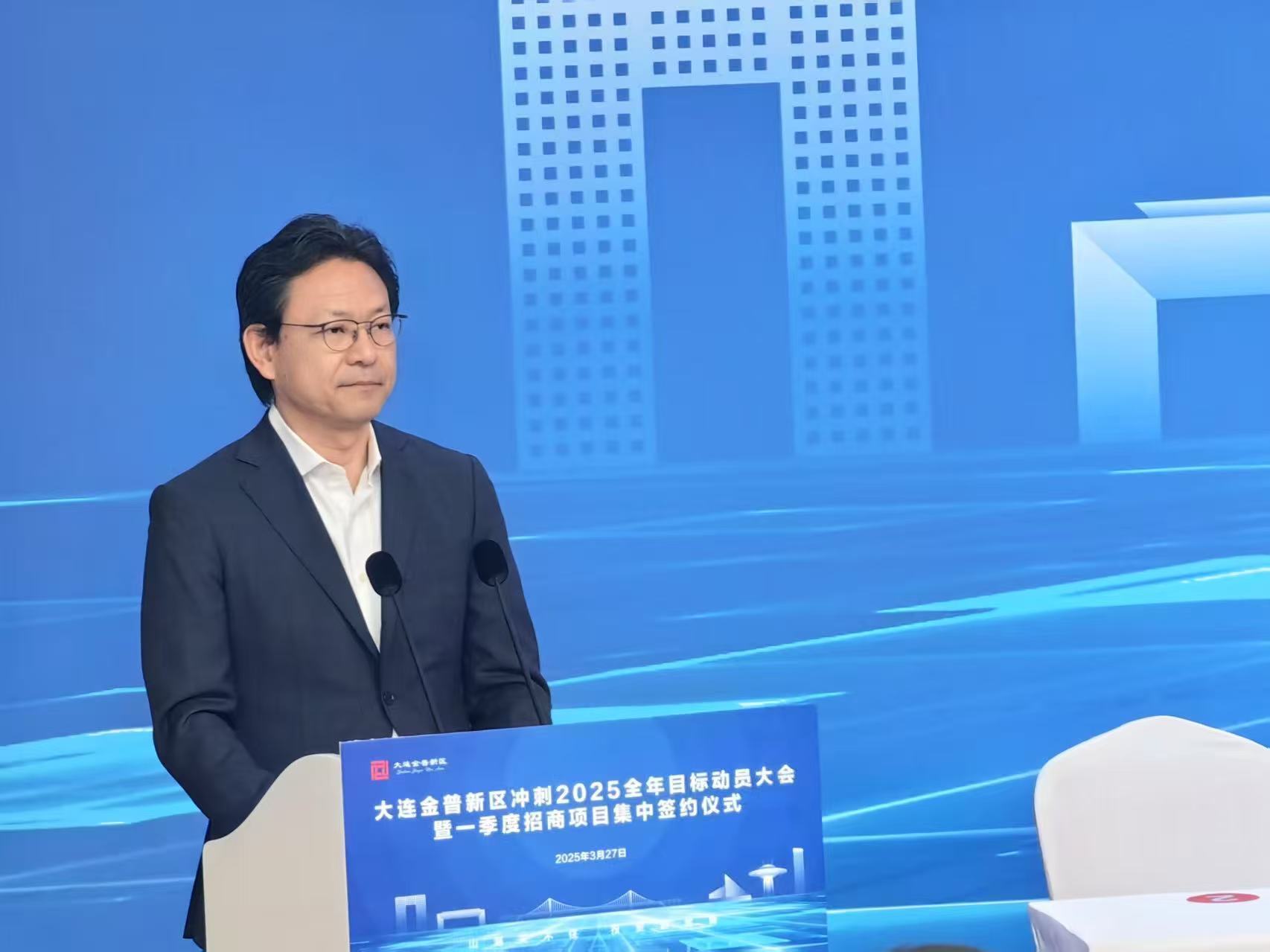
Dalian Sakabe was invited to participate in the Dalian investment promotion project ceremony
On March 27, 2025, Dalian Sakabe, as an advanced foreign-funded enterprise in Dalian, was invited to participate in the investment promotion project ceremony of Dalian China.
2025/04/01
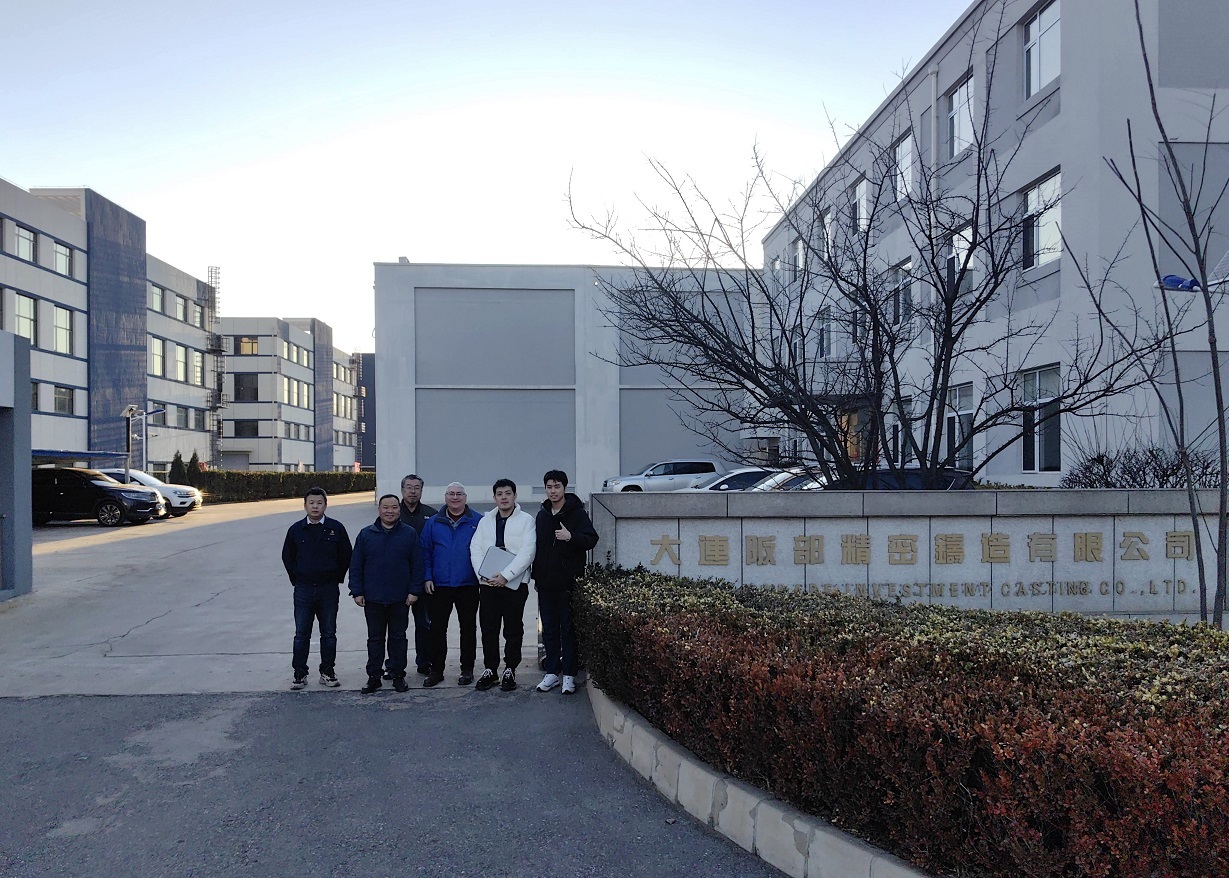
It is pleased that partner NME come to visit us Sakabe foundry
It is pleased that partner NME come to visit us Sakabe foundry. We share the same philosophy about quality standards, product positioning, environmental protection, and sustainable development. It's lucky to meet like-minded partners!
2025/02/19
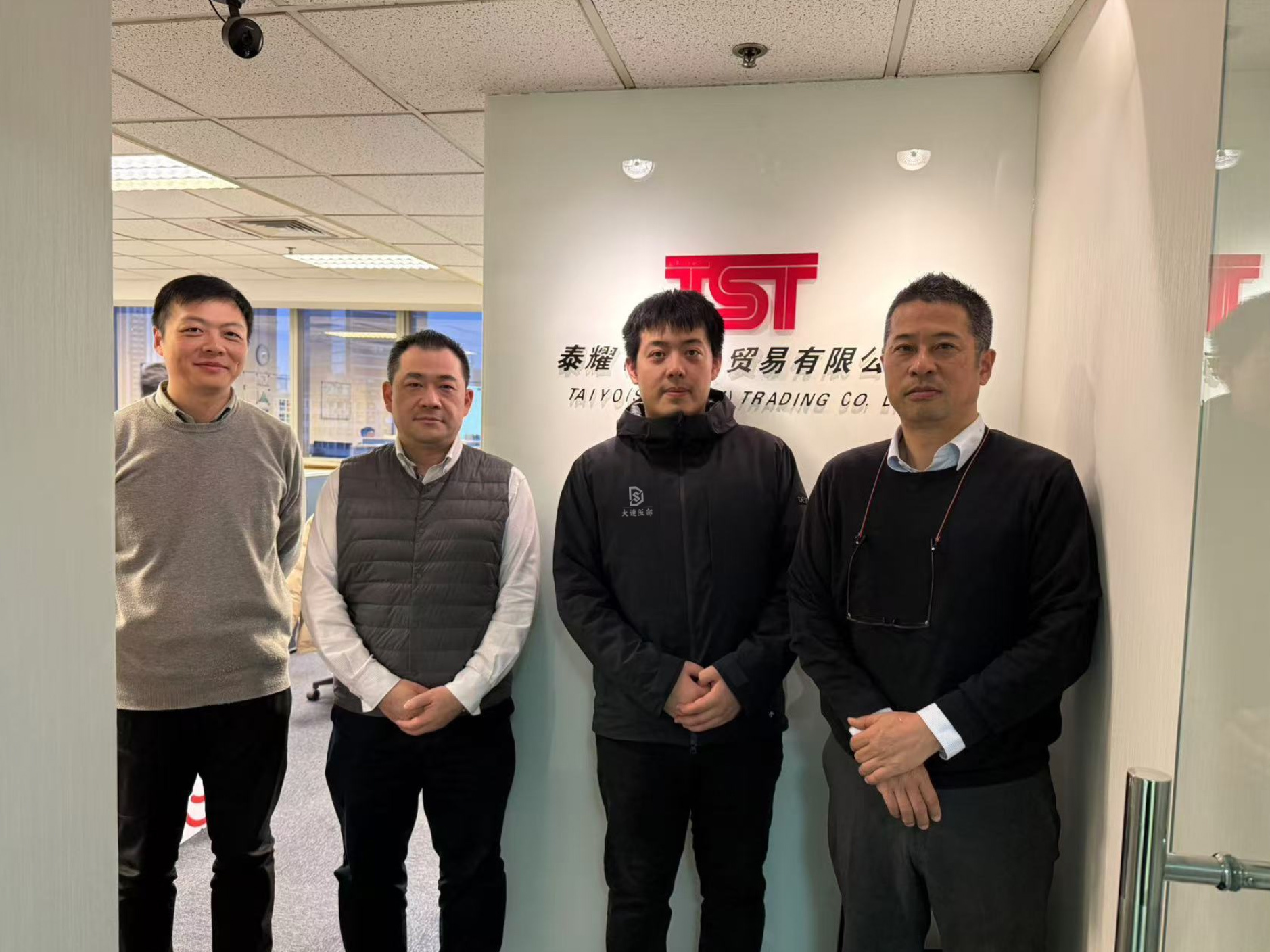
Great meeting with partner in Shanghai
Dalian Sakabe paying visit to our partner TST in Shanghai. Had discussions and plans for long term co-operation. Great thanks for your support!
2025/01/02
CONTACT US
Tel: +86 136-5494-1611
E-mail: alexzheng@sakabe.cn
Office Address:
No.18 Dongbei Qi Street, Jinpu New Area, Dalian, Liaoning, China
Factory Address:
No.26 Fuan Street, Jinpu New Area, Dalian, Liaoning, China
