

Exploring the Benefits of Die-Casting in Sewing Machine Manufacturing
Table of Contents
- 1. Introduction to Die-Casting
- 2. The Role of Die-Casting in Manufacturing
- 3. Advantages of Die-Casting in Sewing Machines
- 3.1 Cost Efficiency and High Production Rates
- 4. The Die-Casting Process Explained
- 5. Applications of Die-Casting in Sewing Machine Parts
- 6. Challenges and Considerations in Die-Casting
- 7. Future Trends in Die-Casting for Sewing Machines
- 8. Conclusion
- 9. Frequently Asked Questions (FAQs)
1. Introduction to Die-Casting
Die-casting is a manufacturing process that involves forcing molten metal into a mold under high pressure. This method is widely used in various industries, particularly in the production of complex parts with precise dimensions. In the realm of sewing machine manufacturing, die-casting has emerged as a game-changer, providing manufacturers with innovative solutions that enhance efficiency, reduce waste, and improve product quality.
2. The Role of Die-Casting in Manufacturing
As a cornerstone technique in modern manufacturing, die-casting facilitates the production of intricate and sturdy components. It enables the mass production of parts that meet stringent quality standards while maintaining cost-effectiveness. In sewing machine manufacturing, where precision and reliability are paramount, die-casting offers significant advantages over traditional methods such as machining and stamping.
3. Advantages of Die-Casting in Sewing Machines
The benefits of die-casting in sewing machine manufacturing are multifaceted and can greatly influence production efficiency and product quality.
3.1 Cost Efficiency and High Production Rates
Die-casting allows for the rapid production of high-quality components, significantly reducing labor and material costs. With quick turnaround times, manufacturers can produce large quantities of sewing machine parts in a short period, leading to lower overall production costs. This process minimizes waste by optimizing material usage and reducing the need for secondary operations.
3.2 Enhanced Precision and Quality
One of the most significant advantages of die-casting is the high level of precision it offers. Components produced through this method exhibit excellent dimensional accuracy, which is crucial for the seamless operation of sewing machines. The consistent quality of die-cast parts ensures that manufacturers can meet stringent performance criteria and customer expectations.
3.3 Material Versatility
Die-casting is compatible with a wide range of metals, including aluminum, zinc, and magnesium. This versatility allows manufacturers to select materials that best suit the specific requirements of sewing machine components. Whether it's for lightweight designs or durability, die-casting can accommodate various material properties to enhance the final product.
3.4 Environmental Sustainability
In an era where sustainability is paramount, die-casting shines as an environmentally friendly option. The process generates minimal waste, and the metal scrap produced can often be recycled. Moreover, die-casting contributes to energy efficiency by reducing the need for extensive machining operations, which can be energy-intensive.
4. The Die-Casting Process Explained
The die-casting process involves several critical steps that ensure the production of high-quality components.
1. **Mold Creation**: Initially, a die (mold) is created, typically from steel or iron, which is designed to withstand the high pressures involved in the process.
2. **Melting Metal**: The selected metal is heated until it reaches a molten state, preparing it for injection into the mold.
3. **Injection**: The molten metal is injected into the mold under high pressure, filling the cavity to create the desired shape.
4. **Cooling**: The metal is allowed to cool and solidify within the mold, taking on its final form.
5. **Ejection**: Once cooled, the newly formed part is ejected from the mold, often requiring minimal finishing work.
This streamlined process allows for the efficient production of complex shapes, making it ideal for sewing machine components.
5. Applications of Die-Casting in Sewing Machine Parts
Die-casting finds its application in various sewing machine components, enhancing functionality and performance. Key parts that benefit from this process include:
- **Gear Cases**: Providing strength and durability while minimizing weight.
- **Frames**: Offering structural integrity to withstand operational stresses.
- **Motor Housings**: Ensuring optimal thermal conductivity and protection for motors.
- **Connectors and Joints**: Enhancing assembly precision and reliability.
These applications highlight the versatility of die-casting in producing critical parts that contribute to the overall performance of sewing machines.
6. Challenges and Considerations in Die-Casting
While die-casting offers numerous advantages, it’s essential to consider some challenges associated with the process.
- **Initial Tooling Costs**: The upfront investment in molds can be high, potentially deterring smaller manufacturers.
- **Design Limitations**: Certain intricate designs may be challenging to produce through die-casting, necessitating careful planning and engineering.
- **Quality Control**: Maintaining consistent quality standards requires rigorous testing and quality assurance processes.
Addressing these challenges is vital for manufacturers to fully leverage the benefits of die-casting in sewing machine production.
7. Future Trends in Die-Casting for Sewing Machines
The future of die-casting in sewing machine manufacturing looks promising, with several trends shaping its evolution.
- **Automation**: Increased automation in die-casting processes can enhance efficiency, reduce labor costs, and improve precision.
- **Advanced Materials**: The exploration of new alloys and composites can lead to the production of lighter, stronger components.
- **Sustainability Initiatives**: As the industry shifts towards greener practices, innovations in recycling and waste management will likely enhance die-casting’s sustainability profile.
These trends indicate a bright future for die-casting, positioning it as a vital component in the sewing machine manufacturing landscape.
8. Conclusion
Die-casting stands out as a transformative process in the sewing machine manufacturing sector, providing numerous advantages, including cost efficiency, enhanced precision, and material versatility. As manufacturers increasingly recognize the value of this technique, the potential for innovation and sustainability continues to grow. Embracing die-casting not only improves production efficiency but also paves the way for the development of high-quality sewing machines that meet the demands of today’s market.
9. Frequently Asked Questions (FAQs)
What is die-casting?
Die-casting is a manufacturing process that involves forcing molten metal into a mold at high pressure to produce precise and complex components.
What are the advantages of die-casting in sewing machine manufacturing?
Die-casting offers numerous benefits, including cost efficiency, high production rates, enhanced precision, material versatility, and environmental sustainability.
What materials are commonly used in die-casting for sewing machines?
Commonly used materials in die-casting include aluminum, zinc, and magnesium, each chosen for their specific properties suited to sewing machine components.
What challenges does die-casting face in manufacturing?
Challenges include initial tooling costs, design limitations, and the need for rigorous quality control to ensure consistent product quality.
What future trends are expected in die-casting for sewing machines?
Future trends include increased automation, the exploration of advanced materials, and a focus on sustainability initiatives within the die-casting process.
By understanding and leveraging the advantages of die-casting, manufacturers can significantly improve their production processes and deliver high-quality sewing machines that meet the evolving needs of consumers.

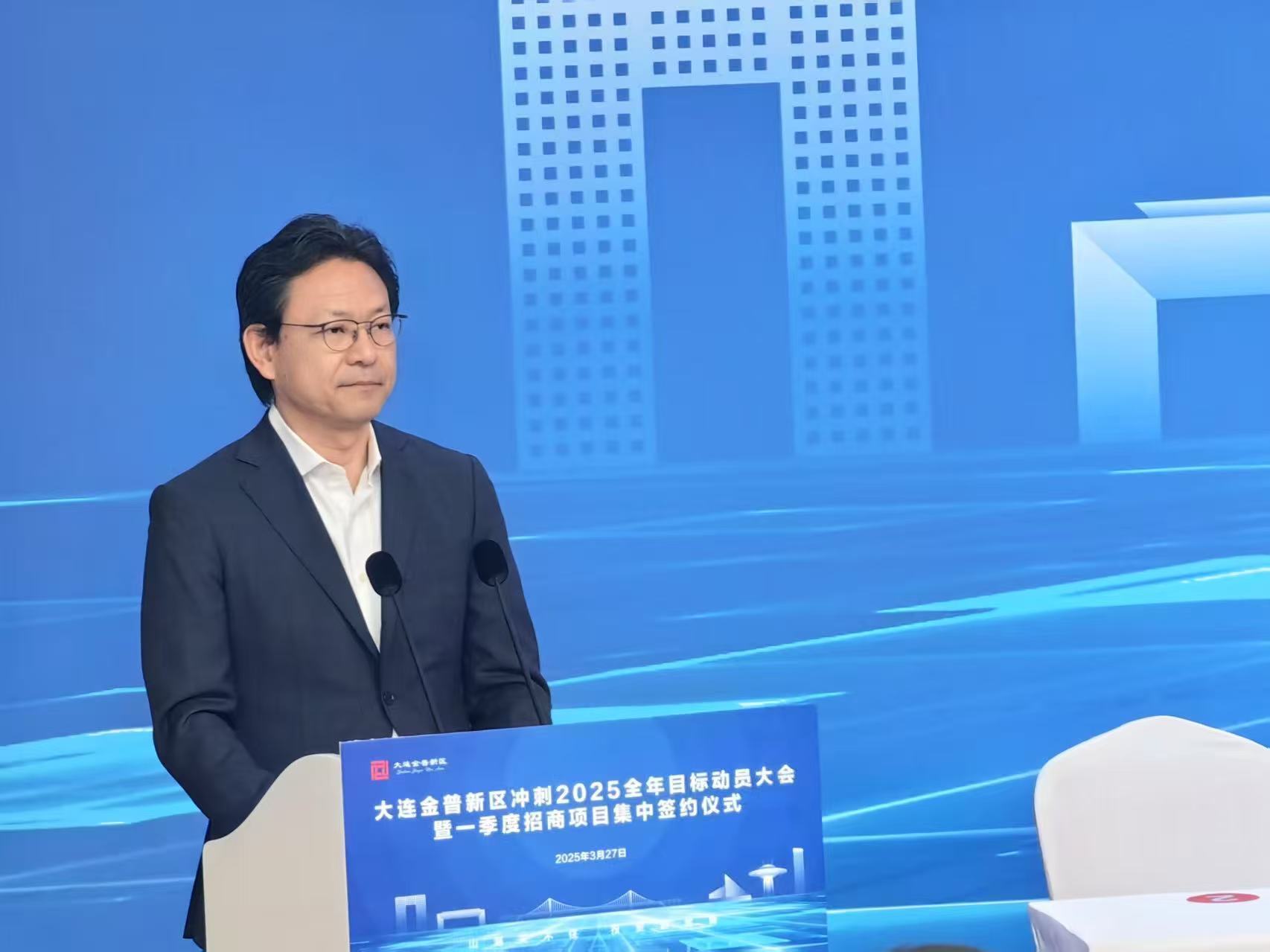
Dalian Sakabe was invited to participate in the Dalian investment promotion project ceremony
On March 27, 2025, Dalian Sakabe, as an advanced foreign-funded enterprise in Dalian, was invited to participate in the investment promotion project ceremony of Dalian China.
2025/04/01
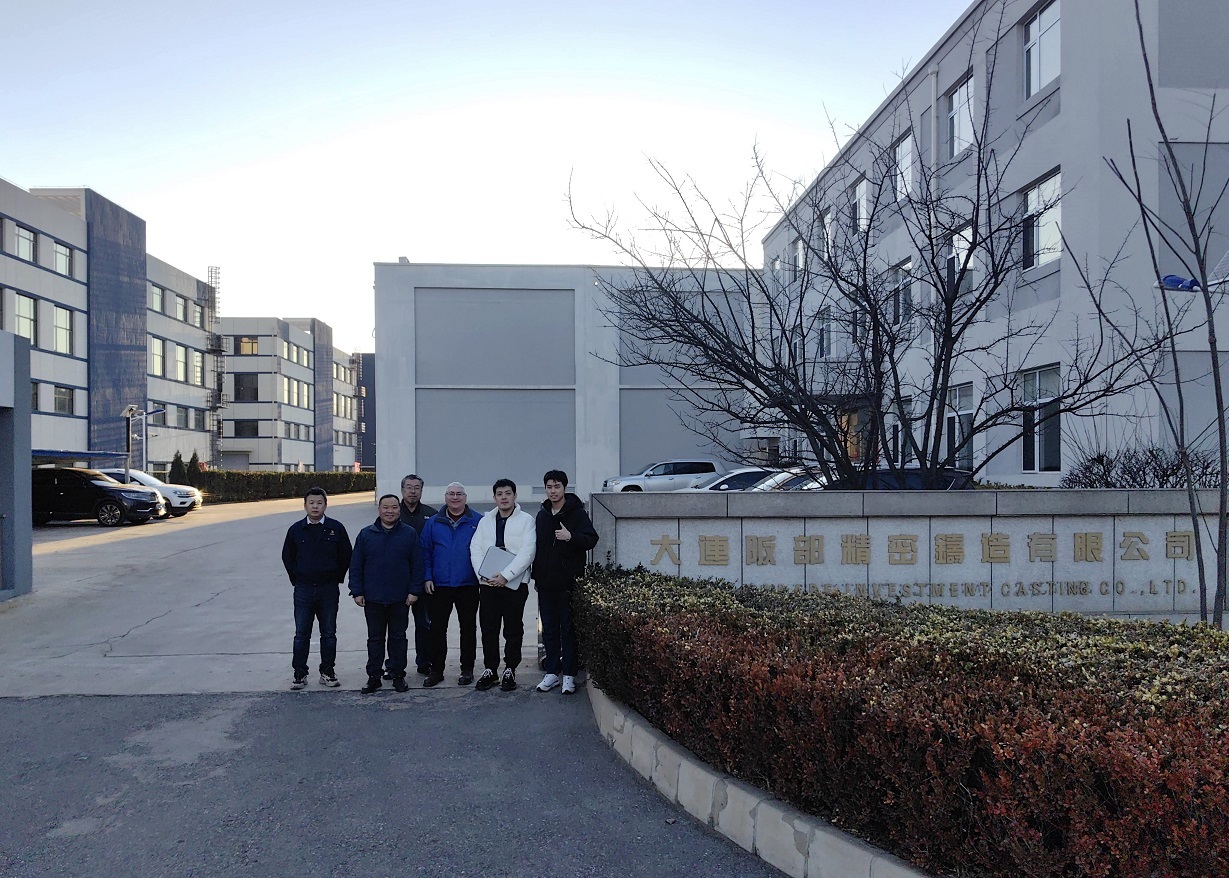
It is pleased that partner NME come to visit us Sakabe foundry
It is pleased that partner NME come to visit us Sakabe foundry. We share the same philosophy about quality standards, product positioning, environmental protection, and sustainable development. It's lucky to meet like-minded partners!
2025/02/19
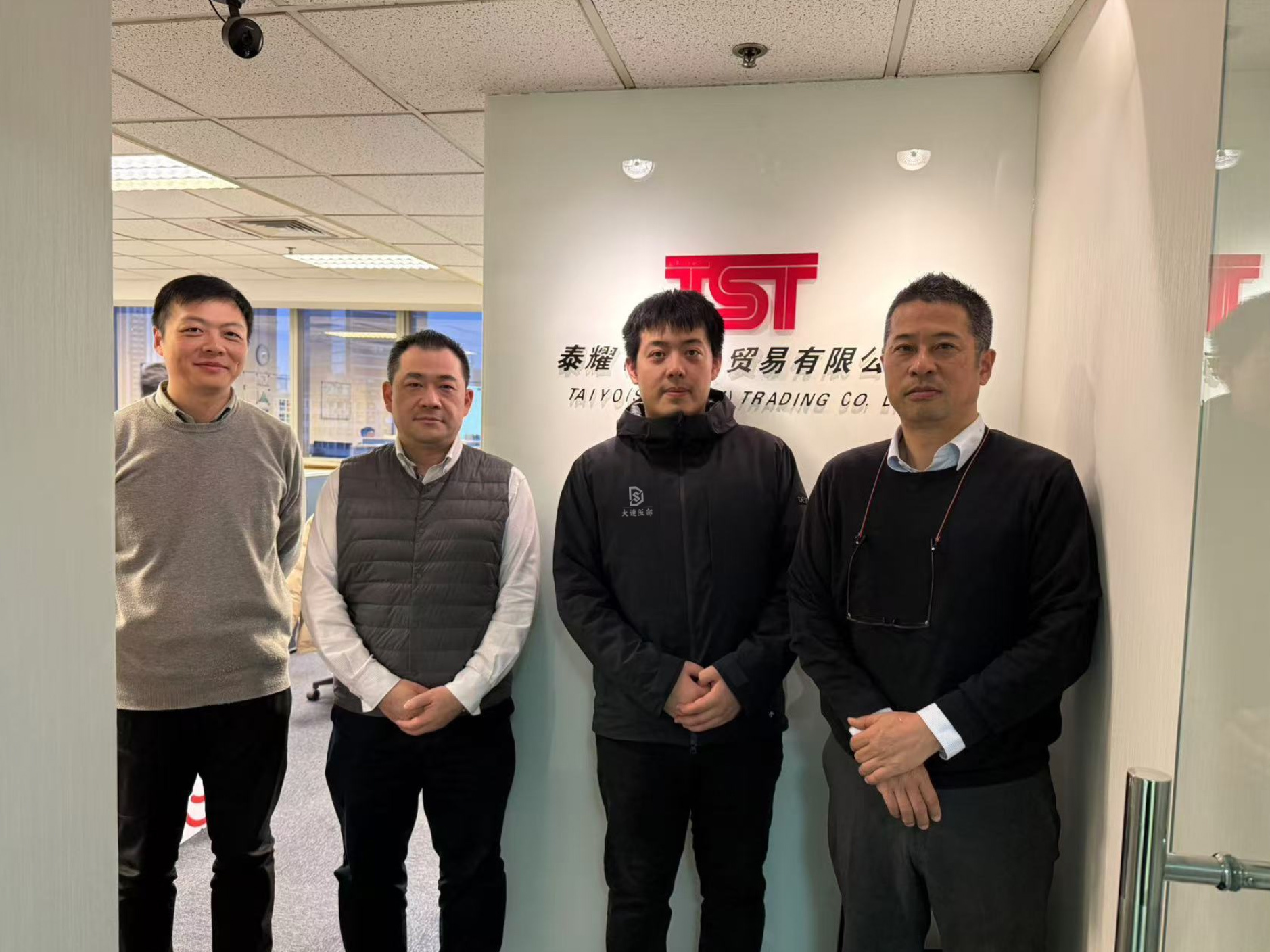
Great meeting with partner in Shanghai
Dalian Sakabe paying visit to our partner TST in Shanghai. Had discussions and plans for long term co-operation. Great thanks for your support!
2025/01/02
CONTACT US
Tel: +86 136-5494-1611
E-mail: alexzheng@sakabe.cn
Office Address:
No.18 Dongbei Qi Street, Jinpu New Area, Dalian, Liaoning, China
Factory Address:
No.26 Fuan Street, Jinpu New Area, Dalian, Liaoning, China
