


Fluid chemical equipment refers to devices and systems used to handle chemicals in liquid form, often involving processes such as mixing, controlling flow, and maintaining temperature. When it comes to die-casting parts, these components are designed to withstand the rigors of handling aggressive substances while ensuring safety and reliability. The durability and precision of die-casting parts are crucial; they must not only fit perfectly into fluid systems but also maintain their integrity under challenging operational conditions.
One of the key advantages of utilizing die-casting parts in fluid chemical equipment is their ability to enhance production efficiency. The rapid cycle times associated with die-casting mean that manufacturers can produce large volumes of parts quickly, reducing lead times and operational costs. Additionally, the consistency achieved through this process minimizes the variability that can occur with other manufacturing methods, ensuring that each part meets stringent quality standards.
Moreover, the versatility of die-casting allows for the use of a wide range of alloys and materials. This flexibility enables manufacturers to select the most appropriate materials for their specific applications, whether they require lightweight components or parts that can withstand high temperatures and corrosive environments. The result is a tailored solution that enhances the performance and longevity of fluid chemical equipment.
In conclusion, fluid chemical equipment die-casting parts are indispensable in the manufacturing landscape. Their precision engineering, efficiency in production, and adaptability to various materials make them a preferred choice for manufacturers aiming to optimize performance and safety in their operations. Understanding the role and benefits of these parts can help businesses make informed decisions about their production processes, ensuring they remain competitive in a rapidly evolving market. By leveraging the advantages of die-casting technology, manufacturers can achieve not only cost savings but also improved product quality, ultimately leading to greater customer satisfaction.
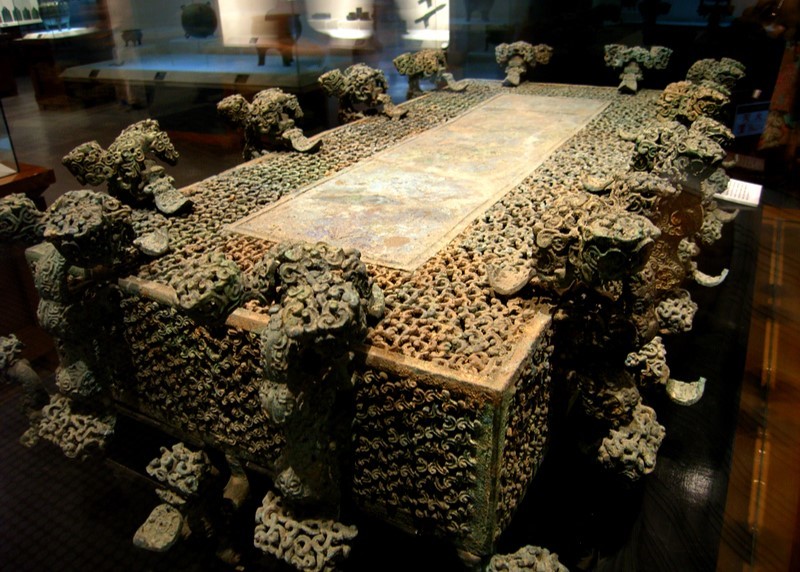
Introduction to investment casting manufacturing technique
Investment casting, also known as wax loss casting, is a long-standing metal forming process. The copper ban during the Spring and Autumn period in China was the earliest known lost wax casting method. The first step is to make a mold, using the mold to inject liquid wax into the mold to form a wax mold. Then, the wax mold is pasted into a pouring system according to the casting process, and the entire pouring system is made into a silica sol shell. After dewaxing, the entire shell becomes a cavity, and the cavity shell can be poured with molten steel after calcination. After cooling, the steel material product is formed. Subsequently, through processes such as cutting and grinding, sandblasting, heat treatment, correction, welding repair, electroplating, and machining, the cast products required by the customer are formed.
2024/10/08

Dalian is a beautiful coastal city in Northeast China, with beautiful scenery and pleasant climate. It is an important industrial production base, an international shipping center in Northeast Asia.
2024/07/11
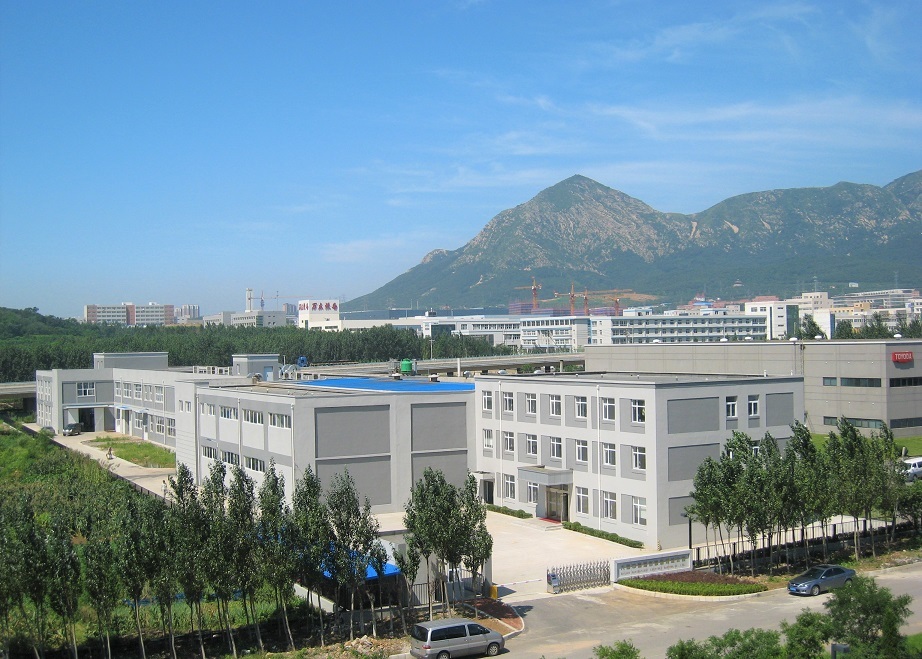
Dalian Sakabe has own foundry factory and focus on providing high-quality precision casting products to domestic and foreign customers since its establishment in 2005.
2024/10/08
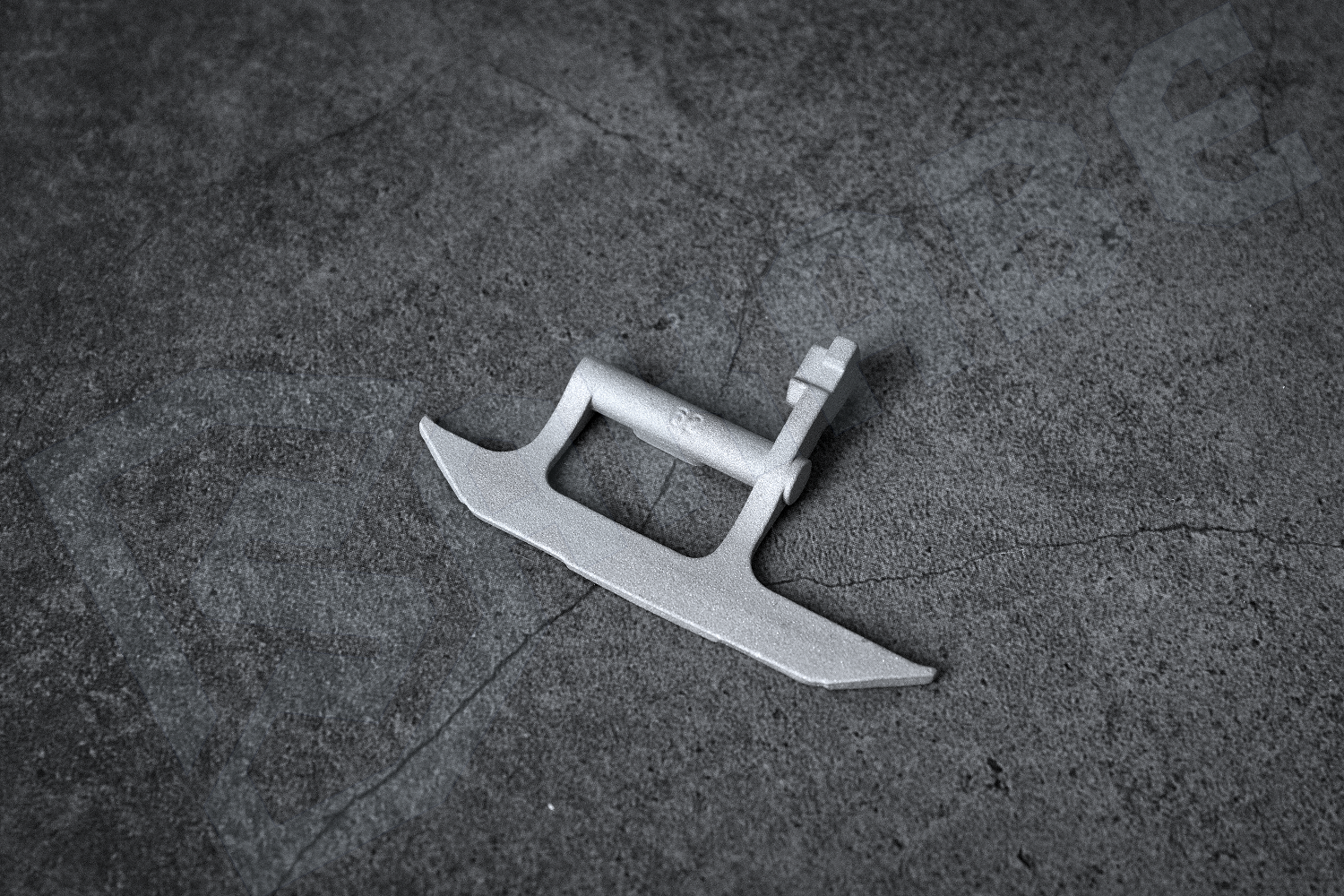
The Crucial Role of Casting Material Trays in Advanced Manufacturing
In the ever-evolving landscape of manufacturing, optimizing heat treatment processes through the strategic use of casting material trays is paramount
2025/09/19
CONTACT US
Tel: +86 136-5494-1611
E-mail: alexzheng@sakabe.cn
Office Address:
No.18 Dongbei Qi Street, Jinpu New Area, Dalian, Liaoning, China
Factory Address:
No.26 Fuan Street, Jinpu New Area, Dalian, Liaoning, China
