

Unlocking Precision: The Role of Flowmeter Die-Casting Parts in Modern Manufacturing
Table of Contents
- 1. Introduction to Flowmeter Die-Casting
- 2. Importance of Flowmeter Die-Casting Parts in Manufacturing
- 3. How Flowmeters Work in Die-Casting
- 4. Advantages of Using Flowmeter Die-Casting Parts
- 5. Technologies Behind Flowmeter Die-Casting
- 6. Applications of Flowmeter Die-Casting Parts
- 7. Future Trends in Die-Casting and Flowmeter Technologies
- 8. Frequently Asked Questions (FAQs)
- 9. Conclusion
1. Introduction to Flowmeter Die-Casting
In the realm of modern manufacturing, precision is paramount. As industries evolve, the demand for accurate measurement and control has led to the integration of advanced components like flowmeter die-casting parts. These parts play a crucial role in enhancing operational efficiency and ensuring product consistency. Understanding these components is essential for manufacturers striving to remain competitive in a rapidly changing market.
2. Importance of Flowmeter Die-Casting Parts in Manufacturing
Flowmeter die-casting parts are integral to the production process in various sectors, including automotive, aerospace, and electronics. Their importance cannot be overstated, as they contribute to:
- **Accuracy in Fluid Measurement**: Accurate measurement of fluids is critical in manufacturing processes. Flowmeters help ensure that the right amount of material is used, which is vital for quality control.
- **Process Optimization**: By providing real-time data, flowmeters enable manufacturers to optimize their processes, leading to improved productivity and reduced downtime.
3. How Flowmeters Work in Die-Casting
Flowmeters operate on various principles, depending on the technology employed. Here’s a brief overview of how they function within die-casting applications:
- **Measurement Principle**: Flowmeters can be based on volume, mass, or velocity. The most common types used in die-casting include electromagnetic, ultrasonic, and mechanical flowmeters.
- **Integration with Die-Casting Machines**: Flowmeters are integrated into die-casting machines to monitor and control the flow of molten metal. This ensures that the right amount of material is injected into the mold, which is critical for achieving the desired product specifications.
4. Advantages of Using Flowmeter Die-Casting Parts
The implementation of flowmeter die-casting parts brings numerous advantages, making them indispensable in modern manufacturing.
4.1 Precision Measurement
Precision is a critical factor in the manufacturing process. Flowmeters provide high-accuracy measurements that are essential for ensuring that the right amount of material is used, reducing the chances of defects and rework.
4.2 Enhanced Efficiency
By offering real-time data, flowmeters enable manufacturers to streamline their production processes. This leads to faster cycles, reduced waste, and improved overall efficiency.
4.3 Waste Reduction
One of the key benefits of using flowmeter die-casting parts is the significant reduction in waste. Accurate measurement and control minimize excess material usage, leading to cost savings and a more sustainable production process.
5. Technologies Behind Flowmeter Die-Casting
The technologies used in flowmeter die-casting are continuously evolving, driven by the need for greater accuracy and efficiency. Here are some of the latest innovations:
- **Electromagnetic Flowmeters**: These devices measure the flow of conductive liquids using electromagnetic fields. They are highly accurate and ideal for applications involving molten metals.
- **Ultrasonic Flowmeters**: Utilizing sound waves to measure fluid velocity, ultrasonic flowmeters offer non-intrusive measurement, making them suitable for sensitive processes.
- **Mass Flowmeters**: These devices measure the mass flow rate of fluids, providing precise data essential for applications where material consistency is critical.
6. Applications of Flowmeter Die-Casting Parts
Flowmeter die-casting parts find applications across various industries, each benefiting from enhanced precision and efficiency:
- **Automotive Manufacturing**: In automotive production, precise measurements of lubricants and coolants are vital for machine operation and product longevity.
- **Aerospace Engineering**: Flowmeters ensure that the correct amount of fuel and hydraulic fluids are used, which is crucial for safety and performance.
- **Electronics Production**: In the electronics industry, accurate measurement of materials helps maintain the integrity of delicate components.
7. Future Trends in Die-Casting and Flowmeter Technologies
As the manufacturing landscape continues to evolve, several trends are shaping the future of die-casting and flowmeter technologies:
- **Integration of IoT**: The Internet of Things (IoT) is set to revolutionize manufacturing processes by allowing for greater connectivity and data analytics. Flowmeters integrated with IoT technology will enable real-time monitoring and predictive maintenance.
- **Sustainability Initiatives**: With increasing emphasis on sustainability, manufacturers are looking for ways to reduce energy consumption and waste. Flowmeter technologies that promote resource efficiency will become increasingly important.
- **Advanced Materials**: The development of new materials that can withstand higher temperatures and pressures will enhance the performance of die-casting parts and flowmeters.
8. Frequently Asked Questions (FAQs)
1. What are flowmeter die-casting parts?
Flowmeter die-casting parts are components used to measure and control the flow of liquids in manufacturing processes, particularly in die-casting applications. They ensure accurate material measurement for quality control.
2. How do flowmeters enhance precision in manufacturing?
Flowmeters provide real-time data on fluid flow, which allows for accurate adjustments in the manufacturing process, reducing the risk of defects and ensuring product consistency.
3. What industries benefit from flowmeter die-casting parts?
Industries such as automotive, aerospace, and electronics benefit significantly from flowmeter die-casting parts due to their need for precise fluid measurement and control.
4. What are the advantages of using electromagnetic flowmeters?
Electromagnetic flowmeters offer high accuracy, durability, and the ability to handle various fluid types, making them ideal for die-casting applications.
5. How will IoT impact flowmeter technologies in the future?
The integration of IoT in flowmeter technologies will facilitate real-time monitoring, data analytics, and predictive maintenance, enhancing overall manufacturing efficiency and reducing downtime.
9. Conclusion
Flowmeter die-casting parts are at the forefront of modern manufacturing, offering unparalleled precision, efficiency, and waste reduction. As industries continue to advance, the adoption of innovative flowmeter technologies will play a crucial role in enhancing production processes. By understanding and implementing these components, manufacturers can unlock new levels of performance, ensuring they remain competitive in a dynamic market. The future of manufacturing is bright, and flowmeter die-casting parts will undoubtedly be a significant part of this evolution.
Introduction to investment casting manufacturing technique
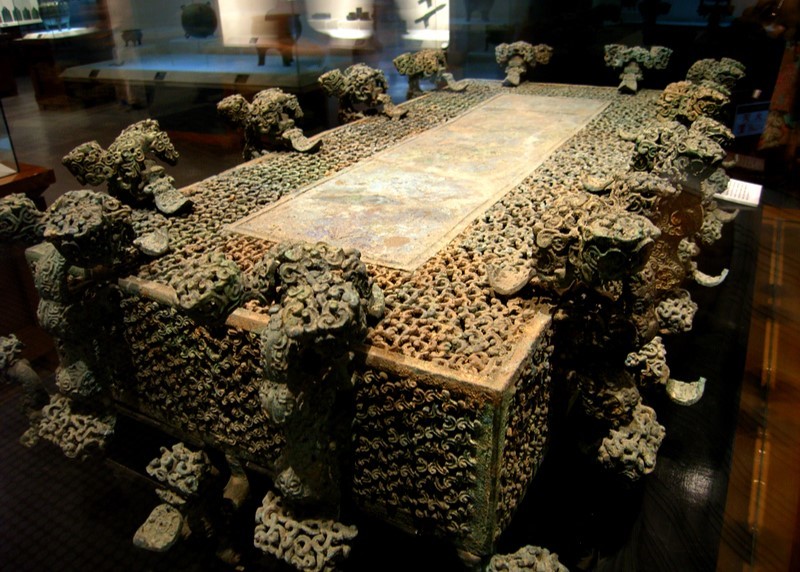
Investment casting, also known as wax loss casting, is a long-standing metal forming process. The copper ban during the Spring and Autumn period in China was the earliest known lost wax casting method. The first step is to make a mold, using the mold to inject liquid wax into the mold to form a wax mold. Then, the wax mold is pasted into a pouring system according to the casting process, and the entire pouring system is made into a silica sol shell. After dewaxing, the entire shell becomes a cavity, and the cavity shell can be poured with molten steel after calcination. After cooling, the steel material product is formed. Subsequently, through processes such as cutting and grinding, sandblasting, heat treatment, correction, welding repair, electroplating, and machining, the cast products required by the customer are formed.
2024/10/08

Dalian is a beautiful coastal city in Northeast China, with beautiful scenery and pleasant climate. It is an important industrial production base, an international shipping center in Northeast Asia.
2024/07/11
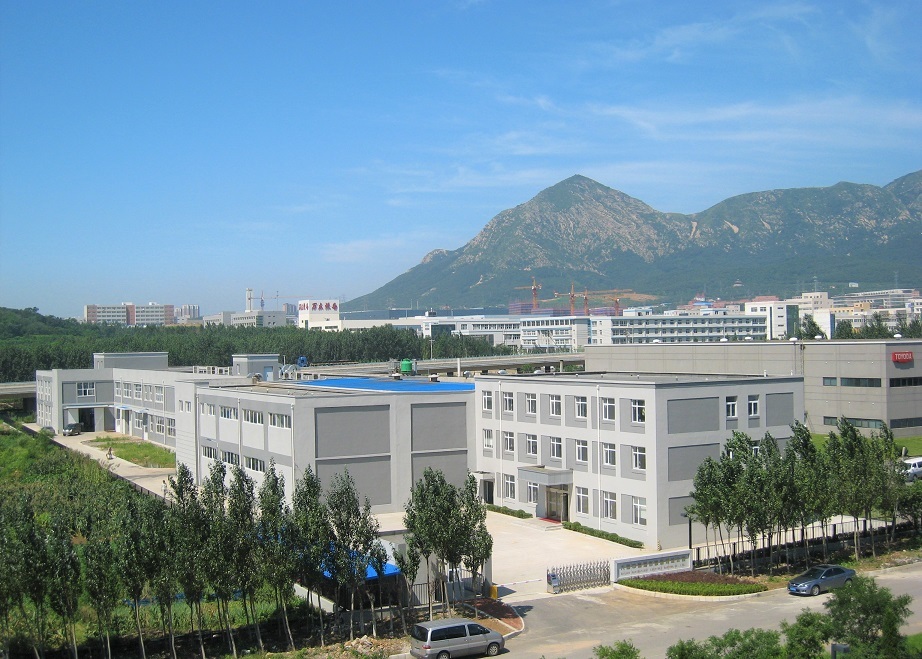
Dalian Sakabe has own foundry factory and focus on providing high-quality precision casting products to domestic and foreign customers since its establishment in 2005.
2024/10/08
The Crucial Role of Casting Material Trays in Advanced Manufacturing
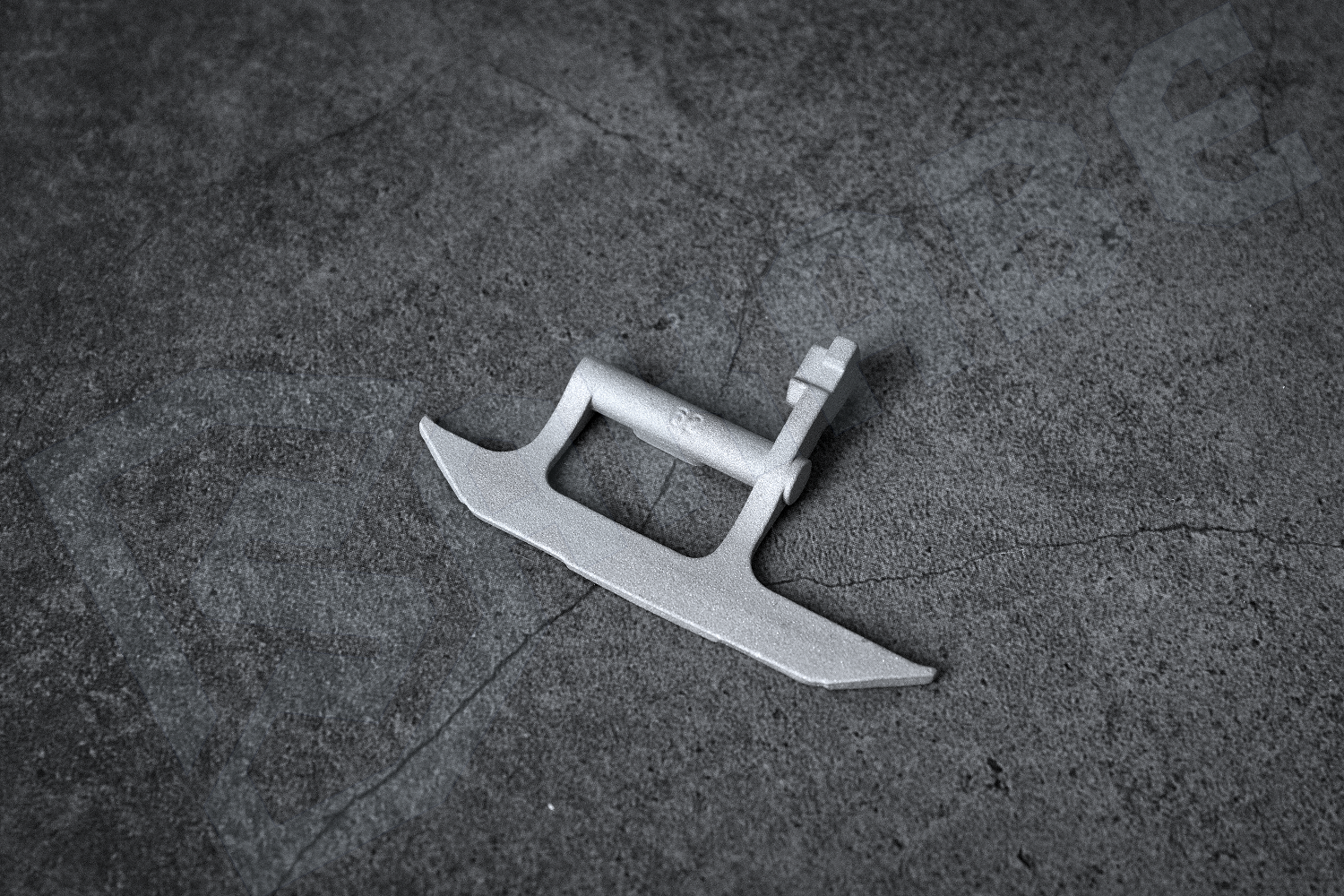
In the ever-evolving landscape of manufacturing, optimizing heat treatment processes through the strategic use of casting material trays is paramount
2025/09/19
CONTACT US
Tel: +86 136-5494-1611
E-mail: alexzheng@sakabe.cn
Office Address:
No.18 Dongbei Qi Street, Jinpu New Area, Dalian, Liaoning, China
Factory Address:
No.26 Fuan Street, Jinpu New Area, Dalian, Liaoning, China
