


Understanding Thermal Treatment in Textile Machinery Parts Casting
Table of Contents
- 1. Introduction to Thermal Treatment
- 2. Importance of Thermal Treatment in Textile Machinery
- 3. Overview of the Thermal Treatment Process
- 4. Types of Thermal Treatment Used in Casting
- 5. Mechanisms Behind Thermal Treatment
- 6. Effects of Thermal Treatment on Material Properties
- 7. Applications in Textile Machinery
- 8. Frequently Asked Questions
- 9. Conclusion
1. Introduction to Thermal Treatment
Thermal treatment refers to a series of heating and cooling processes applied to materials, particularly metals, to achieve desired mechanical properties. In the realm of textile machinery parts casting, **thermal treatment** plays a pivotal role in enhancing durability, strength, and functionality. The casting process itself involves pouring molten metal into a mold, where it solidifies into the desired shape. However, without appropriate thermal treatment, the final product may exhibit weaknesses, leading to premature wear and failure.
2. Importance of Thermal Treatment in Textile Machinery
The textile industry heavily relies on efficient machinery to produce high-quality fabrics. The components of these machines must withstand significant stress and wear. Thermal treatment enhances **material properties**, making it indispensable for several reasons:
1. **Increased Strength**: Proper thermal treatment significantly improves the tensile strength of casting parts, ensuring they can bear operational loads without deforming.
2. **Enhanced Wear Resistance**: Textile machinery components are subject to friction and abrasion. Thermal treatment helps in achieving wear-resistant surfaces.
3. **Stress Relief**: Casting processes often introduce internal stresses. Thermal treatment alleviates these stresses, preventing distortion during further processing or use.
4. **Improved Ductility**: By optimizing the microstructure of materials, thermal treatment enhances ductility, allowing components to undergo deformation without fracturing.
3. Overview of the Thermal Treatment Process
The thermal treatment process typically includes several stages: heating to a specific temperature, holding at that temperature for a defined period, and then cooling at a controlled rate. Each of these steps is critical to achieving the desired metallurgical structure.
1. **Heating**: The first step involves uniformly heating the cast part to the required temperature, which varies based on the type of treatment being performed.
2. **Holding**: After reaching the target temperature, the material is held for a specified duration, allowing for the transformation of its microstructure.
3. **Cooling**: Finally, the material is cooled down, either rapidly or slowly, depending on the treatment type, which significantly influences the final properties.
4. Types of Thermal Treatment Used in Casting
Various thermal treatment methods are employed to tailor the properties of casting parts in textile machinery. Each method serves a unique purpose and is chosen based on the material and desired characteristics.
4.1 Annealing
Annealing involves heating the material to a specific temperature, followed by slow cooling. This process reduces hardness, improves ductility, and relieves internal stresses. In textile machinery, annealed parts exhibit better machinability, making them easier to work with during assembly.
4.2 Quenching
Quenching is a rapid cooling process, usually performed by immersing the heated part in water, oil, or air. This method increases hardness and strength, but can also introduce residual stresses. It is often followed by tempering to alleviate these stresses while retaining the hardness achieved.
4.3 Tempering
Tempering is a secondary heat treatment performed after quenching. The material is reheated to a temperature below its critical point and then cooled. This process enhances toughness while reducing brittleness, making it ideal for components that require a balance between hardness and ductility.
5. Mechanisms Behind Thermal Treatment
Understanding the mechanisms of thermal treatment is crucial for optimizing the casting process. The **microstructural changes** that occur during heating and cooling are primarily responsible for the modification in material properties. Key mechanisms include:
1. **Phase Transformation**: Various phases, such as austenite and martensite, form during heating and cooling, influencing hardness and strength.
2. **Grain Growth**: Heating allows grain boundaries to move, often leading to coarser grains, which may affect ductility and toughness.
3. **Precipitation Hardening**: Certain alloys develop precipitates during thermal treatment, contributing to increased hardness.
6. Effects of Thermal Treatment on Material Properties
The impact of thermal treatment on the properties of textile machinery parts is profound. Some notable effects include:
1. **Hardness**: Enhanced hardness improves wear resistance, crucial for components subjected to friction.
2. **Tensile Strength**: Increased tensile strength helps parts withstand operational stresses, reducing the likelihood of failure.
3. **Ductility**: Improved ductility ensures that parts can absorb energy and deform without breaking, maintaining functionality under stress.
4. **Fatigue Resistance**: The treatment process can significantly enhance fatigue resistance, enabling parts to endure cyclic loads over extended periods.
7. Applications in Textile Machinery
Thermal treatment plays a vital role in producing textile machinery parts that meet stringent operational demands. Some applications include:
1. **Spinning Machines**: Components such as spindles and gears benefit from enhanced wear resistance and strength, ensuring long-term reliability.
2. **Weaving Machines**: Parts subjected to high friction require thermal treatment to maintain performance and reduce downtime.
3. **Finishing Machines**: Components that experience significant thermal and mechanical stress often undergo treatment to ensure they can withstand harsh operational environments.
8. Frequently Asked Questions
1. What is thermal treatment in casting?
Thermal treatment in casting refers to heating and cooling processes applied to materials to alter their physical and mechanical properties, enhancing performance and durability.
2. Why is thermal treatment important in textile machinery?
Thermal treatment is essential in textile machinery to improve the strength, wear resistance, and ductility of parts, ensuring reliable operation and longevity.
3. What are the different types of thermal treatment?
The primary types of thermal treatment include annealing, quenching, and tempering, each serving specific purposes to enhance material properties.
4. How does annealing affect material properties?
Annealing reduces hardness, enhances ductility, and relieves internal stresses, making materials easier to work with during machining and assembly.
5. Can thermal treatment lead to brittleness?
Yes, processes like quenching can increase hardness but may also introduce brittleness. Tempering is often performed afterward to mitigate this issue.
9. Conclusion
Thermal treatment is an indispensable aspect of casting in the textile machinery industry. This intricate process not only improves the mechanical properties of components but also ensures their capability to withstand the rigors of operation. By understanding the various types of thermal treatment and their mechanisms, industry professionals can make informed decisions that enhance the performance and reliability of textile machinery. As we continue to innovate within the industry, the role of thermal treatment will remain a cornerstone in the development of advanced and durable textile machinery parts.
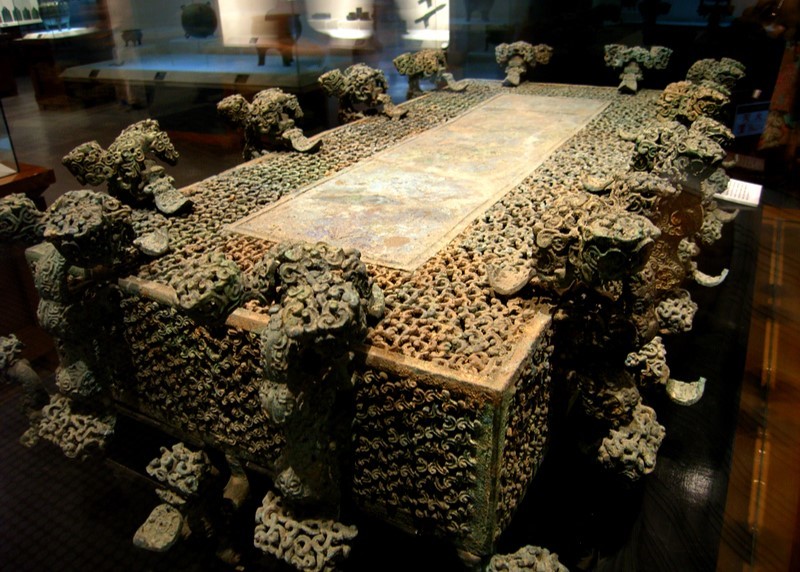
Introduction to investment casting manufacturing technique
Investment casting, also known as wax loss casting, is a long-standing metal forming process. The copper ban during the Spring and Autumn period in China was the earliest known lost wax casting method. The first step is to make a mold, using the mold to inject liquid wax into the mold to form a wax mold. Then, the wax mold is pasted into a pouring system according to the casting process, and the entire pouring system is made into a silica sol shell. After dewaxing, the entire shell becomes a cavity, and the cavity shell can be poured with molten steel after calcination. After cooling, the steel material product is formed. Subsequently, through processes such as cutting and grinding, sandblasting, heat treatment, correction, welding repair, electroplating, and machining, the cast products required by the customer are formed.
2024/10/08

Dalian is a beautiful coastal city in Northeast China, with beautiful scenery and pleasant climate. It is an important industrial production base, an international shipping center in Northeast Asia.
2024/07/11
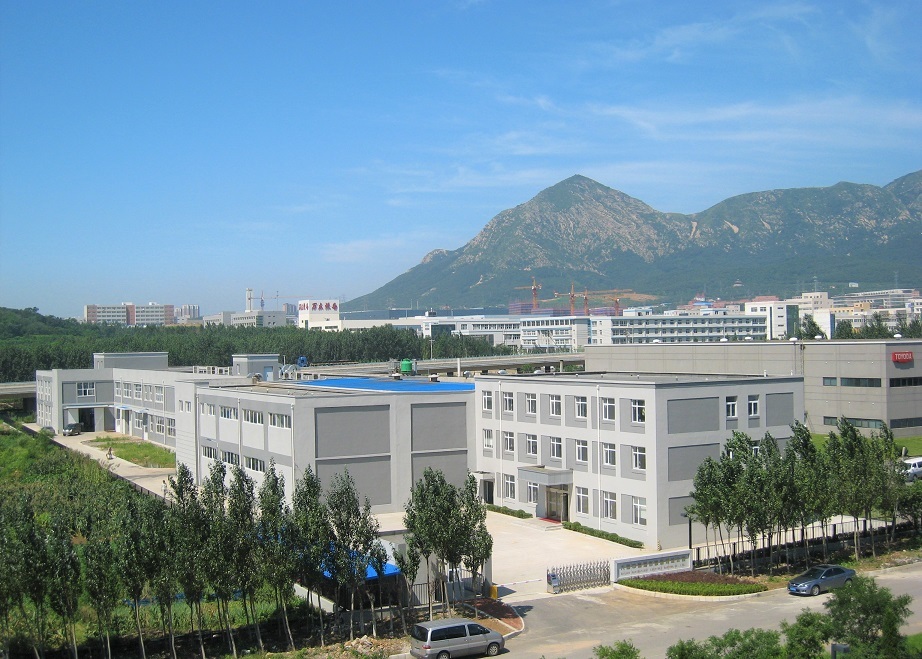
Dalian Sakabe has own foundry factory and focus on providing high-quality precision casting products to domestic and foreign customers since its establishment in 2005.
2024/10/08
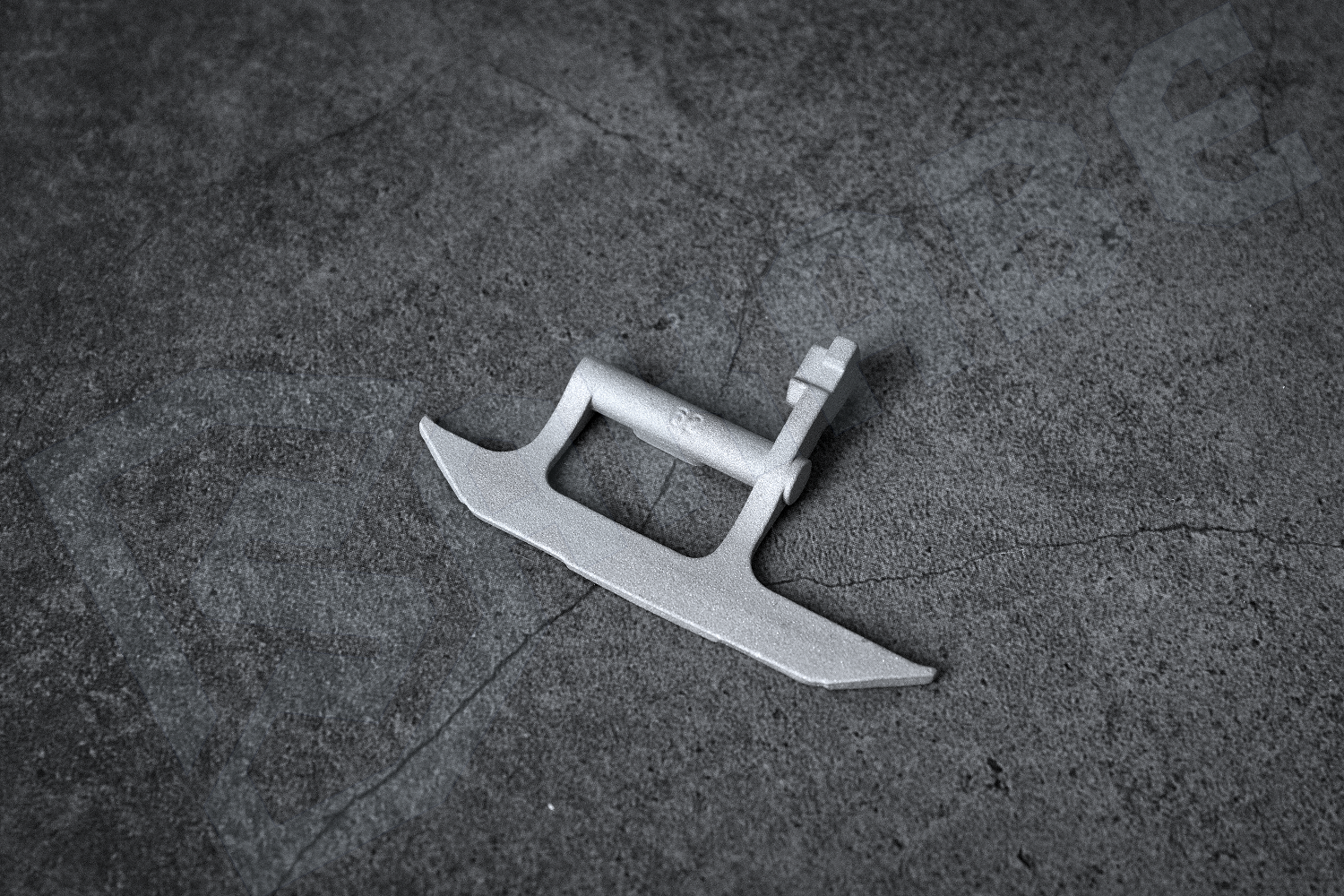
The Crucial Role of Casting Material Trays in Advanced Manufacturing
In the ever-evolving landscape of manufacturing, optimizing heat treatment processes through the strategic use of casting material trays is paramount
2025/09/19
CONTACT US
Tel: +86 136-5494-1611
E-mail: alexzheng@sakabe.cn
Office Address:
No.18 Dongbei Qi Street, Jinpu New Area, Dalian, Liaoning, China
Factory Address:
No.26 Fuan Street, Jinpu New Area, Dalian, Liaoning, China
