


Exploring the Benefits of Food Machinery Parts Casting for Enhanced Operational Efficiency
Table of Contents
1. Introduction to Food Machinery Parts Casting
2. Understanding Casting Processes in Food Machinery
3. Key Benefits of Casting for Food Machinery Parts
3.1 Increased Durability and Strength
3.2 Cost-Effectiveness in Production
3.3 Enhanced Design Flexibility
4. Materials Used in Food Machinery Parts Casting
4.1 Common Materials for Casting
4.2 Advantages of Aluminum and Stainless Steel
5. Innovations in Casting Techniques for Food Machinery
6. Quality Control in Food Machinery Parts Casting
7. Case Studies: Successful Implementation of Casting
8. Frequently Asked Questions
9. Conclusion
1. Introduction to Food Machinery Parts Casting
Casting is a vital manufacturing process extensively used in the production of food machinery parts. In this method, liquid material is poured into a mold to create parts that meet precise specifications. This technique is particularly beneficial in the food industry, where efficiency and safety are paramount. We will delve into the benefits of casting food machinery parts, highlighting how this process can transform manufacturing operations for better efficiency, higher quality, and greater cost savings.
2. Understanding Casting Processes in Food Machinery
The casting process involves several key steps: designing the mold, preparing the material, pouring the liquid metal into the mold, and allowing it to cool and solidify. Various casting techniques, such as sand casting, investment casting, and die casting, can be employed depending on the complexity and requirements of the food machinery parts. Each method offers unique advantages, contributing to the overall efficiency of production.
3. Key Benefits of Casting for Food Machinery Parts
3.1 Increased Durability and Strength
One of the foremost advantages of casting is the **increased durability** and strength of the produced parts. Casting allows for tailored mechanical properties, ensuring that components can withstand the stresses and strains typical in food processing environments. This enhanced durability translates into lower maintenance costs and longer service life for machinery.
3.2 Cost-Effectiveness in Production
Casting can significantly reduce production costs. By creating parts in bulk and minimizing waste through precise mold designs, manufacturers can achieve **greater economies of scale**. Additionally, casting often requires fewer secondary operations, reducing labor costs and speeding up the production timeline.
3.3 Enhanced Design Flexibility
Casting provides exceptional design flexibility, allowing engineers to create complex shapes and intricate designs that would be challenging or impossible to achieve with other manufacturing methods. This flexibility facilitates **innovative design solutions**, enhancing the functionality and efficiency of food machinery.
4. Materials Used in Food Machinery Parts Casting
4.1 Common Materials for Casting
A variety of materials can be used in casting food machinery parts, each offering distinct properties suitable for specific applications. Common materials include iron, aluminum, and various alloys. The choice of material impacts the performance, weight, and cost of the final product.
4.2 Advantages of Aluminum and Stainless Steel
Aluminum is lightweight and resistant to corrosion, making it an excellent choice for food machinery parts exposed to moisture. Stainless steel, on the other hand, offers superior strength and resistance to high temperatures, making it ideal for parts that must endure rigorous cleaning and sanitization processes. Understanding the **material properties** is crucial for optimizing the casting process and achieving the desired performance.
5. Innovations in Casting Techniques for Food Machinery
Recent advancements in casting technology have led to improved methods that enhance the quality and efficiency of food machinery parts production. Techniques such as **3D printing for mold creation** allow for rapid prototyping and adjustments, further streamlining the manufacturing process. Additionally, the introduction of automated systems in casting processes minimizes errors and boosts productivity.
6. Quality Control in Food Machinery Parts Casting
Quality control is vital in the casting process to ensure that parts meet stringent safety and performance standards. Techniques such as non-destructive testing (NDT) and rigorous inspection protocols help identify defects early in the production cycle. Implementing a robust quality assurance system not only enhances product reliability but also fosters customer trust.
7. Case Studies: Successful Implementation of Casting
Examining real-world examples illustrates how casting has been successfully implemented in various food machinery applications. For instance, a leading food processing company adopted casting for its industrial mixers, resulting in a 30% reduction in downtime and maintenance costs. Such case studies highlight the practical benefits of casting, encouraging others in the industry to consider its adoption.
8. Frequently Asked Questions
8.1 What is casting in food machinery?
Casting in food machinery refers to the manufacturing process where liquid material is poured into a mold to create specific parts used in food processing equipment.
8.2 What are the advantages of using casting over other manufacturing methods?
Casting offers increased durability, cost-effectiveness, and enhanced design flexibility compared to other manufacturing methods.
8.3 Which materials are most commonly used for casting food machinery parts?
Common materials include aluminum, stainless steel, and various alloys, each selected for its specific properties suitable for food processing applications.
8.4 How does quality control impact casting processes?
Quality control ensures that the produced parts meet safety and performance standards, reducing defects and enhancing customer satisfaction.
8.5 Can casting techniques be adapted for complex part designs?
Yes, casting provides exceptional design flexibility, allowing for the production of complex and intricate shapes that are often challenging with other manufacturing processes.
9. Conclusion
The benefits of food machinery parts casting are undeniable. This method not only enhances efficiency and reduces costs but also ensures that the produced components are durable and reliable. As the food industry continues to evolve, embracing innovative casting techniques will be essential for manufacturers looking to maintain a competitive edge. By understanding the advantages of casting and implementing best practices, businesses can optimize their operations, ensuring long-term success in the dynamic food processing landscape.

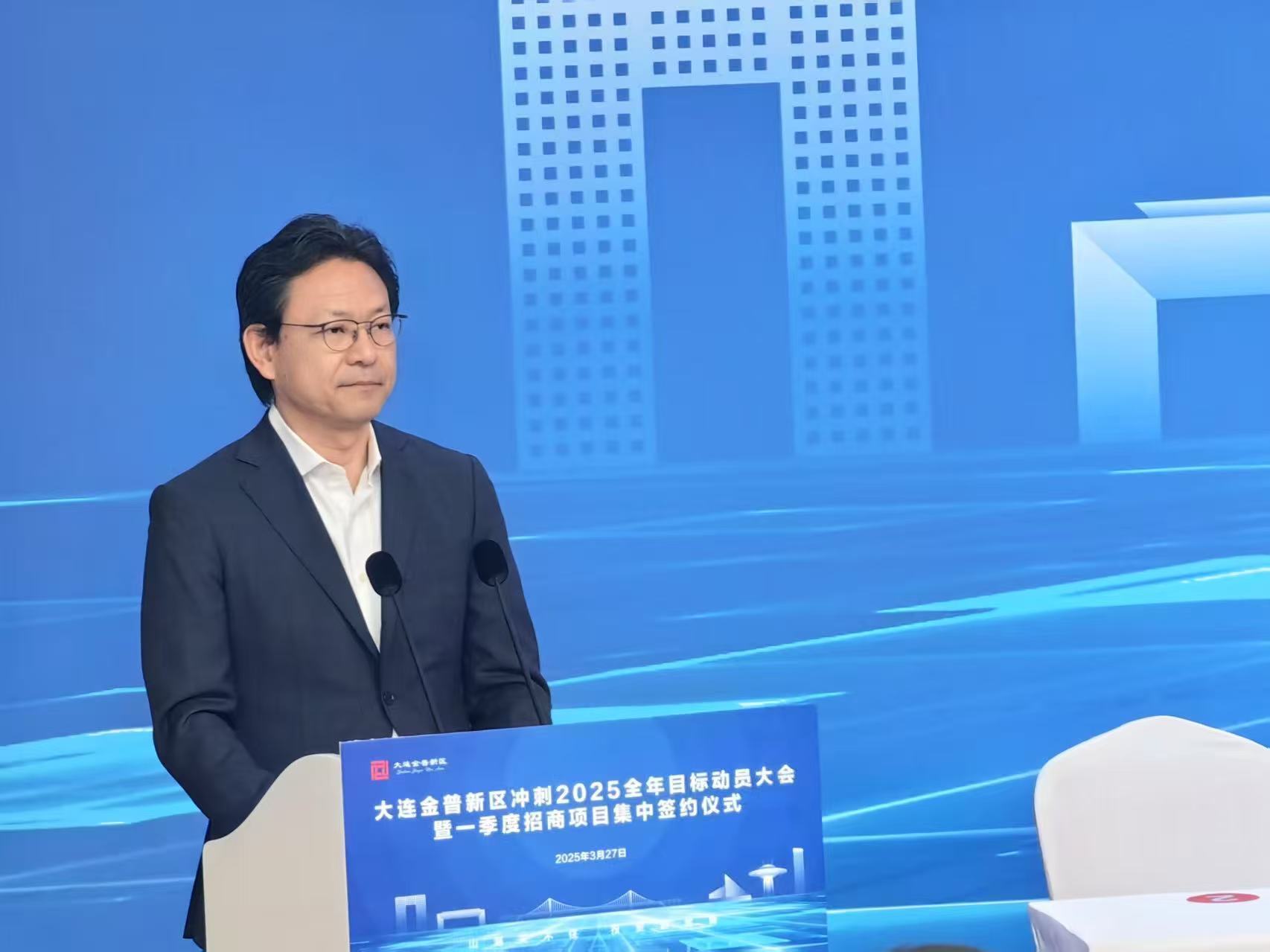
Dalian Sakabe was invited to participate in the Dalian investment promotion project ceremony
On March 27, 2025, Dalian Sakabe, as an advanced foreign-funded enterprise in Dalian, was invited to participate in the investment promotion project ceremony of Dalian China.
2025/04/01
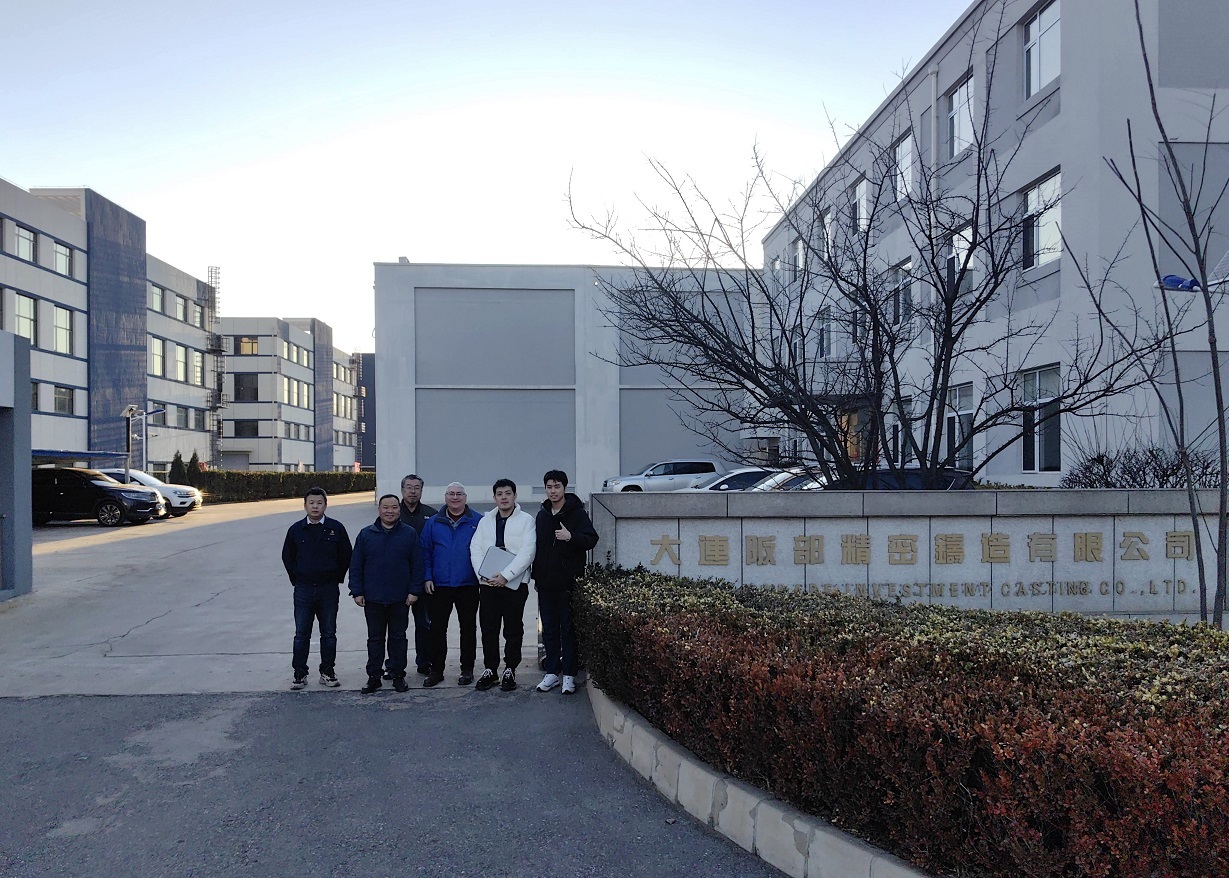
It is pleased that partner NME come to visit us Sakabe foundry
It is pleased that partner NME come to visit us Sakabe foundry. We share the same philosophy about quality standards, product positioning, environmental protection, and sustainable development. It's lucky to meet like-minded partners!
2025/02/19
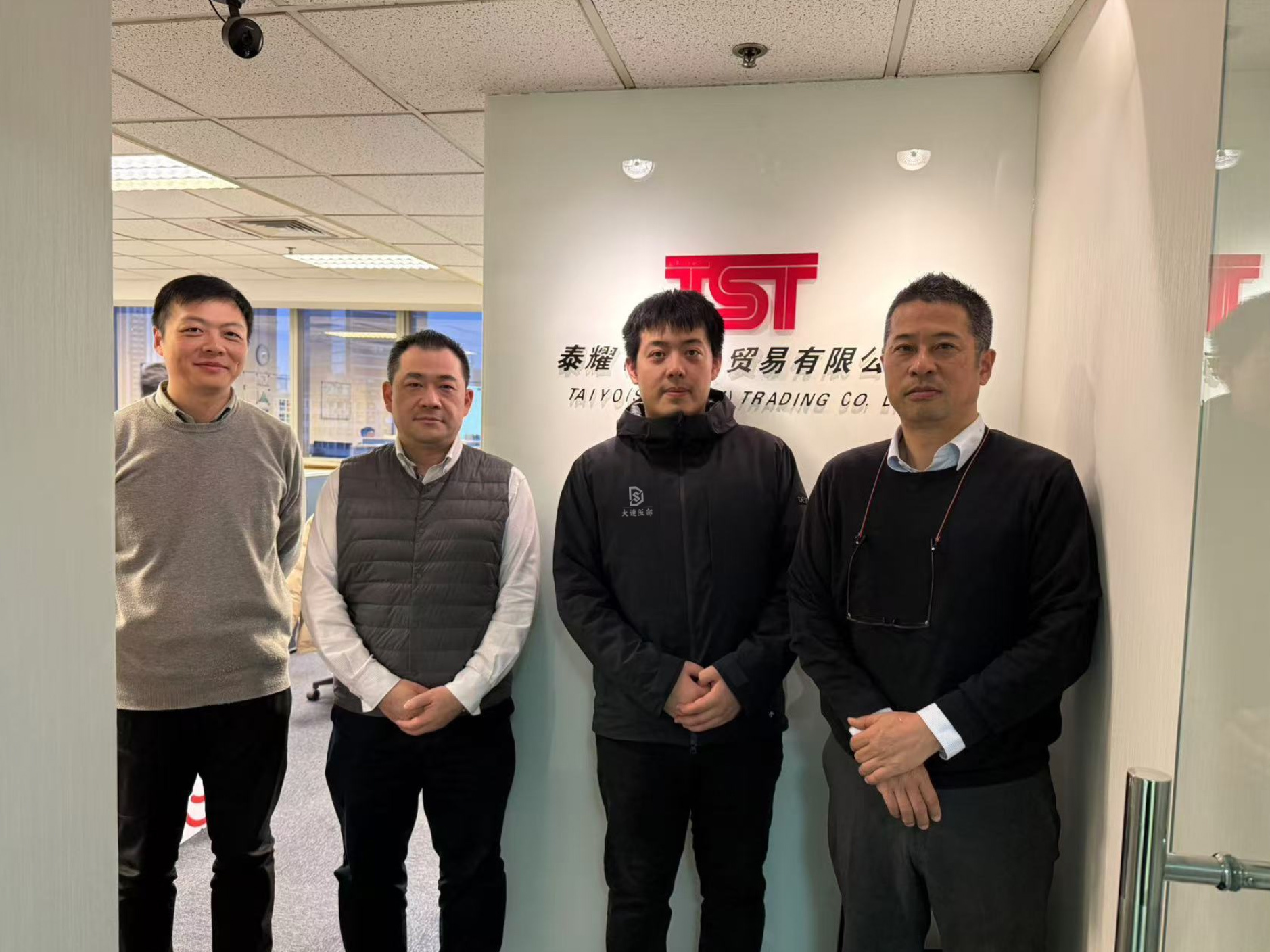
Great meeting with partner in Shanghai
Dalian Sakabe paying visit to our partner TST in Shanghai. Had discussions and plans for long term co-operation. Great thanks for your support!
2025/01/02
CONTACT US
Tel: +86 136-5494-1611
E-mail: alexzheng@sakabe.cn
Office Address:
No.18 Dongbei Qi Street, Jinpu New Area, Dalian, Liaoning, China
Factory Address:
No.26 Fuan Street, Jinpu New Area, Dalian, Liaoning, China
