

Unlocking Efficiency: The Role of Precision Casting Tooling in Heat Treatment
Table of Contents
1. Introduction to Precision Casting Tooling
2. Understanding the Heat Treatment Process
3. The Importance of Precision in Casting Tooling
4. Key Benefits of Precision Casting Tooling in Heat Treatment
4.1 Enhanced Dimensional Accuracy
4.2 Improved Material Properties
4.3 Increased Production Efficiency
5. Types of Precision Casting Tooling
5.1 Investment Casting
5.2 Sand Casting
5.3 Die Casting
6. Innovative Technologies in Casting Tooling
7. Challenges and Solutions in Implementing Precision Casting Tooling
8. Future Trends in Precision Casting Tooling and Heat Treatment
9. FAQs
10. Conclusion
1. Introduction to Precision Casting Tooling
Precision casting tooling is an essential aspect of modern manufacturing, significantly influencing processes such as heat treatment. As industries evolve, the demand for high-quality, efficient production methods increases. In this article, we will explore the role of precision casting tooling in enhancing the efficiency of heat treatment processes and achieving superior product quality.
2. Understanding the Heat Treatment Process
Heat treatment is a controlled process used in metallurgy to alter the physical and sometimes chemical properties of a material. The primary goals of heat treatment include hardening, softening, and improving the toughness of metals and alloys. This process often involves heating and cooling cycles, which can significantly influence the final material properties.
The heat treatment process typically includes several stages: heating to a particular temperature, maintaining that temperature for a specific duration, and finally cooling the material at a controlled rate. The precision of these stages is critical because even slight variations can lead to significant differences in the material's performance.
3. The Importance of Precision in Casting Tooling
Precision in casting tooling is paramount for effective heat treatment. The tooling must be meticulously designed and manufactured to ensure that the components produced meet stringent specifications. High precision not only guarantees dimensional accuracy but also helps in achieving the desired mechanical properties.
In industries where performance is crucial, such as aerospace, automotive, and medical applications, the integrity of components is non-negotiable. Thus, using precision casting tooling is not just a production choice; it is a necessity for maintaining safety and reliability standards.
4. Key Benefits of Precision Casting Tooling in Heat Treatment
Precision casting tooling offers numerous benefits that directly enhance the efficiency of the heat treatment process.
4.1 Enhanced Dimensional Accuracy
One of the most significant advantages of precision casting tooling is its ability to produce components with enhanced dimensional accuracy. This precision reduces the need for extensive machining or finishing processes, which can be time-consuming and costly. Accurate dimensions ensure that parts fit together seamlessly during assembly, minimizing rework and waste.
4.2 Improved Material Properties
The precision in casting tooling directly contributes to the quality of the final product. By controlling the tooling design and material flow during casting, manufacturers can achieve better mechanical properties, such as increased hardness or improved tensile strength. These qualities are crucial for components that undergo heat treatment since they need to withstand high stresses and temperatures.
4.3 Increased Production Efficiency
Efficiency is a key driver in manufacturing, and precision casting tooling plays a vital role in optimizing production processes. By reducing the cycle time associated with casting and heat treatment, manufacturers can increase throughput without compromising quality. This efficiency not only saves time but also reduces energy consumption, which is increasingly important in sustainable manufacturing practices.
5. Types of Precision Casting Tooling
There are several types of precision casting tooling, each with its unique benefits and applications.
5.1 Investment Casting
Investment casting, also known as lost-wax casting, is a highly precise method suitable for complex shapes. This technique allows for excellent surface finishes and dimensional accuracy, making it ideal for applications requiring intricate designs.
5.2 Sand Casting
Sand casting is one of the oldest and most widely used methods. While it may not offer the same precision as investment casting, advancements in technology have significantly improved its accuracy. Sand casting is versatile and cost-effective, making it suitable for both low and high-volume production.
5.3 Die Casting
Die casting involves forcing molten metal into a mold cavity. This method offers high precision and is typically used for non-ferrous metals. Die casting is known for producing components with excellent surface finishes and tight tolerances, making it a popular choice in industries like automotive and electronics.
6. Innovative Technologies in Casting Tooling
The landscape of precision casting tooling is continually evolving with the introduction of innovative technologies. Additive manufacturing, also known as 3D printing, is revolutionizing the design and production of casting tools. This technology allows for rapid prototyping and the creation of complex geometries that traditional methods may not easily achieve.
Moreover, computer-aided design (CAD) and computer-aided manufacturing (CAM) systems are enhancing the precision and efficiency of casting tooling. These technologies enable manufacturers to simulate the casting process, identify potential issues, and make data-driven decisions to optimize performance.
7. Challenges and Solutions in Implementing Precision Casting Tooling
While there are numerous benefits to adopting precision casting tooling, challenges do exist. One common issue is the high initial investment costs associated with advanced tooling technologies. However, these costs can be justified by the long-term savings achieved through increased efficiency and reduced waste.
Another challenge is the need for skilled personnel to operate advanced machinery and understand complex processes. Investing in training programs and cross-functional teams can mitigate these challenges and ensure that the workforce is well-equipped to handle modern manufacturing demands.
8. Future Trends in Precision Casting Tooling and Heat Treatment
Looking ahead, several trends are shaping the future of precision casting tooling and heat treatment. Automation and smart manufacturing are gaining traction, leading to more efficient and consistent processes. The integration of Internet of Things (IoT) technologies allows for real-time monitoring and adjustments during the casting and heat treatment processes, enhancing overall quality and efficiency.
Sustainability is also becoming a significant focus within the industry. As companies strive to minimize their environmental impact, precision casting tooling will increasingly incorporate eco-friendly materials and processes, ensuring that manufacturing remains viable for future generations.
9. FAQs
What materials are typically used in precision casting tooling?
Precision casting tooling can be made from various materials, including steel, aluminum, and high-performance alloys, depending on the application and the desired properties.
How does precision casting impact the cost of manufacturing?
While precision casting may have higher upfront costs, it can lead to lower overall manufacturing costs due to reduced waste, less rework, and improved production efficiency.
What industries benefit the most from precision casting tooling?
Industries such as aerospace, automotive, medical devices, and industrial machinery significantly benefit from precision casting tooling due to their need for high performance and reliability.
Can precision casting tooling be used for both low and high-volume production?
Yes, various precision casting techniques, such as sand casting and die casting, can be employed for both low and high-volume production, making them versatile options for manufacturers.
What role does quality control play in precision casting tooling?
Quality control is crucial in precision casting tooling, as it ensures that all produced components meet the required specifications and performance standards. Regular inspections and testing are essential to maintain quality throughout the manufacturing process.
10. Conclusion
In conclusion, precision casting tooling plays a crucial role in enhancing the efficiency of heat treatment processes. By providing dimensional accuracy, improving material properties, and increasing production efficiency, precision casting tooling is indispensable in modern manufacturing. As industry demands evolve, adopting innovative technologies and addressing challenges will be key to unlocking further efficiencies. Embracing the future of precision casting tooling ensures companies remain competitive while producing high-quality components that meet the rigorous demands of various industries.

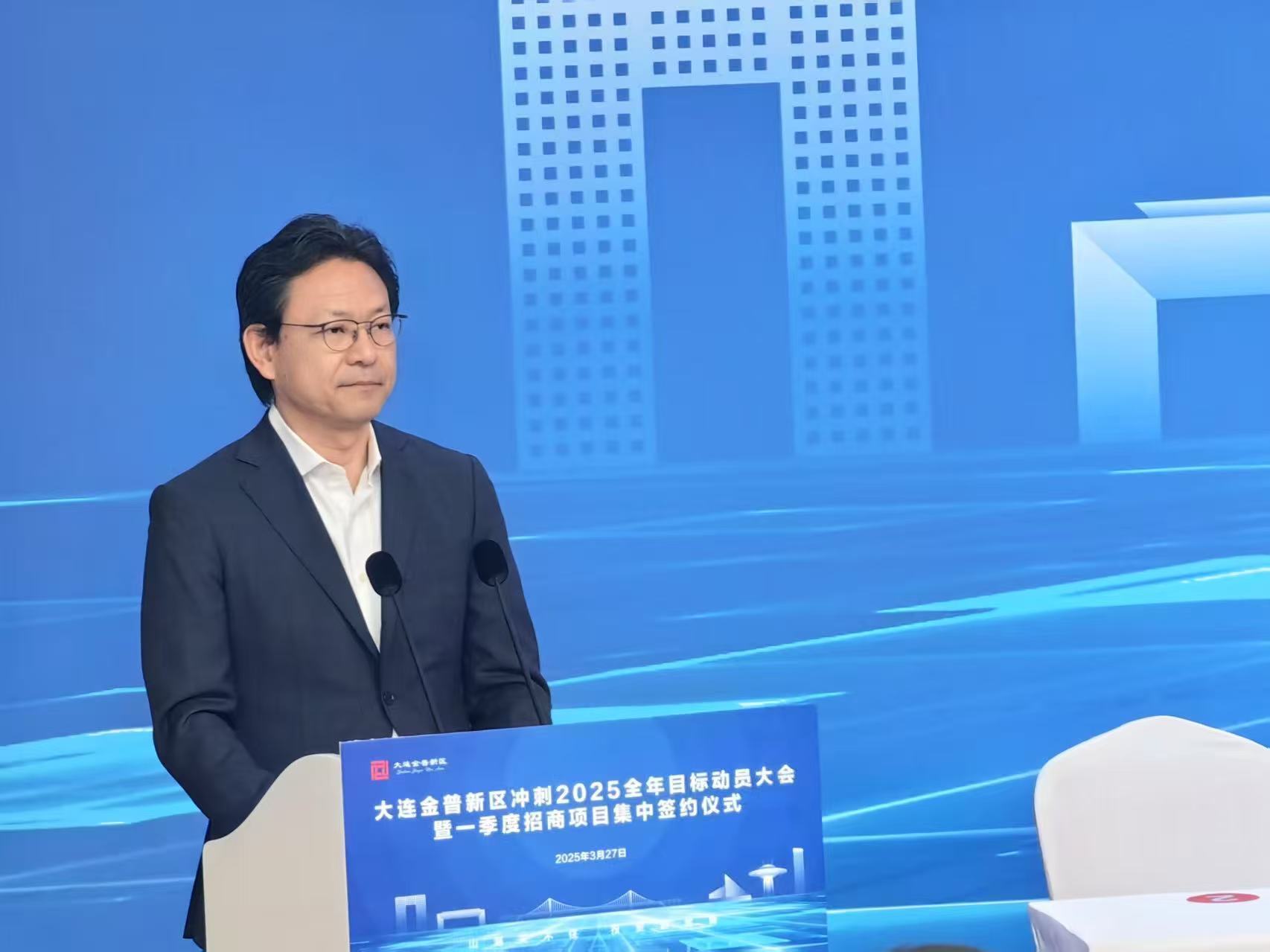
Dalian Sakabe was invited to participate in the Dalian investment promotion project ceremony
On March 27, 2025, Dalian Sakabe, as an advanced foreign-funded enterprise in Dalian, was invited to participate in the investment promotion project ceremony of Dalian China.
2025/04/01
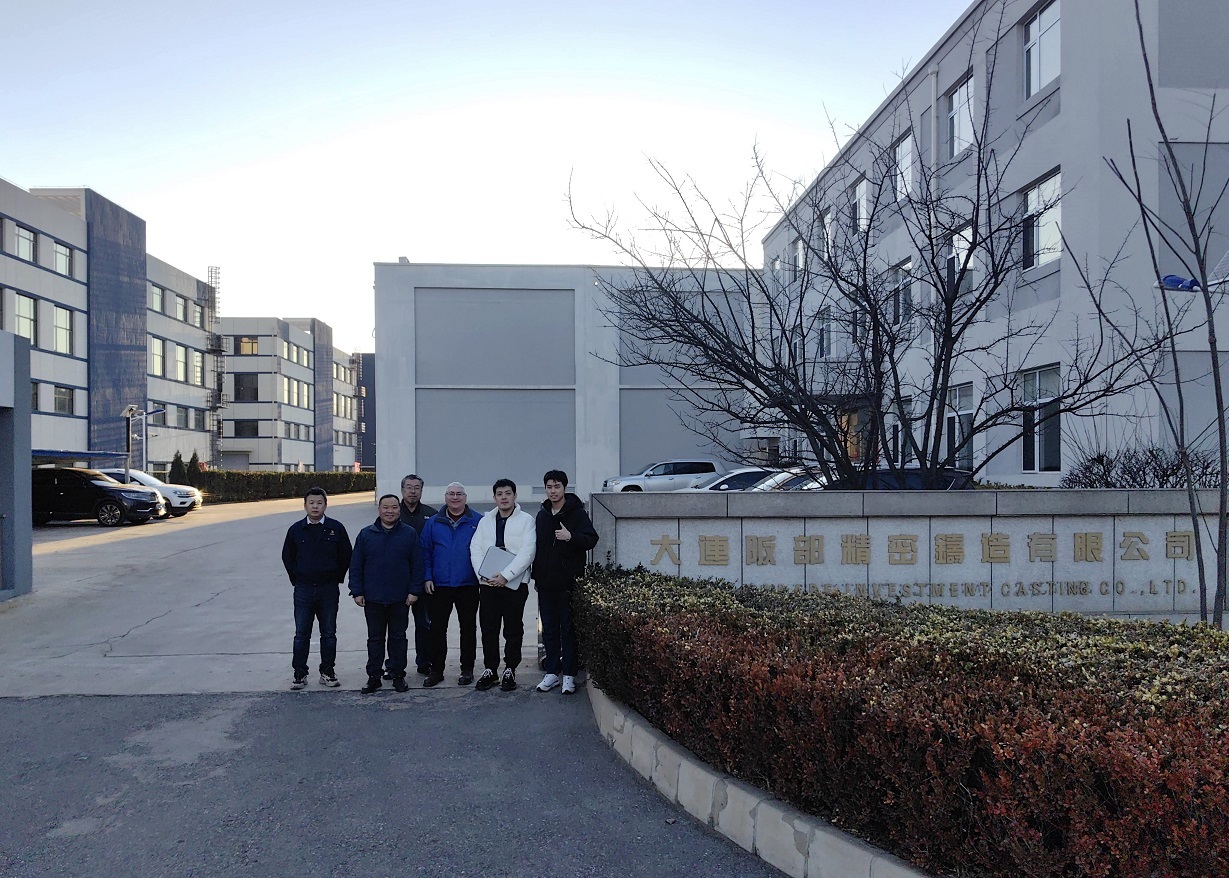
It is pleased that partner NME come to visit us Sakabe foundry
It is pleased that partner NME come to visit us Sakabe foundry. We share the same philosophy about quality standards, product positioning, environmental protection, and sustainable development. It's lucky to meet like-minded partners!
2025/02/19
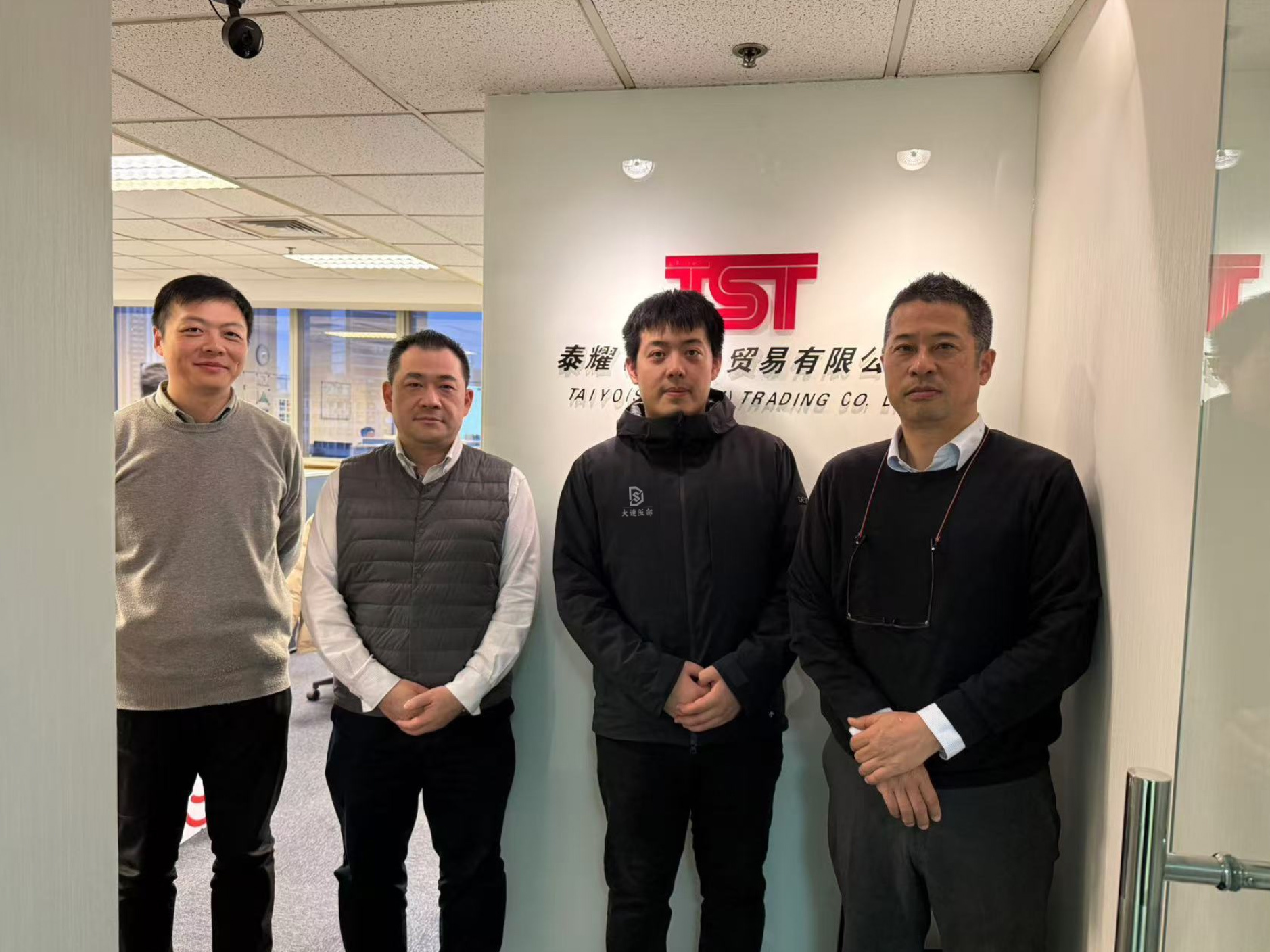
Great meeting with partner in Shanghai
Dalian Sakabe paying visit to our partner TST in Shanghai. Had discussions and plans for long term co-operation. Great thanks for your support!
2025/01/02
CONTACT US
Tel: +86 136-5494-1611
E-mail: alexzheng@sakabe.cn
Office Address:
No.18 Dongbei Qi Street, Jinpu New Area, Dalian, Liaoning, China
Factory Address:
No.26 Fuan Street, Jinpu New Area, Dalian, Liaoning, China
