


Optimizing Heat Treatment with Precision Casting Trays and Frames
In the competitive landscape of manufacturing, precision casting trays and frames play a pivotal role in the heat treatment process. By ensuring uniform temperature distribution and providing optimal support for castings, these tools significantly enhance production quality and efficiency. As we delve into the intricacies of optimizing heat treatment using these advanced solutions, we will explore critical aspects such as material selection, design considerations, and the latest technological advancements in manufacturing.
Table of Contents
- 1. Introduction to Heat Treatment and Precision Casting
- 2. Importance of Heat Treatment in Manufacturing
- 3. Understanding Precision Casting Trays and Frames
- 4. Benefits of Using Precision Casting Trays and Frames
- 5. Key Design Considerations for Casting Trays and Frames
- 6. Material Selection for Optimal Performance
- 7. Technological Advancements in Precision Casting
- 8. Case Studies: Successful Implementation
- 9. Frequently Asked Questions
- 10. Conclusion
1. Introduction to Heat Treatment and Precision Casting
Heat treatment is a crucial process in the manufacturing sector, particularly for metals. It involves controlled heating and cooling to alter the physical and sometimes chemical properties of a material, ensuring improved strength, hardness, and ductility. Precision casting trays and frames are integral to this process, facilitating consistent heating and cooling while minimizing distortion and ensuring dimensional accuracy.
What is Precision Casting?
Precision casting is a manufacturing process that allows for the creation of complex shapes with high accuracy. This technique is essential in producing components that require tight tolerances and intricate designs. By utilizing precision casting trays and frames during heat treatment, manufacturers can optimize the process further, leading to enhanced product quality and performance.
2. Importance of Heat Treatment in Manufacturing
Heat treatment is not merely a step in the manufacturing process; it is a vital factor that influences the overall quality and functionality of the end product. Heat treatment processes such as annealing, quenching, and tempering can significantly improve mechanical properties, including tensile strength, toughness, and wear resistance.
Impact on Product Quality
Through effective heat treatment, manufacturers can achieve consistent quality across their products. This consistency is essential for meeting customer requirements and industry standards. Moreover, precise control over the heat treatment process reduces the likelihood of defects, ensuring that the final product meets or exceeds expectations.
3. Understanding Precision Casting Trays and Frames
Precision casting trays and frames are specialized tools designed to support castings during heat treatment. They ensure that the components are evenly heated and cooled, thereby improving the overall effectiveness of the heat treatment process. These trays and frames come in various designs, tailored to specific applications and requirements.
Types of Precision Casting Trays
- Flat Casting Trays: Ideal for uniform support and even heat distribution.
- Stackable Frames: Designed for maximizing space and efficiency during processing.
- Custom-Molded Trays: Tailored to specific casting geometries for optimal support.
4. Benefits of Using Precision Casting Trays and Frames
Utilizing precision casting trays and frames offers numerous benefits, making them an indispensable part of the heat treatment process.
Enhanced Thermal Efficiency
These tools ensure uniform heat distribution, reducing hot spots that could lead to uneven treatment. Enhanced thermal efficiency results in better quality and consistency across all manufactured components.
Reduced Defects
By supporting components securely, precision casting trays and frames minimize the risk of warping or distortion during the heat treatment process, leading to a significant reduction in defects.
Improved Handling and Safety
Precision trays and frames allow for safer handling of hot materials, reducing the risk of accidents and improving overall workplace safety.
5. Key Design Considerations for Casting Trays and Frames
When designing precision casting trays and frames, several factors must be considered to ensure optimal performance.
Load Capacity
The load capacity of casting trays and frames must be carefully calculated based on the weight and geometry of the components they will support. This ensures that the trays can withstand the rigors of the heat treatment process.
Heat Resistance
Materials used in the construction of casting trays and frames must possess high heat resistance to endure extreme temperatures without deforming or degrading.
Surface Finish
Achieving the right surface finish is crucial, as it can impact the heat transfer efficiency and the overall quality of the heat-treated components.
6. Material Selection for Optimal Performance
The choice of materials for precision casting trays and frames is vital for ensuring their longevity and effectiveness.
Common Materials Used
- Stainless Steel: Known for its strength, corrosion resistance, and thermal stability.
- Aluminum Alloys: Lightweight and excellent for heat conduction.
- High-Temperature Ceramics: Ideal for extreme conditions and thermal shock resistance.
7. Technological Advancements in Precision Casting
The manufacturing industry is continually evolving, with new technologies emerging that enhance the capabilities of precision casting trays and frames.
3D Printing Innovations
3D printing technology allows for the rapid prototyping of custom trays and frames, enabling manufacturers to create unique designs tailored to specific needs, enhancing both efficiency and quality in the heat treatment process.
Smart Monitoring Systems
Integrating smart monitoring systems into the heat treatment process enables real-time tracking of temperature and other critical parameters, significantly improving process control and product quality.
8. Case Studies: Successful Implementation
Real-world examples of companies successfully utilizing precision casting trays and frames highlight the numerous benefits they offer.
Case Study 1: Aerospace Component Manufacturer
By implementing precision casting frames, an aerospace manufacturer achieved a 20% reduction in defects and improved product consistency, leading to significant cost savings and enhanced customer satisfaction.
Case Study 2: Automotive Industry
An automotive parts manufacturer reported a 30% increase in production efficiency after transitioning to custom-designed casting trays, streamlining their heat treatment process and reducing cycle times.
9. Frequently Asked Questions
1. What materials are best for precision casting trays?
Common materials include stainless steel, aluminum alloys, and high-temperature ceramics, each offering unique benefits.
2. How do precision casting trays improve heat treatment?
They ensure uniform heat distribution, reduce defects, and enhance overall efficiency during the heat treatment process.
3. Can precision casting trays be customized?
Yes, precision casting trays and frames can be tailored to specific geometries and manufacturing requirements for optimal performance.
4. What are the advantages of using 3D printing for tray design?
3D printing allows for rapid prototyping, enabling the creation of unique designs that enhance efficiency and product quality.
5. How does temperature monitoring impact the heat treatment process?
Real-time temperature monitoring ensures precise control of the heat treatment process, leading to improved product quality and consistency.
10. Conclusion
In conclusion, optimizing heat treatment with precision casting trays and frames is essential for manufacturers aiming to enhance efficiency and product quality. By understanding the role of these tools, their benefits, and the latest technological advancements, companies can significantly improve their heat treatment processes. As the industry continues to evolve, embracing innovation and tailoring solutions to specific needs will ensure that manufacturers stay competitive and meet the ever-increasing demands of quality and efficiency.

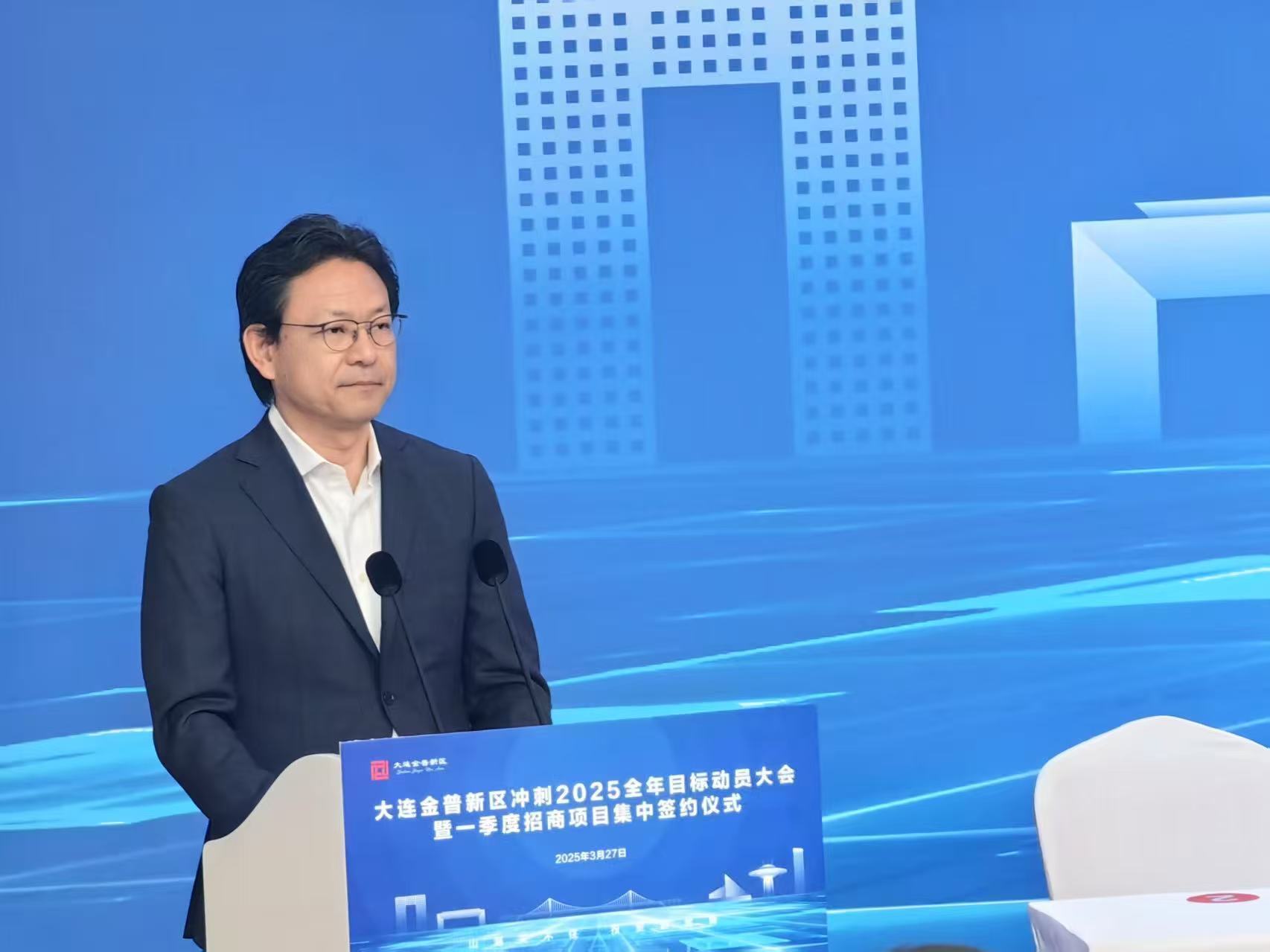
Dalian Sakabe was invited to participate in the Dalian investment promotion project ceremony
On March 27, 2025, Dalian Sakabe, as an advanced foreign-funded enterprise in Dalian, was invited to participate in the investment promotion project ceremony of Dalian China.
2025/04/01
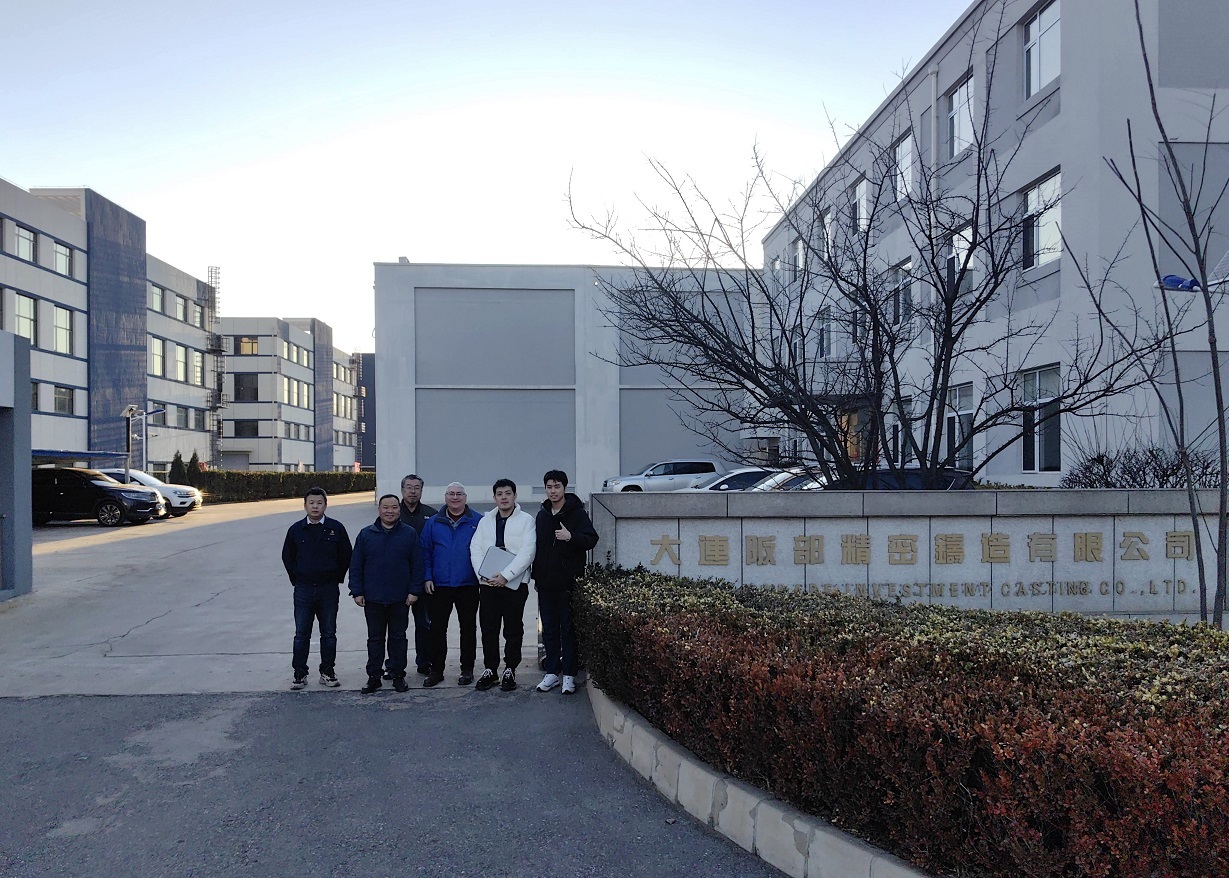
It is pleased that partner NME come to visit us Sakabe foundry
It is pleased that partner NME come to visit us Sakabe foundry. We share the same philosophy about quality standards, product positioning, environmental protection, and sustainable development. It's lucky to meet like-minded partners!
2025/02/19
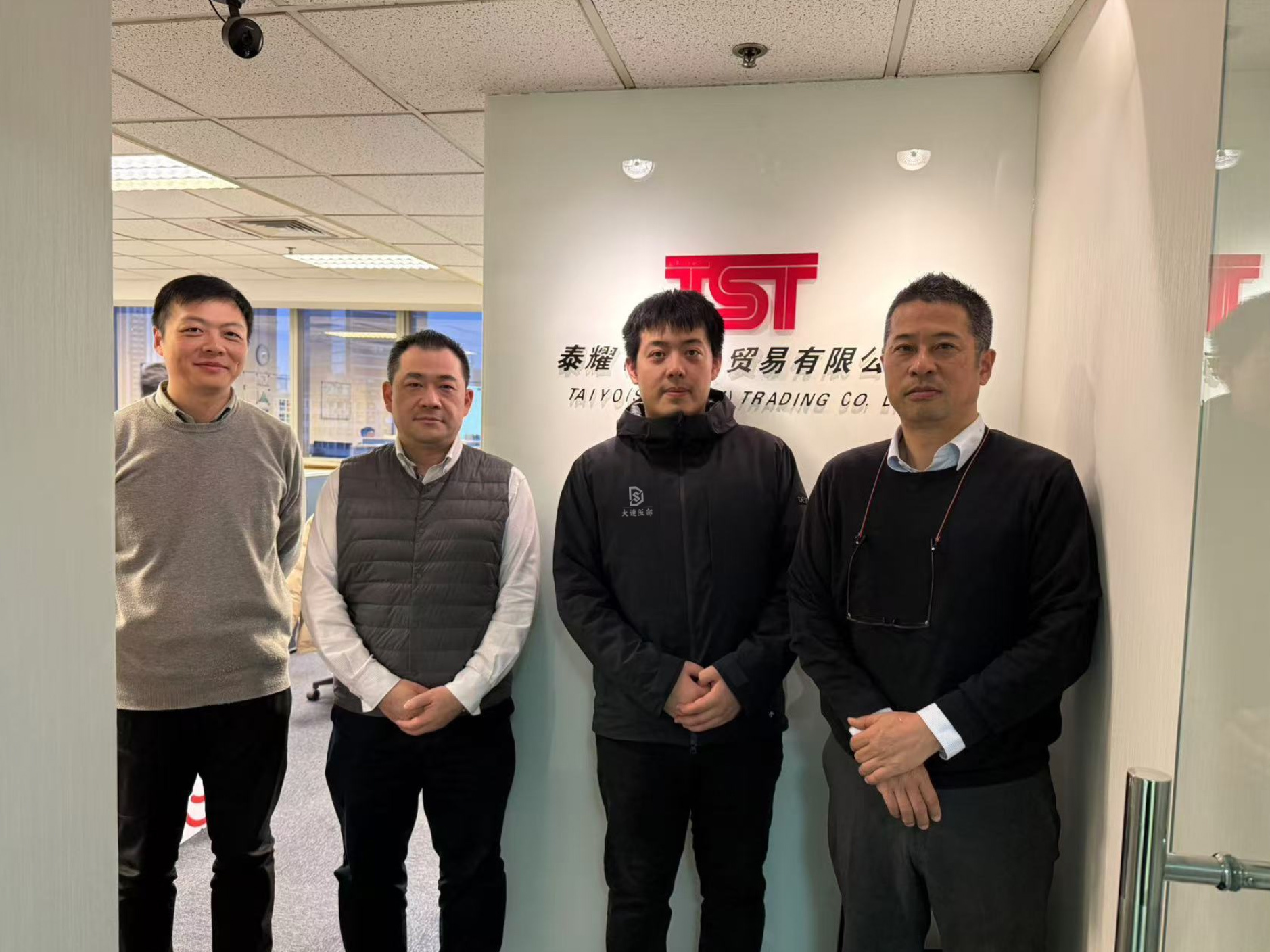
Great meeting with partner in Shanghai
Dalian Sakabe paying visit to our partner TST in Shanghai. Had discussions and plans for long term co-operation. Great thanks for your support!
2025/01/02
CONTACT US
Tel: +86 136-5494-1611
E-mail: alexzheng@sakabe.cn
Office Address:
No.18 Dongbei Qi Street, Jinpu New Area, Dalian, Liaoning, China
Factory Address:
No.26 Fuan Street, Jinpu New Area, Dalian, Liaoning, China
