


Exploring the Benefits of Precision Casting in Food Machinery
Table of Contents
1. Introduction to Precision Casting in Food Machinery
2. The Basics of Precision Casting
3. Advantages of Precision Casting for Food Machinery
3.1 Enhanced Accuracy and Detail
3.2 Cost Efficiency and Material Savings
3.3 Improved Surface Finish and Aesthetics
3.4 Greater Strength and Durability
3.5 Shorter Lead Times and Faster Production
4. Environmental Benefits of Precision Casting
5. Key Applications in Food Machinery
6. The Precision Casting Process Explained
7. Challenges and Considerations
8. FAQs about Precision Casting in Food Machinery
9. Conclusion
1. Introduction to Precision Casting in Food Machinery
Precision casting has emerged as a pivotal technology in the manufacturing of food machinery. As industries evolve, the need for reliable, efficient, and high-quality components becomes paramount. This article explores the myriad benefits of precision casting in the realm of food machinery. By leveraging precision casting, manufacturers can achieve unparalleled performance, enhanced product quality, and substantial cost savings.
2. The Basics of Precision Casting
Precision casting, often referred to as "investment casting," involves creating a precise mold for metal components. The process begins with a wax pattern, which is coated with a ceramic material to form a mold. Once the mold is created, the wax is melted and drained, leaving a cavity into which molten metal is poured. This method allows for intricate designs and complex geometries that traditional casting methods cannot achieve. The result is a component that meets stringent specifications with minimal finishing required.
3. Advantages of Precision Casting for Food Machinery
When it comes to food machinery, the advantages of precision casting are multifaceted. Understanding these benefits can help manufacturers make informed decisions about their production processes.
3.1 Enhanced Accuracy and Detail
Precision casting offers exceptional accuracy in component dimensions. This high level of detail is crucial in food machinery, where the fit and function of parts directly impact performance. Components produced through precision casting can achieve tolerances of ±0.1 mm or better, ensuring that parts work seamlessly together.
3.2 Cost Efficiency and Material Savings
One of the most significant benefits of precision casting is cost efficiency. By utilizing a near-net-shape process, manufacturers can significantly reduce material waste. This not only leads to cost savings on raw materials but also minimizes post-production machining processes, further lowering expenses and production times.
3.3 Improved Surface Finish and Aesthetics
Components produced through precision casting have superior surface finishes compared to those created by traditional methods. This is especially important in food machinery, where hygiene and aesthetic considerations are paramount. The smoother surfaces minimize the risk of bacteria buildup and enhance the overall appearance of the equipment.
3.4 Greater Strength and Durability
The materials used in precision casting, such as stainless steel and high-strength alloys, provide exceptional durability. Food machinery is often subjected to harsh conditions, including high temperatures and corrosive environments. Precision casting ensures that the components can withstand these challenges, prolonging their lifespan and reducing the frequency of replacements.
3.5 Shorter Lead Times and Faster Production
In today's fast-paced market, speed is essential. Precision casting allows for faster production cycles due to its efficient mold-making process. Once the initial mold is created, producing additional components takes less time, enabling manufacturers to meet tight deadlines and respond quickly to market demands.
4. Environmental Benefits of Precision Casting
In an era where sustainability is increasingly important, precision casting stands out due to its lower environmental impact. The reduction in waste material associated with precision casting contributes to less resource depletion. Additionally, the energy efficiency of the process helps lower carbon emissions, making it a more eco-friendly choice for food machinery manufacturers.
5. Key Applications in Food Machinery
Precision casting is utilized in various applications within the food machinery industry. Some key areas include:
- **Conveyor Systems:** Precision-cast components contribute to smoother operation and reduced wear.
- **Processing Equipment:** Intricate parts can be produced to meet specific operational requirements.
- **Cutting Tools and Blades:** High precision is essential for performance and safety in food processing.
6. The Precision Casting Process Explained
The precision casting process involves several key steps:
1. **Pattern Creation:** A wax or polymer pattern is produced based on the desired component design.
2. **Mold Formation:** The pattern is coated with a ceramic shell, which hardens to form a mold.
3. **Wax Removal:** The mold is heated to melt and remove the wax, leaving a cavity.
4. **Metal Pouring:** Molten metal is poured into the mold, filling the cavity.
5. **Cooling and Finishing:** Once cooled, the mold is broken away, and any necessary finishing processes are applied.
This systematic approach ensures high-quality outcomes, making precision casting a favored choice in food machinery manufacturing.
7. Challenges and Considerations
While precision casting offers numerous benefits, there are challenges to consider. The initial cost of creating molds can be high, which may deter smaller manufacturers. Additionally, the complexity of the design may require a careful analysis to ensure that the benefits outweigh the costs. Understanding these challenges allows manufacturers to make strategic decisions in their production processes.
8. FAQs about Precision Casting in Food Machinery
What materials are commonly used in precision casting for food machinery?
Precision casting often utilizes stainless steel, aluminum, and high-strength alloys, which offer durability and resistance to corrosion.
How does precision casting enhance hygiene in food machinery?
The smooth surface finishes achieved through precision casting reduce the risk of bacteria buildup, ensuring compliance with food safety standards.
What are the typical lead times for precision casting projects?
Lead times can vary based on complexity, but precision casting generally offers faster production cycles than traditional methods due to its efficient processes.
Is precision casting suitable for large-scale production?
Yes, precision casting is ideal for both low and high volume production runs, allowing manufacturers to scale their operations effectively.
What are the cost implications of precision casting compared to traditional methods?
While the initial mold costs can be higher, the overall cost savings from reduced waste and machining often make precision casting a more economical choice in the long run.
9. Conclusion
In conclusion, precision casting presents numerous benefits for the food machinery sector, including enhanced accuracy, cost efficiency, and environmental sustainability. As manufacturers seek to improve performance and meet strict industry standards, precision casting emerges as a vital technology that can significantly impact production quality and efficiency. Embracing this innovative casting method can pave the way for a more competitive and sustainable future in food machinery manufacturing.

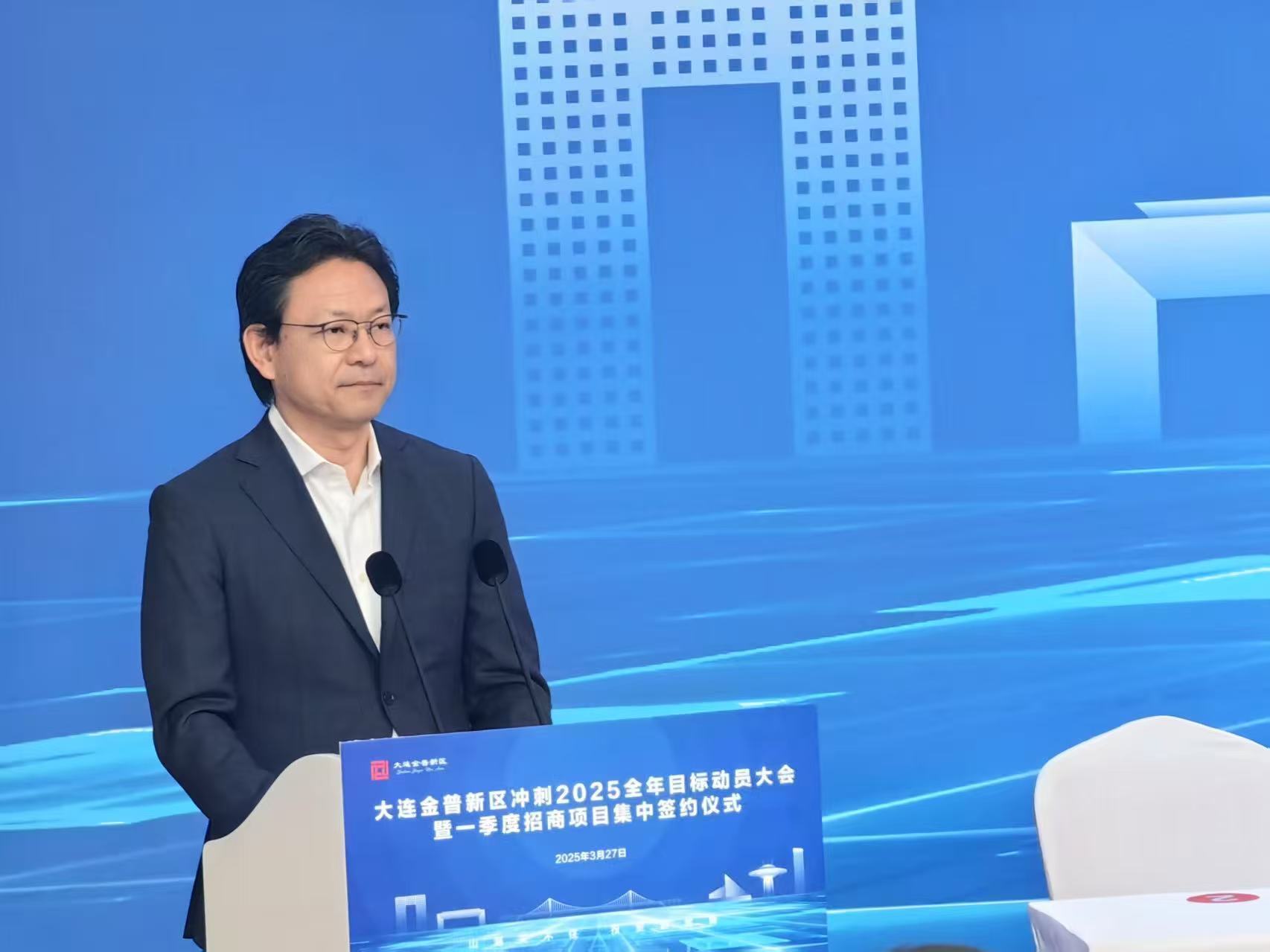
Dalian Sakabe was invited to participate in the Dalian investment promotion project ceremony
On March 27, 2025, Dalian Sakabe, as an advanced foreign-funded enterprise in Dalian, was invited to participate in the investment promotion project ceremony of Dalian China.
2025/04/01
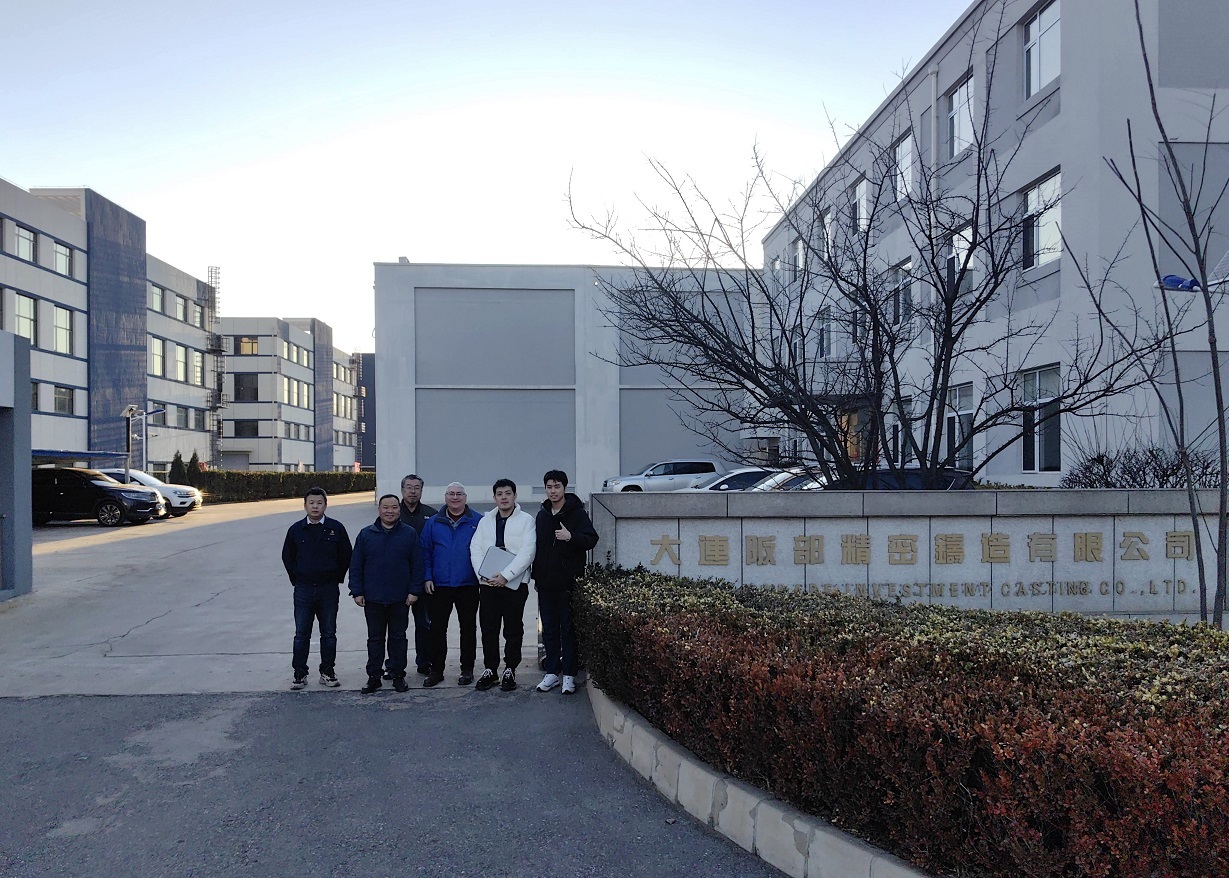
It is pleased that partner NME come to visit us Sakabe foundry
It is pleased that partner NME come to visit us Sakabe foundry. We share the same philosophy about quality standards, product positioning, environmental protection, and sustainable development. It's lucky to meet like-minded partners!
2025/02/19
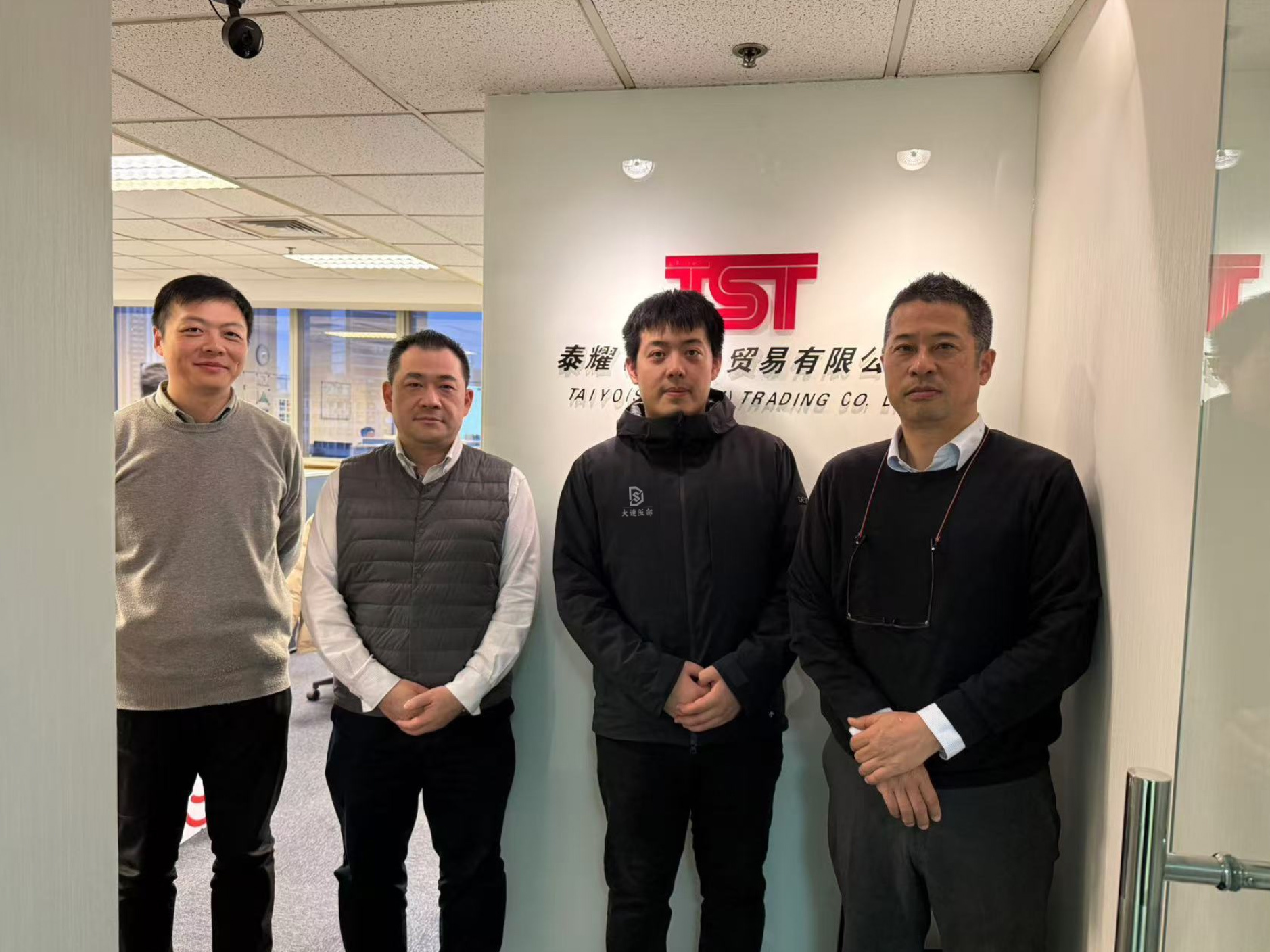
Great meeting with partner in Shanghai
Dalian Sakabe paying visit to our partner TST in Shanghai. Had discussions and plans for long term co-operation. Great thanks for your support!
2025/01/02
CONTACT US
Tel: +86 136-5494-1611
E-mail: alexzheng@sakabe.cn
Office Address:
No.18 Dongbei Qi Street, Jinpu New Area, Dalian, Liaoning, China
Factory Address:
No.26 Fuan Street, Jinpu New Area, Dalian, Liaoning, China
