


One of the primary benefits of precision machining is its ability to create highly intricate and complex shapes that traditional manufacturing methods may struggle to achieve. This capability allows manufacturers to produce custom components tailored to specific machinery requirements. For instance, precision-machined parts can be designed to fit seamlessly into food processing equipment, reducing the risk of contamination and ensuring smooth operation.
In addition to enhancing the design of food machinery accessories, precision machining also contributes significantly to the overall efficiency of production processes. When parts are machined with high precision, they not only fit better but also operate more effectively. This leads to fewer breakdowns, reduced maintenance costs, and ultimately, increased productivity. For food manufacturers, this means that their machinery can function at optimal levels, minimizing downtime and maximizing output.
Moreover, precision machining is vital for maintaining safety standards in the food industry. Equipment used in food processing must meet strict regulations to ensure that products are safe for consumption. Precision machining helps achieve this by allowing for the careful design and manufacture of components that minimize risks associated with food contamination. For instance, components can be designed with smooth surfaces that are easy to clean, reducing the likelihood of bacterial growth.
Sustainability is another important aspect of precision machining in food machinery accessory production. By utilizing advanced machining techniques, manufacturers can reduce waste and optimize material usage. This not only benefits the environment but also helps companies decrease costs associated with excess material.
Furthermore, the adoption of precision machining continues to evolve with advancements in technology. The introduction of computer numerical control (CNC) machines and automation has revolutionized the industry, allowing for higher production rates and even greater precision. As food processing demands increase globally, the reliance on precision machining for quality food machinery accessories is likely to grow even further.
In conclusion, precision machining of food machinery accessories is a cornerstone of quality and efficiency in the food processing industry. By enabling the production of high-quality, custom components, it enhances the performance of machinery, ensures safety, and promotes sustainability. As technology continues to advance, the future of precision machining in this sector looks promising, leading to improved processes and better food safety outcomes.

Introduction to investment casting manufacturing technique
Investment casting, also known as wax loss casting, is a long-standing metal forming process. The copper ban during the Spring and Autumn period in China was the earliest known lost wax casting method. The first step is to make a mold, using the mold to inject liquid wax into the mold to form a wax mold. Then, the wax mold is pasted into a pouring system according to the casting process, and the entire pouring system is made into a silica sol shell. After dewaxing, the entire shell becomes a cavity, and the cavity shell can be poured with molten steel after calcination. After cooling, the steel material product is formed. Subsequently, through processes such as cutting and grinding, sandblasting, heat treatment, correction, welding repair, electroplating, and machining, the cast products required by the customer are formed.
2024/10/08

Dalian is a beautiful coastal city in Northeast China, with beautiful scenery and pleasant climate. It is an important industrial production base, an international shipping center in Northeast Asia.
2024/07/11
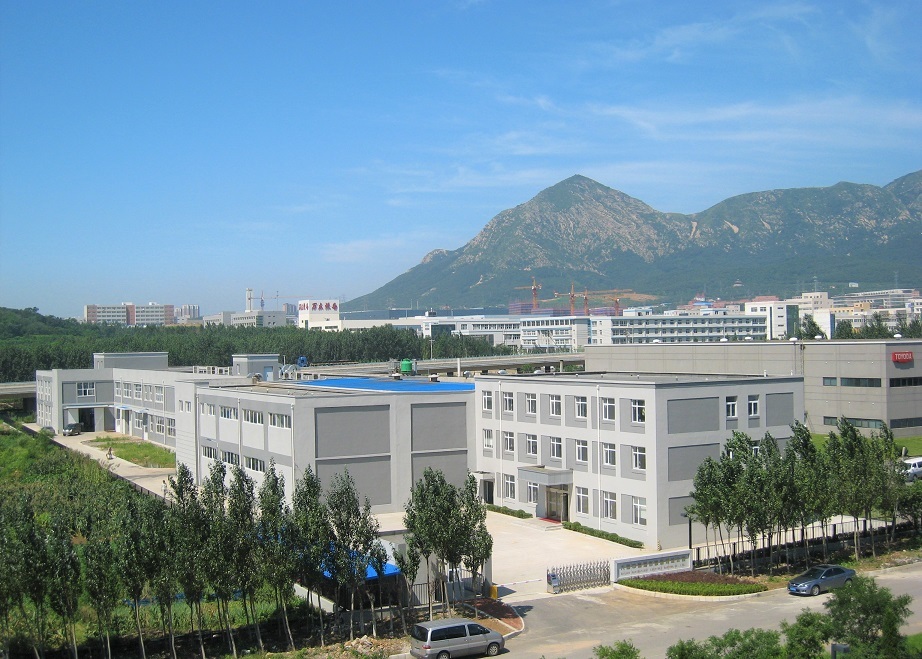
Dalian Sakabe has own foundry factory and focus on providing high-quality precision casting products to domestic and foreign customers since its establishment in 2005.
2024/10/08
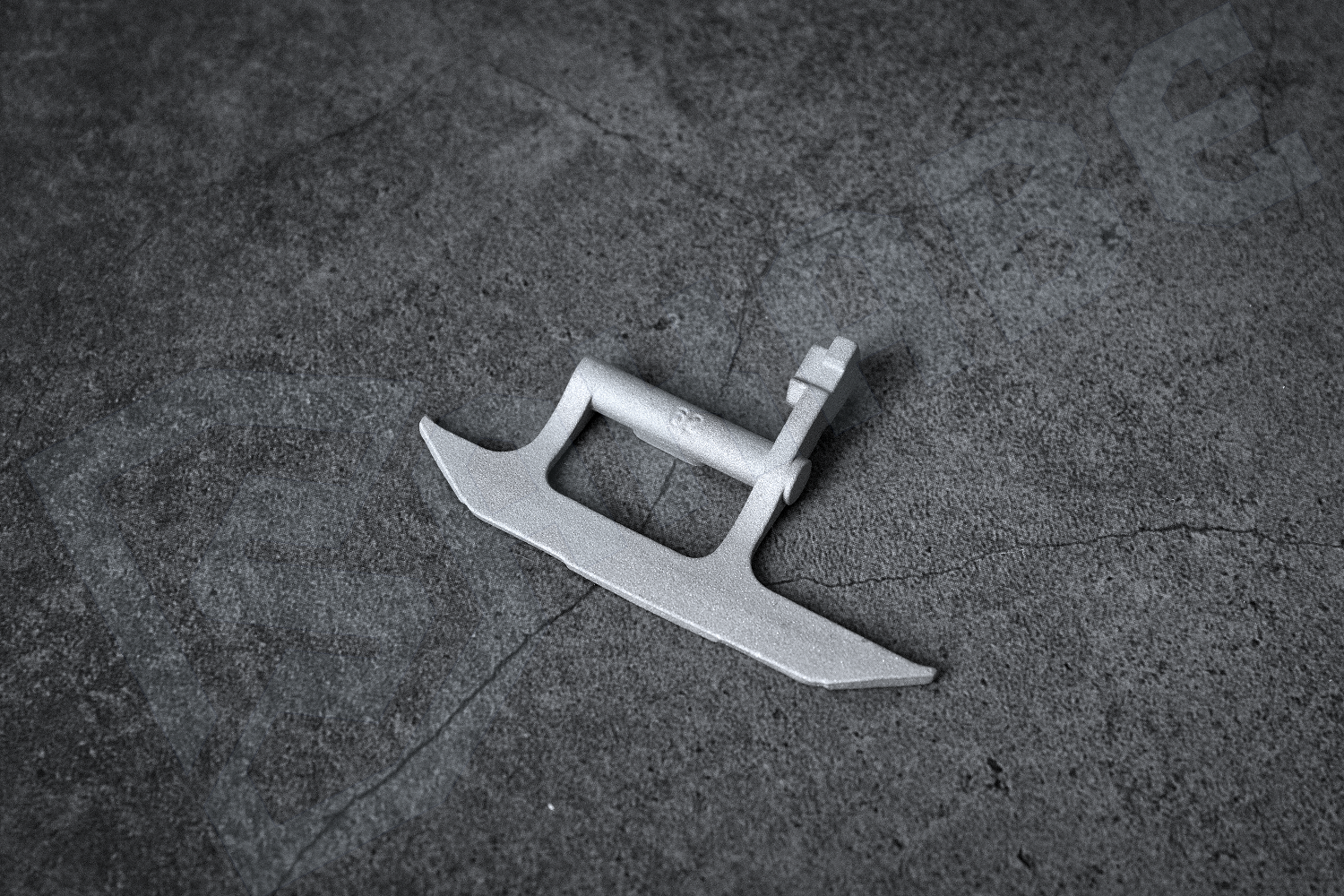
The Crucial Role of Casting Material Trays in Advanced Manufacturing
In the ever-evolving landscape of manufacturing, optimizing heat treatment processes through the strategic use of casting material trays is paramount
2025/09/19
CONTACT US
Tel: +86 136-5494-1611
E-mail: alexzheng@sakabe.cn
Office Address:
No.18 Dongbei Qi Street, Jinpu New Area, Dalian, Liaoning, China
Factory Address:
No.26 Fuan Street, Jinpu New Area, Dalian, Liaoning, China
