

Achieving Perfection: The Dewax Casting Process in Food Machinery
Table of Contents
- 1. Introduction to Dewax Casting in Food Machinery
- 2. Understanding the Dewax Casting Process
- 3. Benefits of Dewax Casting in Food Machinery Manufacturing
- 4. Applications of Dewax Casting in Food Machinery
- 5. Steps in the Dewax Casting Process
- 6. Materials Used in Dewax Casting
- 7. Quality Control and Inspection in Dewax Casting
- 8. The Future of Dewax Casting in Food Machinery
- 9. Conclusion
- 10. Frequently Asked Questions
1. Introduction to Dewax Casting in Food Machinery
Dewax casting, a precision metal casting method, has gained significant traction in the food machinery industry. This process is essential for creating highly durable and intricate components that meet stringent safety standards. As food machinery becomes increasingly sophisticated, the demand for quality-driven manufacturing processes like dewax casting continues to rise.
In this detailed guide, we will explore the nuances of dewax casting, including its benefits, applications, and the steps involved in the casting process. We aim to provide a comprehensive understanding of how dewax casting contributes to the food machinery sector, ultimately achieving perfection in design and functionality.
2. Understanding the Dewax Casting Process
Dewax casting, often referred to as investment casting, involves creating a wax pattern that is coated with a ceramic shell. Once the shell hardens, the wax is melted and removed, leaving behind a cavity that forms the mold for metal casting. This method is renowned for its ability to produce parts with exceptional surface finish and dimensional accuracy.
The dewax casting process typically follows several stages:
- **Pattern Creation**: Designing and creating the wax pattern to match the desired component.
- **Shell Building**: Coating the wax pattern with a fine mixture of silica and binder to create a robust shell.
- **Wax Removal**: Heating the shell to melt and drain the wax, creating the hollow mold.
- **Metal Pouring**: Pouring molten metal into the void to form the final part.
- **Shell Removal**: Breaking away the shell to reveal the cast part.
Understanding these fundamental steps lays the groundwork for appreciating the advantages that dewax casting brings to the food machinery industry.
3. Benefits of Dewax Casting in Food Machinery Manufacturing
The dewax casting process offers numerous benefits that enhance the efficiency and quality of food machinery components:
3.1 Precision and Accuracy
Dewax casting allows for intricate designs and precise tolerances, ensuring that components fit together seamlessly. This accuracy is crucial in applications where machinery must operate without error.
3.2 Superior Surface Finish
Parts produced through dewax casting typically exhibit a superior surface finish compared to those made using traditional methods. This smooth finish is vital in food machinery, where contamination risks must be minimized.
3.3 Material Versatility
A wide range of metals can be used in dewax casting, including stainless steel, aluminum, and bronze. This versatility enables manufacturers to select materials that best suit their specific applications.
3.4 Reduced Waste
Dewax casting is an efficient process that minimizes material waste. By creating only the necessary components, it helps reduce costs and environmental impact.
3.5 Enhanced Mechanical Properties
Parts produced via dewax casting often possess superior mechanical properties, which translates to increased durability and longer service life in demanding environments.
4. Applications of Dewax Casting in Food Machinery
Dewax casting is employed in various applications within the food machinery sector, demonstrating its versatility and effectiveness:
4.1 Components for Food Processing Equipment
Many food processing machines require complex components, such as gears, valves, and fittings, which can be efficiently produced using dewax casting techniques.
4.2 Kitchen Appliances
From blenders to commercial ovens, kitchen appliances often incorporate dewax-cast parts to achieve the necessary performance and durability.
4.3 Food Packaging Machinery
In the food packaging industry, precision components produced through dewax casting help ensure efficiency and reliability in packaging processes.
4.4 Safety Equipment
Safety is paramount in food machinery. Dewax casting is used to manufacture critical safety components, ensuring compliance with health and safety regulations.
5. Steps in the Dewax Casting Process
To better understand dewax casting, it is important to delve into the specifics of each step involved in the process:
5.1 Pattern Creation
The initial step involves designing the wax pattern, usually done with computer-aided design (CAD) software. This ensures high precision in the final product.
5.2 Shell Formation
Once the wax pattern is created, it is dipped into a ceramic slurry and coated with fine sand. The coating is allowed to dry and harden, forming a rigid shell around the wax pattern.
5.3 Wax Removal
The shell is then heated, causing the wax to melt and drain away. This step is critical for creating the hollow mold needed for metal pouring.
5.4 Metal Pouring
After removing the wax, molten metal is poured into the mold. The temperature and timing of this step are crucial for achieving the desired properties in the final casting.
5.5 Cooling and Shell Removal
Once the metal has cooled and solidified, the ceramic shell is broken away to reveal the cast component. Any post-casting processes, such as machining, can then be applied.
6. Materials Used in Dewax Casting
The choice of materials in the dewax casting process is vital to achieving the desired characteristics. Common materials include:
6.1 Wax
High-quality wax is essential for creating detailed patterns. Different types of wax can be used, depending on the specific requirements of the casting process.
6.2 Ceramics
A mixture of silica and binding agents is used to create the shell. The properties of these ceramics significantly influence the final product's quality.
6.3 Metals
The metal selected for casting plays a crucial role in the component's performance. Stainless steel is popular for its corrosion resistance, while aluminum offers lightweight properties.
7. Quality Control and Inspection in Dewax Casting
Implementing rigorous quality control measures is paramount in the dewax casting process to ensure that the final products meet industry standards. Key aspects include:
7.1 Visual Inspection
Inspecting the surface for defects and irregularities is the first step in quality assurance.
7.2 Dimensional Verification
Using precision measuring tools, manufacturers verify that the dimensions of the cast parts conform to specified tolerances.
7.3 Non-Destructive Testing (NDT)
NDT methods, such as ultrasonic testing, can identify internal flaws without damaging the components, ensuring their integrity.
7.4 Mechanical Property Testing
Conducting tests such as tensile and impact tests helps assess the mechanical properties of the cast materials, confirming their suitability for the intended application.
8. The Future of Dewax Casting in Food Machinery
The future of dewax casting in food machinery looks promising, with advancements in technology and materials driving innovation in the industry. As manufacturers seek to improve efficiency and sustainability, dewax casting will likely evolve to incorporate:
8.1 Automation
Automation can streamline the dewax casting process, reducing labor costs and increasing production speed.
8.2 Advanced Materials
The development of new materials with enhanced properties will improve the performance and durability of cast components.
8.3 Eco-Friendly Practices
As sustainability becomes a priority, manufacturers are likely to adopt more eco-friendly materials and processes within the dewax casting framework.
9. Conclusion
The dewax casting process represents a pinnacle of precision and quality in food machinery manufacturing. By utilizing advanced techniques and materials, manufacturers can achieve intricate designs and superior performance that fulfill the industry's rigorous demands. Understanding the nuances of this process is essential for professionals in the field, as it not only enhances the quality of food machinery components but also contributes to the overall safety and efficiency of food processing operations.
As the manufacturing landscape evolves, dewax casting will continue to play a pivotal role, driving innovation and excellence in the food machinery sector.
10. Frequently Asked Questions
1. What is dewax casting?
Dewax casting, also known as investment casting, is a precision metal casting process that uses a wax pattern coated with a ceramic shell. The wax is melted and removed, leaving a mold for metal casting.
2. What are the advantages of dewax casting?
Benefits of dewax casting include precision and accuracy, superior surface finish, reduced waste, material versatility, and enhanced mechanical properties.
3. What industries utilize dewax casting?
Dewax casting is commonly used in the food machinery sector, as well as in automotive, aerospace, and medical device manufacturing.
4. How does the dewax casting process work?
The process involves creating a wax pattern, forming a ceramic shell around it, removing the wax, pouring molten metal into the mold, and then breaking away the shell to reveal the final component.
5. What materials are commonly used in dewax casting?
Common materials for dewax casting include various types of wax, ceramics for the shell, and metals such as stainless steel, aluminum, and bronze.

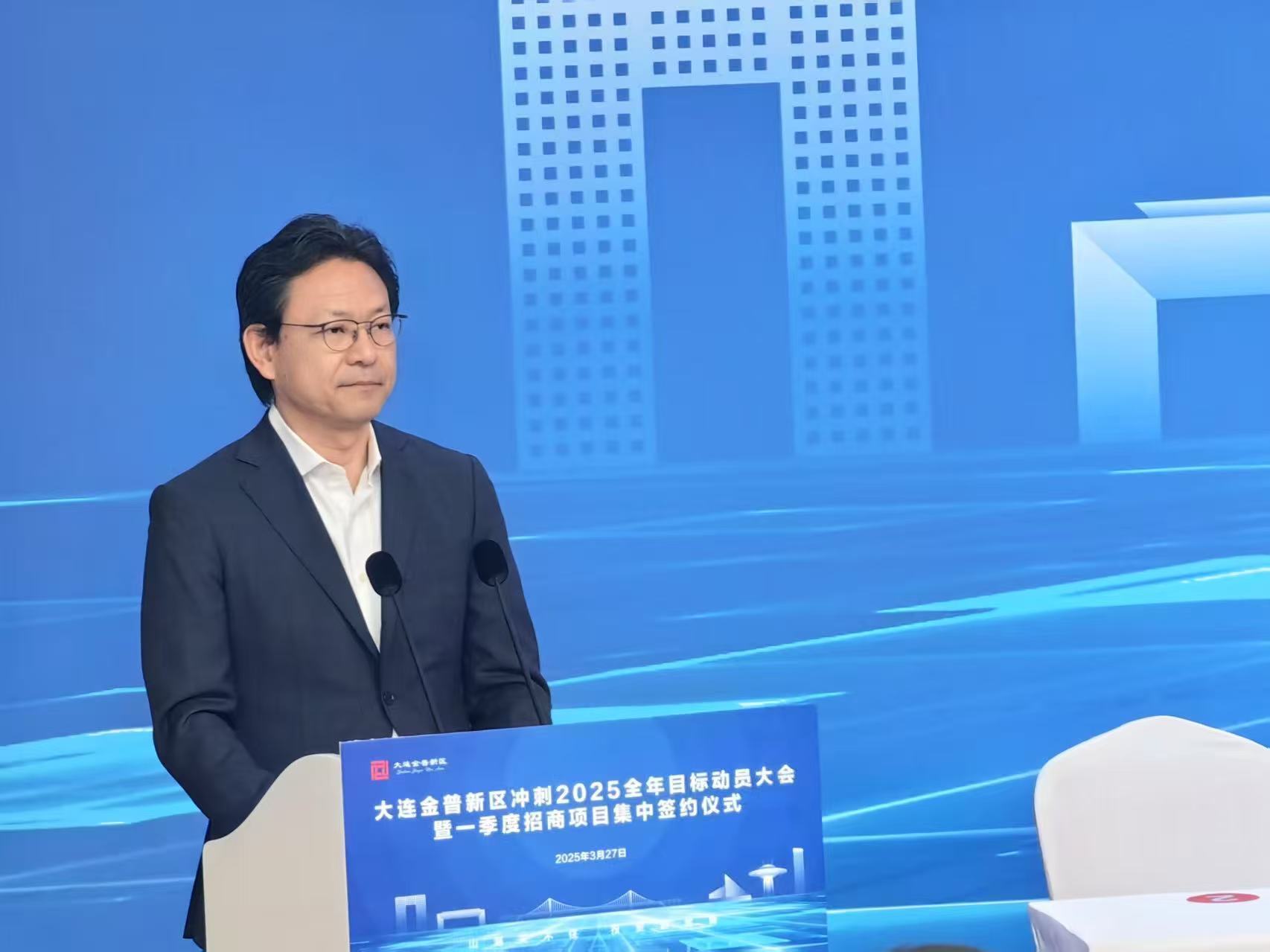
Dalian Sakabe was invited to participate in the Dalian investment promotion project ceremony
On March 27, 2025, Dalian Sakabe, as an advanced foreign-funded enterprise in Dalian, was invited to participate in the investment promotion project ceremony of Dalian China.
2025/04/01
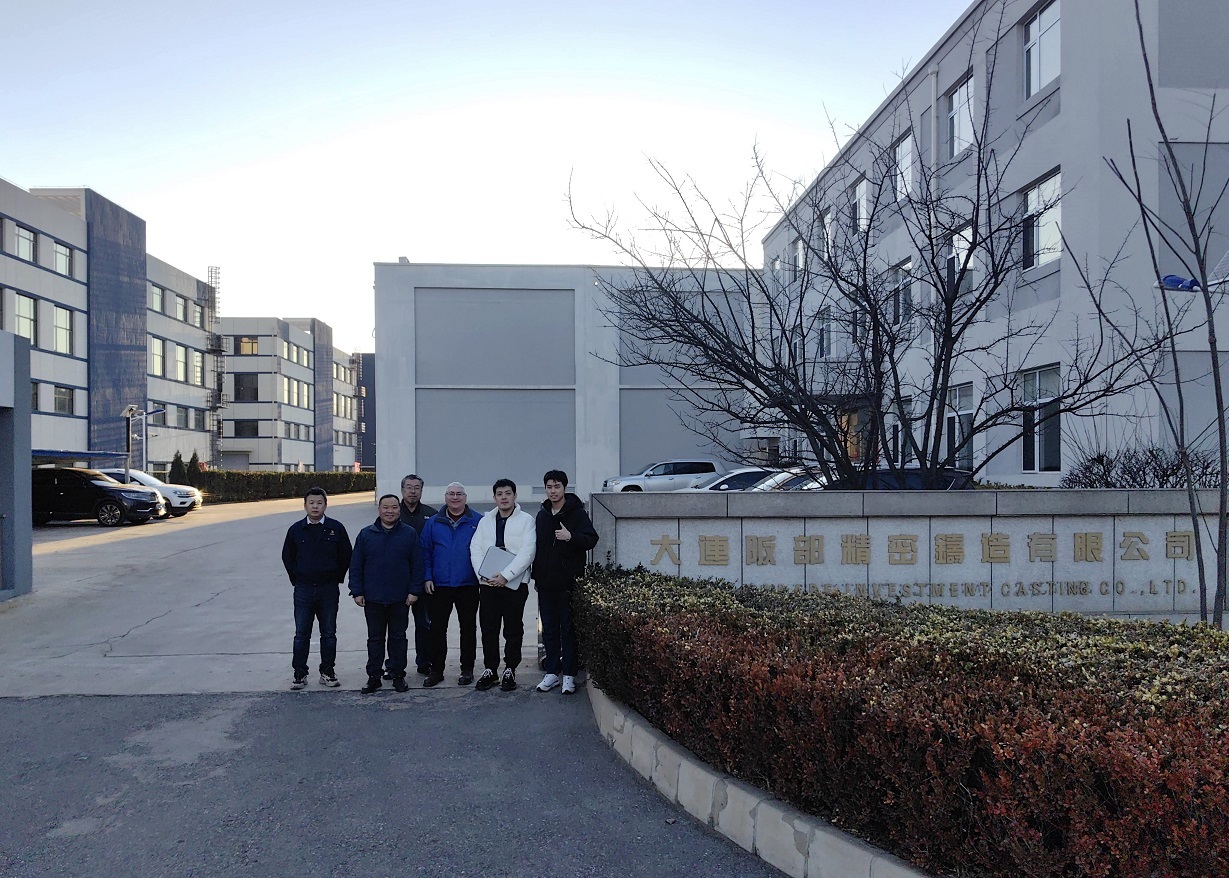
It is pleased that partner NME come to visit us Sakabe foundry
It is pleased that partner NME come to visit us Sakabe foundry. We share the same philosophy about quality standards, product positioning, environmental protection, and sustainable development. It's lucky to meet like-minded partners!
2025/02/19
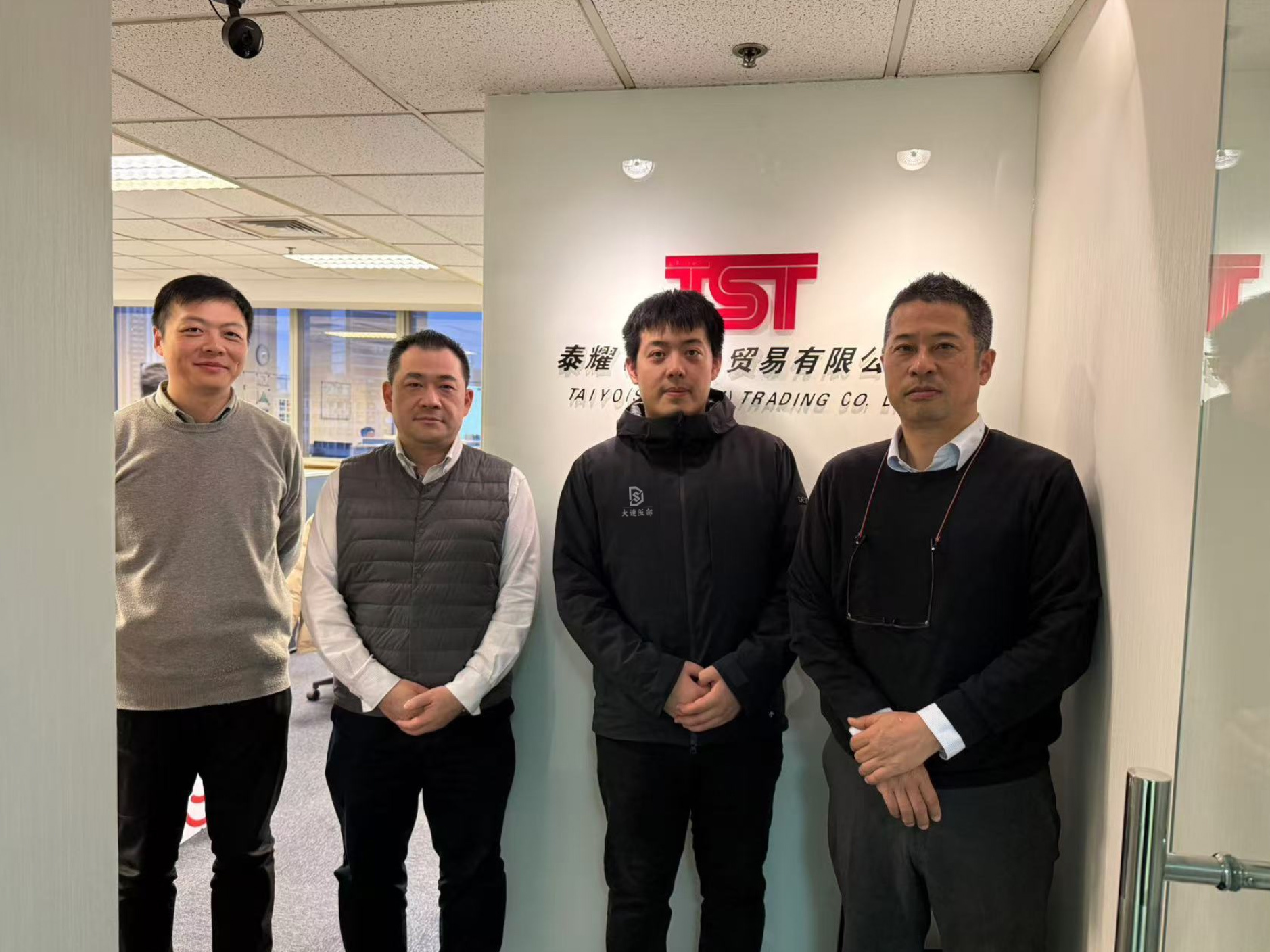
Great meeting with partner in Shanghai
Dalian Sakabe paying visit to our partner TST in Shanghai. Had discussions and plans for long term co-operation. Great thanks for your support!
2025/01/02
CONTACT US
Tel: +86 136-5494-1611
E-mail: alexzheng@sakabe.cn
Office Address:
No.18 Dongbei Qi Street, Jinpu New Area, Dalian, Liaoning, China
Factory Address:
No.26 Fuan Street, Jinpu New Area, Dalian, Liaoning, China
