


Choosing the Right Materials for Dewax Casting in Beverage Parts
Introduction to Dewax Casting in Beverage Manufacturing
Dewax casting, also known as lost-wax casting, is a popular manufacturing technique widely used in the beverage industry to produce intricate parts with high precision. This method involves creating a wax model of the desired part, encasing it in a ceramic shell, and then melting away the wax to leave a cavity for metal pouring. The choice of materials used in this process significantly impacts the quality and performance of the final product.
The Importance of Selecting the Right Materials
When it comes to dewax casting in beverage parts, the materials chosen play a crucial role in determining the casting's strength, durability, and overall functionality. The right materials not only enhance the casting process but also ensure that the final products meet industry standards for safety and performance.
Key Considerations for Material Selection
Before diving into specific materials, it's essential to understand the key factors that should influence your selection process:
1. Mechanical Properties
The mechanical properties of a material, such as tensile strength, hardness, and ductility, are critical in ensuring the durability of beverage parts. The materials must withstand various stresses and strains during both the manufacturing process and their intended use.
2. Corrosion Resistance
In a beverage environment, parts are often exposed to moisture, acids, and other corrosive substances. Selecting materials with high corrosion resistance ensures longevity and reliability in production.
3. Thermal Conductivity
Thermal conductivity plays a significant role in dewax casting. Materials with appropriate thermal properties help control the cooling rate, minimizing defects like shrinkage and cracks in the final casting.
4. Cost-Effectiveness
While quality is paramount, the cost of materials should also be considered. Striking a balance between performance and cost ensures that manufacturing remains profitable.
Common Materials Used in Dewax Casting
Now that we've covered the critical considerations, let's explore some of the most common materials used for dewax casting in beverage parts:
1. 316 Stainless Steel
316 stainless steel is one of the most widely used materials for dewax casting in the beverage industry. Its exceptional corrosion resistance and mechanical properties make it ideal for parts that come into contact with liquids. Additionally, 316 stainless steel is easy to clean, ensuring that manufacturing processes remain hygienic.
2. Aluminum Alloys
Aluminum alloys are favored for their lightweight properties and excellent thermal conductivity. They are particularly useful in applications where weight reduction is crucial without compromising strength. Aluminum casting allows for intricate designs, making it suitable for various beverage components.
3. Bronze Alloys
Bronze alloys offer a blend of strength and corrosion resistance, making them suitable for components that endure harsh environments. They are commonly used for parts like valves and fittings in beverage machinery, where reliability is essential.
4. Carbon Steel
Carbon steel is a cost-effective option for dewax casting, particularly for parts that do not require high corrosion resistance. While it may not be the best choice for all applications, it serves well in specific roles within beverage manufacturing.
5. Nickel Alloys
Nickel alloys provide excellent resistance to heat and corrosion, making them appropriate for high-temperature environments. These materials are ideal for specialized beverage parts that require durability under extreme conditions.
Optimizing the Dewax Casting Process
Choosing the right material is just one part of the equation. To optimize the dewax casting process in beverage parts, consider the following factors:
1. Precision in Wax Model Creation
The accuracy of the wax model is crucial for achieving high-quality casting. Utilize advanced techniques such as CAD (Computer-Aided Design) to create precise models that reflect the desired final product.
2. Proper Shell Thickness
The thickness of the ceramic shell should be carefully controlled to balance strength and weight. A shell that is too thick can lead to longer cooling times, while a shell that is too thin may not provide adequate support during pouring.
3. Controlled Wax Removal
Efficient wax removal is essential to avoid contamination of the casting cavity. Implementing controlled heating methods can help ensure that the wax is removed uniformly without damaging the ceramic shell.
4. Quality Control Measures
Establishing stringent quality control measures throughout the dewax casting process can help identify defects early on. Regular inspections and tests can ensure that the final products meet the necessary standards.
Environmental Considerations in Material Selection
As the beverage industry continues to adopt sustainable practices, it's important to consider the environmental impact of the materials used in dewax casting. Opting for recyclable materials and reducing waste during the casting process can contribute to a greener manufacturing approach.
1. Choosing Eco-Friendly Materials
Whenever possible, select materials that have a lower environmental footprint. For instance, using recycled aluminum alloys can reduce energy consumption and waste.
2. Waste Management Strategies
Implementing waste management strategies can help minimize the impact of manufacturing waste. Consider recycling scrap metal and reusing materials whenever feasible.
Technology and Innovations in Dewax Casting
The dewax casting industry is evolving with technological advancements. Innovations such as 3D printing and better simulation software are enhancing the design and casting processes.
1. 3D Printing for Wax Models
Using 3D printing to create wax models can significantly reduce lead times and improve precision. This technology allows for rapid prototyping and testing of designs before committing to the casting process.
2. Simulation Software
Investing in advanced simulation software can help predict potential issues in the casting process, allowing for adjustments before manufacturing begins. This proactive approach reduces waste and improves efficiency.
Conclusion
Selecting the right materials for dewax casting in beverage parts is a multifaceted process that requires careful consideration of various factors, including mechanical properties, corrosion resistance, and cost-effectiveness. By understanding the materials available and optimizing the casting process, manufacturers can produce high-quality components that meet the demands of the beverage industry. Additionally, incorporating sustainable practices and leveraging technology can lead to more efficient and environmentally friendly manufacturing. As the industry continues to evolve, staying informed and adaptable will ensure success in the competitive landscape of beverage manufacturing.
Frequently Asked Questions (FAQs)
1. What is dewax casting, and how does it work?
Dewax casting, or lost-wax casting, involves creating a wax model of a part, encasing it in a ceramic shell, and then melting away the wax to create a mold for pouring metal.
2. What materials are commonly used in dewax casting?
Common materials include 316 stainless steel, aluminum alloys, bronze alloys, carbon steel, and nickel alloys, each chosen based on specific properties required for the application.
3. How can I ensure the quality of the final product in dewax casting?
Implementing quality control measures, such as regular inspections and tests during the casting process, can help ensure that the final products meet industry standards.
4. Why is corrosion resistance important in beverage parts?
Corrosion resistance is crucial because beverage parts are often exposed to liquids that can cause degradation over time, impacting the performance and safety of the product.
5. What role does technology play in improving the dewax casting process?
Technology, such as 3D printing for wax models and advanced simulation software, helps improve precision, reduce lead times, and predict potential issues, leading to more efficient casting processes.

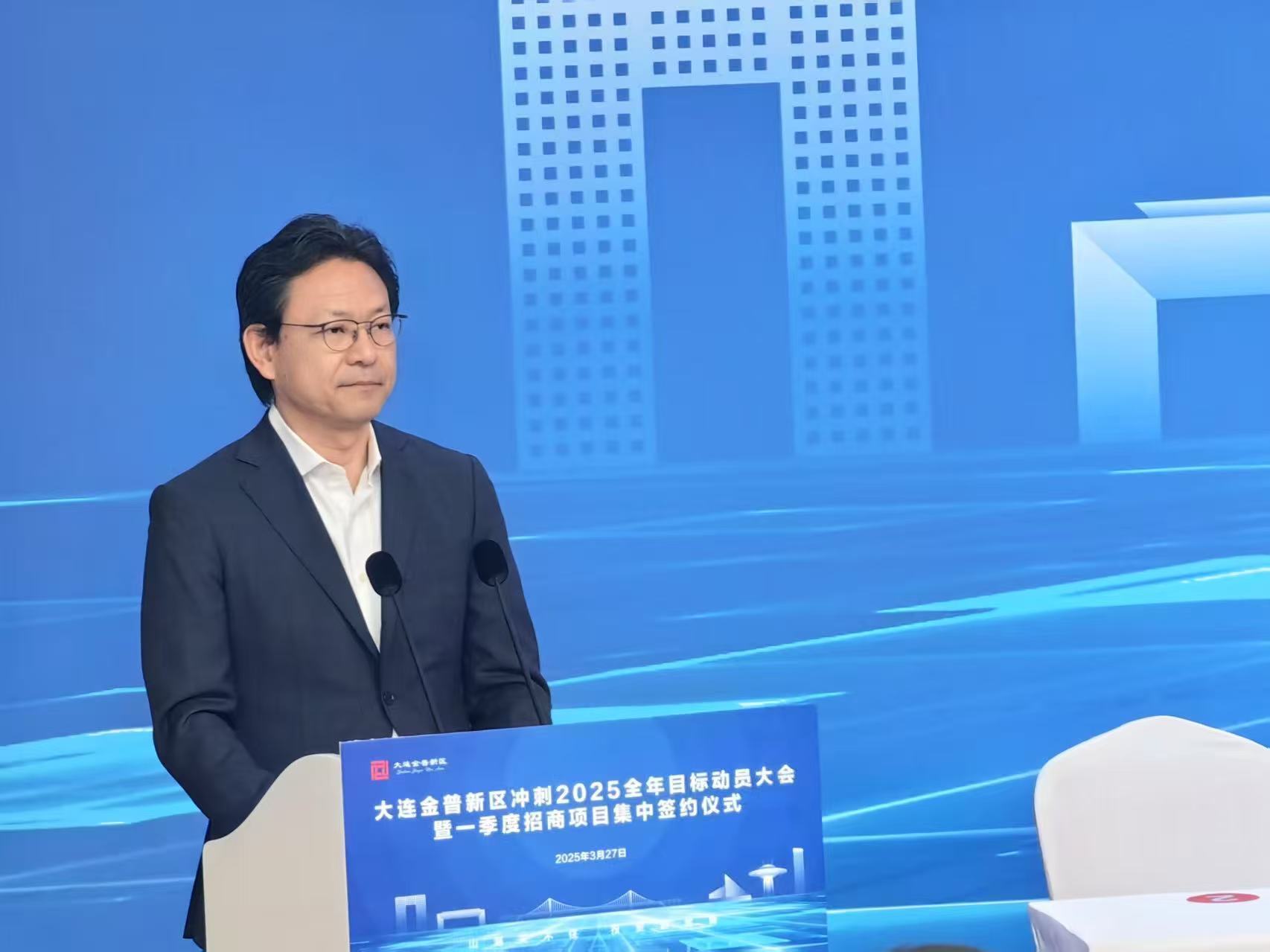
Dalian Sakabe was invited to participate in the Dalian investment promotion project ceremony
On March 27, 2025, Dalian Sakabe, as an advanced foreign-funded enterprise in Dalian, was invited to participate in the investment promotion project ceremony of Dalian China.
2025/04/01
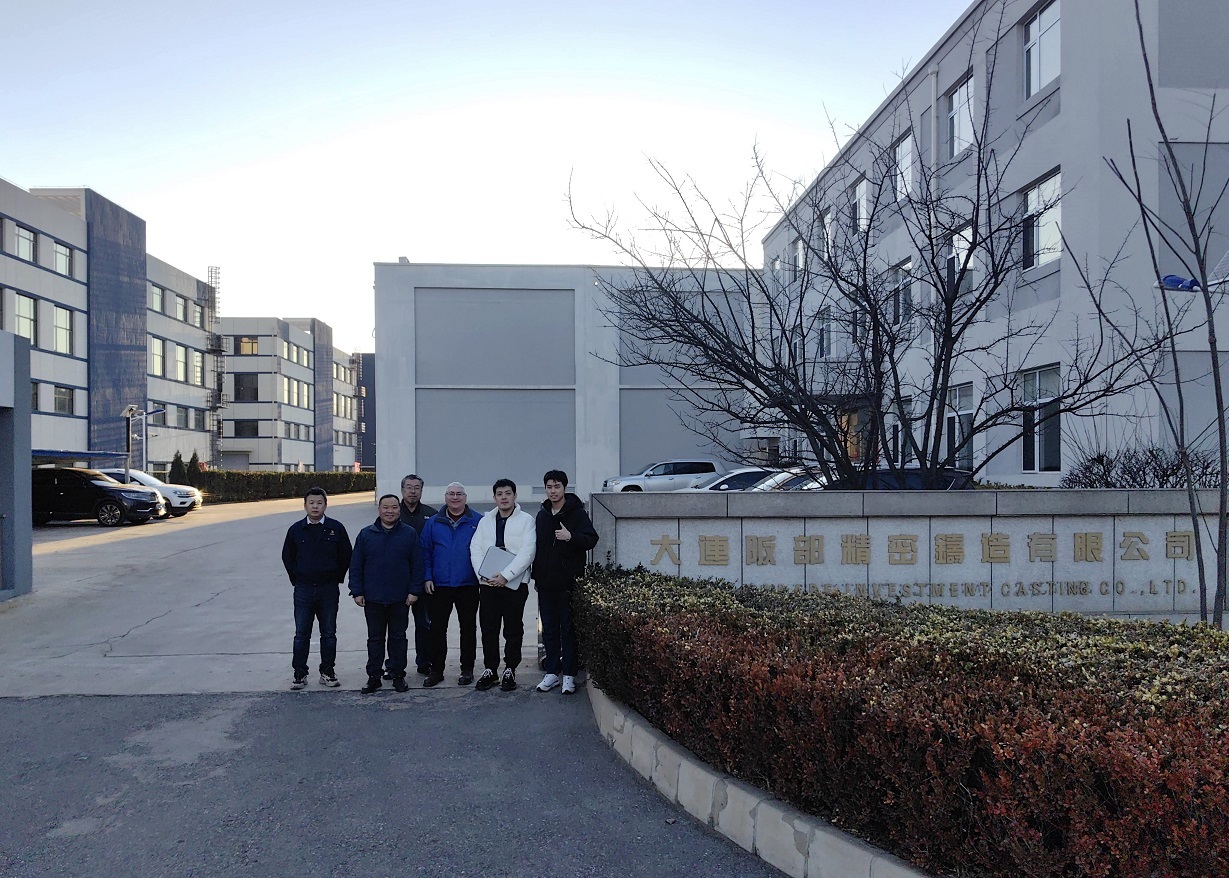
It is pleased that partner NME come to visit us Sakabe foundry
It is pleased that partner NME come to visit us Sakabe foundry. We share the same philosophy about quality standards, product positioning, environmental protection, and sustainable development. It's lucky to meet like-minded partners!
2025/02/19
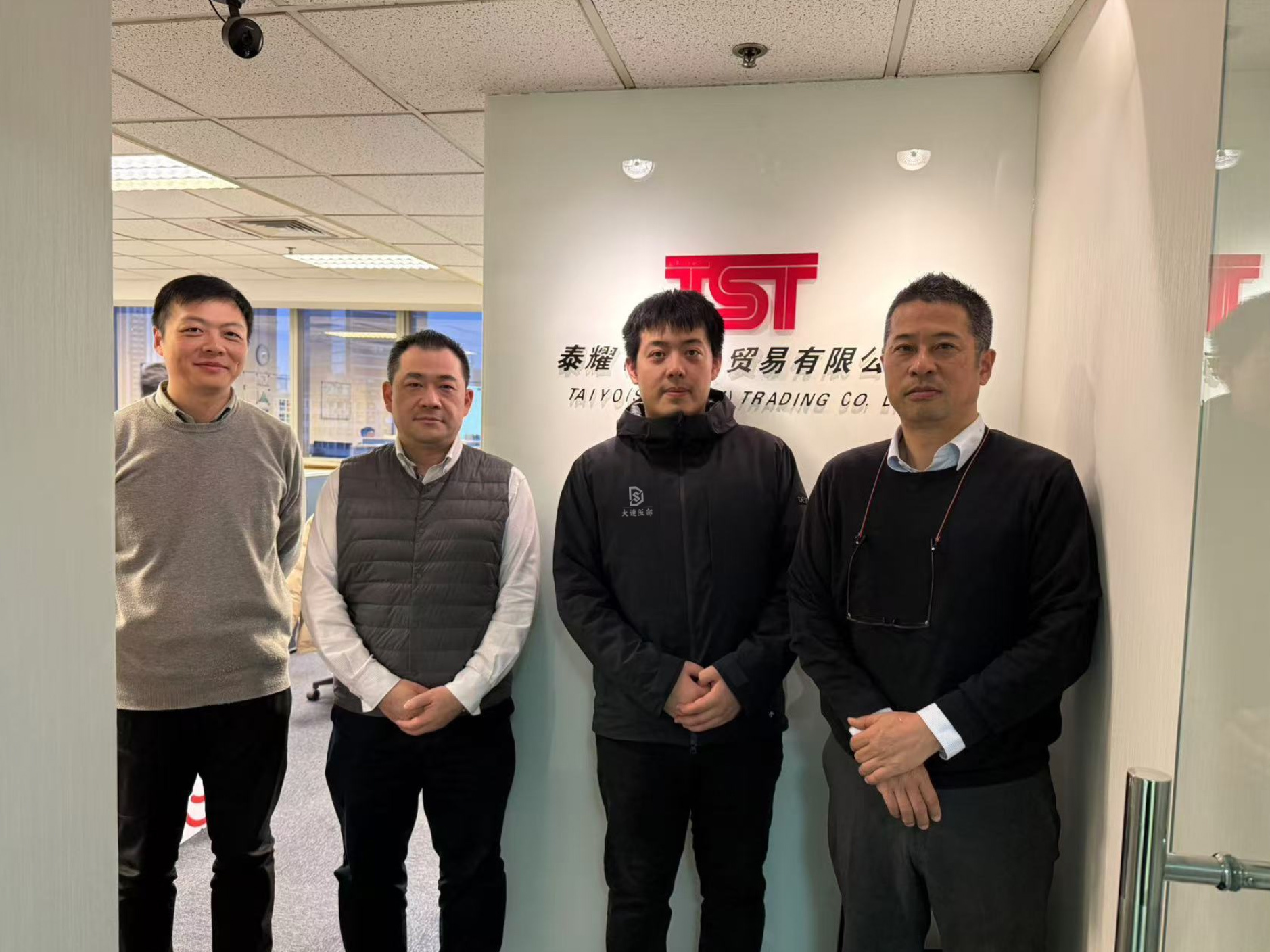
Great meeting with partner in Shanghai
Dalian Sakabe paying visit to our partner TST in Shanghai. Had discussions and plans for long term co-operation. Great thanks for your support!
2025/01/02
CONTACT US
Tel: +86 136-5494-1611
E-mail: alexzheng@sakabe.cn
Office Address:
No.18 Dongbei Qi Street, Jinpu New Area, Dalian, Liaoning, China
Factory Address:
No.26 Fuan Street, Jinpu New Area, Dalian, Liaoning, China
