


Essential Insights on Dewax Casting Techniques for Flowmeter Components
Flowmeters play a crucial role in various industrial applications, providing accurate measurements of fluid flow. The manufacturing of flowmeter components requires high precision and reliability, making the choice of casting techniques essential. One innovative method gaining traction in the industry is **dewax casting**, a process that allows manufacturers to create intricate and high-quality components with improved performance. In this article, we will explore the nuances of dewax casting techniques, their advantages, and best practices for implementing them in the production of flowmeter components.
Table of Contents
1. Introduction to Dewax Casting Techniques
2. What is Dewax Casting?
3. Advantages of Dewax Casting in Flowmeter Manufacturing
4. The Dewax Casting Process Explained
- Mold Preparation
- Wax Injection
- Dewaxing
- Metal Casting
5. Materials Used in Dewax Casting
6. Quality Control Measures for Dewax Casting
7. Case Studies: Successful Applications of Dewax Casting
8. The Future of Dewax Casting Techniques
9. Conclusion
10. FAQs
Introduction to Dewax Casting Techniques
In the realm of **manufacturing flowmeter components**, precision and consistency are paramount. Dewax casting has emerged as a preferred method among manufacturers due to its ability to produce complex shapes with tight tolerances. This method involves creating a wax pattern of the desired component, which is then encased in a ceramic shell. The wax is subsequently melted away, leaving a cavity for molten metal to be poured into. This innovative technique not only enhances the capabilities of flowmeter components but also addresses some of the challenges faced in traditional casting methods.
What is Dewax Casting?
Dewax casting, also known as **lost wax casting**, is a specialized technique used primarily for **manufacturing intricate metal components**. It involves the following key steps:
1. **Creation of a Wax Pattern**: A detailed wax pattern of the desired component is produced, often using advanced printing technologies.
2. **Shell Building**: The wax pattern is coated in a fine ceramic material to create a shell, which provides the necessary support for the molten metal.
3. **Dewaxing**: The wax is melted and drained out, leaving behind a hollow ceramic shell.
4. **Metal Casting**: Finally, molten metal is poured into the shell, where it solidifies to form the component.
This method offers exceptional accuracy and can be used for a variety of materials, including stainless steel, aluminum, and bronze, making it ideal for flowmeter components that require durability and corrosion resistance.
Advantages of Dewax Casting in Flowmeter Manufacturing
Dewax casting offers numerous benefits over traditional casting methods, particularly in the context of manufacturing **flowmeter components**. Some of the key advantages include:
1. **High Precision**: The ability to create detailed patterns allows for tighter tolerances and higher-quality finishes.
2. **Complex Geometries**: Dewax casting can produce intricate designs that would be difficult or impossible to achieve with other methods.
3. **Material Efficiency**: The process minimizes waste and can often utilize recycled materials, making it more sustainable.
4. **Improved Surface Quality**: The smooth finish of dewax cast components reduces the need for extensive machining, saving time and costs.
5. **Versatility**: This casting method is compatible with a wide range of metals and alloys, providing flexibility in material selection.
The Dewax Casting Process Explained
Understanding the dewax casting process is crucial for optimizing the manufacturing of flowmeter components. Here is a detailed look at each stage of the dewax casting process:
Mold Preparation
The first step in the dewax casting process is mold preparation. This involves creating a wax pattern, which is typically done using **3D printing or injection molding**. The pattern should mirror the exact dimensions and features of the final product. Smooth surface finishes and intricate details are crucial at this stage to ensure high-quality results.
Wax Injection
Once the mold is prepared, **wax injection** takes place. The molten wax is injected into the mold under pressure to form the pattern. After cooling, the wax pattern is carefully removed and any defects are addressed, ensuring that it meets quality standards before proceeding to the next step.
Dewaxing
The dewaxing phase involves heating the ceramic shell to a temperature that melts the wax and allows it to flow out. This step is critical as it ensures the complete removal of wax, preventing any contamination in the final product. The remaining ceramic shell must be thoroughly cleaned before metal casting begins.
Metal Casting
The final step is **metal casting**, where the molten metal is poured into the ceramic shell. It is crucial to maintain precise temperature control during this stage to ensure proper flow and solidification of the metal. After the metal has cooled and solidified, the ceramic shell is broken away, revealing the cast component.
Materials Used in Dewax Casting
The success of dewax casting heavily relies on the materials used throughout the process. Some common materials include:
1. **Wax**: High-quality wax that can withstand the heating process without leaving residues is crucial for forming accurate patterns.
2. **Ceramic Shell**: A fine-grained ceramic material is used to create the shell that can withstand the high temperatures of molten metal.
3. **Metals and Alloys**: Commonly used metals include stainless steel, aluminum, and bronze, chosen for their specific properties required for flowmeter components.
Selecting the right materials ensures the durability and performance of the final product, directly impacting its effectiveness in measuring fluid flow.
Quality Control Measures for Dewax Casting
Implementing stringent quality control measures throughout the dewax casting process is essential to maintain consistent standards. Here are some key practices:
1. **Inspection of Wax Patterns**: Regular checks should be conducted on the wax patterns for any defects or inconsistencies before proceeding with the shell building.
2. **Shell Integrity Tests**: Inspect the ceramic shell for cracks or weaknesses that could impact the casting process.
3. **Metal Composition Analysis**: Conduct tests on the molten metal to ensure it meets the specified material standards.
4. **Final Component Inspection**: Once the casting is complete, each component should be thoroughly inspected for dimensional accuracy and surface quality.
Such quality control measures can help detect potential issues early in the process, thereby reducing waste and improving overall efficiency.
Case Studies: Successful Applications of Dewax Casting
Numerous industries have successfully adopted dewax casting techniques to manufacture flowmeter components. Below are a few notable examples:
1. **Oil and Gas Industry**: Companies have reported increased accuracy in flow measurements for crude oil transport due to the enhanced precision of dewax cast flowmeters.
2. **Water Treatment Facilities**: The durability of dewax cast components has proven beneficial in harsh chemical environments, leading to longer service life and reduced maintenance costs.
3. **Food and Beverage Industry**: Dewax casting has allowed for the production of specialized flowmeters that meet stringent hygiene standards while maintaining accuracy.
These case studies emphasize the versatility and effectiveness of dewax casting in producing high-quality flowmeter components across various industries.
The Future of Dewax Casting Techniques
As technology continues to evolve, so too will the methods and materials used in dewax casting. The integration of advanced manufacturing techniques, such as **additive manufacturing** and **automation**, is expected to enhance precision and efficiency even further. Research into new materials may also lead to the development of components with improved performance characteristics, solidifying dewax casting's position as a leading method for manufacturing flowmeter components.
Conclusion
Dewax casting techniques are revolutionizing the manufacturing of flowmeter components through their precision, efficiency, and versatility. By understanding the process and implementing best practices, manufacturers can enhance the quality of their products while remaining competitive in the ever-evolving industry landscape. As we look to the future, the continued development and refinement of dewax casting techniques will further solidify their integral role in the production of high-performance flowmeter components.
FAQs
**1. What is dewax casting, and how does it work?**
Dewax casting is a specialized manufacturing technique that involves creating a wax pattern, encasing it in a ceramic shell, and then pouring molten metal into the cavity left after the wax is removed.
**2. What are the primary advantages of using dewax casting for flowmeter components?**
The main advantages include high precision, the ability to create complex geometries, improved surface quality, and material efficiency.
**3. What materials are commonly used in dewax casting?**
Common materials include high-quality wax for pattern making, fine-grained ceramic for shells, and metals such as stainless steel and aluminum for casting.
**4. How can manufacturers ensure quality control in the dewax casting process?**
Manufacturers can implement quality control measures such as inspecting wax patterns, conducting shell integrity tests, analyzing metal composition, and performing final component inspections.
**5. What industries benefit from dewax casting techniques?**
Dewax casting techniques are widely used in industries such as oil and gas, water treatment, food and beverage, and many more, providing accurate and durable flowmeter components.
**6. What is the future of dewax casting?**
The future of dewax casting lies in the integration of advanced manufacturing technologies, research into new materials, and continued improvement of existing methods, enhancing precision and efficiency even further.

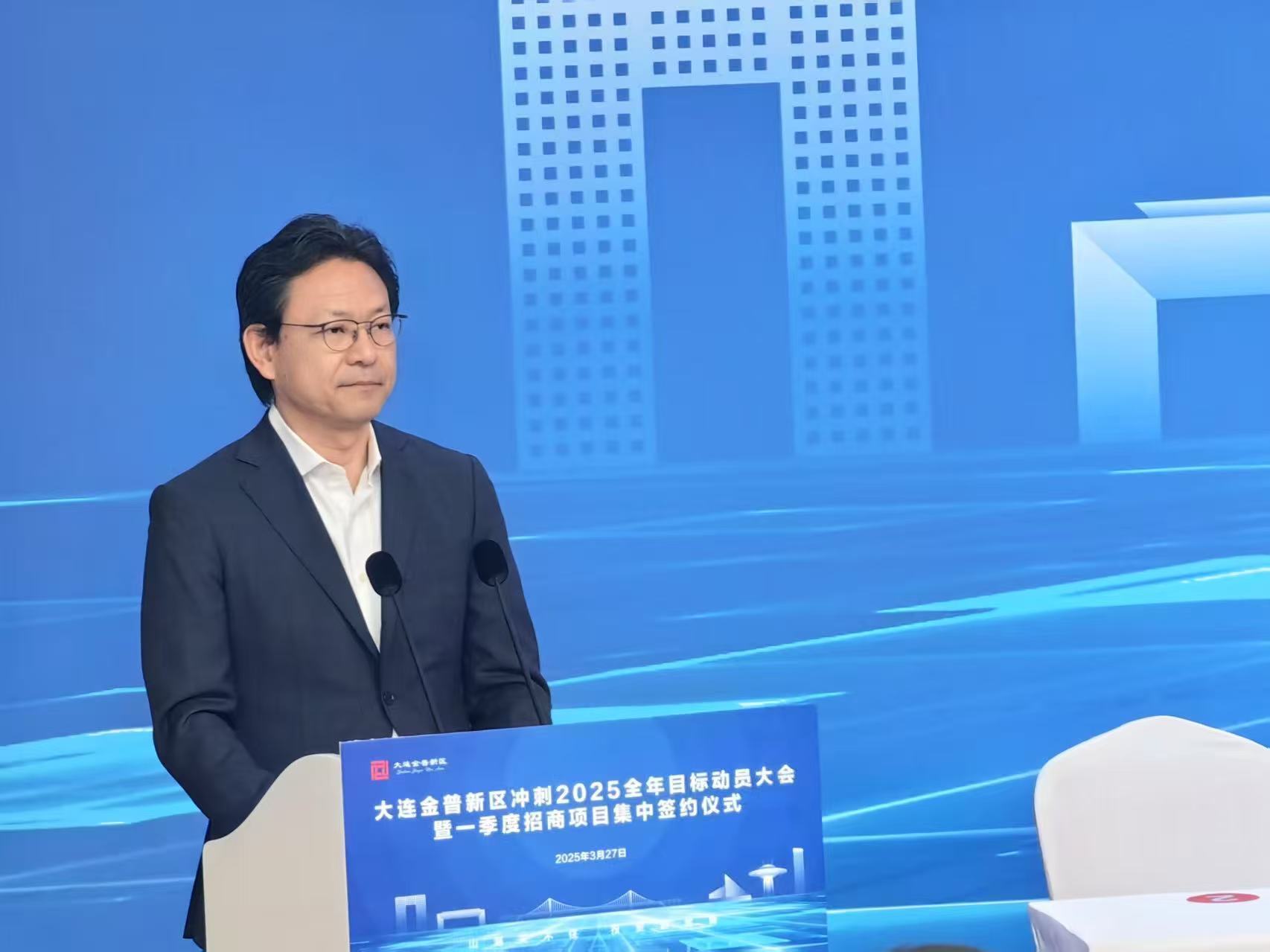
Dalian Sakabe was invited to participate in the Dalian investment promotion project ceremony
On March 27, 2025, Dalian Sakabe, as an advanced foreign-funded enterprise in Dalian, was invited to participate in the investment promotion project ceremony of Dalian China.
2025/04/01
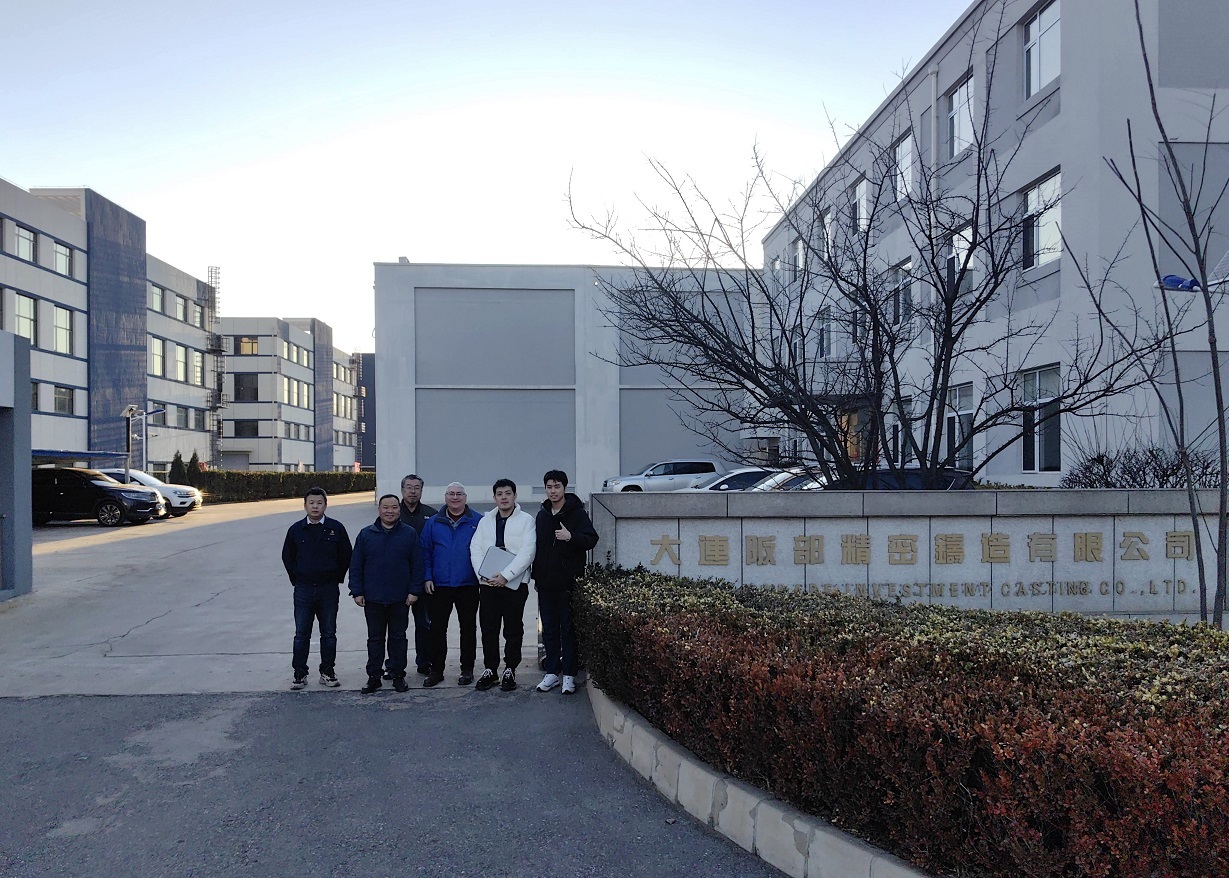
It is pleased that partner NME come to visit us Sakabe foundry
It is pleased that partner NME come to visit us Sakabe foundry. We share the same philosophy about quality standards, product positioning, environmental protection, and sustainable development. It's lucky to meet like-minded partners!
2025/02/19
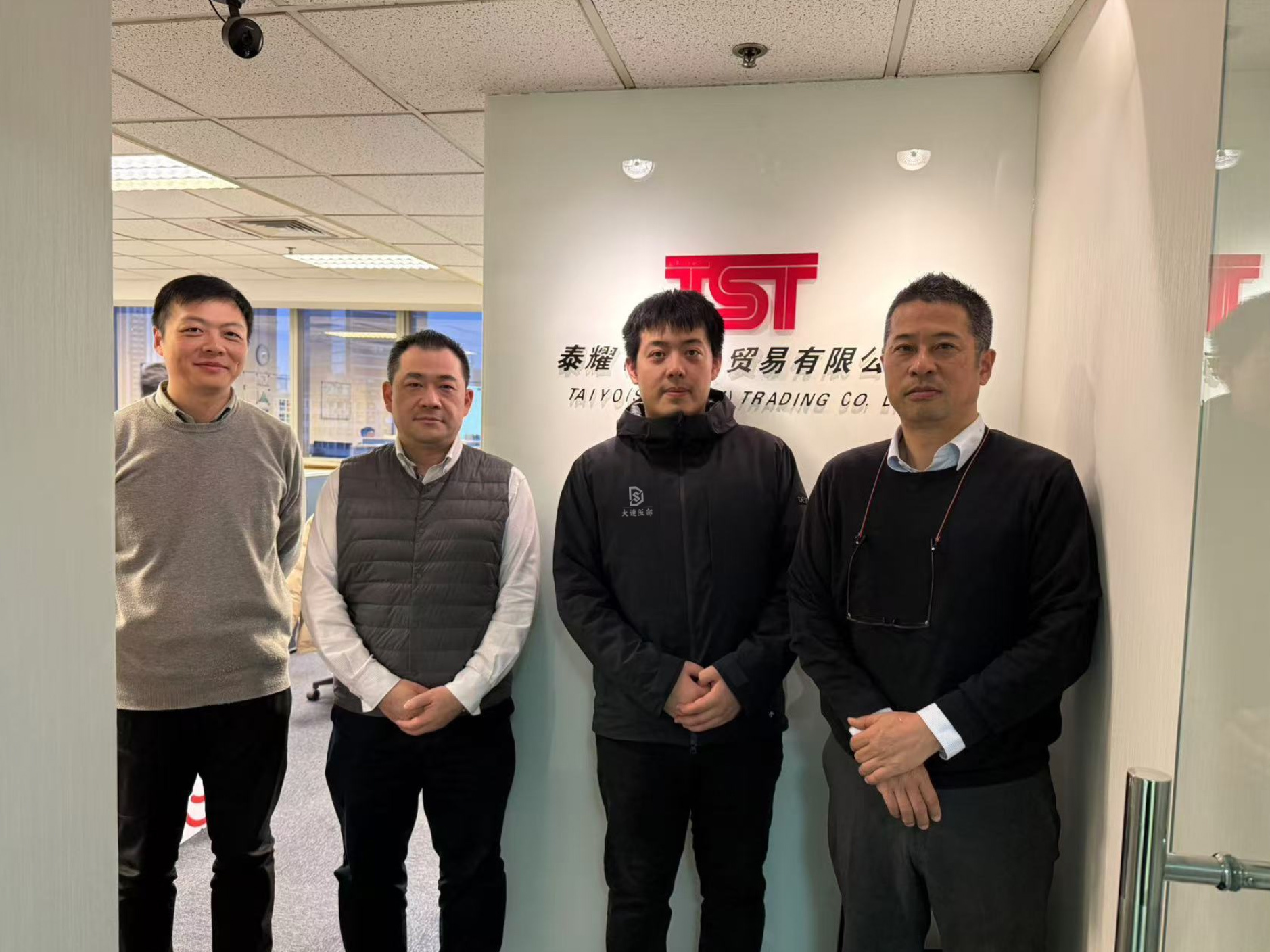
Great meeting with partner in Shanghai
Dalian Sakabe paying visit to our partner TST in Shanghai. Had discussions and plans for long term co-operation. Great thanks for your support!
2025/01/02
CONTACT US
Tel: +86 136-5494-1611
E-mail: alexzheng@sakabe.cn
Office Address:
No.18 Dongbei Qi Street, Jinpu New Area, Dalian, Liaoning, China
Factory Address:
No.26 Fuan Street, Jinpu New Area, Dalian, Liaoning, China
