


Enhancing Textile Machine Performance Through Precision Machining
Table of Contents
- 1. Introduction to Textile Machines and Precision Machining
- 2. Importance of Precision Machining in Textile Manufacturing
- 3. Key Precision Machining Techniques for Textile Machines
- 4. Benefits of Precision Machining in Enhancing Textile Machine Performance
- 5. Challenges in Implementing Precision Machining
- 6. Case Studies: Successful Applications of Precision Machining
- 7. Future Trends in Precision Machining for the Textile Industry
- 8. Conclusion
- 9. Frequently Asked Questions
1. Introduction to Textile Machines and Precision Machining
The textile manufacturing industry is evolving rapidly, requiring high-performance machinery that can withstand increased demands. Precision machining plays a pivotal role in crafting these machines, ensuring they operate efficiently and consistently. By employing state-of-the-art machining techniques, manufacturers can enhance the functionality and lifespan of textile machines, which is crucial in meeting the market's growing demands.
2. Importance of Precision Machining in Textile Manufacturing
Precision machining involves highly accurate cutting, shaping, and finishing processes that create components with minimal tolerances. This degree of accuracy is essential in textile machinery, where components such as gears, spindles, and rollers must align perfectly to function properly. The importance of precision machining in textile manufacturing cannot be overstated; it directly influences the **quality of the output** and the **overall operational efficiency** of the machines.
2.1 The Role of Precision Machining in Reducing Waste
By utilizing precision machining, manufacturers can significantly reduce material waste during the production process. This efficiency not only lowers operating costs but also enhances sustainability, aligning with the modern textile industry's commitment to eco-friendly practices.
2.2 Ensuring Consistency in Production
Precision machined components ensure that every part of the textile machine operates in harmony. This consistency is vital for maintaining quality control and minimizing the risk of defects in the final product.
3. Key Precision Machining Techniques for Textile Machines
Several precision machining techniques can be employed to enhance the performance of textile machines. Each technique offers unique benefits that contribute to overall machinery efficiency.
3.1 CNC Machining
Computer Numerical Control (CNC) machining allows for automated control of machining tools via a computer. This process enhances precision and repeatability, making it ideal for producing complex components found in textile machines.
3.2 Laser Cutting
Laser cutting provides unparalleled accuracy and the ability to create intricate designs without additional tooling. This technique minimizes the heat-affected zone, preserving the integrity of the materials used in textile machine construction.
3.3 EDM (Electrical Discharge Machining)
Electrical Discharge Machining is suitable for hard materials and complex shapes. It utilizes electrical discharges to remove material, allowing for precise machining of intricate components, which is often necessary in advanced textile machinery.
3.4 Additive Manufacturing
Additive manufacturing, or 3D printing, is becoming increasingly relevant in creating custom parts for textile machines. This technique allows for rapid prototyping and the production of lightweight yet durable components.
4. Benefits of Precision Machining in Enhancing Textile Machine Performance
The benefits of implementing precision machining techniques in the textile industry are extensive and impactful.
4.1 Improved Efficiency and Productivity
By ensuring that every component of a textile machine is crafted with exact precision, manufacturers can significantly enhance machinery efficiency. This leads to increased production rates and reduced downtime.
4.2 Enhanced Durability and Longevity
Precision machined parts are made to higher tolerances, which means they endure less wear and tear. This durability translates into longer-lasting machines, reducing the need for frequent replacements and maintenance.
4.3 Cost Savings
Although the initial investment in precision machining may be higher, the long-term savings associated with reduced waste, fewer breakdowns, and lower maintenance costs can be substantial.
5. Challenges in Implementing Precision Machining
While precision machining offers numerous benefits, it is not without its challenges.
5.1 High Initial Costs
Investing in precision machining technology and skilled labor can be expensive, which may deter some manufacturers from adopting these practices.
5.2 Demand for Skilled Labor
Precision machining requires a highly skilled workforce proficient in operating advanced machinery and interpreting complex designs. Finding and retaining such talent can be a significant challenge.
5.3 Rapid Technological Changes
The fast-paced evolution of machining technologies necessitates continuous learning and adaptation by manufacturers, which can be resource-intensive.
6. Case Studies: Successful Applications of Precision Machining
Examining real-world applications of precision machining in the textile industry demonstrates its effectiveness in enhancing machine performance.
6.1 Case Study 1: A Leading Textile Manufacturer's Transition to CNC Machining
A major textile manufacturer shifted from traditional machining to CNC machining, leading to a 30% increase in production efficiency and a significant decrease in material waste.
6.2 Case Study 2: Utilizing Laser Cutting for Precision Parts
Another company adopted laser cutting techniques, resulting in the production of lightweight, high-strength components that improved machine performance while reducing energy consumption.
7. Future Trends in Precision Machining for the Textile Industry
The textile industry is set to witness several trends that will shape the future of precision machining.
7.1 Integration of AI and Machine Learning
Artificial Intelligence (AI) and Machine Learning (ML) will play a crucial role in enhancing machining processes, optimizing production schedules, and predicting maintenance needs.
7.2 Sustainable Machining Practices
As the emphasis on sustainability grows, the adoption of eco-friendly machining practices, such as using biodegradable lubricants and energy-efficient machinery, will become more widespread.
7.3 Digital Twins in Precision Machining
Employing digital twins—virtual replicas of physical systems—will allow manufacturers to simulate and optimize their machining processes, ultimately enhancing productivity and reducing downtime.
8. Conclusion
Precision machining is revolutionizing the textile industry, providing innovative solutions to enhance machine performance and efficiency. By adopting advanced machining techniques, manufacturers can achieve superior quality, reduce waste, and ensure their machinery remains competitive in a rapidly evolving market. As we look to the future, the integration of cutting-edge technologies will further bolster the role of precision machining in the textile industry, paving the way for enhanced productivity and sustainability.
9. Frequently Asked Questions
Q1: What is precision machining?
A1: Precision machining refers to the process of cutting, shaping, and finishing materials with high accuracy and tight tolerances, often using advanced technology such as CNC machines.
Q2: How does precision machining improve textile machinery?
A2: By ensuring components are produced with exact specifications, precision machining enhances the efficiency, durability, and overall performance of textile machines.
Q3: What are the most common precision machining techniques used in textiles?
A3: Key techniques include CNC machining, laser cutting, EDM, and additive manufacturing, each offering unique advantages for textile machine components.
Q4: Are there any drawbacks to implementing precision machining?
A4: Yes, challenges include high initial costs, the need for skilled labor, and the necessity to keep pace with rapid technological advancements.
Q5: What future trends should we expect in precision machining for textiles?
A5: Future trends include the integration of AI and ML, sustainable practices, and the use of digital twins to optimize manufacturing processes.
This comprehensive article presents a detailed overview of enhancing textile machine performance through precision machining, focusing on its importance, techniques, benefits, challenges, and future trends. By providing valuable insights and practical case studies, we aim to equip manufacturers and engineers with the knowledge to leverage precision machining effectively.

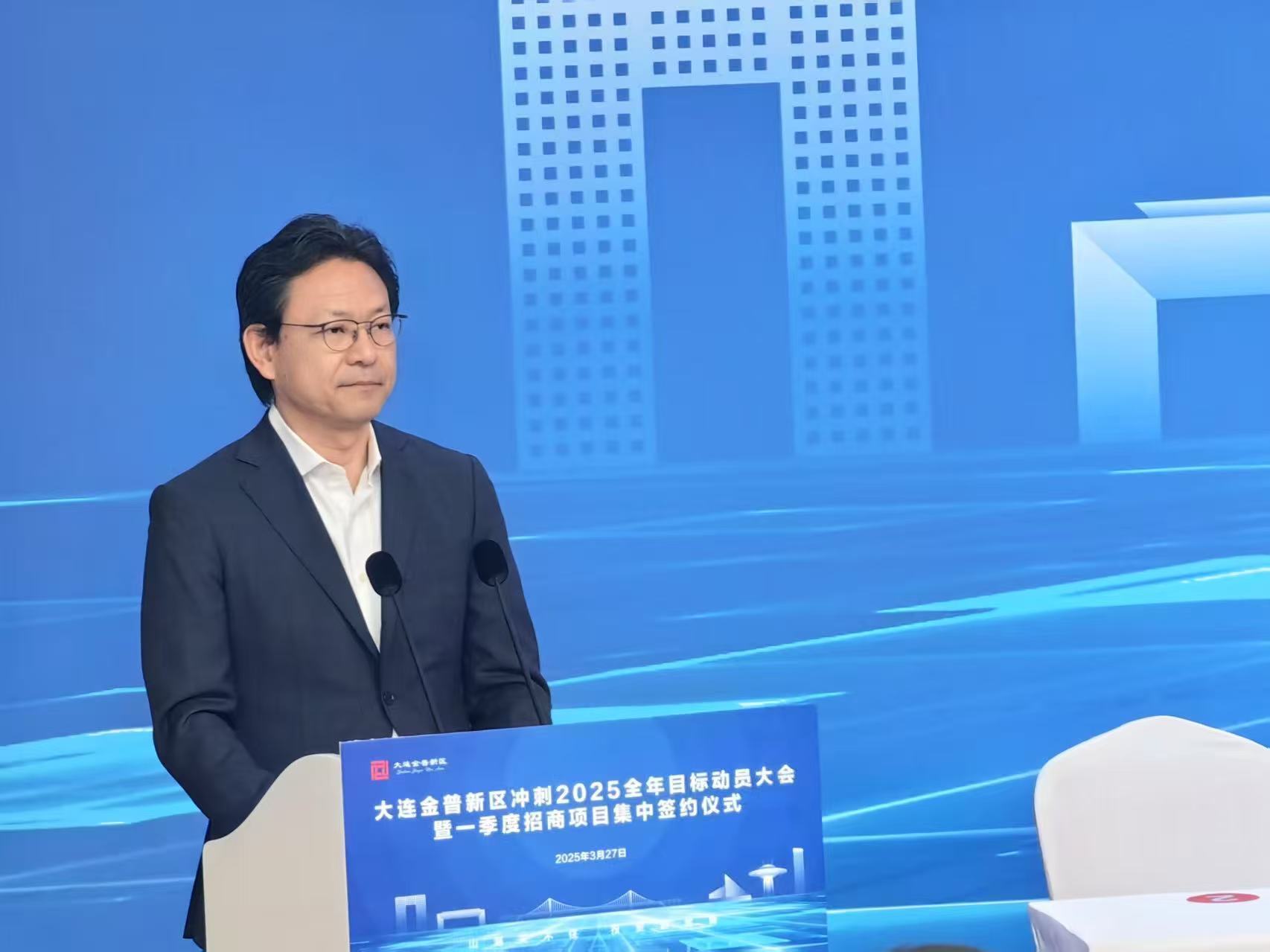
Dalian Sakabe was invited to participate in the Dalian investment promotion project ceremony
On March 27, 2025, Dalian Sakabe, as an advanced foreign-funded enterprise in Dalian, was invited to participate in the investment promotion project ceremony of Dalian China.
2025/04/01
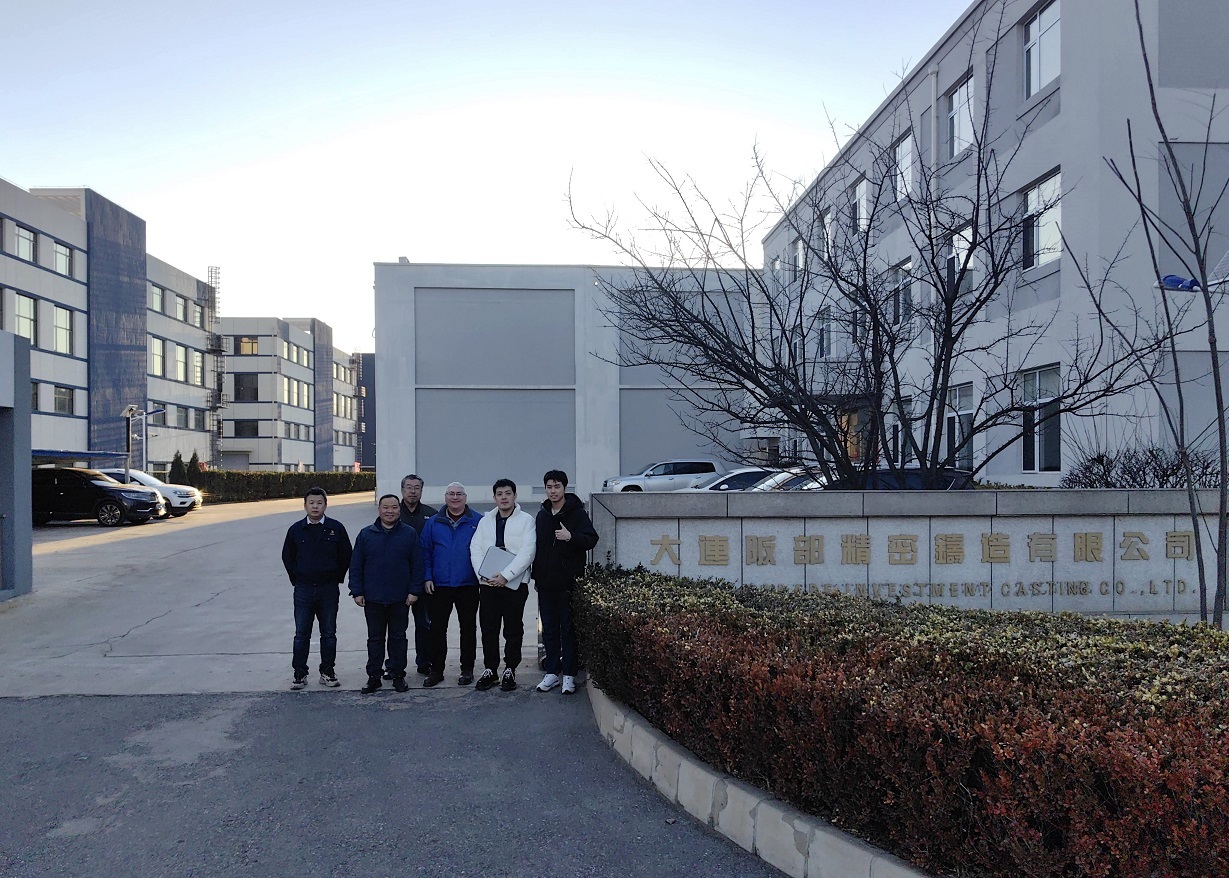
It is pleased that partner NME come to visit us Sakabe foundry
It is pleased that partner NME come to visit us Sakabe foundry. We share the same philosophy about quality standards, product positioning, environmental protection, and sustainable development. It's lucky to meet like-minded partners!
2025/02/19
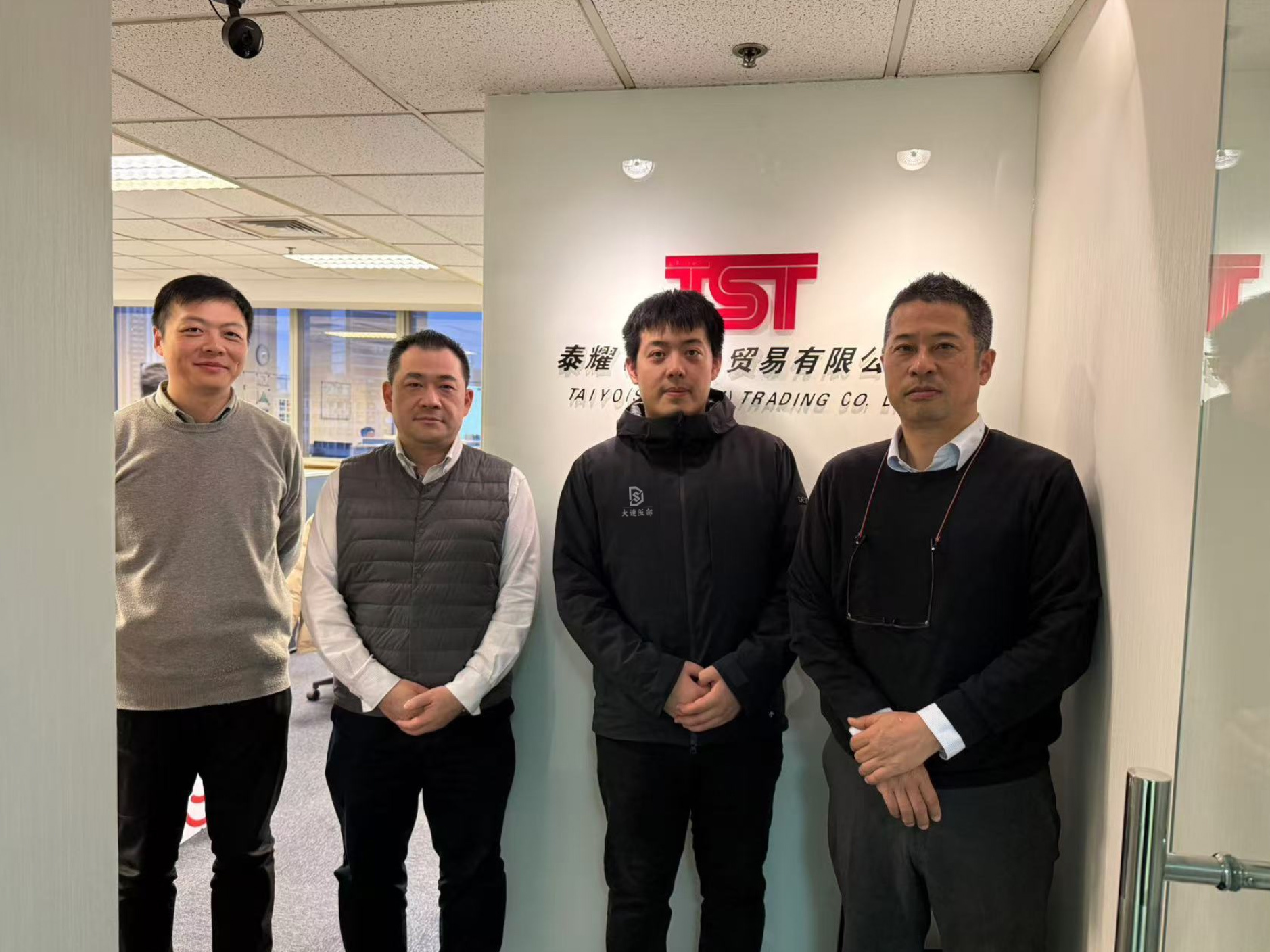
Great meeting with partner in Shanghai
Dalian Sakabe paying visit to our partner TST in Shanghai. Had discussions and plans for long term co-operation. Great thanks for your support!
2025/01/02
CONTACT US
Tel: +86 136-5494-1611
E-mail: alexzheng@sakabe.cn
Office Address:
No.18 Dongbei Qi Street, Jinpu New Area, Dalian, Liaoning, China
Factory Address:
No.26 Fuan Street, Jinpu New Area, Dalian, Liaoning, China
