


The Art and Science of Sand Casting Flowmeter Valves
Table of Contents
- 1. Understanding Sand Casting
- 2. The Importance of Flowmeter Valves in Industry
- 3. The Sand Casting Process Explained
- 4. Materials Used in Sand Casting Flowmeter Valves
- 5. Design Considerations for Flowmeter Valves
- 6. Ensuring Quality Control in Sand Casting
- 7. Applications of Sand Casting Flowmeter Valves
- 8. Future Trends in Sand Casting Technology
- 9. Frequently Asked Questions
1. Understanding Sand Casting
Sand casting is a widely utilized metal casting process that involves creating a mold from sand and pouring molten metal into it. The simplicity of this method, coupled with its versatility, makes it a favored choice for producing complex shapes and large components. We utilize various types of sand, binders, and additives to achieve the desired properties in the final product.
What Makes Sand Casting Unique?
Sand casting stands out due to its simplicity and cost-effectiveness. Craftsmen can create molds in a relatively short amount of time, which is crucial for industries requiring rapid prototyping and production runs. The use of sand also allows for a higher degree of flexibility compared to other casting methods, accommodating a wide range of geometries. This process enables manufacturers to produce components that meet specific functional and aesthetic requirements.
2. The Importance of Flowmeter Valves in Industry
Flowmeter valves play a critical role in various industrial applications, regulating and measuring the flow of liquids and gases. These valves ensure that systems operate efficiently and safely, providing accurate data for process control and monitoring.
Key Functions of Flowmeter Valves
Flowmeter valves facilitate the management of fluid dynamics within systems. These valves not only control flow rates but also prevent backflow, protect against pressure surges, and maintain consistent performance in changing conditions. Their precision is essential in sectors like oil and gas, water treatment, and chemical manufacturing.
3. The Sand Casting Process Explained
The sand casting process consists of several key steps, each contributing to the overall quality and precision of the final product. Understanding these steps is vital for anyone involved in the manufacturing of flowmeter valves.
Step 1: Pattern Making
The first step in sand casting is creating a pattern, typically made from wood or metal, which replicates the desired shape of the flowmeter valve. This pattern is used to form the mold.
Step 2: Mold Preparation
Once the pattern is ready, the next step involves preparing the sand mold. This includes mixing sand with a binding agent and applying it around the pattern to create a negative impression.
Step 3: Pouring
After the mold is prepared and hardened, molten metal is poured into the cavity. The timing and temperature of pouring are crucial, as they affect the flow characteristics and integrity of the final casting.
Step 4: Cooling and Removal
Once the metal has cooled and solidified, the mold is broken apart to reveal the cast flowmeter valve. This step requires precision to avoid damaging the newly formed component.
Step 5: Finishing
Finally, finishing processes such as grinding, machining, and polishing are employed to ensure that the flowmeter valve meets the required specifications and surface finish.
4. Materials Used in Sand Casting Flowmeter Valves
The choice of materials is paramount in the sand casting process. Various metals and alloys can be used to produce flowmeter valves, each with distinct properties.
Common Metals Used in Sand Casting
- Cast Iron: Known for its strength and wear resistance, cast iron is a popular choice for flowmeter valves.
- Aluminum Alloys: Lightweight and corrosion-resistant, aluminum alloys are suitable for applications requiring lower weight and excellent thermal conductivity.
- Bronze: Offering excellent corrosion resistance, bronze is often used in marine applications.
- Steel: Steel provides high tensile strength and is used for heavy-duty applications.
Impact of Material Selection
Choosing the right material impacts the valve's performance, durability, and cost-effectiveness. Each metal exhibits unique thermal and mechanical properties, influencing the design and application of the flowmeter valves.
5. Design Considerations for Flowmeter Valves
Designing flowmeter valves requires a thorough understanding of fluid dynamics, pressure specifications, and operational conditions. Several factors must be considered to create an efficient and reliable valve.
Hydraulic Design Principles
The hydraulic design of flowmeter valves should minimize turbulence and pressure loss. Engineers must analyze flow rates and pressure conditions to optimize the valve's internal geometry.
Size and Shape
The size and shape of the flowmeter valve must accommodate the required flow and pressure ratings. A well-designed valve will facilitate smooth operation without compromising structural integrity.
Customization and Modularity
Customizing flowmeter valves for specific applications ensures compatibility with existing systems. Modular designs allow for interchangeable components, enhancing versatility and maintenance.
6. Ensuring Quality Control in Sand Casting
Quality control is a vital aspect of the sand casting process, ensuring that each flowmeter valve meets stringent industry standards.
Inspection Techniques
Various inspection techniques, including visual inspections, dimensional measurements, and non-destructive testing (NDT), are employed to assess the quality of castings. These methods help identify defects and ensure compliance with specifications.
Standards and Certifications
Adhering to industry standards and obtaining relevant certifications guarantees that flowmeter valves are manufactured to the highest quality. Compliance with ISO and ASTM standards is often a requirement in various industries.
7. Applications of Sand Casting Flowmeter Valves
Sand casting flowmeter valves are utilized across multiple sectors, showcasing their versatility and essential role in industrial processes.
Oil and Gas Industry
In the oil and gas sector, flowmeter valves ensure accurate measurement and control of fluid transport, crucial for maintaining efficiency and safety in operations.
Water Treatment Facilities
Flowmeter valves play a vital role in water treatment, regulating the flow of chemicals and ensuring proper dosing for effective treatment processes.
Chemical Manufacturing
In chemical manufacturing, flowmeter valves are employed to manage the flow of reactive substances, necessitating robust design and materials to withstand harsh environments.
8. Future Trends in Sand Casting Technology
The sand casting industry is evolving, with advancements in technology and materials driving improvements in efficiency and quality.
Automation and Robotics
Integrating automation and robotics into the sand casting process can enhance precision and reduce labor costs, making production more efficient while maintaining high quality.
3D Printing in Pattern Making
The adoption of 3D printing technology for pattern making allows for rapid prototyping and more complex designs, revolutionizing traditional sand casting methods.
9. Frequently Asked Questions
What is sand casting, and how does it work?
Sand casting is a metal casting process where molten metal is poured into a mold made of sand. The mold is created by forming a pattern in sand, allowing for the casting of complex shapes.
What materials are commonly used for sand casting flowmeter valves?
Common materials include cast iron, aluminum alloys, bronze, and steel, each chosen based on the specific application's requirements.
What are the main advantages of sand casting?
Advantages of sand casting include low production costs, the ability to cast large and complex shapes, and a wide range of compatible materials.
How important is quality control in sand casting?
Quality control is critical in sand casting to ensure that the final products meet industry standards and function correctly without defects.
What industries use sand casting flowmeter valves?
Sand casting flowmeter valves are used in various industries, including oil and gas, water treatment, and chemical manufacturing.
Conclusion
The art and science of sand casting flowmeter valves encompass a blend of traditional craftsmanship and modern technological advancements. As we further explore this fascinating manufacturing process, it becomes clear that understanding the intricacies of design, material selection, and quality control is essential for producing high-performance flowmeter valves. By embracing innovations and adhering to industry standards, manufacturers can ensure that their products not only meet but exceed the expectations of their customers, paving the way for a more efficient and sustainable future.


Dalian Sakabe was invited to participate in the Dalian investment promotion project ceremony
On March 27, 2025, Dalian Sakabe, as an advanced foreign-funded enterprise in Dalian, was invited to participate in the investment promotion project ceremony of Dalian China.
2025/04/01
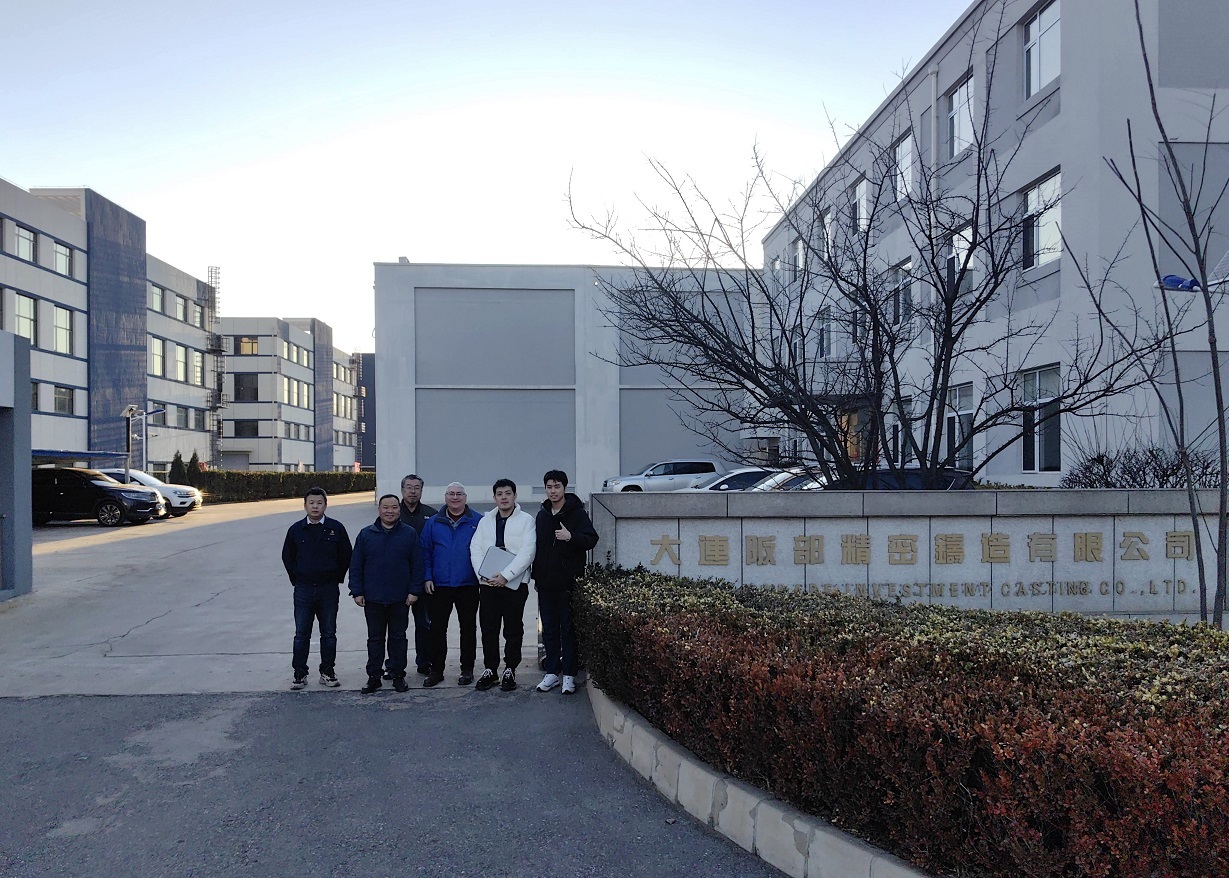
It is pleased that partner NME come to visit us Sakabe foundry
It is pleased that partner NME come to visit us Sakabe foundry. We share the same philosophy about quality standards, product positioning, environmental protection, and sustainable development. It's lucky to meet like-minded partners!
2025/02/19
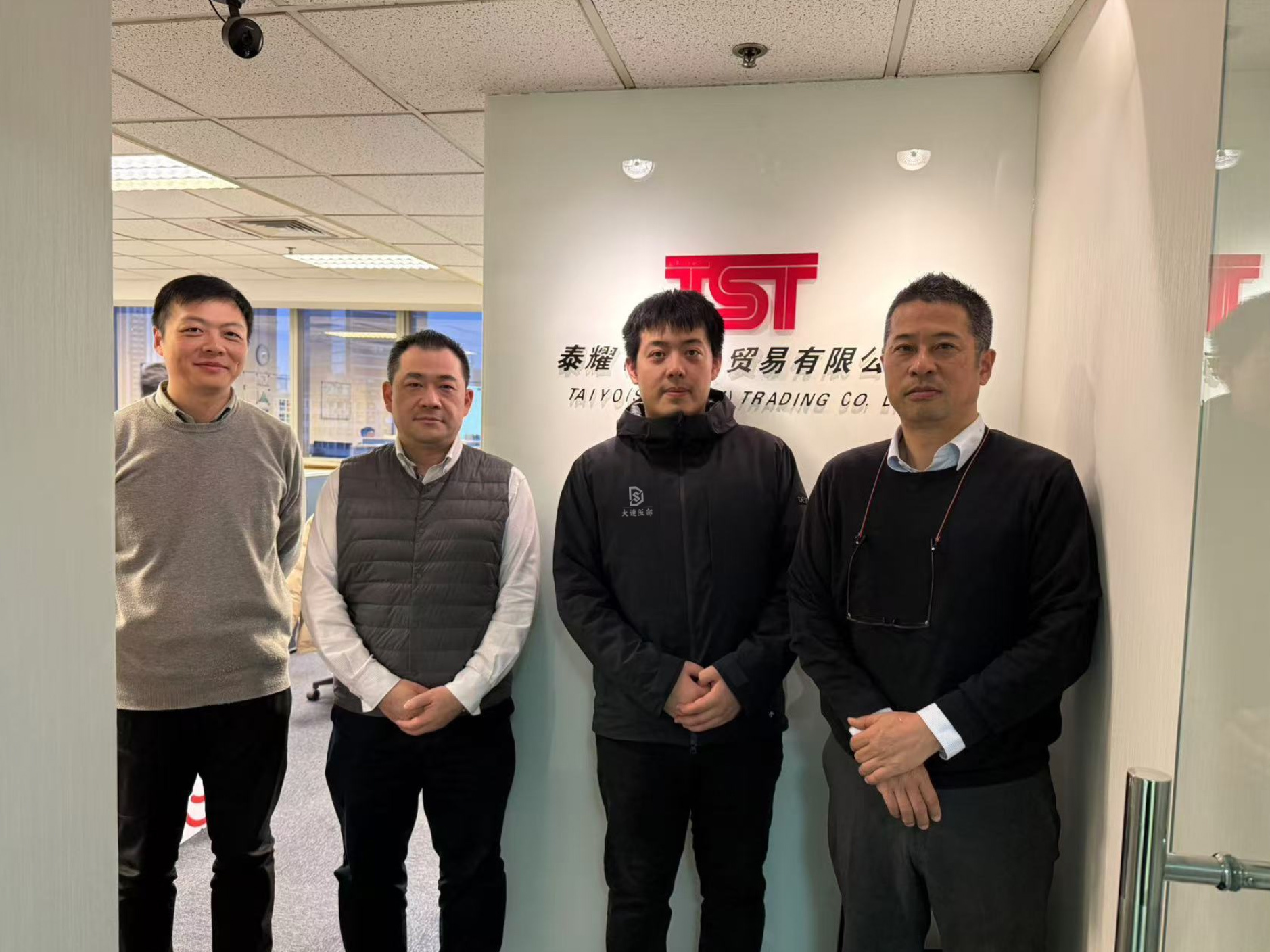
Great meeting with partner in Shanghai
Dalian Sakabe paying visit to our partner TST in Shanghai. Had discussions and plans for long term co-operation. Great thanks for your support!
2025/01/02
CONTACT US
Tel: +86 136-5494-1611
E-mail: alexzheng@sakabe.cn
Office Address:
No.18 Dongbei Qi Street, Jinpu New Area, Dalian, Liaoning, China
Factory Address:
No.26 Fuan Street, Jinpu New Area, Dalian, Liaoning, China
