


Essential Sewing Machine Parts You Didn’t Know You Needed for Optimal Performance
Table of Contents
1. Introduction to Sewing Machine Components
2. Key Sewing Machine Parts Explained
2.1 The Importance of the Needle
2.2 Presser Feet Variations and Their Uses
2.3 The Role of the Bobbin
2.4 Understanding Feed Dogs
3. Additional Essential Components
3.1 Stitch Plate: The Unsung Hero
3.2 Tension Discs: Maintaining Balance
3.3 The Function of the Throat Plate
4. Maintenance Tips for Sewing Machine Parts
4.1 Cleaning Your Machine
4.2 Regular Inspection and Replacement
5. Frequently Asked Questions (FAQs)
6. Conclusion: Maximizing Your Sewing Machine’s Potential
1. Introduction to Sewing Machine Components
Sewing machines are intricate devices composed of numerous components, each playing a crucial role in ensuring smooth operation and high-quality stitching. While most sewists are familiar with the basics, there are several essential parts that often go unnoticed. Recognizing and understanding these components can make a significant difference in your sewing experience.
2. Key Sewing Machine Parts Explained
Understanding the key components of a sewing machine is essential for maximizing performance and ensuring efficient operation. Here, we delve into the most critical parts that every sewing enthusiast should be aware of.
2.1 The Importance of the Needle
The sewing machine needle is the primary instrument for fabric manipulation. Selecting the correct needle type and size is vital depending on the fabric you're working with. A universal needle works well with most materials, but specialized needles, such as ballpoint or stretch needles, can prevent damage to specific fabrics. Regularly changing your needle can improve stitch quality and prevent fabric puckering.
2.2 Presser Feet Variations and Their Uses
Presser feet are essential attachments influencing how fabric moves through the machine. There are numerous types, including standard, zipper, buttonhole, and walking feet. Each serves a unique purpose, enhancing the sewing experience by enabling various techniques. Knowing which presser foot to use can unlock a world of sewing possibilities, making complex projects easier and more enjoyable.
2.3 The Role of the Bobbin
The bobbin houses the lower thread in your sewing machine. Properly winding your bobbin and ensuring it is correctly inserted is crucial for achieving balanced stitches. Different sewing techniques may require specific bobbin types, such as metal or plastic, to suit various thread weights. Familiarizing yourself with how your machine handles bobbins can elevate your sewing projects.
2.4 Understanding Feed Dogs
Feed dogs are small metal teeth beneath the presser foot that move the fabric through the machine. They operate in a coordinated manner to advance the material during sewing. Adjusting the feed dogs for different fabrics or techniques—like free-motion quilting—can drastically improve the quality of your work. Regular maintenance, such as cleaning and ensuring they're moving freely, will prevent issues during sewing.
3. Additional Essential Components
Beyond the primary parts, several additional components can significantly impact your sewing experience. Understanding these can help you troubleshoot problems more effectively.
3.1 Stitch Plate: The Unsung Hero
The stitch plate, located beneath the needle, determines the type of stitches your sewing machine can create. It has specific markings to guide seam allowances and stitch placements. Choosing the right stitch plate for your project can ensure precision and accuracy. Additionally, a clean stitch plate will prevent fabric snags and ensure smooth operation.
3.2 Tension Discs: Maintaining Balance
Tension discs control the amount of thread tension during sewing, impacting stitch quality. If the tension is too tight, the thread may break; if it's too loose, stitches may appear bunched. Regularly checking and adjusting the tension according to your fabric and thread will help achieve professional results.
3.3 The Function of the Throat Plate
The throat plate provides stability to the fabric as you sew. It often has various markings for seam allowances and stitch types. Proper alignment of the fabric with these markings is essential for creating consistent seams. A well-maintained throat plate can contribute to overall sewing precision.
4. Maintenance Tips for Sewing Machine Parts
Maintaining your sewing machine and its parts is essential for longevity and performance. Regular care ensures that your machine operates smoothly and efficiently, preventing costly repairs down the line.
4.1 Cleaning Your Machine
Dust and lint can accumulate inside your sewing machine, leading to malfunctions. Regularly cleaning your machine's interior, especially around the feed dogs and bobbin area, is crucial. Use a small brush and a vacuum attachment specifically designed for sewing machines to ensure thorough cleaning.
4.2 Regular Inspection and Replacement
Inspecting parts such as needles, presser feet, and bobbins for wear and tear is essential. Replacing worn components promptly can prevent further damage to the machine and improve your sewing results. Keeping a checklist for regular maintenance can help ensure that your machine remains in optimal condition.
5. Frequently Asked Questions (FAQs)
**What are the most important parts of a sewing machine?**
The most critical parts include the needle, bobbin, presser foot, feed dogs, and stitch plate. Understanding these components can greatly enhance your sewing experience.
**How often should I change the needle on my sewing machine?**
It is recommended to change your needle after every 8 hours of continuous sewing or when switching between different types of fabrics.
**What should I do if my stitches are not coming out correctly?**
Check the needle size and type, bobbin tension, and ensure that your machine is properly threaded. Adjusting these elements can often resolve stitch quality issues.
**How can I maintain my sewing machine?**
Regular cleaning, lubrication, and inspections of key parts like the needle, presser foot, and feed dogs are essential for maintaining your sewing machine's performance.
**Are there specific presser feet for different sewing techniques?**
Yes, various presser feet are designed for specific techniques, such as zipper feet for inserting zippers and walking feet for quilting. Using the appropriate foot can enhance the quality of your work.
6. Conclusion: Maximizing Your Sewing Machine’s Potential
Understanding the essential sewing machine parts you didn’t know you needed is vital for any sewing enthusiast. By familiarizing yourself with these components and their functions, you can enhance your sewing projects and prevent common issues. Regular maintenance and proper use of these parts not only improve performance but also make the sewing experience more enjoyable. Embrace the intricacies of your machine, and watch as your sewing skills flourish.

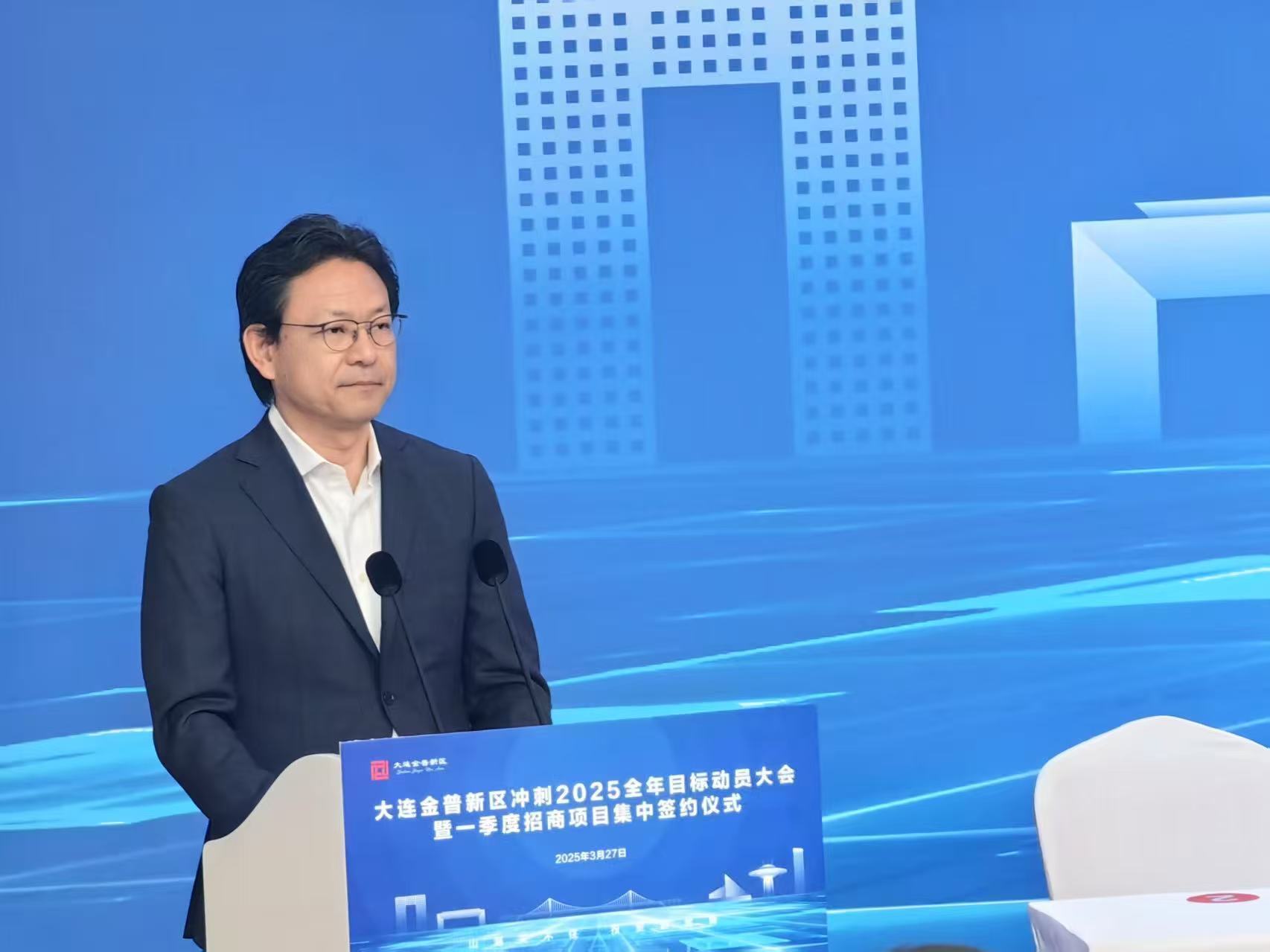
Dalian Sakabe was invited to participate in the Dalian investment promotion project ceremony
On March 27, 2025, Dalian Sakabe, as an advanced foreign-funded enterprise in Dalian, was invited to participate in the investment promotion project ceremony of Dalian China.
2025/04/01
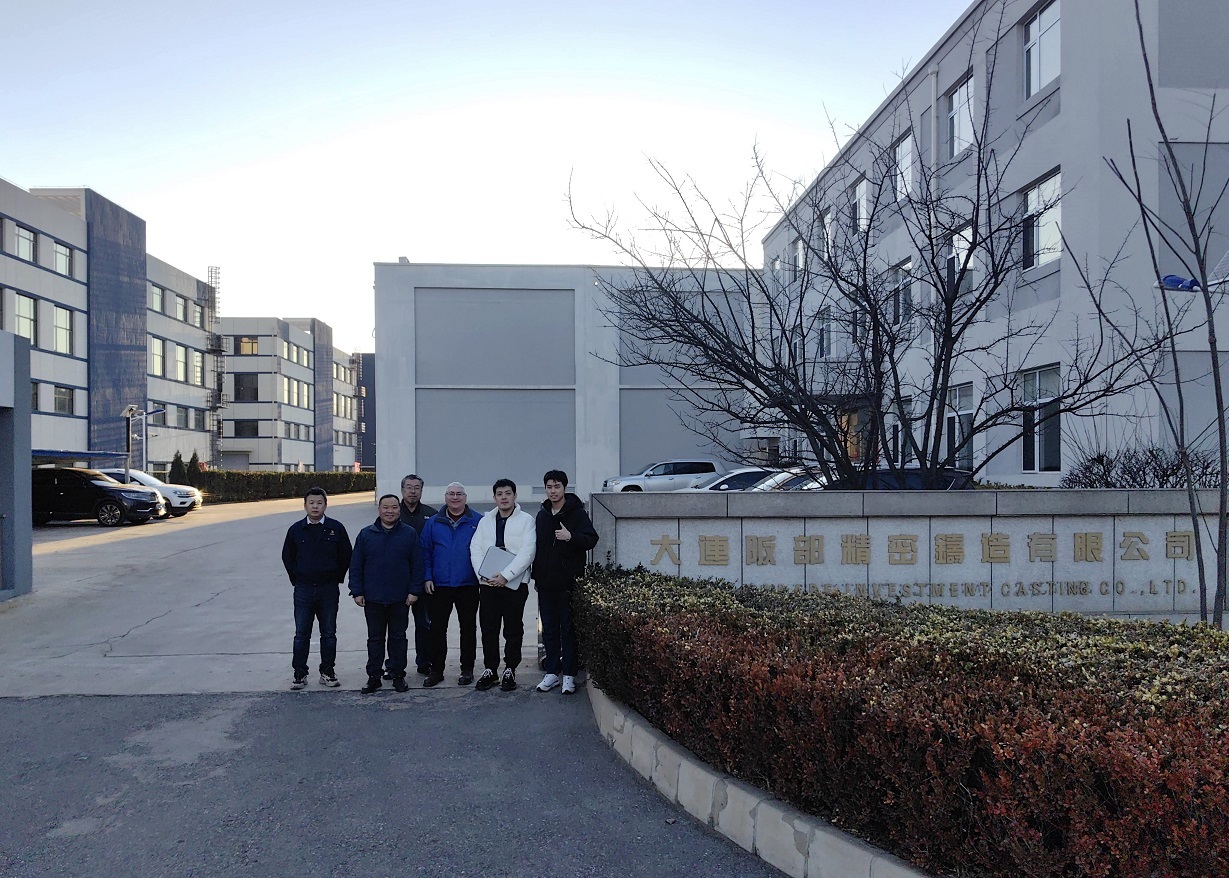
It is pleased that partner NME come to visit us Sakabe foundry
It is pleased that partner NME come to visit us Sakabe foundry. We share the same philosophy about quality standards, product positioning, environmental protection, and sustainable development. It's lucky to meet like-minded partners!
2025/02/19
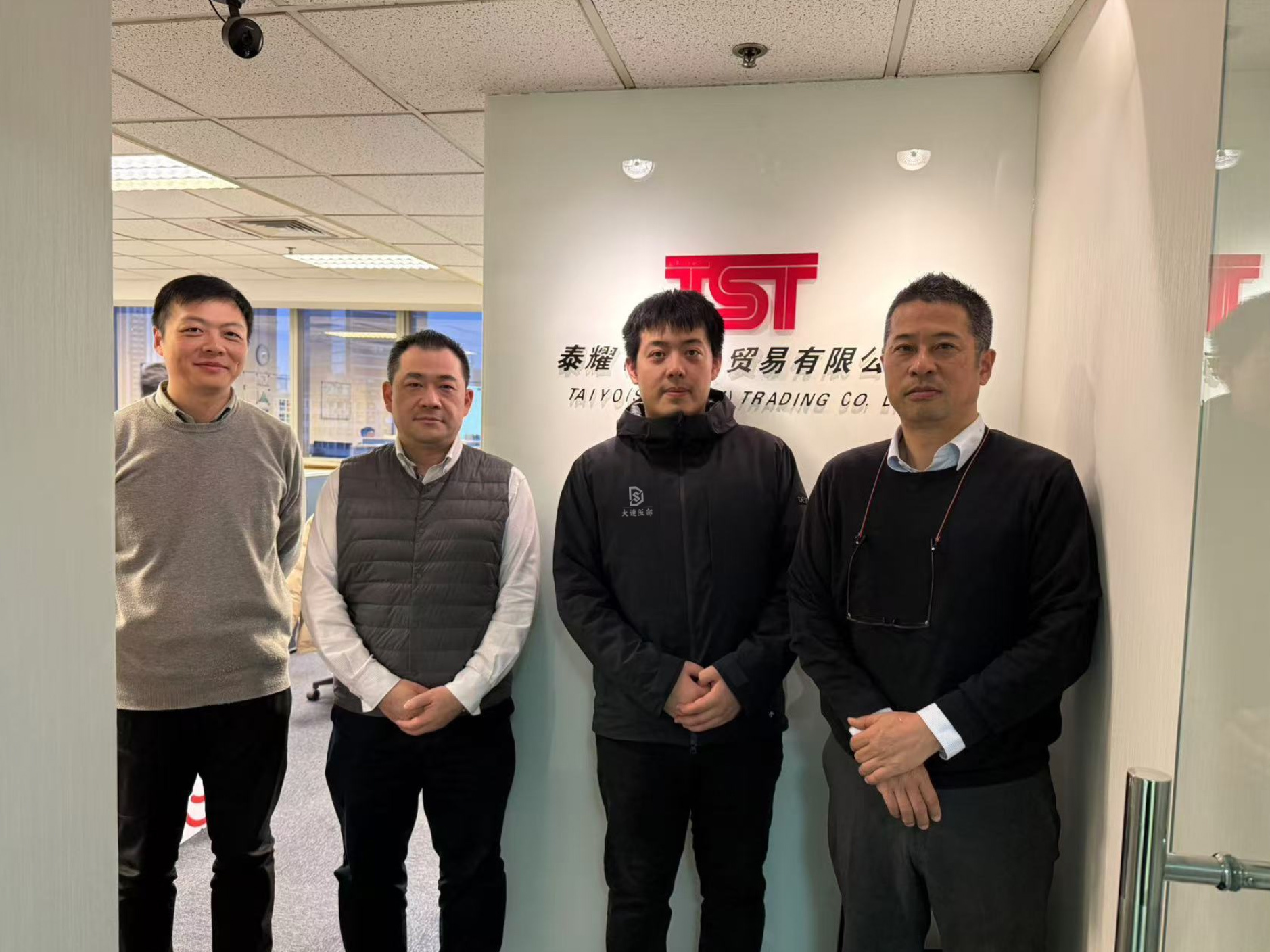
Great meeting with partner in Shanghai
Dalian Sakabe paying visit to our partner TST in Shanghai. Had discussions and plans for long term co-operation. Great thanks for your support!
2025/01/02
CONTACT US
Tel: +86 136-5494-1611
E-mail: alexzheng@sakabe.cn
Office Address:
No.18 Dongbei Qi Street, Jinpu New Area, Dalian, Liaoning, China
Factory Address:
No.26 Fuan Street, Jinpu New Area, Dalian, Liaoning, China
