


The Essential Role of Medical Equipment Parts in Healthcare Efficiency
Medical equipment parts are fundamental components that play a crucial role in the functionality and reliability of various medical devices. From diagnostic machines to surgical instruments, these parts ensure that equipment operates smoothly, providing essential services in healthcare settings. Understanding the different types of medical equipment parts, along with their functions and maintenance requirements, is vital for professionals in the healthcare and industrial sectors.

There are numerous categories of medical equipment parts, each serving specific functions. For instance, sensors are integral to devices that monitor patients' vital signs. They convert physical phenomena (like temperature or pressure) into signals that can be measured and recorded, making them indispensable in critical care environments. Similarly, actuators are essential for devices that require movement or control, such as robotic surgical systems. They enable precise actions, ensuring that surgical procedures are carried out with high accuracy.
Another critical aspect to consider is the compatibility of medical equipment parts with existing systems. When replacing or upgrading components, it is essential to ensure that the new parts are compatible with the overall medical equipment. This compatibility helps maintain the integrity of the device and ensures that it performs at an optimal level. Additionally, using non-compatible parts can lead to malfunction or even safety hazards, making due diligence a priority when sourcing replacements.
Maintenance of medical equipment parts is equally important. Regular inspection and servicing can extend the lifespan of components and prevent unexpected breakdowns. Healthcare facilities often establish protocols for checking the functionality of equipment and its parts, ensuring that they adhere to safety standards. This proactive approach not only minimizes downtime but also enhances patient safety and care quality.
In conclusion, medical equipment parts are indispensable in the healthcare landscape, impacting everything from patient diagnostics to surgical outcomes. A clear understanding of the various types and functions of these components is essential for professionals working with medical devices. By prioritizing compatibility and maintenance, stakeholders can ensure that their equipment remains reliable and effective in delivering critical healthcare services. As the industry continues to evolve, staying informed about advancements in medical equipment technology will further enhance the performance and reliability of these vital components.

Introduction to investment casting manufacturing technique
Investment casting, also known as wax loss casting, is a long-standing metal forming process. The copper ban during the Spring and Autumn period in China was the earliest known lost wax casting method. The first step is to make a mold, using the mold to inject liquid wax into the mold to form a wax mold. Then, the wax mold is pasted into a pouring system according to the casting process, and the entire pouring system is made into a silica sol shell. After dewaxing, the entire shell becomes a cavity, and the cavity shell can be poured with molten steel after calcination. After cooling, the steel material product is formed. Subsequently, through processes such as cutting and grinding, sandblasting, heat treatment, correction, welding repair, electroplating, and machining, the cast products required by the customer are formed.
2024/10/08

Dalian is a beautiful coastal city in Northeast China, with beautiful scenery and pleasant climate. It is an important industrial production base, an international shipping center in Northeast Asia.
2024/07/11

Dalian Sakabe has own foundry factory and focus on providing high-quality precision casting products to domestic and foreign customers since its establishment in 2005.
2024/10/08
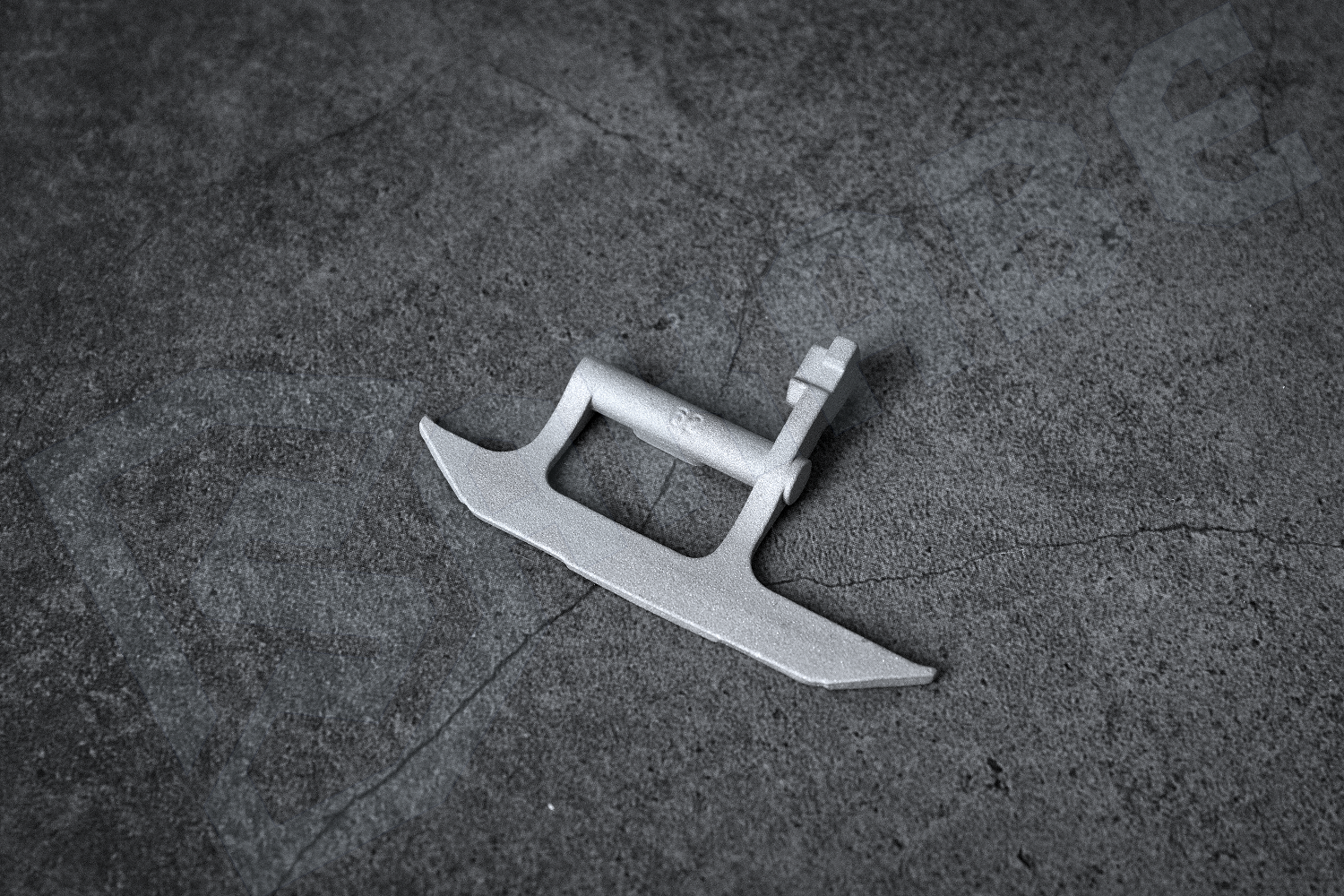
The Crucial Role of Casting Material Trays in Advanced Manufacturing
In the ever-evolving landscape of manufacturing, optimizing heat treatment processes through the strategic use of casting material trays is paramount
2025/09/19
CONTACT US
Tel: +86 136-5494-1611
E-mail: alexzheng@sakabe.cn
Office Address:
No.18 Dongbei Qi Street, Jinpu New Area, Dalian, Liaoning, China
Factory Address:
No.26 Fuan Street, Jinpu New Area, Dalian, Liaoning, China
