


How Precision Casting Techniques Revolutionize Investment Strategies in Manufacturing
Table of Contents
- Understanding Precision Casting Techniques
- The Importance of Precision in Manufacturing
- How Precision Casting Affects Investment Strategies
- Advantages of Precision Casting Over Traditional Methods
- Case Studies: Successful Implementation of Precision Casting
- Future Trends in Precision Casting Technology
- How to Assess Investment Opportunities in Precision Casting
- Frequently Asked Questions About Precision Casting
Understanding Precision Casting Techniques
Precision casting, often referred to as investment casting, is a sophisticated manufacturing process that allows for the production of high-precision components. The technique involves creating a wax pattern, coating it with ceramic material, and then heating it to remove the wax, leaving a mold for metal casting. This method provides manufacturers with the ability to produce intricate designs with excellent surface finish and dimensional accuracy.
In the realm of manufacturing, precision casting has gained traction due to its ability to produce complex geometries that are not achievable through conventional methods. This has significant implications not only for product quality but also for operational efficiency and overall profitability.
The Importance of Precision in Manufacturing
Precision plays a crucial role in manufacturing, particularly in industries where tolerances are tight, such as aerospace, automotive, and medical device sectors. The ability to manufacture parts with consistent quality and accuracy directly impacts product performance and customer satisfaction. Here, we explore how precision affects various aspects of manufacturing investments:
Quality Control
Investing in precision casting techniques ensures robust quality control processes. With advanced technology, manufacturers can minimize defects, leading to lower rework rates and wastage. This not only reduces costs but also enhances brand reputation.
Efficiency and Productivity
Precision casting allows for faster production cycles. By reducing the need for multiple machining processes, manufacturers can streamline operations. This efficiency translates into lower labor costs and improved throughput, making it a smart investment strategy.
How Precision Casting Affects Investment Strategies
Investing in precision casting can be a game-changer for manufacturers. Here’s how it influences investment strategies:
Cost Savings
While the initial investment in precision casting equipment can be significant, the long-term savings are substantial. Reduced material waste, lower labor costs, and decreased production time contribute to a favorable return on investment (ROI).
Market Competitiveness
Incorporating precision casting into manufacturing practices can set companies apart from competitors. The ability to produce high-quality components consistently enables businesses to command premium pricing and capture larger market shares.
Future-Proofing Investments
As technology continues to evolve, investments in precision casting techniques position companies to adapt to changing market demands. This forward-thinking approach mitigates risks and secures a competitive edge.
Advantages of Precision Casting Over Traditional Methods
Precision casting offers several advantages when compared to traditional manufacturing methods:
Complex Designs
Precision casting excels in producing intricate designs that would be difficult or impossible to achieve with conventional machining techniques. This versatility allows for innovative product development.
Material Efficiency
The investment casting process results in minimal waste, making it a sustainable option. The ability to use a variety of materials, including alloys, further enhances its appeal.
Enhanced Surface Finish
Parts produced through precision casting require less post-processing, as they often come out of the mold with a superior surface finish. This leads to reduced costs and faster time to market.
Case Studies: Successful Implementation of Precision Casting
Examining real-world applications can provide valuable insights into the benefits of precision casting:
Case Study 1: Aerospace Components
A leading aerospace manufacturer adopted precision casting for its turbine blades, resulting in significant weight reduction and improved fuel efficiency. The investment not only lowered production costs but also enhanced the performance of their aircraft.
Case Study 2: Automotive Industry
An automotive company integrated precision casting for engine components, which improved performance and durability. The decision led to a competitive advantage in the highly demanding automotive market.
Future Trends in Precision Casting Technology
As technology advances, the precision casting industry is poised for transformation. Key trends include:
Automation and Robotics
Automation will continue to streamline precision casting processes, leading to enhanced productivity and reduced labor costs.
3D Printing in Casting Patterns
The integration of 3D printing technology for creating casting patterns is revolutionizing the industry. This innovation allows for more rapid prototyping and customization, providing manufacturers with a distinct advantage.
How to Assess Investment Opportunities in Precision Casting
Evaluating potential investments in precision casting involves several strategic considerations:
Market Demand Analysis
Understanding current market trends and demands is crucial. Investing in sectors experiencing growth, such as renewable energy or medical devices, can yield substantial returns.
Technological Capabilities
Assessing the technological capabilities of precision casting facilities is essential. Look for companies that invest in the latest technologies and maintain high standards of quality control.
Financial Health
Evaluating the financial health of potential investment targets will help ensure stability and sustainability. A thorough analysis of financial statements and growth trajectories is vital.
Frequently Asked Questions About Precision Casting
What materials can be used in precision casting?
Precision casting can utilize various metals, including aluminum, steel, and titanium, as well as different alloys to meet specific performance requirements.
How does precision casting compare to CNC machining?
While CNC machining is ideal for producing parts from solid materials, precision casting is more efficient for creating complex shapes and reduces material waste.
What industries benefit most from precision casting?
Industries such as aerospace, automotive, medical devices, and energy production are among those that significantly benefit from precision casting techniques.
How long does the precision casting process take?
The duration of the precision casting process can vary based on the complexity of the design and production volume, but it generally allows for faster turnaround than traditional methods.
Is precision casting environmentally friendly?
Yes, precision casting promotes material efficiency and generates less waste compared to conventional manufacturing methods, making it a more environmentally responsible choice.
Conclusion
The integration of **precision casting techniques** into manufacturing processes represents a significant evolution in how businesses approach investment strategies. By enhancing quality, efficiency, and market competitiveness, precision casting not only drives down costs but also opens up new avenues for innovation. As industries continue to evolve, staying ahead of the curve involves embracing these advanced manufacturing techniques that promise to revolutionize investment strategies. Investing in precision casting is not just a smart decision; it is a necessary step towards securing a strong position in the ever-competitive manufacturing landscape.

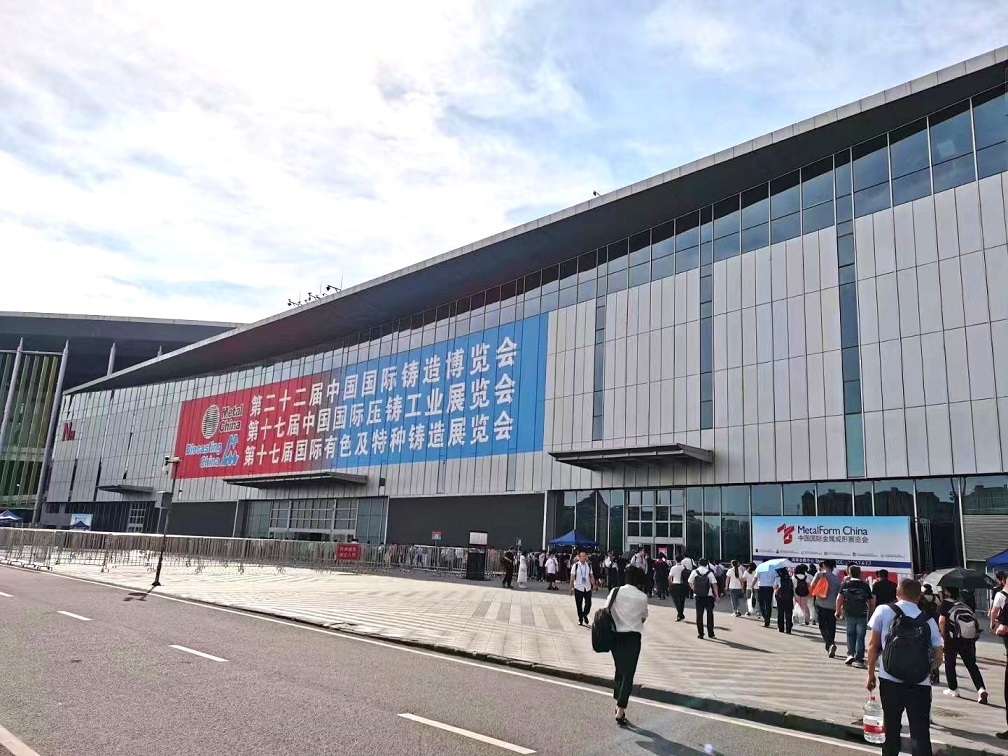
2024 Shanghai International Foundry Expo
In December 2024, Dalian Sakabe met new friends at the Shanghai International Foundry Expo
2024/12/30
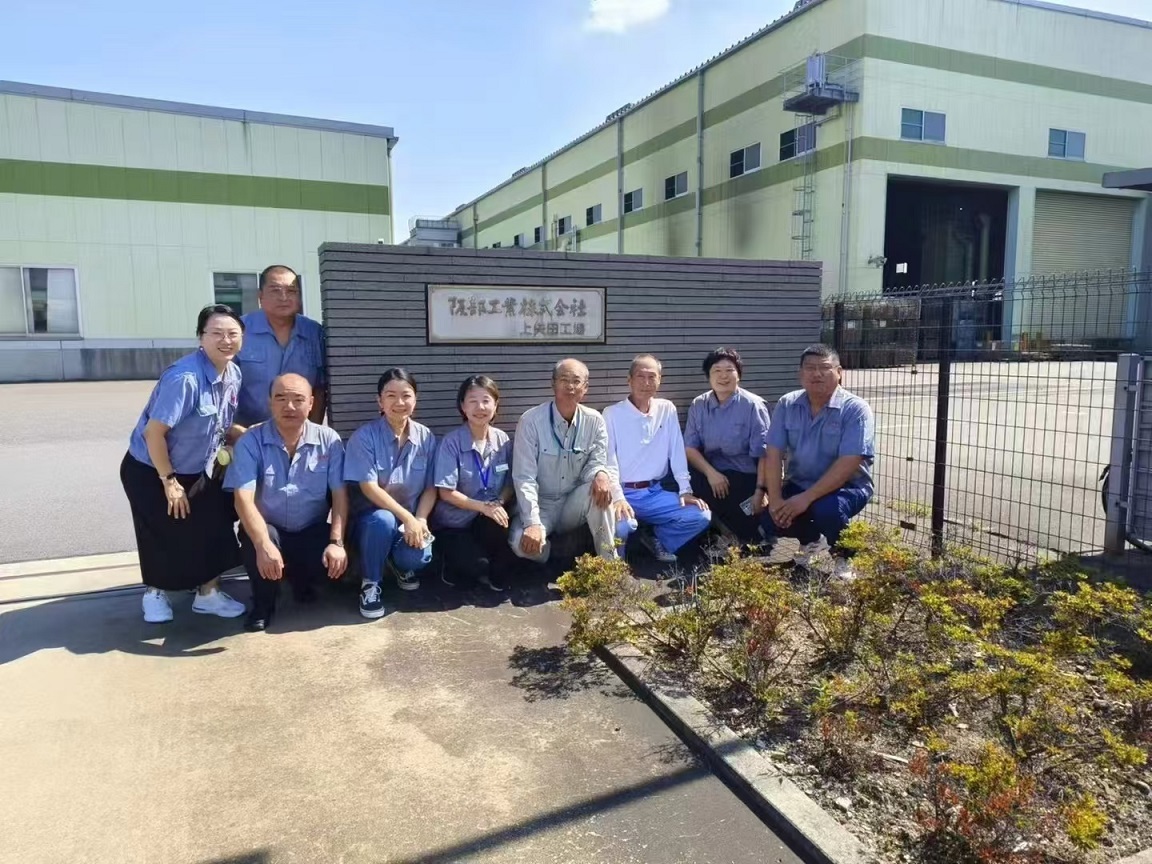
Sakabe production exchange meeting between Chinese and Japanese teams
A stable international cooperation relationships are particularly precious in the increasingly severe international environment. Sakabe production teams from China and Japan held a production exchange meeting recently.
2024/10/08
2024/10/08

CONTACT US
Tel: +86 136-5494-1611
E-mail: alexzheng@sakabe.cn
Office Address:
No.18 Dongbei Qi Street, Jinpu New Area, Dalian, Liaoning, China
Factory Address:
No.26 Fuan Street, Jinpu New Area, Dalian, Liaoning, China
