


Innovations in Casting Parts for Modern Sewing Machines
Table of Contents
- Introduction to Modern Sewing Machines and Their Components
- The Importance of Casting Parts in Sewing Machines
- Evolution of Casting Materials in the Garment Industry
- Advanced Casting Techniques Revolutionizing Production
- The Impact of 3D Printing on Casting Parts Production
- Sustainability Practices in Casting Parts Manufacturing
- Case Studies of Innovations in Casting Parts
- Future Trends in Casting Parts for Sewing Machines
- Frequently Asked Questions
- Conclusion
Introduction to Modern Sewing Machines and Their Components
The sewing machine has undergone significant transformations since its inception, evolving from a simple mechanical device into a sophisticated piece of technology. Central to this evolution are the **casting parts** that form the backbone of modern sewing machines. These components, which include various metal parts that provide structure and function, are essential for the performance and durability of sewing machines used in the garment and textile industries. As manufacturers strive for greater efficiency and quality, innovations in casting parts have become vital.
The Importance of Casting Parts in Sewing Machines
Casting parts play an indispensable role in the operation of sewing machines. They are responsible for several critical functions:
- **Structural Integrity:** Casting parts provide the necessary framework for the machine, ensuring stability during operation.
- **Precision Engineering:** High-quality casting parts contribute to the accuracy of stitching and the machine's overall performance.
- **Durability:** The materials used in casting affect the longevity and wear resistance of the sewing machine, making it crucial for manufacturers to choose the right components.
These factors are essential for achieving the desired efficiency and effectiveness in garment production, where precision and reliability are paramount.
Evolution of Casting Materials in the Garment Industry
The materials used in casting parts have evolved dramatically. Traditional materials such as iron and aluminum have given way to innovative alloys and composite materials that enhance strength and reduce weight. The following are some of the most notable advancements:
- **Aluminum Alloys:** Known for their lightweight properties, aluminum alloys are now widely used in casting sewing machine parts to decrease overall machine weight while maintaining robustness.
- **Magnesium Alloys:** These materials are becoming increasingly popular due to their excellent strength-to-weight ratio and corrosion resistance.
- **Composite Materials:** The introduction of composite materials allows for designs that were previously impossible with metals alone, providing manufacturers with greater flexibility in product development.
This evolution in materials not only improves performance but also reduces production costs and energy consumption.
Advanced Casting Techniques Revolutionizing Production
The manufacturing of casting parts has seen significant advancements in techniques, optimizing the production process. Key innovations include:
- **Lost Foam Casting:** This technique allows for complex geometries and improves surface finish, resulting in higher quality components.
- **Investment Casting:** Investment casting provides exceptional precision and is perfect for producing intricate designs, reducing the need for extensive machining.
- **Continuous Casting:** This method enhances the efficiency of production by allowing for the continuous flow of molten metal, resulting in less waste and faster turnaround times.
These advanced techniques not only streamline production but also improve the quality and performance of casting parts.
The Impact of 3D Printing on Casting Parts Production
3D printing is revolutionizing the manufacturing landscape, including the production of casting parts for sewing machines. This technology allows for rapid prototyping, enabling manufacturers to design and test components quickly before full-scale production. Benefits of 3D printing in casting include:
- **Customization:** Manufacturers can create bespoke parts tailored to specific needs, enhancing machine performance and adaptability.
- **Reduced Lead Times:** 3D printing significantly shortens the time from design to production, allowing companies to respond faster to market demands.
- **Cost Efficiency:** By minimizing material waste and reducing the number of processes involved, 3D printing can lower production costs.
As this technology continues to advance, it is likely to play an increasingly pivotal role in the design and manufacturing of casting parts.
Sustainability Practices in Casting Parts Manufacturing
With growing awareness of environmental issues, sustainability in manufacturing has become a priority. The casting industry is embracing eco-friendly practices, such as:
- **Recycling Materials:** Using recycled metals helps reduce raw material consumption and minimizes environmental impact.
- **Energy-Efficient Processes:** Implementing energy-efficient technologies in casting processes significantly lowers carbon footprints.
- **Waste Reduction:** Innovations in casting techniques aim to minimize waste generation, further contributing to sustainable practices.
By adopting these practices, manufacturers not only comply with regulations but also appeal to eco-conscious consumers.
Case Studies of Innovations in Casting Parts
Examining real-life examples provides insight into how innovations in casting parts have improved sewing machine functionality and efficiency. For instance:
- **Company A:** By integrating magnesium alloys into their sewing machine components, Company A successfully reduced the weight of their machines by 20%, leading to easier handling and transportation without compromising strength.
- **Company B:** Utilizing lost foam casting technology, Company B was able to produce complex part designs that enhanced the precision of stitching, resulting in a 15% increase in production efficiency.
These case studies illustrate the tangible benefits of incorporating innovative casting techniques and materials in sewing machine manufacturing.
Future Trends in Casting Parts for Sewing Machines
The future of casting parts for sewing machines is poised for further advancements, driven by technology and market demands. Anticipated trends include:
- **Smart Manufacturing:** The integration of IoT and AI in manufacturing processes will allow for real-time monitoring, predictive maintenance, and data-driven decision-making.
- **Biodegradable Materials:** Research into biodegradable casting materials presents an exciting opportunity to further enhance sustainability in the industry.
- **Collaborative Robotics:** The use of collaborative robots in casting operations can improve efficiency and consistency while reducing labor costs.
These trends indicate a shift toward more intelligent, efficient, and environmentally friendly manufacturing processes.
Frequently Asked Questions
1. What are casting parts in sewing machines?
Casting parts are components made from molten metal that are poured into molds to create specific shapes and sizes essential to the functionality of sewing machines.
2. Why is material selection important for casting parts?
Material selection is critical as it affects the strength, weight, durability, and overall performance of the sewing machine components.
3. How do advanced casting techniques improve production?
Advanced casting techniques reduce waste, enhance precision, and allow for more complex designs, thus improving the overall quality of the produced parts.
4. What role does 3D printing play in the future of casting?
3D printing allows for rapid prototyping and customized designs, enabling manufacturers to innovate more quickly and address specific market needs.
5. How can sustainability be achieved in casting parts manufacturing?
Sustainability can be achieved through recycling materials, energy-efficient processes, and waste reduction practices in the casting industry.
Conclusion
Innovations in casting parts are transforming the landscape of modern sewing machines. With advancements in materials, techniques, and sustainability practices, manufacturers can create more efficient, durable, and high-performing machines that meet the demands of the garment industry. As we look to the future, it is clear that embracing these innovations will be crucial for maintaining a competitive edge and addressing the evolving needs of consumers and the environment. The journey of innovation in casting parts continues to shape the future of sewing machines, paving the way for a more efficient and sustainable industry.

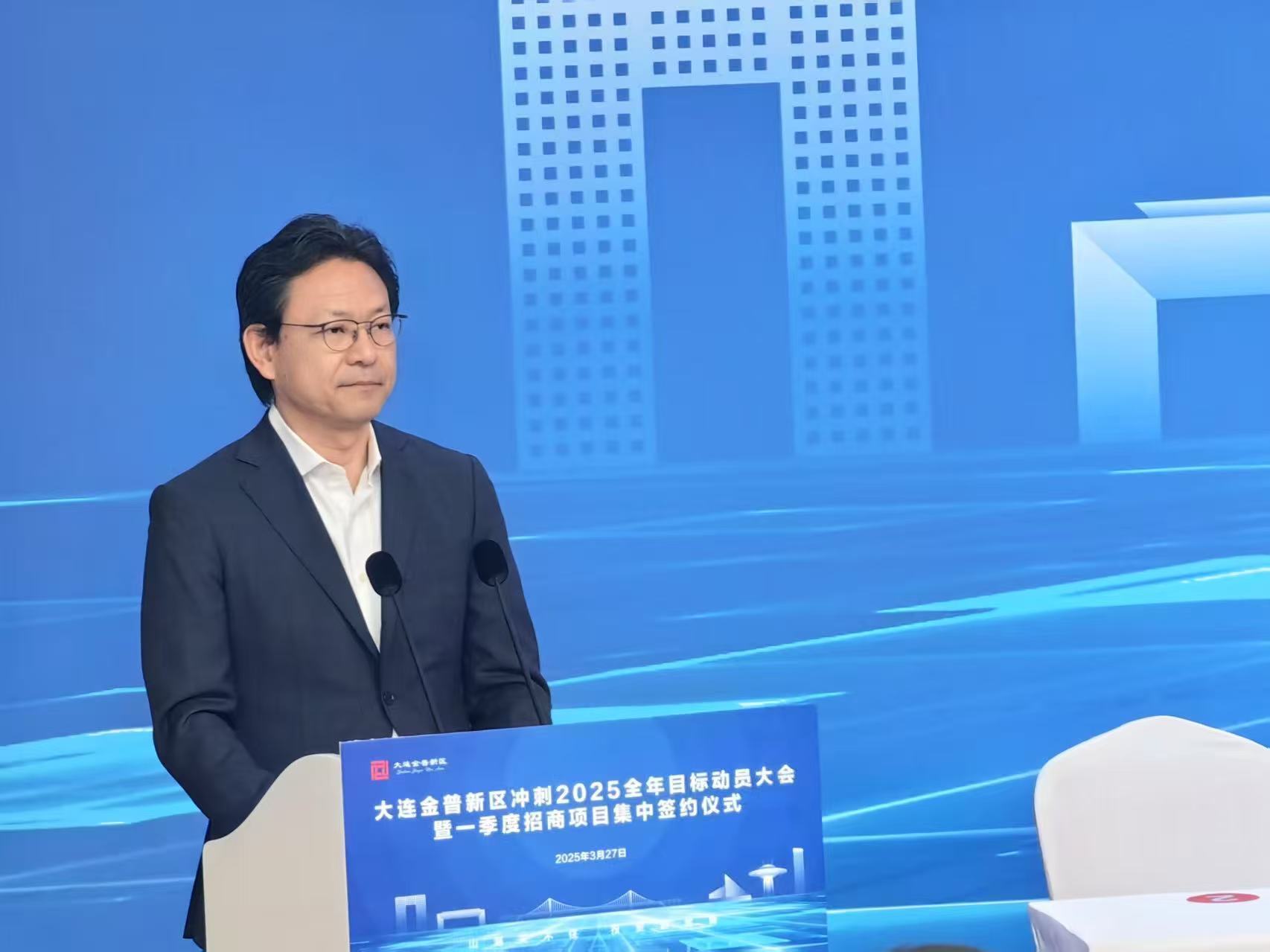
Dalian Sakabe was invited to participate in the Dalian investment promotion project ceremony
On March 27, 2025, Dalian Sakabe, as an advanced foreign-funded enterprise in Dalian, was invited to participate in the investment promotion project ceremony of Dalian China.
2025/04/01
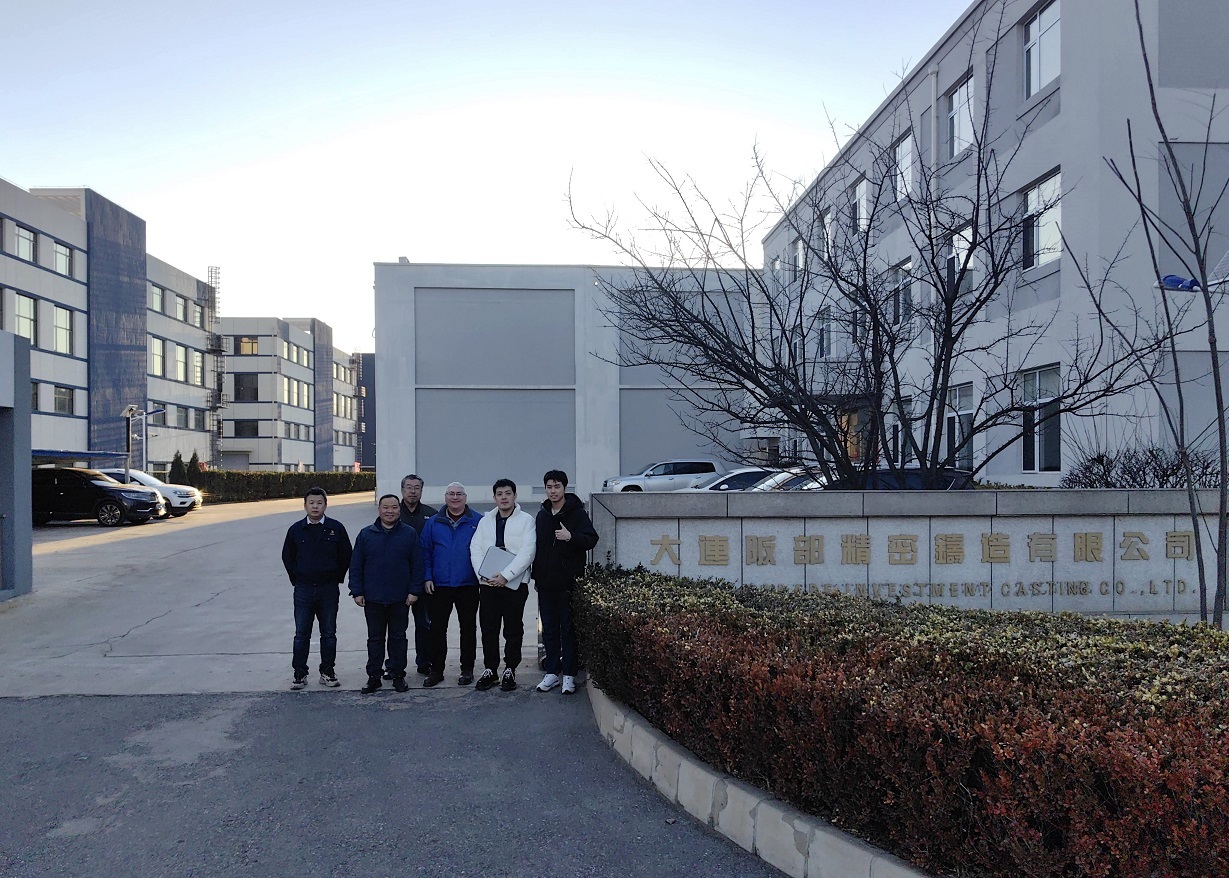
It is pleased that partner NME come to visit us Sakabe foundry
It is pleased that partner NME come to visit us Sakabe foundry. We share the same philosophy about quality standards, product positioning, environmental protection, and sustainable development. It's lucky to meet like-minded partners!
2025/02/19
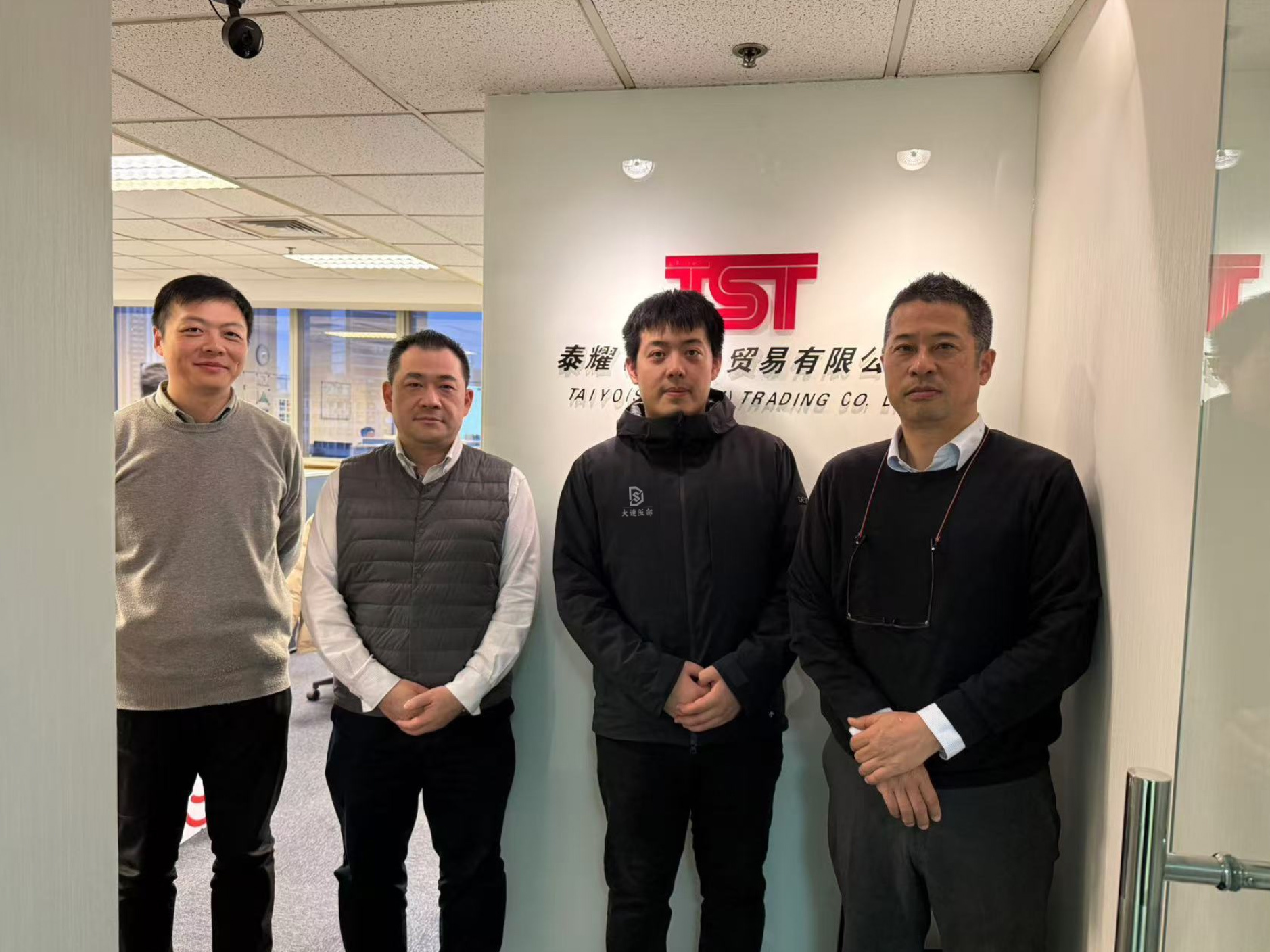
Great meeting with partner in Shanghai
Dalian Sakabe paying visit to our partner TST in Shanghai. Had discussions and plans for long term co-operation. Great thanks for your support!
2025/01/02
CONTACT US
Tel: +86 136-5494-1611
E-mail: alexzheng@sakabe.cn
Office Address:
No.18 Dongbei Qi Street, Jinpu New Area, Dalian, Liaoning, China
Factory Address:
No.26 Fuan Street, Jinpu New Area, Dalian, Liaoning, China
