


How Flowmeter Casting Parts Enhance Mechanical Processing Efficiency
Table of Contents
1. Introduction to Flowmeter Casting Parts
2. Understanding the Importance of Mechanical Processing Efficiency
3. Types of Flowmeters Used in Casting Operations
3.1 Electromagnetic Flowmeters
3.2 Ultrasonic Flowmeters
3.3 Turbine Flowmeters
4. Benefits of Using Flowmeter Casting Parts
4.1 Improved Accuracy and Precision
4.2 Enhanced Productivity and Throughput
4.3 Cost Reduction and Resource Optimization
5. Applications of Flowmeter Casting in Mechanical Processing
5.1 Foundries and Metal Casting
5.2 Oil and Gas Industries
5.3 Water and Wastewater Treatment
6. Innovations in Flowmeter Casting Technology
7. Challenges in Implementing Flowmeter Casting Parts
8. FAQs About Flowmeter Casting Parts
9. Conclusion
1. Introduction to Flowmeter Casting Parts
Flowmeter casting parts play a crucial role in the realm of mechanical processing, particularly within the casting industry. These components are integral for measuring the flow of liquids and gases, ensuring that operations run smoothly and efficiently. With the advent of advanced technology, flowmeter casting parts have evolved, leading to improvements in accuracy, speed, and overall performance in manufacturing processes.
2. Understanding the Importance of Mechanical Processing Efficiency
Mechanical processing efficiency refers to how effectively a manufacturing operation converts raw materials into finished products while minimizing waste and maximizing quality. In the competitive landscape of manufacturing, efficiency is paramount. Enhancing mechanical processing not only reduces costs but also increases profitability and fosters sustainable practices—key elements for any successful business.
3. Types of Flowmeters Used in Casting Operations
Various types of flowmeters are employed in casting operations, each tailored to specific applications and requirements.
3.1 Electromagnetic Flowmeters
Electromagnetic flowmeters are ideal for measuring the flow of conductive fluids. By utilizing Faraday's law of electromagnetic induction, these flowmeters provide accurate measurements without any moving parts, reducing maintenance needs and ensuring longevity.
3.2 Ultrasonic Flowmeters
Ultrasonic flowmeters use high-frequency sound waves to measure the flow of liquids. They are versatile and can be used for a wide range of applications, from clean water to complex industrial fluids. Their non-invasive nature allows for easy installation.
3.3 Turbine Flowmeters
Turbine flowmeters consist of a rotor that spins as fluid flows through the meter. The speed of the rotor correlates with the flow rate, providing precise measurements. These flowmeters are commonly used in applications requiring high accuracy.
4. Benefits of Using Flowmeter Casting Parts
Integrating flowmeter casting parts into mechanical processing systems offers numerous advantages that can significantly enhance operational efficiency.
4.1 Improved Accuracy and Precision
One of the primary benefits of flowmeter casting parts is their ability to provide precise measurements. Accurate flow readings are vital for maintaining quality control in production processes. This precision ensures that resources are utilized optimally, reducing waste and improving product quality.
4.2 Enhanced Productivity and Throughput
By incorporating flowmeter technology, manufacturers can streamline processes. Real-time monitoring of flow rates enables quick adjustments to production parameters, ensuring that machines operate at peak efficiency. This capability leads to increased throughput and reduced downtime.
4.3 Cost Reduction and Resource Optimization
Using flowmeter casting parts can lead to significant cost savings. By accurately measuring resource usage, companies can identify areas where they can cut costs and optimize material consumption. This not only improves the bottom line but also supports sustainability efforts.
5. Applications of Flowmeter Casting in Mechanical Processing
Flowmeter casting parts find application across various industries, each benefiting from enhanced processing efficiency.
5.1 Foundries and Metal Casting
In foundries, flowmeters are essential for managing metal flows during the casting process. They ensure that materials are mixed in the correct ratios and prevent overflow, leading to improved quality and reduced waste.
5.2 Oil and Gas Industries
In the oil and gas sector, flowmeters are critical for measuring the flow of hydrocarbons during extraction and refining processes. Accurate measurements are vital for safety, compliance, and optimizing production rates.
5.3 Water and Wastewater Treatment
Flowmeter casting parts are indispensable in water treatment facilities. They monitor the flow of water and chemicals, ensuring that purification processes operate efficiently and meet regulatory standards.
6. Innovations in Flowmeter Casting Technology
The advancements in flowmeter technology are revolutionizing mechanical processing. Innovations such as smart flowmeters with IoT capabilities allow for remote monitoring and data collection. These developments enable predictive maintenance, minimizing downtime and enhancing overall efficiency.
7. Challenges in Implementing Flowmeter Casting Parts
Despite their benefits, implementing flowmeter casting parts can present challenges. Factors such as installation costs, calibration requirements, and the need for specialized personnel can complicate integration. Addressing these challenges requires careful planning and investment in training.
8. FAQs About Flowmeter Casting Parts
Q1: What are flowmeter casting parts?
A: Flowmeter casting parts are components used to measure the flow of liquids and gases during mechanical processing, particularly in casting operations.
Q2: How do flowmeters improve efficiency?
A: Flowmeters enhance efficiency by providing accurate flow measurements, enabling real-time adjustments, and optimizing resource usage.
Q3: What types of flowmeters are most commonly used?
A: Common types include electromagnetic, ultrasonic, and turbine flowmeters, each suited for specific applications.
Q4: Can flowmeters help reduce costs?
A: Yes, by accurately measuring resource consumption, flowmeters can help identify areas for cost reduction and resource optimization.
Q5: What industries benefit from flowmeter casting parts?
A: Industries such as foundries, oil and gas, and water treatment facilities significantly benefit from using flowmeter casting parts.
9. Conclusion
The role of flowmeter casting parts in enhancing mechanical processing efficiency cannot be overstated. From improved accuracy and productivity to significant cost savings, these components are integral to modern manufacturing practices. Embracing flowmeter technology not only streamlines operations but also positions companies to thrive in a competitive market. As industries continue to evolve, the importance of efficient mechanical processing will only grow, making flowmeter casting parts an essential asset in the quest for operational excellence.

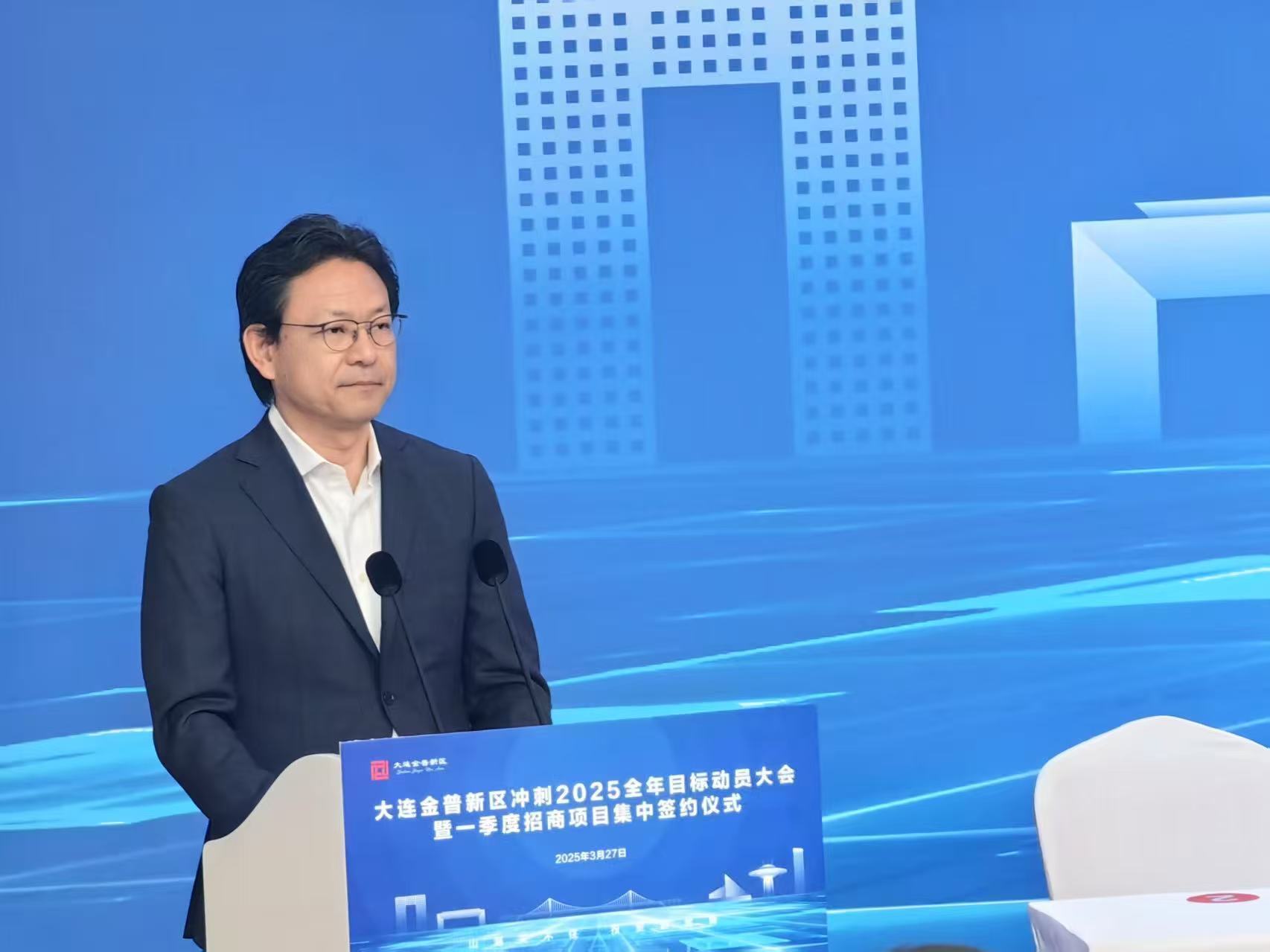
Dalian Sakabe was invited to participate in the Dalian investment promotion project ceremony
On March 27, 2025, Dalian Sakabe, as an advanced foreign-funded enterprise in Dalian, was invited to participate in the investment promotion project ceremony of Dalian China.
2025/04/01
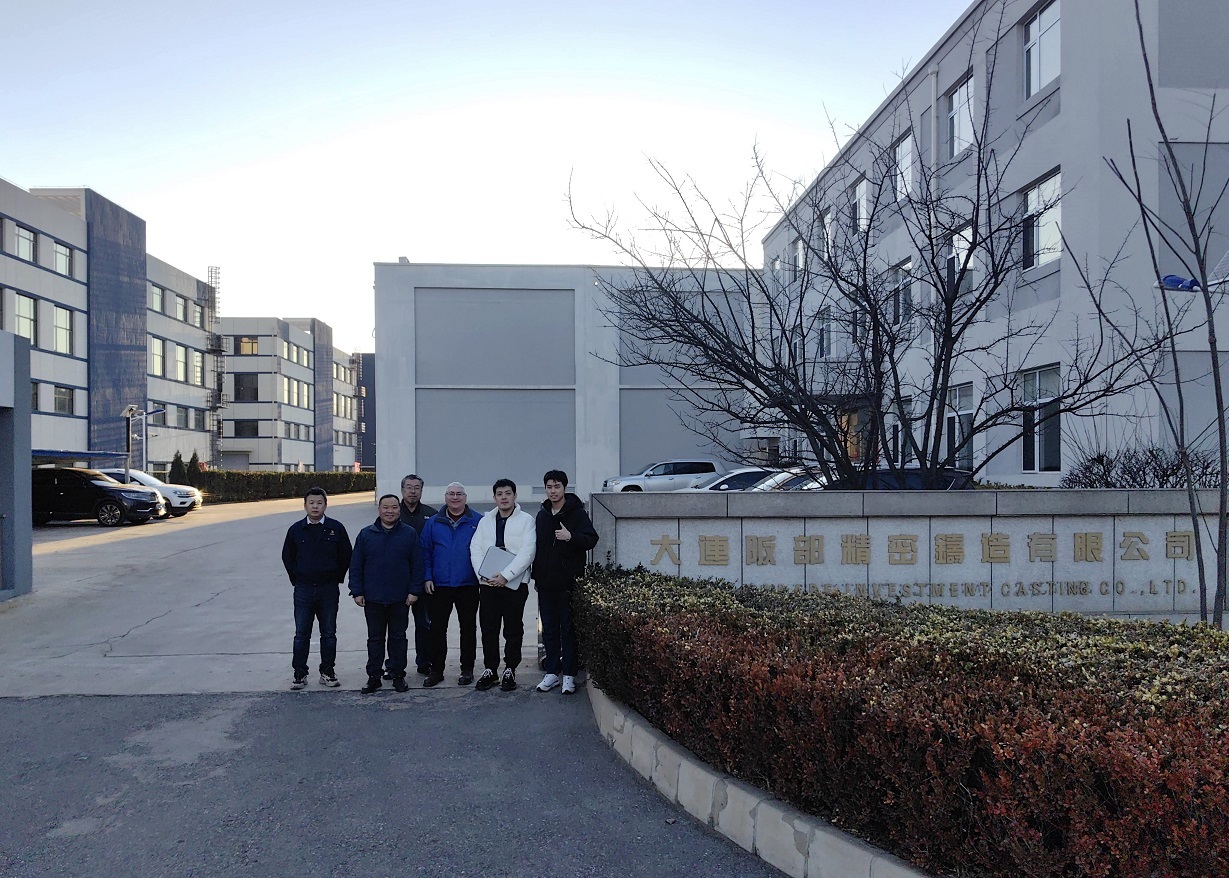
It is pleased that partner NME come to visit us Sakabe foundry
It is pleased that partner NME come to visit us Sakabe foundry. We share the same philosophy about quality standards, product positioning, environmental protection, and sustainable development. It's lucky to meet like-minded partners!
2025/02/19
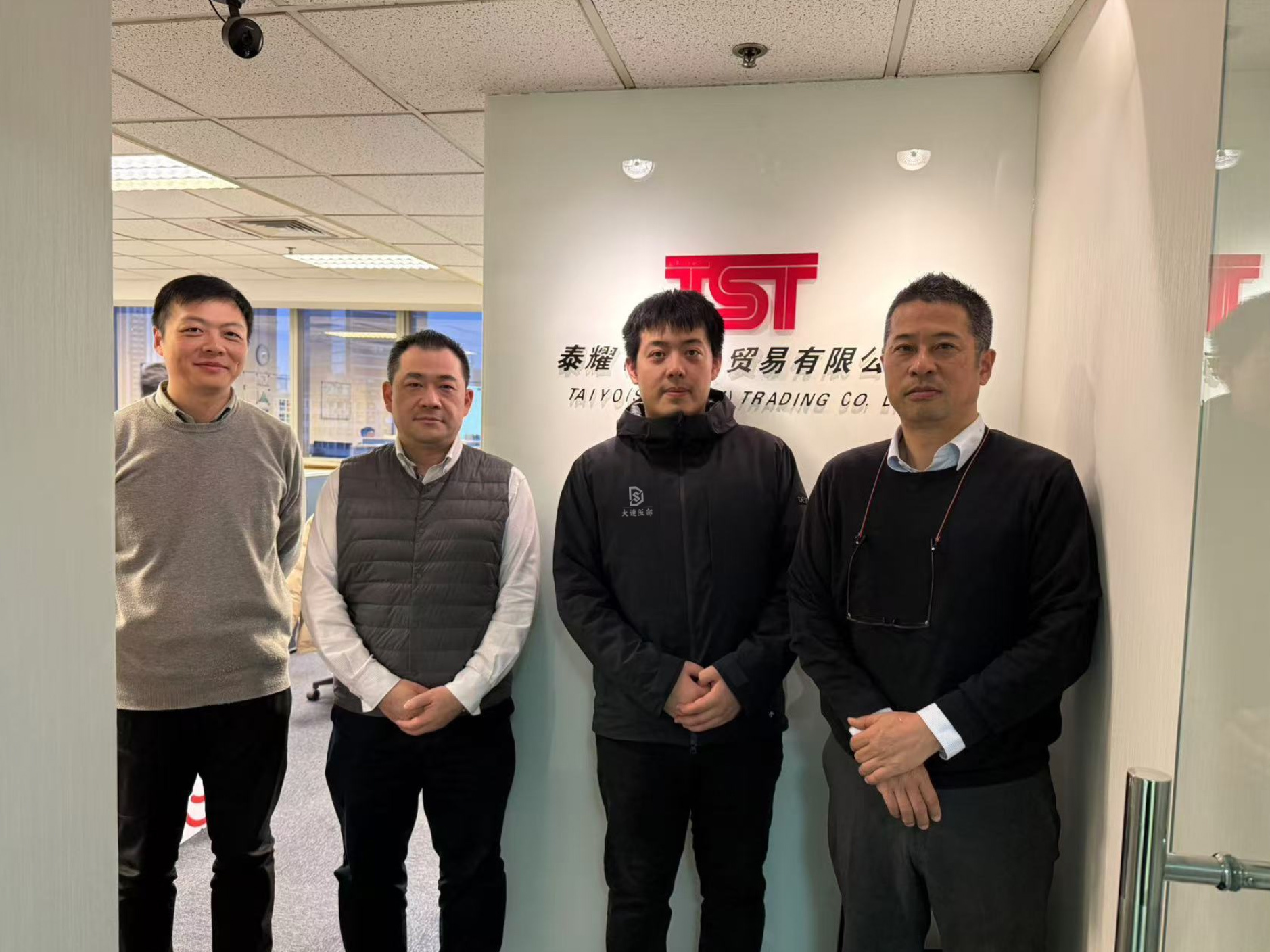
Great meeting with partner in Shanghai
Dalian Sakabe paying visit to our partner TST in Shanghai. Had discussions and plans for long term co-operation. Great thanks for your support!
2025/01/02
CONTACT US
Tel: +86 136-5494-1611
E-mail: alexzheng@sakabe.cn
Office Address:
No.18 Dongbei Qi Street, Jinpu New Area, Dalian, Liaoning, China
Factory Address:
No.26 Fuan Street, Jinpu New Area, Dalian, Liaoning, China
