

Die-casting is a manufacturing process where molten metal is injected into a mold, allowing it to cool and solidify into a pre-defined shape. This method is particularly beneficial for producing complex shapes with high dimensional accuracy, which is essential in textile machinery. The die-casting parts used in textile machinery often include components such as frames, support structures, and various housings that house critical machinery elements.
The primary advantage of using die-casting parts in textile machinery is their ability to deliver lightweight yet strong components. This is crucial in textile operations where machinery needs to be efficient and capable of high-speed operation. Furthermore, die-casting allows for the production of intricate designs, which can be tailored to specific operational needs, thus improving the adaptability of machinery in diverse textile manufacturing environments.
Another significant benefit of textile machinery die-casting parts is their excellent surface finish. This characteristic not only enhances the aesthetic appeal of the equipment but also reduces the need for extensive post-processing, thereby streamlining the manufacturing workflow. In addition, the high level of repeatability associated with die-casting ensures consistent quality in the production of parts, which is vital for maintaining operational standards and minimizing downtime.
When considering the materials used in the die-casting process, aluminum and zinc are often favored due to their favorable properties such as corrosion resistance, lightweight nature, and good thermal conductivity. These attributes make them ideal choices for textile machinery components, which often face harsh operational environments.
Moreover, incorporating advanced die-casting technologies can lead to the production of components with enhanced functionalities. Features such as integrated cooling channels or specific texturing can be designed into the die-casting parts, offering additional performance benefits that cater to the evolving needs of the textile industry.
In conclusion, textile machinery die-casting parts are essential for achieving high performance and efficiency in manufacturing processes. Their ability to provide precision, strength, and adaptability makes them an invaluable asset in the industry. For professionals looking to optimize their manufacturing operations, understanding the role and advantages of these components is crucial for future success.
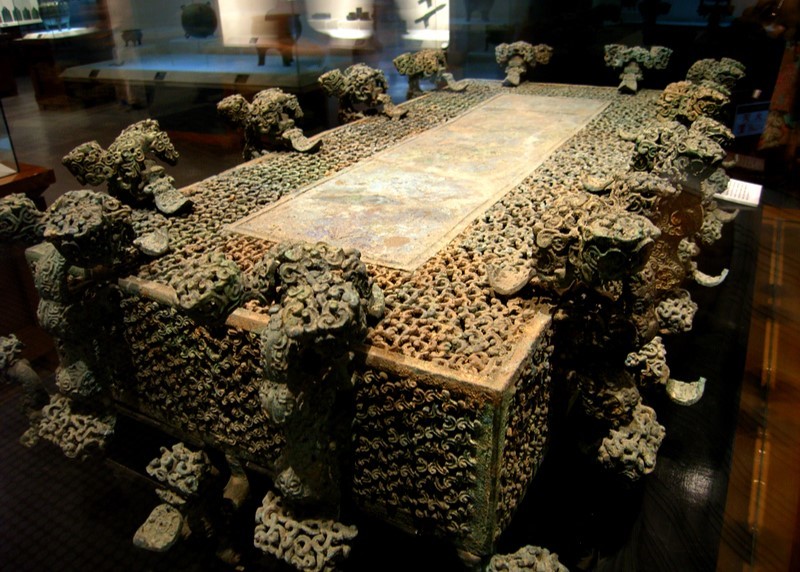
Introduction to investment casting manufacturing technique
Investment casting, also known as wax loss casting, is a long-standing metal forming process. The copper ban during the Spring and Autumn period in China was the earliest known lost wax casting method. The first step is to make a mold, using the mold to inject liquid wax into the mold to form a wax mold. Then, the wax mold is pasted into a pouring system according to the casting process, and the entire pouring system is made into a silica sol shell. After dewaxing, the entire shell becomes a cavity, and the cavity shell can be poured with molten steel after calcination. After cooling, the steel material product is formed. Subsequently, through processes such as cutting and grinding, sandblasting, heat treatment, correction, welding repair, electroplating, and machining, the cast products required by the customer are formed.
2024/10/08

Dalian is a beautiful coastal city in Northeast China, with beautiful scenery and pleasant climate. It is an important industrial production base, an international shipping center in Northeast Asia.
2024/07/11
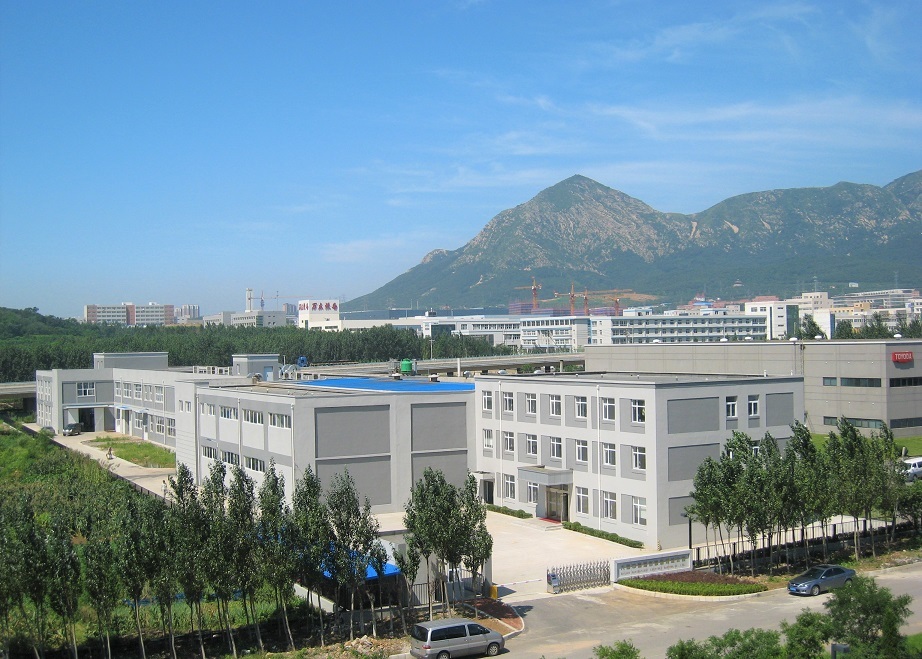
Dalian Sakabe has own foundry factory and focus on providing high-quality precision casting products to domestic and foreign customers since its establishment in 2005.
2024/10/08
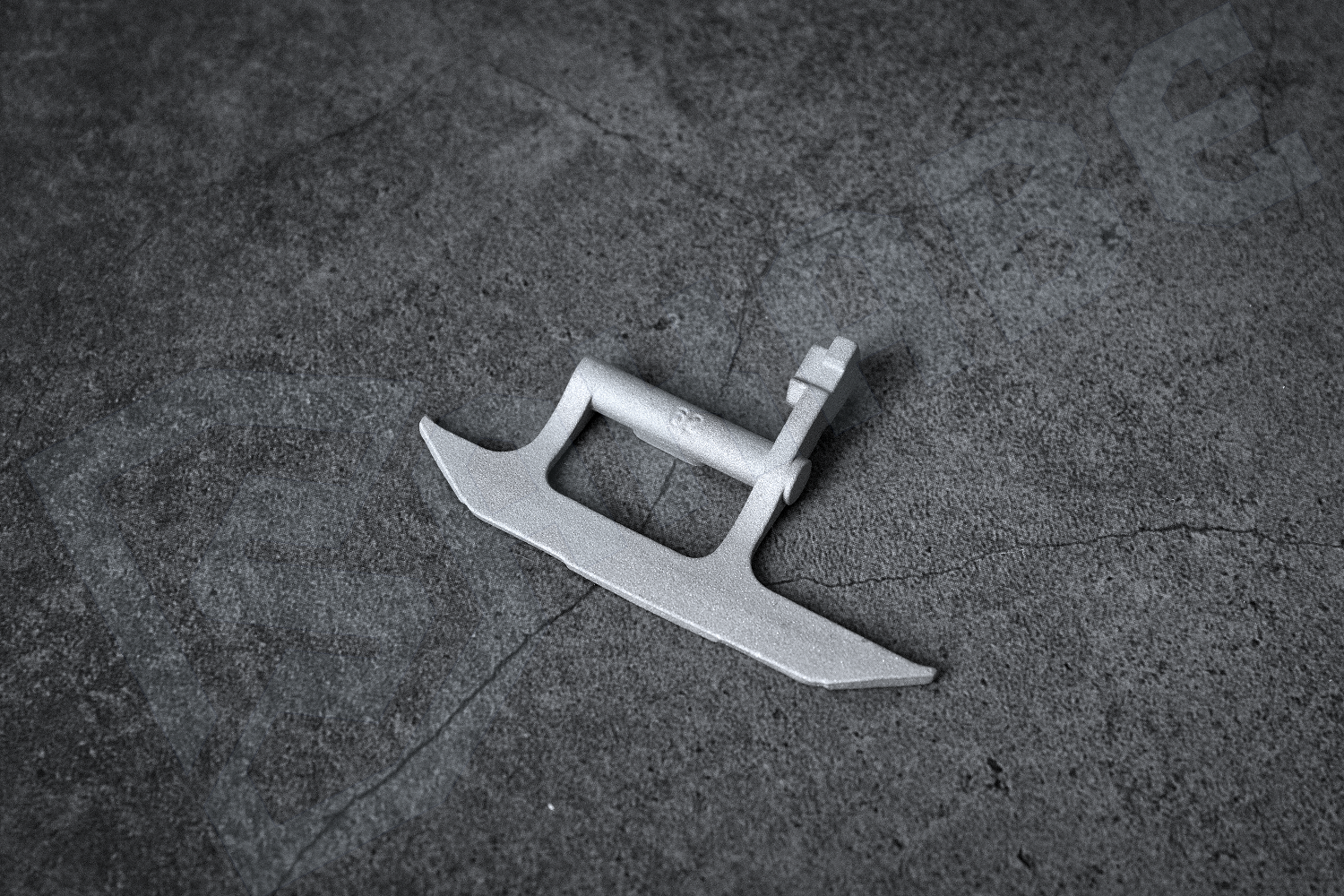
The Crucial Role of Casting Material Trays in Advanced Manufacturing
In the ever-evolving landscape of manufacturing, optimizing heat treatment processes through the strategic use of casting material trays is paramount
2025/09/19
CONTACT US
Tel: +86 136-5494-1611
E-mail: alexzheng@sakabe.cn
Office Address:
No.18 Dongbei Qi Street, Jinpu New Area, Dalian, Liaoning, China
Factory Address:
No.26 Fuan Street, Jinpu New Area, Dalian, Liaoning, China
