


Why Beverage Machinery Relies on Quality Die-Casting Components
Understanding Die-Casting in the Beverage Industry
Die-casting is a manufacturing process that involves forcing molten metal into a mold under high pressure. This method is widely used in the beverage industry to produce robust and intricate components that enhance machinery's functionality and longevity. The need for precision and consistency in beverage machinery necessitates a focus on quality die-casting components.
The Role of Die-Casting in Beverage Machinery
In beverage machinery, die-casting serves several vital functions, including:
- **Creating complex shapes**: Beverage production equipment often requires components with intricate geometries to ensure proper function in various processes.
- **Enhancing strength**: The die-casting process produces parts that are denser and stronger than those made using other methods, significantly impacting the durability of machinery.
- **Providing smooth surfaces**: Quality die-cast components offer superior surface finishes, which are critical for preventing contaminants and ensuring sanitary conditions in beverage production.
Factors Contributing to the Quality of Die-Casting Components
To ensure that die-casting components meet the stringent requirements of beverage machinery, several factors must be taken into account, including:
Material Selection
Choosing the right materials is crucial in die-casting. Common materials include aluminum, zinc, and magnesium alloys. Each offers unique properties, such as weight, corrosion resistance, and thermal conductivity, which are vital for different machinery applications. Selecting high-quality materials enhances the overall performance of the components.
Precision Engineering Techniques
The accuracy of die-casting relies heavily on advanced engineering techniques. Employing cutting-edge technology and skilled professionals ensures that components are produced to exact specifications. High precision reduces post-production machining, leading to lower manufacturing costs and improved efficiency.
Quality Control Measures
Implementing robust quality control measures throughout the die-casting process is essential. Techniques such as non-destructive testing, dimensional inspections, and surface integrity evaluations help ensure that each component meets industry standards. These measures minimize the risk of defects that could compromise the performance of beverage machinery.
Benefits of High-Quality Die-Casting Components
Investing in high-quality die-casting components offers various advantages for manufacturers in the beverage industry:
Improved Machinery Efficiency
Quality die-casting components enhance the overall efficiency of beverage machinery. By reducing friction and wear, these components contribute to smoother operations, leading to increased production rates and lower energy consumption.
Enhanced Durability and Longevity
Die-casting components made from premium materials are more resistant to wear and tear, extending the lifespan of the machinery. This durability translates into lower maintenance costs and less frequent equipment replacements, providing significant savings over time.
Lower Maintenance Costs
High-quality components reduce the likelihood of mechanical failures, resulting in less downtime and lower maintenance expenses. Regular maintenance becomes more manageable, allowing manufacturers to focus on production rather than repairs.
Consistent Quality and Performance
Using quality die-casting components ensures that beverage machinery operates consistently at high performance. This reliability is crucial in maintaining product quality and meeting consumer expectations.
Challenges in Die-Casting for Beverage Machinery
While die-casting offers numerous benefits, several challenges can arise in the process:
Tooling Costs
The initial tooling costs for die-casting can be significant. However, this investment pays off in the long run by providing high volumes of consistent parts at lower per-unit costs.
Material Limitations
Different materials have varying properties, which can limit their applicability in specific machinery components. Understanding these limitations is essential for manufacturers to select the most suitable materials for their needs.
Future Trends in Die-Casting for Beverage Machinery
As technology advances, several trends are emerging in die-casting that could impact beverage machinery:
Automation in Die-Casting Processes
The implementation of automation in die-casting processes enhances consistency and reduces labor costs. Automated systems can perform tasks with precision, improving cycle times and overall production efficiency.
3D Printing and Die-Casting Integration
3D printing technology is beginning to influence die-casting by allowing for the rapid prototyping of molds and components. This integration can facilitate faster design iterations and more efficient production processes.
Conclusion
Investing in high-quality die-casting components is crucial for enhancing the performance, durability, and efficiency of beverage machinery. By focusing on superior materials, precision engineering, and stringent quality control measures, manufacturers can ensure that their equipment meets the demanding requirements of the beverage industry. As technology continues to evolve, staying ahead of trends will further enable manufacturers to optimize their operations and deliver the best products to consumers. By prioritizing the quality of die-casting components, companies can not only improve their machinery but also secure their position as leaders in the competitive beverage market.
FAQs
1. What are the main materials used in die-casting for beverage machinery?
The primary materials used include aluminum, zinc, and magnesium alloys, each chosen based on specific requirements for strength, weight, and corrosion resistance.
2. How does die-casting improve the efficiency of beverage machinery?
Die-casting produces components with precise shapes and smooth surfaces, reducing friction and wear, which in turn enhances operational efficiency.
3. What quality control measures are essential in die-casting?
Essential quality control measures include non-destructive testing, dimensional inspections, and surface integrity evaluations to ensure components meet industry standards.
4. How can manufacturers reduce tooling costs in die-casting?
While tooling costs can be high initially, manufacturers can reduce costs by focusing on high-volume production, which lowers the per-unit cost over time.
5. What future trends should beverage manufacturers watch in die-casting technology?
Key trends include increased automation in die-casting processes and the integration of 3D printing for rapid prototyping of molds and components.
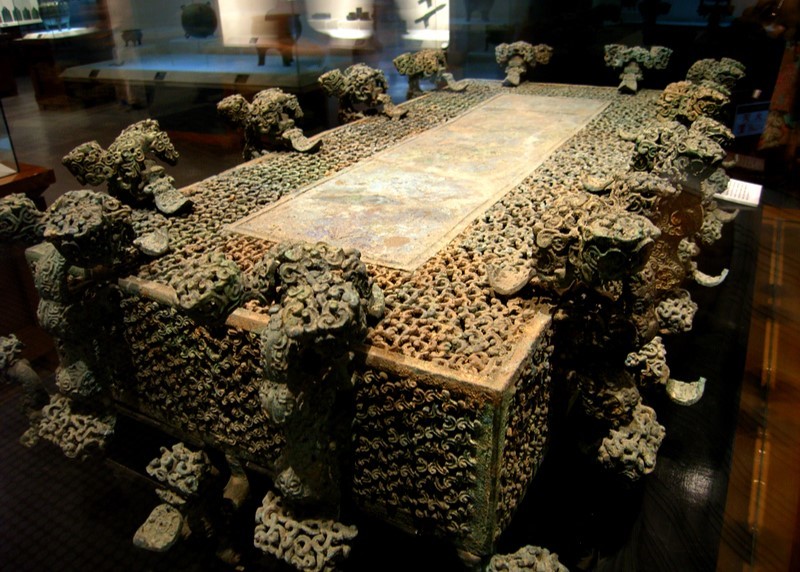
Introduction to investment casting manufacturing technique
Investment casting, also known as wax loss casting, is a long-standing metal forming process. The copper ban during the Spring and Autumn period in China was the earliest known lost wax casting method. The first step is to make a mold, using the mold to inject liquid wax into the mold to form a wax mold. Then, the wax mold is pasted into a pouring system according to the casting process, and the entire pouring system is made into a silica sol shell. After dewaxing, the entire shell becomes a cavity, and the cavity shell can be poured with molten steel after calcination. After cooling, the steel material product is formed. Subsequently, through processes such as cutting and grinding, sandblasting, heat treatment, correction, welding repair, electroplating, and machining, the cast products required by the customer are formed.
2024/10/08

Dalian is a beautiful coastal city in Northeast China, with beautiful scenery and pleasant climate. It is an important industrial production base, an international shipping center in Northeast Asia.
2024/07/11
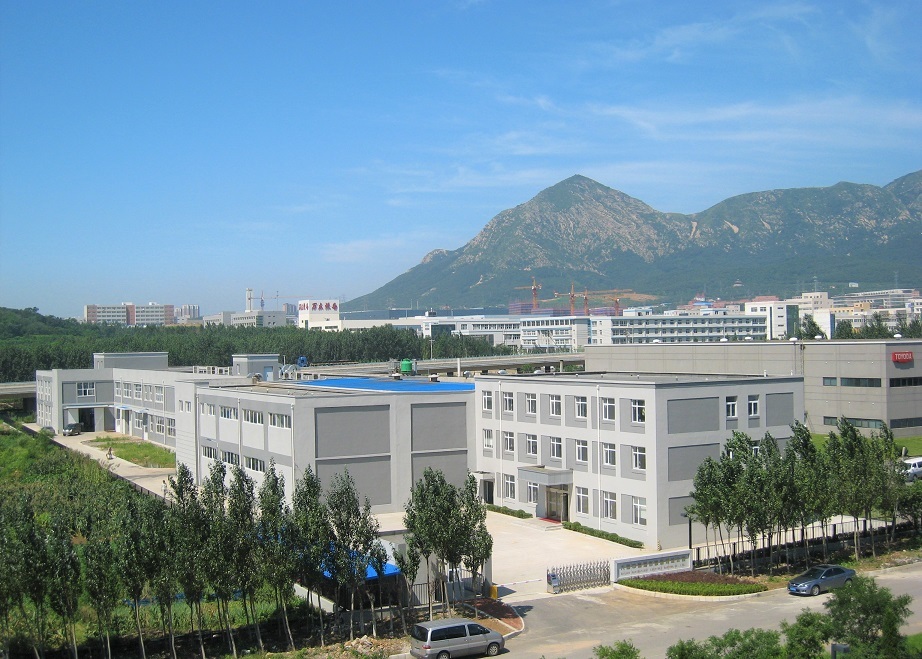
Dalian Sakabe has own foundry factory and focus on providing high-quality precision casting products to domestic and foreign customers since its establishment in 2005.
2024/10/08
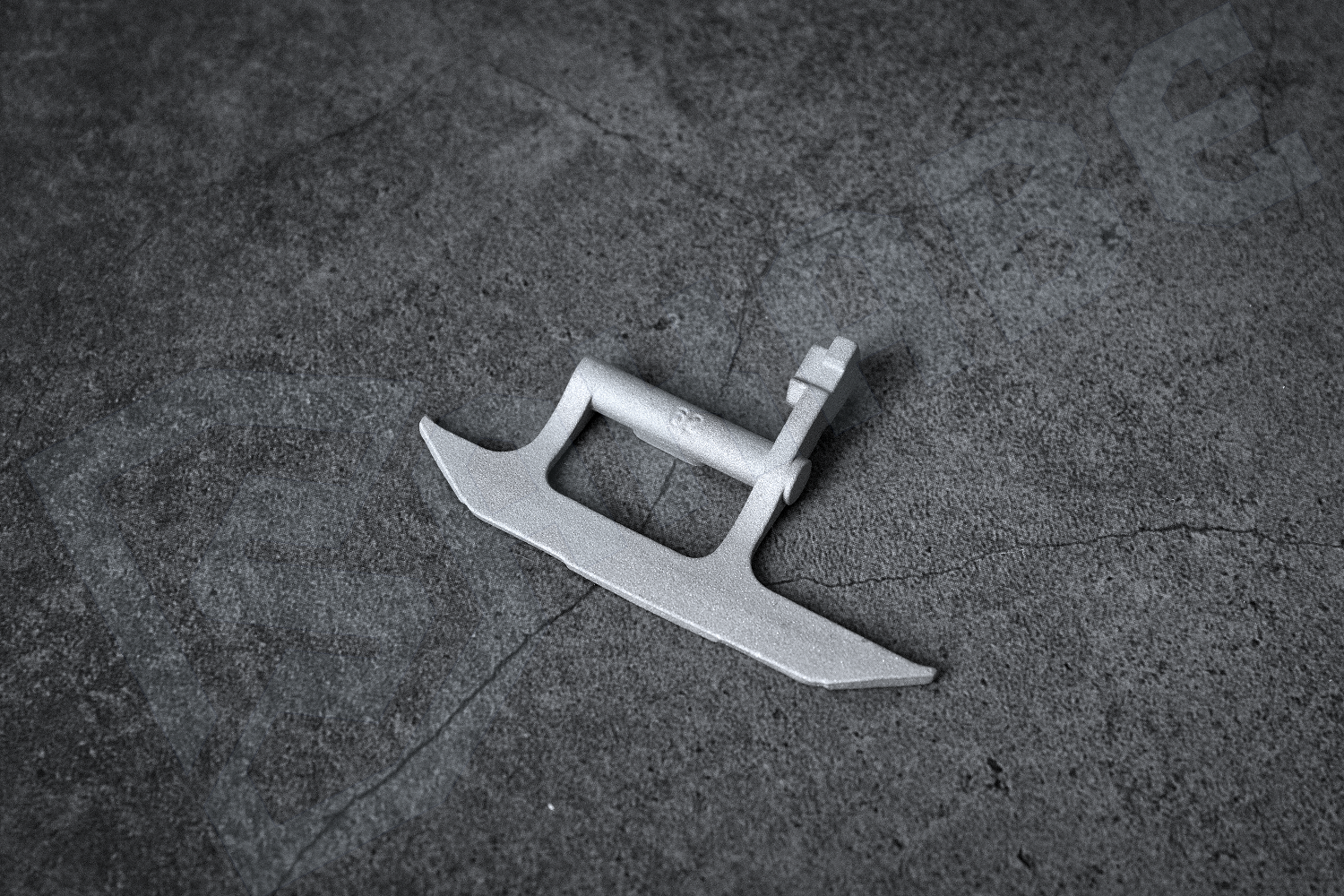
The Crucial Role of Casting Material Trays in Advanced Manufacturing
In the ever-evolving landscape of manufacturing, optimizing heat treatment processes through the strategic use of casting material trays is paramount
2025/09/19
CONTACT US
Tel: +86 136-5494-1611
E-mail: alexzheng@sakabe.cn
Office Address:
No.18 Dongbei Qi Street, Jinpu New Area, Dalian, Liaoning, China
Factory Address:
No.26 Fuan Street, Jinpu New Area, Dalian, Liaoning, China
