


Fluid chemical equipment die-casting parts are created through a process that involves injecting molten metal into a mold under high pressure. This method allows for the creation of complex shapes and intricate designs that would be challenging to achieve through traditional manufacturing techniques. The die-casting process ensures a high degree of dimensional accuracy and smooth surface finishes, making these components suitable for demanding applications.
One of the primary advantages of using fluid chemical equipment die-casting parts is their efficiency in production. The die-casting process is relatively fast, enabling manufacturers to produce large volumes of parts in a short amount of time. This efficiency not only reduces labor costs but also minimizes material waste, making it an environmentally friendly option. Furthermore, die-casting results in high-strength components that can withstand significant stress and pressure, enhancing the overall durability of the final products.
Another important aspect to consider is the versatility of these die-casting parts. They can be made from a variety of metals, including aluminum, zinc, and magnesium, each offering different properties suitable for specific applications. For example, aluminum die-casting parts are often favored for their lightweight and corrosion-resistant characteristics, making them ideal for the automotive industry where weight reduction is crucial for fuel efficiency.
Moreover, fluid chemical equipment die-casting parts can be easily integrated into existing manufacturing processes. Their compatibility with various assembly methods enables manufacturers to streamline production and reduce lead times. As industries continue to evolve and seek innovative solutions, the demand for high-quality die-casting components remains strong.
In conclusion, fluid chemical equipment die-casting parts play a vital role in the manufacturing and mechanical hardware processing sectors. Their efficiency, versatility, and ability to produce high-quality components make them an indispensable part of modern manufacturing. As technology advances, the importance of these parts is only expected to grow, further driving innovation and enhancing production capabilities. Understanding their applications and benefits can help manufacturers make informed decisions that align with their production goals.
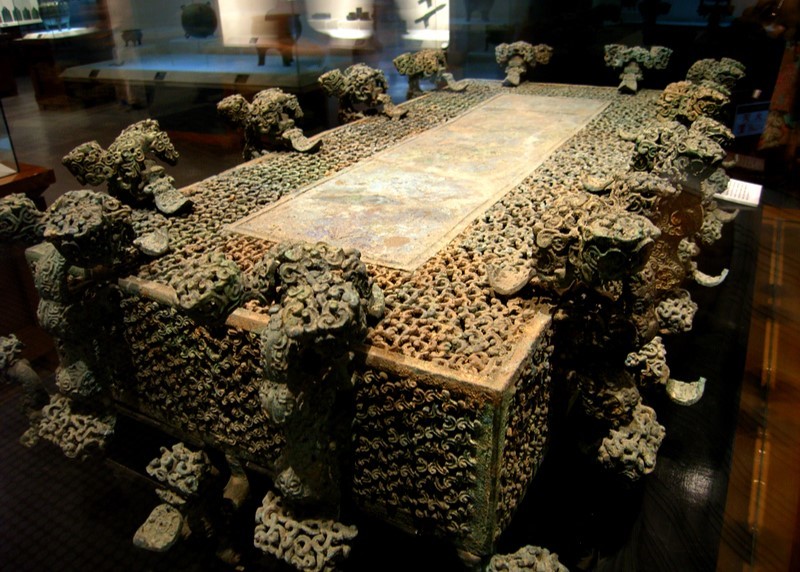
Introduction to investment casting manufacturing technique
Investment casting, also known as wax loss casting, is a long-standing metal forming process. The copper ban during the Spring and Autumn period in China was the earliest known lost wax casting method. The first step is to make a mold, using the mold to inject liquid wax into the mold to form a wax mold. Then, the wax mold is pasted into a pouring system according to the casting process, and the entire pouring system is made into a silica sol shell. After dewaxing, the entire shell becomes a cavity, and the cavity shell can be poured with molten steel after calcination. After cooling, the steel material product is formed. Subsequently, through processes such as cutting and grinding, sandblasting, heat treatment, correction, welding repair, electroplating, and machining, the cast products required by the customer are formed.
2024/10/08

Dalian is a beautiful coastal city in Northeast China, with beautiful scenery and pleasant climate. It is an important industrial production base, an international shipping center in Northeast Asia.
2024/07/11
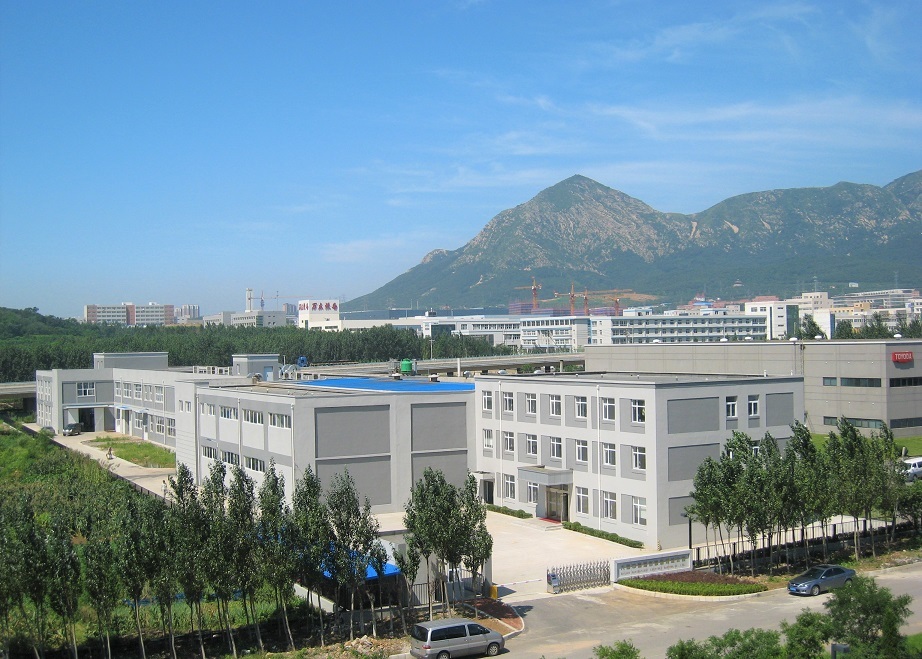
Dalian Sakabe has own foundry factory and focus on providing high-quality precision casting products to domestic and foreign customers since its establishment in 2005.
2024/10/08
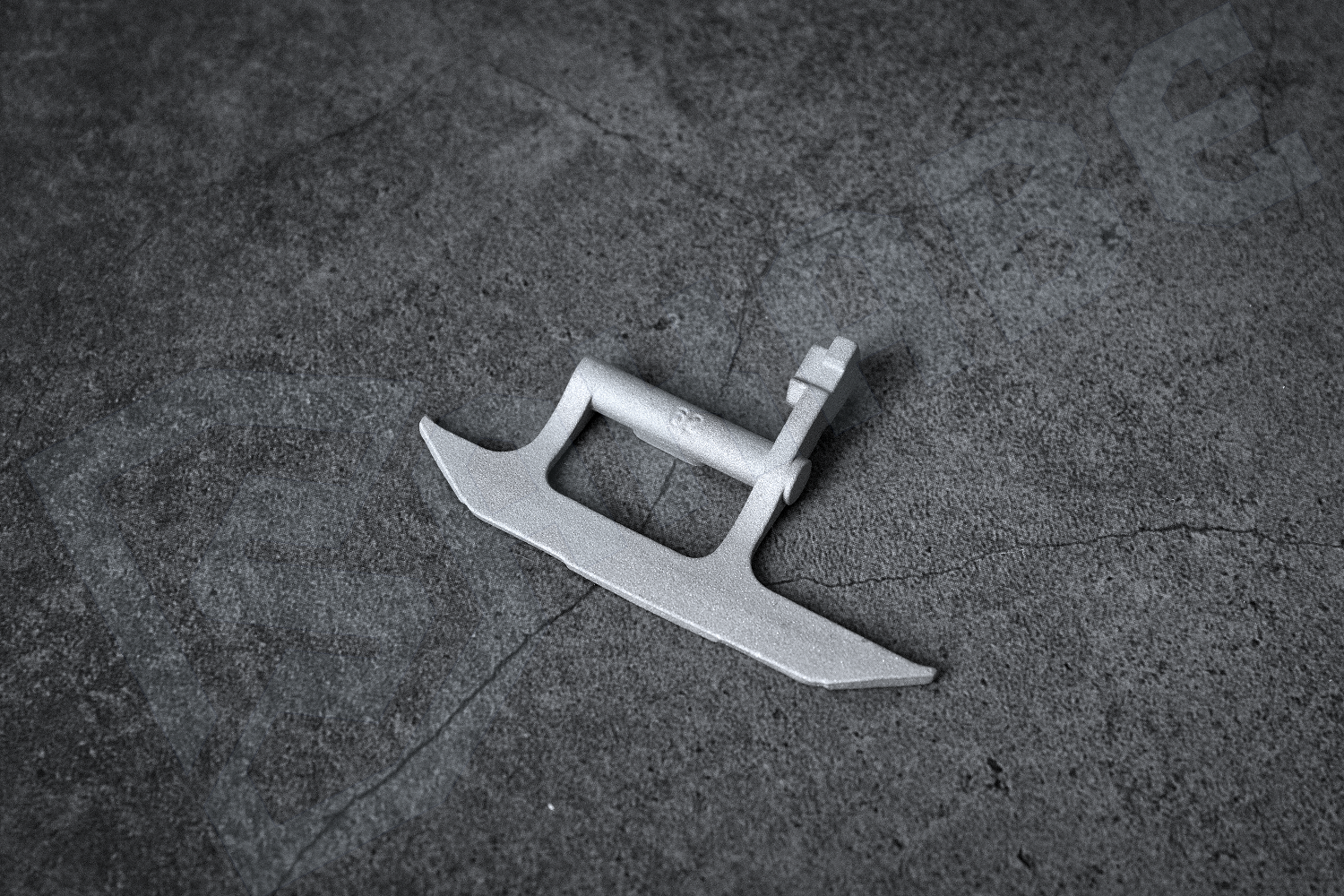
The Crucial Role of Casting Material Trays in Advanced Manufacturing
In the ever-evolving landscape of manufacturing, optimizing heat treatment processes through the strategic use of casting material trays is paramount
2025/09/19
CONTACT US
Tel: +86 136-5494-1611
E-mail: alexzheng@sakabe.cn
Office Address:
No.18 Dongbei Qi Street, Jinpu New Area, Dalian, Liaoning, China
Factory Address:
No.26 Fuan Street, Jinpu New Area, Dalian, Liaoning, China
