


Innovative Techniques in Medical Tool Die-Casting Parts Manufacturing
The medical industry constantly evolves, demanding high-quality and precise manufacturing processes. One of the key techniques that has emerged is die-casting, especially for components in medical tools. This article focuses on the **innovative techniques in medical tool die-casting parts manufacturing**, highlighting the methods, materials, and technologies that enhance production efficiency and product quality.
Table of Contents
- 1. Introduction to Die-Casting in Medical Manufacturing
- 2. Importance of Die-Casting in Medical Tool Production
- 3. Innovative Die-Casting Techniques
- 3.1. Vacuum Die-Casting
- 3.2. High-Pressure Die-Casting
- 3.3. Integrating 3D Printing with Die-Casting
- 4. Best Materials for Medical Tool Die-Casting
- 5. Challenges in Die-Casting for Medical Applications
- 6. Ensuring Quality in Die-Casting Manufacturing
- 7. The Future of Die-Casting Techniques in Medical Tools
- 8. Frequently Asked Questions
- 9. Conclusion
1. Introduction to Die-Casting in Medical Manufacturing
Die-casting is a manufacturing process that involves forcing molten metal into a mold cavity. This method is particularly effective for producing complex shapes with high precision. In the medical industry, **die-casting** is vital for manufacturing components such as surgical instruments, diagnostic equipment, and various medical devices. The rise of advanced manufacturing technologies has led to significant improvements in die-casting techniques, fostering innovation and efficiency in medical tool production.
2. Importance of Die-Casting in Medical Tool Production
The importance of die-casting in the medical field cannot be overstated. As the demand for high-quality medical tools rises, die-casting offers numerous advantages:
- Precision: Die-casting allows for tight tolerances, which is crucial for medical devices that require exact specifications.
- Durability: The process produces components capable of withstanding rigorous use while maintaining structural integrity.
- Efficiency: High production rates reduce manufacturing costs, making medical tools more accessible.
- Complex Geometries: Die-casting enables the production of intricate designs that traditional machining methods may not achieve.
3. Innovative Die-Casting Techniques
The landscape of die-casting is continuously evolving. Here, we discuss several innovative techniques that are transforming the manufacturing of medical tool parts.
3.1. Vacuum Die-Casting
Vacuum die-casting is a cutting-edge technique that minimizes air entrapment during the casting process. By creating a vacuum environment, this method enhances the quality of the final product, reducing defects such as porosity. This is particularly important in medical applications where component reliability is critical. Vacuum die-casting improves the integrity and strength of the parts, leading to safer medical tools.
3.2. High-Pressure Die-Casting
High-pressure die-casting involves injecting molten metal into a mold at extremely high pressures. This technique allows for greater control over the flow of metal, leading to improved surface finishes and finer details. In the medical field, this method is ideal for producing components that require exceptional surface quality and dimensional accuracy, making it an essential technique for high-performance medical tools.
3.3. Integrating 3D Printing with Die-Casting
The integration of **3D printing** technology with die-casting is paving the way for innovative manufacturing solutions. 3D printing can produce complex mold designs that were previously impossible to achieve with conventional methods. This synergy allows manufacturers to create customized molds for specific medical applications, enhancing production flexibility and enabling rapid prototyping.
4. Best Materials for Medical Tool Die-Casting
Choosing the right materials for die-casting is crucial in ensuring the safety and effectiveness of medical tools. The most common materials used include:
- Aluminum: Lightweight and corrosion-resistant, aluminum is frequently used for various medical devices.
- Zinc: Known for its excellent casting properties and finish, zinc is often used in smaller medical components.
- Magnesium: This lightweight metal offers high strength-to-weight ratios, making it suitable for portable medical devices.
When selecting materials, manufacturers must consider factors such as biocompatibility, strength, and the specific application of the medical tool.
5. Challenges in Die-Casting for Medical Applications
Despite its advantages, die-casting in medical applications presents challenges, including:
- Regulatory Compliance: Medical devices must meet strict regulatory requirements. Manufacturers must ensure that their casting processes comply with industry standards.
- Material Limitations: Not all materials can be die-cast effectively, and some may require specialized processes.
- Cost Management: While die-casting can be cost-effective at scale, initial setup costs for specialized molds can be high.
Addressing these challenges requires continuous innovation and collaboration between manufacturers and regulatory bodies.
6. Ensuring Quality in Die-Casting Manufacturing
Quality assurance is paramount in die-casting, especially for medical applications. Implementing best practices such as rigorous testing, continuous monitoring, and process optimization helps maintain high standards:
- Material Testing: Regular testing of raw materials ensures they meet specifications before use.
- Process Monitoring: Utilizing real-time monitoring systems can identify deviations in the manufacturing process before they lead to defects.
- Final Inspection: Comprehensive inspections of finished products are essential to ensure they meet all safety and performance standards.
7. The Future of Die-Casting Techniques in Medical Tools
The future of die-casting in medical tool manufacturing looks promising. With the rise of smart manufacturing, the integration of artificial intelligence and machine learning can optimize casting processes, reduce waste, and enhance product quality. Additionally, advancements in materials science may lead to the development of new alloys specifically designed for medical applications, further expanding the capabilities of die-casting.
8. Frequently Asked Questions
What is die-casting?
Die-casting is a manufacturing process where molten metal is forced into a mold to create precise and complex shapes.
Why is die-casting important in the medical industry?
Die-casting allows for high precision, efficiency, and durability in producing components critical for medical tools and devices.
What are the benefits of vacuum die-casting?
Vacuum die-casting minimizes air entrapment, leading to fewer defects and higher integrity in the final product.
What materials are commonly used in medical die-casting?
Common materials include aluminum, zinc, and magnesium, chosen for their specific properties that meet medical standards.
How can quality be ensured in die-casting manufacturing?
Quality can be ensured through rigorous material testing, process monitoring, and thorough final inspections of finished products.
9. Conclusion
The field of medical tool manufacturing is rapidly evolving, and die-casting stands at the forefront of this transformation. With innovative techniques like vacuum die-casting, high-pressure die-casting, and the integration of 3D printing, manufacturers can produce high-quality, precise medical components that meet the industry's stringent demands. By embracing these advancements and addressing the challenges inherent in die-casting, the medical industry can continue to deliver safer and more effective tools, ultimately improving patient care and outcomes.


Dalian Sakabe was invited to participate in the Dalian investment promotion project ceremony
On March 27, 2025, Dalian Sakabe, as an advanced foreign-funded enterprise in Dalian, was invited to participate in the investment promotion project ceremony of Dalian China.
2025/04/01

It is pleased that partner NME come to visit us Sakabe foundry
It is pleased that partner NME come to visit us Sakabe foundry. We share the same philosophy about quality standards, product positioning, environmental protection, and sustainable development. It's lucky to meet like-minded partners!
2025/02/19
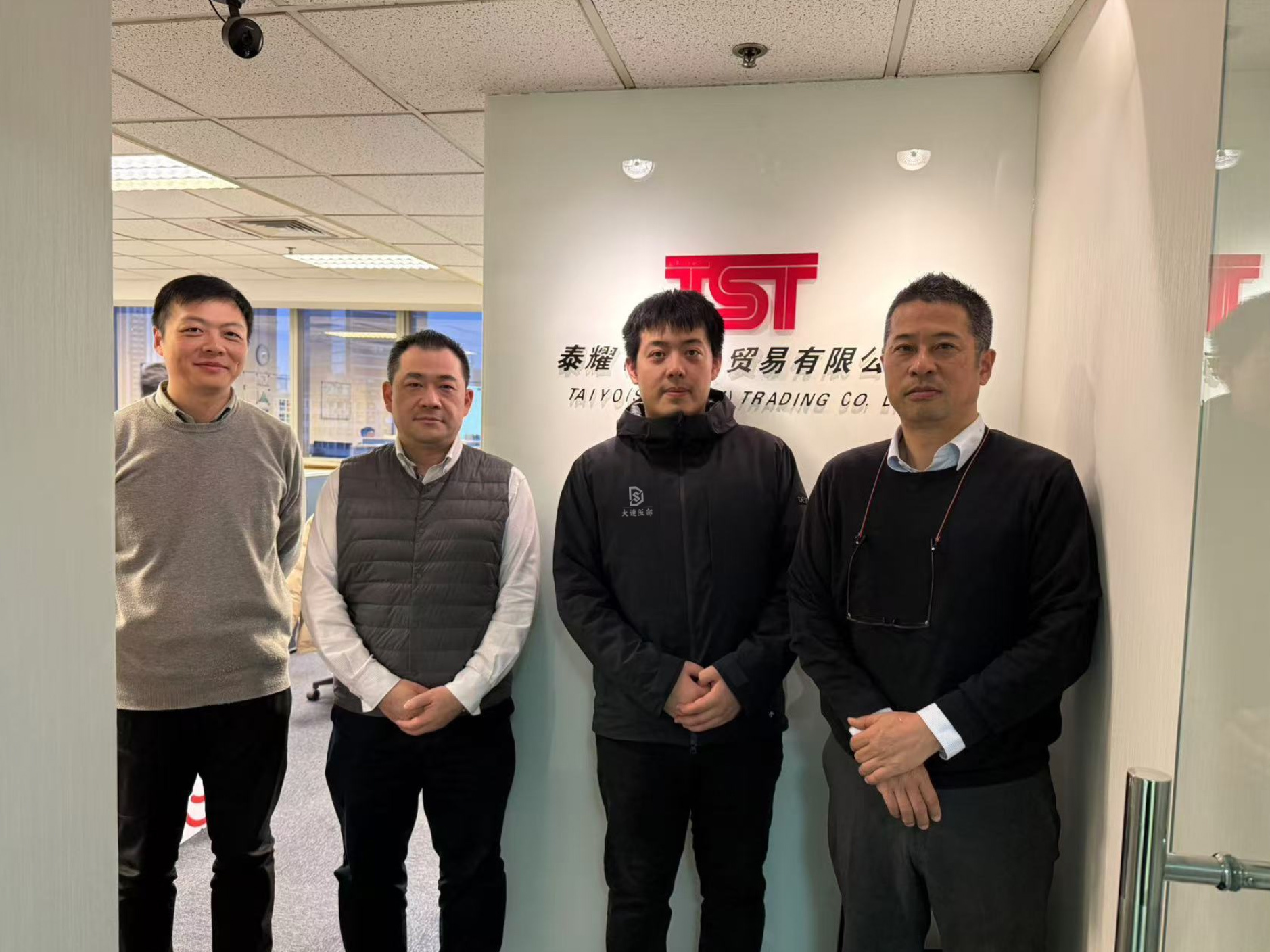
Great meeting with partner in Shanghai
Dalian Sakabe paying visit to our partner TST in Shanghai. Had discussions and plans for long term co-operation. Great thanks for your support!
2025/01/02
CONTACT US
Tel: +86 136-5494-1611
E-mail: alexzheng@sakabe.cn
Office Address:
No.18 Dongbei Qi Street, Jinpu New Area, Dalian, Liaoning, China
Factory Address:
No.26 Fuan Street, Jinpu New Area, Dalian, Liaoning, China
