

Casting offers numerous advantages, particularly in the context of manufacturing textile machinery. First and foremost, it enables the production of complex shapes that are often required in specialized machinery. The textile industry uses a variety of machines, from weaving looms to knitting machines, each necessitating specific parts that can withstand significant wear and tear. The casting process allows manufacturers to produce these parts with precise specifications, ensuring they fit perfectly and perform optimally.
Durability is another key factor when it comes to textile machinery parts casting. Cast components tend to be more resilient than those made through other methods, such as machining or forging. This is particularly important in the textile industry, where machinery operates at high speeds and under constant stress. High-quality cast parts can resist deformation, reduce the risk of failure, and prolong the lifespan of the machinery, ultimately leading to less downtime and lower maintenance costs.
Moreover, the casting process is highly adaptable. Different metals and alloys can be used depending on the specific needs of the machinery and the working conditions it will face. For instance, certain cast iron alloys may be used for parts that require excellent wear resistance, while aluminum might be preferred for components that need to be lightweight yet strong. This versatility allows manufacturers in the textile industry to customize their machinery effectively, aligning with the evolving demands of production processes.
Another significant aspect of textile machinery parts casting is its contribution to innovation. As manufacturers seek to enhance efficiency and reduce costs, the ability to quickly produce high-quality, customized parts is invaluable. Advances in casting technologies, such as 3D printing and automated molding, are making it easier for manufacturers to adapt their machinery to new requirements or design entirely new types of equipment. This agility is essential in a competitive marketplace where staying ahead of trends can determine success.
In conclusion, textile machinery parts casting plays an essential role in the manufacturing sector, particularly within the textile industry. By enabling the production of durable, precisely shaped components, it supports the efficiency and longevity of machinery while fostering innovation. As the industry continues to evolve, the importance of effective casting methods will only grow, making it a key area for manufacturers to focus on in their quest for excellence.
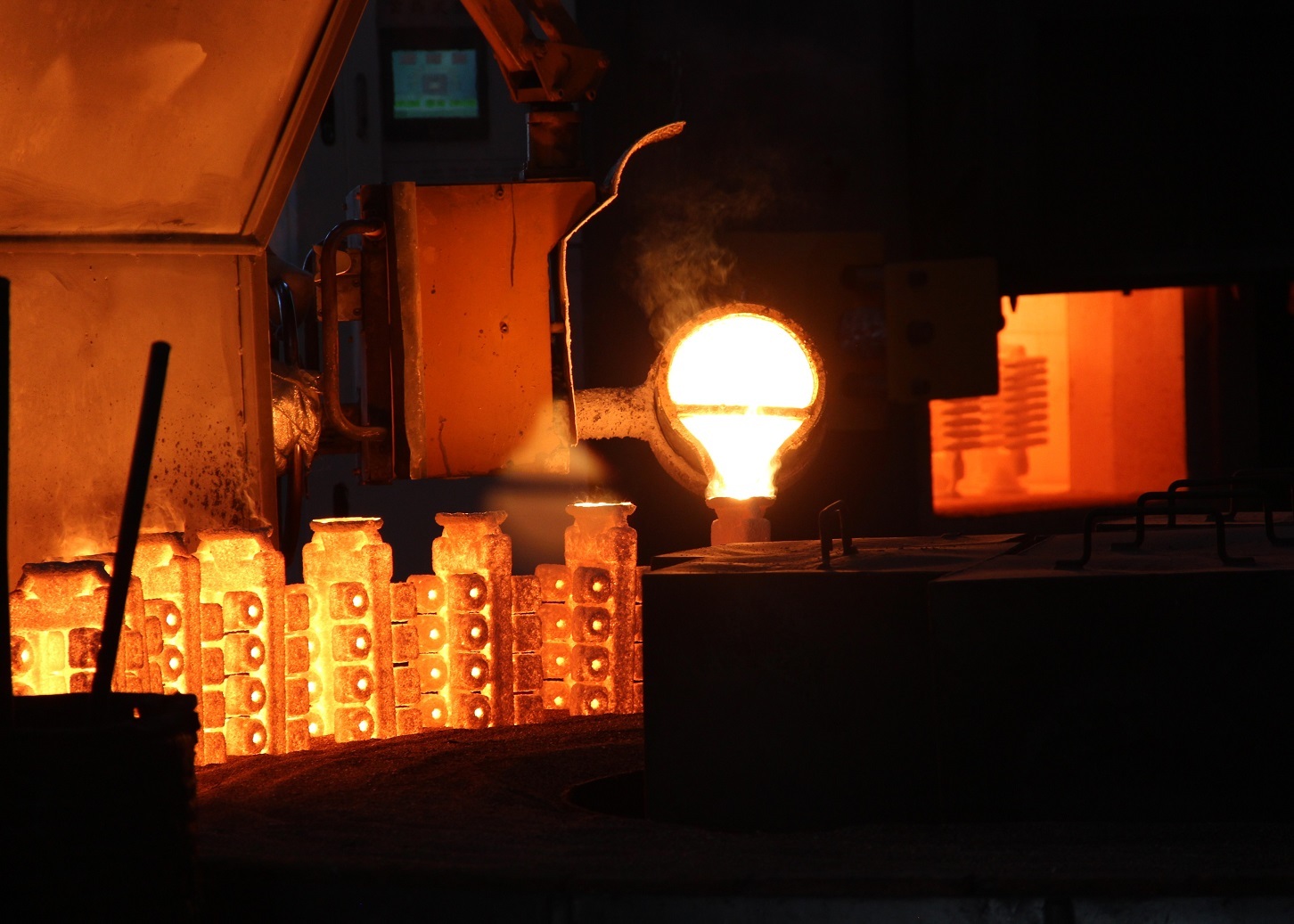
Development prospects of investment casting
The products obtained by investment casting are precise and complex, close to the final shape of the parts, and can be directly used without or with little machining. It is an advanced technology for near net formation and an excellent process technology in the casting industry, with a wide range of applications. It is suitable for casting various types of alloys, and the produced castings have higher dimensional accuracy and surface quality than other casting methods. Even complex, high-temperature resistant, and difficult to process castings can be cast using investment casting precision casting.
2024/10/08
CONTACT US
Tel: +86 136-5494-1611
E-mail: alexzheng@sakabe.cn
Office Address:
No.18 Dongbei Qi Street, Jinpu New Area, Dalian, Liaoning, China
Factory Address:
No.26 Fuan Street, Jinpu New Area, Dalian, Liaoning, China
