


Understanding the Essential Components of Sewing Machine Parts Casting
Table of Contents
- 1. Introduction to Sewing Machine Casting
- 2. Importance of Quality Casting in Sewing Machines
- 3. The Casting Process for Sewing Machine Parts
- 4. Materials Used in Casting Sewing Machine Parts
- 5. Key Components of Sewing Machine Parts
- 6. Maintenance Tips for Cast Parts
- 7. Common Issues with Cast Sewing Machine Parts
- 8. Frequently Asked Questions
- 9. Conclusion
1. Introduction to Sewing Machine Casting
Sewing machines are complex devices that rely on precision engineering to function effectively. One of the critical aspects of these machines is the casting of various components, which plays a vital role in ensuring their durability and performance. In this article, we delve into the essential components of sewing machine parts casting, examining the processes involved, the materials used, and what makes high-quality cast parts essential for optimal sewing machine performance.
2. Importance of Quality Casting in Sewing Machines
The importance of quality casting cannot be overstated. Cast components provide the structural integrity that allows sewing machines to operate smoothly under various conditions. High-quality casting can prevent wear and tear, extend the lifespan of the machine, and enhance overall performance. When manufacturers invest in quality casting processes, they ensure that each part is designed to withstand the rigors of daily use, thereby improving user satisfaction and reducing the likelihood of mechanical failures.
3. The Casting Process for Sewing Machine Parts
The casting process involves several intricate steps, each crucial for producing high-quality components. We will explore the primary methods of casting used in the manufacturing of sewing machine parts:
3.1 Sand Casting
Sand casting is one of the most common methods used for casting metal parts. It involves creating a mold from sand and then pouring molten metal into the mold to form the desired shape. This method is favored for its versatility and ability to produce complex shapes.
3.2 Die Casting
Die casting employs high pressure to force molten metal into a mold. This technique is known for producing parts with excellent surface finish and dimensional accuracy. It is ideal for high-volume production runs, making it a popular choice for sewing machine manufacturers.
3.3 Investment Casting
Investment casting, often referred to as lost-wax casting, is a highly precise method used for creating intricate parts. This method allows for fine details and complex geometries, making it suitable for sewing machines that require high accuracy in their components.
4. Materials Used in Casting Sewing Machine Parts
The choice of material for casting sewing machine parts significantly impacts their performance and durability. Here are some of the most commonly used materials:
4.1 Aluminum Alloys
Aluminum alloys are lightweight and resistant to corrosion, making them ideal for sewing machine components. Their thermal conductivity also plays a vital role in maintaining consistent operating temperatures.
4.2 Cast Iron
Cast iron is favored for its durability and ability to absorb vibrations. Many heavy-duty sewing machines utilize cast iron parts to enhance stability and reduce noise during operation.
4.3 Steel
Steel is used for its strength and resilience. Components subjected to high stress or wear often incorporate steel due to its exceptional mechanical properties.
5. Key Components of Sewing Machine Parts
Understanding the key components of sewing machines that are cast is essential for both manufacturers and users.
5.1 Needle Bar
The needle bar holds the sewing needle in place and must be robust to withstand repeated motion.
5.2 Bobbin Case
The bobbin case is crucial for the smooth operation of the sewing machine. A well-cast bobbin case ensures proper tension and feed of the thread.
5.3 Feed Dogs
Feed dogs help move the fabric through the machine. Their casting needs to be precise to ensure effective fabric handling.
5.4 Machine Bed
The machine bed provides stability and support for the entire sewing machine. A solid, well-cast bed is crucial for maintaining accuracy during sewing.
5.5 Tension Assembly
The tension assembly controls the tightness of the thread. High-quality casting in this component ensures consistent thread tension, preventing sewing errors.
6. Maintenance Tips for Cast Parts
Maintaining the cast parts of a sewing machine is essential for prolonging its lifespan and ensuring optimal performance. Here are some tips:
6.1 Regular Cleaning
Dust and fabric debris can accumulate in and around cast components. Regular cleaning helps maintain performance and prevents damage.
6.2 Lubrication
Proper lubrication of moving parts reduces friction, ensuring smooth operation and preventing wear.
6.3 Inspection
Regularly inspect cast components for signs of wear or damage. Early detection can prevent more severe issues from developing.
7. Common Issues with Cast Sewing Machine Parts
Even with the best maintenance practices, issues may arise. Here are some common problems and their solutions:
7.1 Misalignment
If a sewing machine is not stitching correctly, misalignment of cast parts may be the culprit. Adjusting the machine settings can often resolve this.
7.2 Wear and Tear
Over time, even high-quality cast parts can wear down. Replacing worn components is essential for maintaining machine performance.
7.3 Vibration Noise
Excessive vibration noise might indicate that a cast part is loose. Tightening screws or bolts can often rectify this issue.
8. Frequently Asked Questions
8.1 What is the primary purpose of casting in sewing machines?
Casting provides the necessary strength and durability for crucial components, ensuring the machine operates smoothly over time.
8.2 How can I identify quality cast parts?
Look for brands known for their robust manufacturing processes and check user reviews for performance insights.
8.3 Are all sewing machine parts cast?
Not all parts are cast; some may be manufactured using other processes like injection molding or machining.
8.4 How often should I maintain my sewing machine?
Regular maintenance every few months is recommended, but heavy users should consider more frequent check-ups.
8.5 Can I replace cast parts myself?
While some users can replace parts, it's often best to consult a professional for complex replacements to ensure proper installation.
9. Conclusion
Understanding the essential components of sewing machine parts casting is crucial for both manufacturers and users. The casting process, materials used, and maintenance practices all contribute to the performance and longevity of sewing machines. By prioritizing quality casting and recognizing key components, users can enhance their sewing experience and ensure their machines operate at peak efficiency. Investing in high-quality cast parts ultimately leads to improved performance, reduced downtime, and greater satisfaction in the art of sewing.

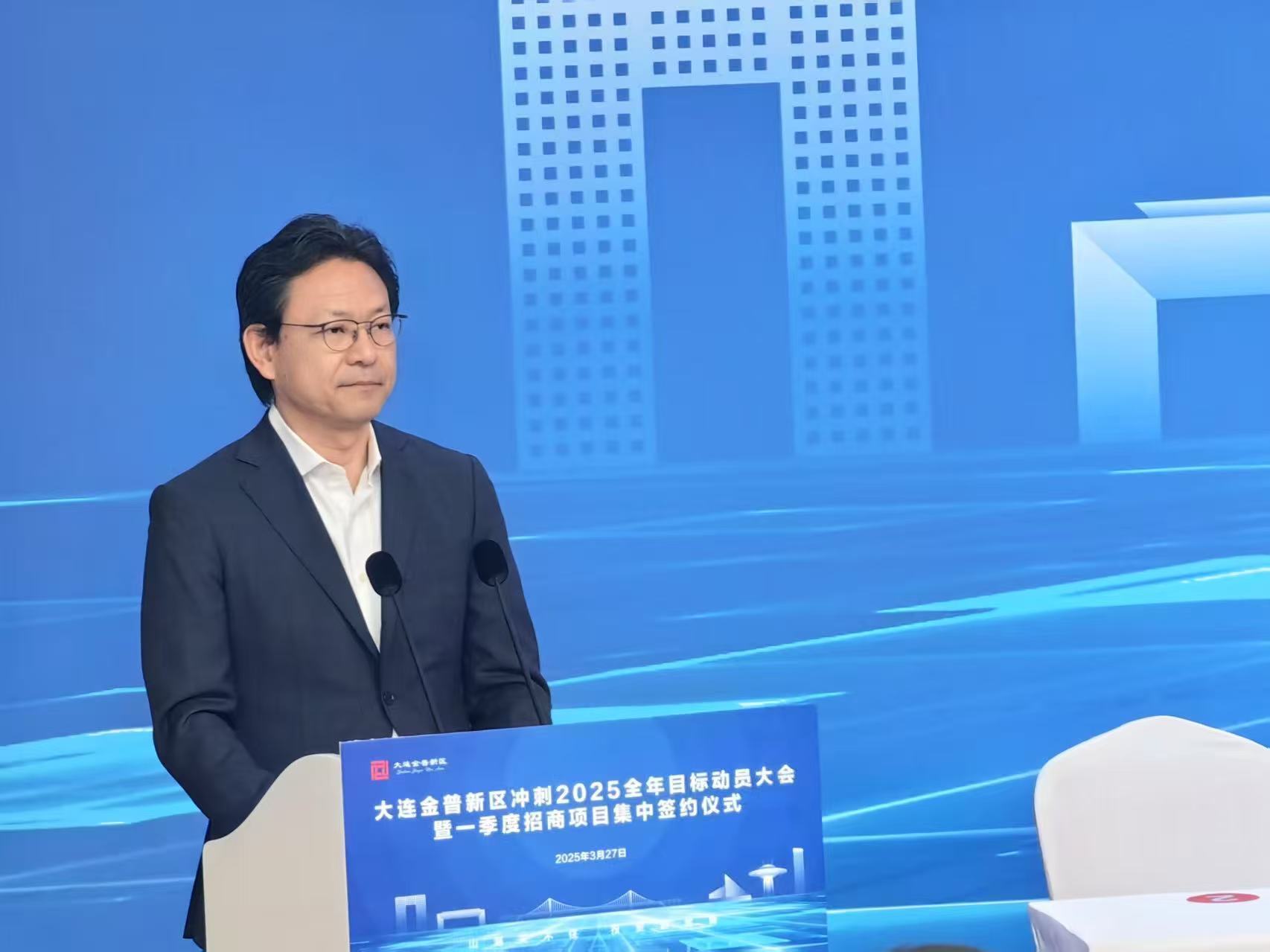
Dalian Sakabe was invited to participate in the Dalian investment promotion project ceremony
On March 27, 2025, Dalian Sakabe, as an advanced foreign-funded enterprise in Dalian, was invited to participate in the investment promotion project ceremony of Dalian China.
2025/04/01
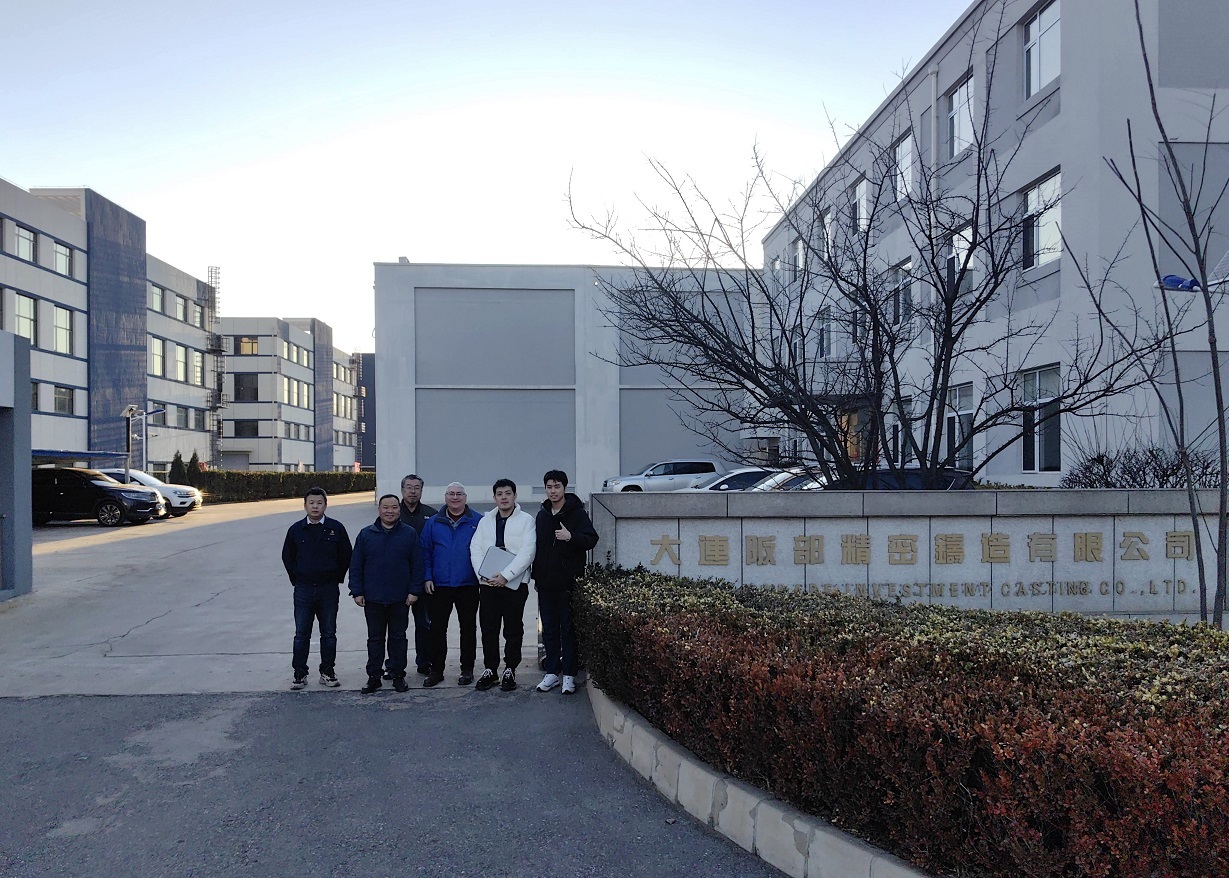
It is pleased that partner NME come to visit us Sakabe foundry
It is pleased that partner NME come to visit us Sakabe foundry. We share the same philosophy about quality standards, product positioning, environmental protection, and sustainable development. It's lucky to meet like-minded partners!
2025/02/19
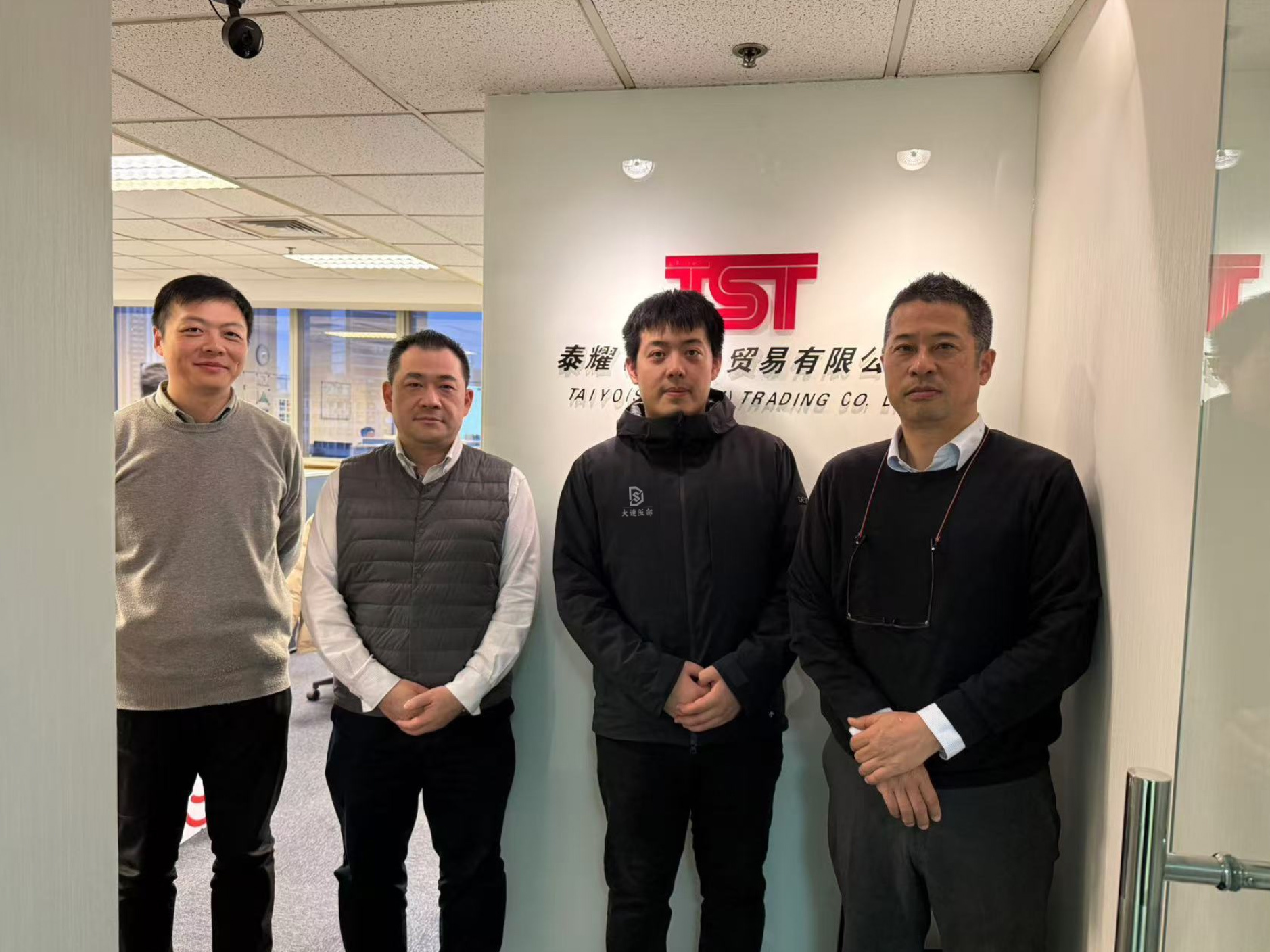
Great meeting with partner in Shanghai
Dalian Sakabe paying visit to our partner TST in Shanghai. Had discussions and plans for long term co-operation. Great thanks for your support!
2025/01/02
CONTACT US
Tel: +86 136-5494-1611
E-mail: alexzheng@sakabe.cn
Office Address:
No.18 Dongbei Qi Street, Jinpu New Area, Dalian, Liaoning, China
Factory Address:
No.26 Fuan Street, Jinpu New Area, Dalian, Liaoning, China
