

Unlocking Efficiency in Beverage Production with Quality Casting Parts
Table of Contents
- Introduction
- The Importance of Casting Parts in Beverage Production
- Different Types of Casting Technology
- Benefits of Using Quality Casting Parts
- Casting Parts in the Beverage Production Process
- Choosing the Right Casting Parts for Your Beverage Production
- Case Studies and Success Stories
- The Future of Casting in the Beverage Industry
- Conclusion
- FAQs
Introduction
In today's fast-paced beverage production landscape, efficiency is crucial for maintaining a competitive edge. One of the often-overlooked elements that significantly influence production efficiency is the quality of casting parts. These components play a vital role in machinery and equipment used throughout the beverage manufacturing process. In this article, we will explore how investing in high-quality casting parts can enhance operational efficiency, reduce downtime, and improve overall productivity in the beverage industry.
The Importance of Casting Parts in Beverage Production
Casting parts are essential in various stages of beverage production, from processing raw materials to packaging the final product. They are used in equipment such as mixers, fillers, and bottling machines, where precision and durability are paramount.
**Casting parts provide:**
- **Enhanced durability:** Quality casting materials can withstand the rigors of continuous operation.
- **Precision engineering:** Accurate casting ensures that components fit perfectly, reducing wear and tear.
- **Improved performance:** High-quality parts contribute to the overall efficiency of machinery.
By focusing on the quality of casting components, beverage manufacturers can create a robust production line that minimizes interruptions and optimizes workflow.
Different Types of Casting Technology
Understanding the various casting technologies is key to selecting the right parts for your production needs. Below are some common casting methods used in the beverage industry:
1. Sand Casting
This method involves creating a mold from a mixture of sand and a bonding agent. It is versatile and cost-effective for producing complex shapes.
2. Investment Casting
Also known as lost-wax casting, this technique is ideal for producing high-precision components. It is commonly used for parts with intricate designs.
3. Die Casting
Die casting involves forcing molten metal into a mold, resulting in high-quality, durable components. It is suitable for mass production due to its speed and efficiency.
4. Permanent Mold Casting
This method uses reusable molds, allowing for rapid production cycles. It is often employed for aluminum and zinc components.
Each casting technique has its advantages and limitations, making it essential for manufacturers to evaluate their specific requirements before choosing a method.
Benefits of Using Quality Casting Parts
Utilizing high-quality casting parts can yield numerous benefits that directly impact production efficiency.
1. Reduced Downtime
Quality casting parts are less prone to failure, which means fewer interruptions in the production process. This translates to increased output and reduced costs associated with maintenance and repairs.
2. Enhanced Product Quality
Casting parts made from superior materials and manufacturing processes contribute to the overall quality of the beverage produced. Consistency in component quality ensures that products meet industry standards.
3. Cost Efficiency
While high-quality casting parts may come at a premium initially, they often result in long-term savings due to reduced maintenance costs and extended lifespans. Investing in quality is an investment in the future of your production line.
4. Flexibility and Customization
Quality casting manufacturers often offer customization options, allowing beverage producers to tailor components to their specific machinery requirements. This flexibility can lead to optimized production processes.
Casting Parts in the Beverage Production Process
Casting parts are integral to various stages of the beverage production process. Understanding their roles can help manufacturers identify areas for improvement.
1. Mixing and Processing
High-quality casting components are essential in mixers and processing equipment, ensuring that ingredients are blended uniformly. This consistency is vital for product quality.
2. Filling and Packaging
Casting parts play a crucial role in filling machines and packaging lines. Precision casting ensures that containers are filled accurately, preventing product wastage.
3. Maintenance and Repair
Utilizing durable casting parts reduces the frequency of maintenance and repairs, allowing production teams to focus on output rather than equipment issues.
Choosing the Right Casting Parts for Your Beverage Production
Selecting the appropriate casting parts involves several considerations to align with production goals.
1. Material Selection
Choosing the right material is crucial for durability and performance. Common materials include aluminum, iron, and stainless steel, each offering unique properties suited for different applications.
2. Compatibility with Existing Equipment
Ensure that casting parts are compatible with your existing machinery to avoid operational disruptions. This may involve consulting with manufacturers or conducting trials.
3. Supplier Reputation
Working with reputable suppliers experienced in the beverage industry can provide peace of mind regarding the quality and reliability of casting parts.
4. Cost vs. Quality
Finding the right balance between cost and quality is essential. While it may be tempting to opt for lower-cost options, investing in quality casting parts can yield greater long-term benefits.
Case Studies and Success Stories
Examining real-world examples can provide valuable insights into the effectiveness of quality casting parts in beverage production.
1. Case Study: A Major Beverage Producer
A leading beverage producer faced frequent downtime due to equipment failures. By switching to high-quality casting components, they reduced maintenance interruptions by 30%, significantly increasing overall production efficiency.
2. Success Story: A Craft Brewery
A craft brewery improved its production line by incorporating custom casting parts designed for its unique equipment. This change led to a 25% increase in output and enhanced product consistency.
The Future of Casting in the Beverage Industry
As technology continues to evolve, so does the casting industry. Emerging trends such as 3D printing and advanced materials are set to redefine how casting parts are produced and utilized.
1. 3D Printing in Casting
3D printing technology allows for rapid prototyping and the creation of highly customized casting parts. This innovation can lead to reduced lead times and increased design flexibility.
2. Sustainable Materials
The push for sustainability in production processes is influencing the materials used in casting. Manufacturers are exploring eco-friendly options that reduce environmental impact while maintaining performance.
Conclusion
Quality casting parts are a cornerstone of efficient beverage production. By understanding their importance, exploring various casting technologies, and selecting the right components, manufacturers can optimize their processes and enhance overall productivity. As the beverage industry continues to evolve, embracing innovation in casting technology will play a pivotal role in achieving operational excellence.
FAQs
What are casting parts, and why are they important in beverage production?
Casting parts are components made from molten metal poured into molds. They are crucial in beverage production for their durability, precision, and ability to enhance machinery performance.
How can quality casting parts reduce production downtime?
Quality casting parts are less likely to fail and require less frequent maintenance, resulting in fewer interruptions to the production process.
What are the most common casting technologies used in the beverage industry?
Common casting technologies include sand casting, investment casting, die casting, and permanent mold casting. Each has its unique advantages depending on the application's specific needs.
How do I choose the right casting parts for my production line?
Consider factors such as material selection, compatibility with existing equipment, supplier reputation, and the balance between cost and quality.
What future trends should we expect in casting for the beverage industry?
Expect to see advancements in 3D printing for rapid prototyping and increased use of sustainable materials to minimize environmental impact while maintaining performance.


Dalian Sakabe was invited to participate in the Dalian investment promotion project ceremony
On March 27, 2025, Dalian Sakabe, as an advanced foreign-funded enterprise in Dalian, was invited to participate in the investment promotion project ceremony of Dalian China.
2025/04/01

It is pleased that partner NME come to visit us Sakabe foundry
It is pleased that partner NME come to visit us Sakabe foundry. We share the same philosophy about quality standards, product positioning, environmental protection, and sustainable development. It's lucky to meet like-minded partners!
2025/02/19
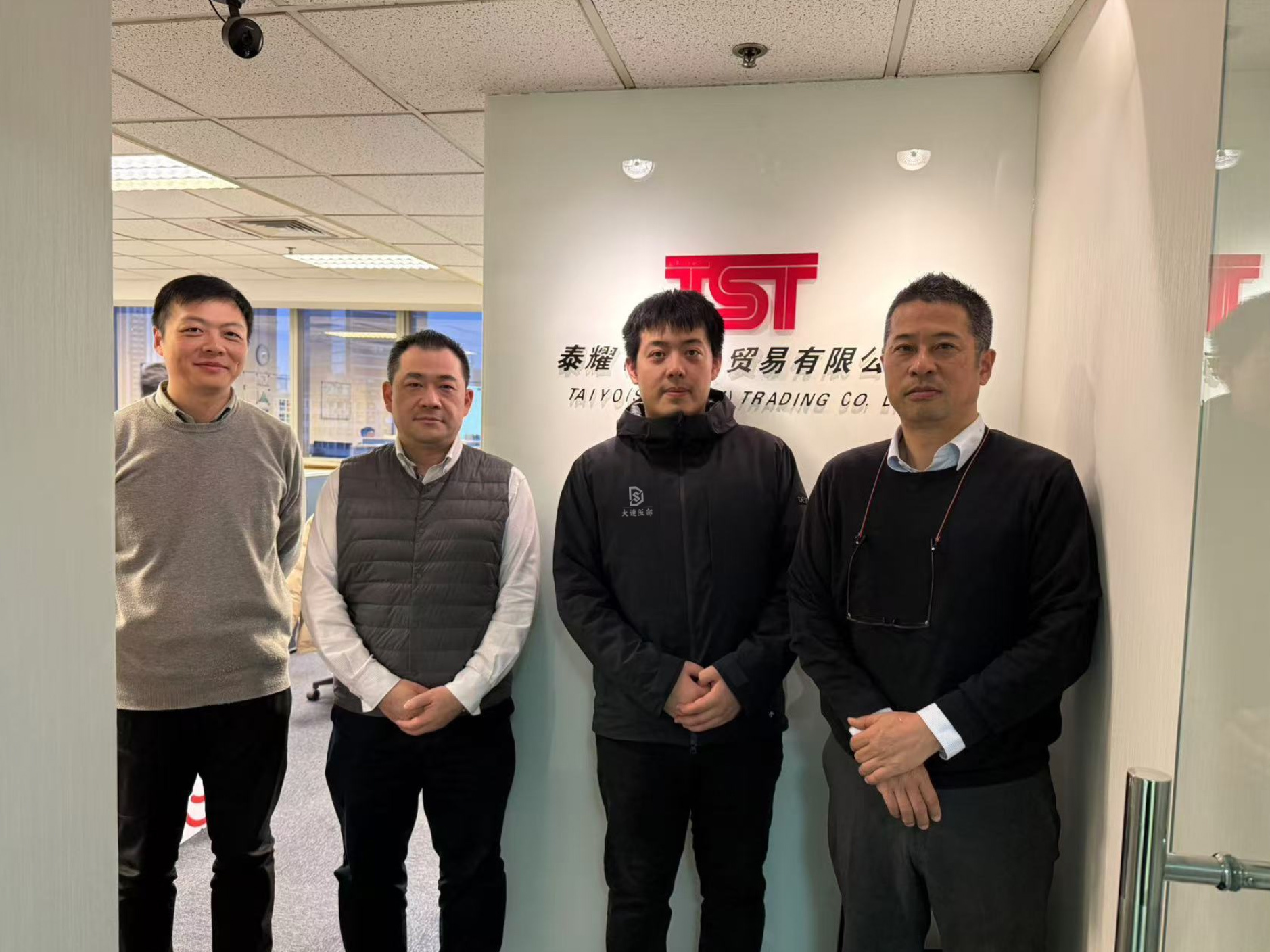
Great meeting with partner in Shanghai
Dalian Sakabe paying visit to our partner TST in Shanghai. Had discussions and plans for long term co-operation. Great thanks for your support!
2025/01/02
CONTACT US
Tel: +86 136-5494-1611
E-mail: alexzheng@sakabe.cn
Office Address:
No.18 Dongbei Qi Street, Jinpu New Area, Dalian, Liaoning, China
Factory Address:
No.26 Fuan Street, Jinpu New Area, Dalian, Liaoning, China
