


Unlocking Efficiency: The Role of Precision Casting in Textile Machinery Accessories
Table of Contents
1. Introduction to Precision Casting in Textile Machinery
2. Understanding Precision Casting: A Deep Dive
2.1 What is Precision Casting?
2.2 The Precision Casting Process Explained
3. The Advantages of Precision Casting in Textile Machinery Accessories
3.1 Enhanced Dimensional Accuracy
3.2 Reduced Waste and Cost Efficiency
3.3 Improved Material Properties
4. Applications of Precision Casting in Textile Machinery
4.1 Key Components in Textile Machines
4.2 Innovations Driven by Precision Casting
5. Challenges in Implementing Precision Casting
5.1 Technical Limitations and Solutions
5.2 Investment and Maintenance Considerations
6. Future Trends in Precision Casting for Textile Machinery
6.1 Technological Advancements
6.2 Sustainability and Eco-friendliness
7. Conclusion: Embracing the Future of Textile Machinery
8. Frequently Asked Questions (FAQs)
1. Introduction to Precision Casting in Textile Machinery
In the competitive world of textile manufacturing, efficiency and precision are paramount. As the demand for high-quality textile machinery accessories increases, manufacturers are turning to **precision casting** as a viable solution. This innovative process not only enhances the reliability of machinery parts but also plays a crucial role in improving overall production efficiency. By exploring the intricacies of precision casting, we can unlock new levels of operational excellence in this vital industry.
2. Understanding Precision Casting: A Deep Dive
2.1 What is Precision Casting?
Precision casting, also known as **investment casting**, is a manufacturing process that produces intricate metal parts with high dimensional accuracy and smooth surface finishes. By creating a wax pattern that is coated in a ceramic shell, manufacturers can achieve complex shapes that would be difficult or impossible to create using traditional machining methods.
2.2 The Precision Casting Process Explained
The precision casting process involves several key steps:
1. **Pattern Creation**: A wax or thermoplastic pattern is crafted to match the desired final product's specifications.
2. **Shell Building**: The pattern is coated with a fine-grain ceramic material to form a shell that can withstand the casting process.
3. **Wax Removal**: The shell is heated, causing the wax to melt and drain away, leaving a hollow ceramic mold.
4. **Metal Pouring**: Molten metal is poured into the mold, filling the cavity left by the wax pattern.
5. **Cooling and Shell Removal**: Once the metal has cooled and solidified, the ceramic shell is broken away, revealing the cast part.
6. **Finishing Touches**: Final machining and surface treatments are applied as necessary.
This method is ideal for producing **textile machinery accessories**, where precision and durability are essential.
3. The Advantages of Precision Casting in Textile Machinery Accessories
3.1 Enhanced Dimensional Accuracy
One of the most significant benefits of precision casting is its ability to produce components with exceptional dimensional accuracy. This precision minimizes the need for additional machining, reducing production times and costs while ensuring that each part meets stringent quality standards.
3.2 Reduced Waste and Cost Efficiency
Precision casting generates less waste compared to traditional metalworking methods, where excess material is often machined away. By utilizing a near-net-shape process, manufacturers can achieve significant cost savings on raw materials and labor, ultimately leading to a more sustainable production model.
3.3 Improved Material Properties
The precision casting process allows for the use of various alloys and metal types that can enhance the performance of textile machinery accessories. These improved material properties, such as increased strength and resistance to wear, contribute to the longevity and reliability of the equipment.
4. Applications of Precision Casting in Textile Machinery
4.1 Key Components in Textile Machines
Precision casting finds extensive applications in many components of textile machinery, including:
- **Spindles**: Essential for the spinning process, precision-cast spindles provide the necessary strength and durability.
- **Gears and Shafts**: Critical for transmitting power within the machinery, precision casting ensures high performance and longevity.
- **Frames and Housings**: Strong yet lightweight frames can be produced through precision casting, supporting efficient machine operation.
4.2 Innovations Driven by Precision Casting
As technology evolves, precision casting continues to drive innovations in textile machinery. New developments in **3D printing** and **computer-aided design (CAD)** are enhancing the precision casting process, enabling manufacturers to create even more complex components that were previously unattainable.
5. Challenges in Implementing Precision Casting
5.1 Technical Limitations and Solutions
While precision casting offers numerous benefits, there are some challenges associated with its implementation. Complex geometries may lead to difficulties in the casting process, necessitating the use of advanced simulation software to predict and mitigate potential issues.
5.2 Investment and Maintenance Considerations
Investing in precision casting technology can be significant. Manufacturers must consider not only the initial costs of equipment and training but also the long-term maintenance and operational expenses. However, the potential return on investment through increased efficiency and reduced waste often justifies these costs.
6. Future Trends in Precision Casting for Textile Machinery
6.1 Technological Advancements
The future of precision casting in textile machinery is bright, with ongoing advancements in materials science and manufacturing technology. Innovations such as **smart casting**—which leverages IoT technology to monitor and optimize production—are set to revolutionize the industry.
6.2 Sustainability and Eco-friendliness
As environmental concerns grow, the textile industry is increasingly focused on sustainable practices. Precision casting contributes to this goal by minimizing waste and energy consumption, making it a more environmentally friendly option compared to traditional manufacturing methods.
7. Conclusion: Embracing the Future of Textile Machinery
The role of precision casting in the production of textile machinery accessories is undeniably transformative. By enhancing efficiency, reducing waste, and improving the overall quality of components, precision casting has become an indispensable tool for manufacturers seeking to thrive in a competitive landscape. As we look to the future, embracing the innovations and advantages of precision casting will empower the textile industry to meet evolving challenges and demands.
8. Frequently Asked Questions (FAQs)
1. What industries benefit from precision casting?
Precision casting is widely used in various industries, including aerospace, automotive, medical devices, and textile machinery, due to its ability to produce complex and precise components.
2. How does precision casting reduce waste?
Precision casting minimizes waste by using a near-net-shape process, which means that the final product requires less machining and raw material than traditional methods.
3. What types of materials are used in precision casting?
Common materials for precision casting include steel, aluminum, brass, and various alloys, allowing for tailored material properties specific to each application.
4. Can precision casting be used for small production runs?
Yes, precision casting is suitable for both small and large production runs, making it a versatile option for manufacturers with varying needs.
5. What are the main challenges of using precision casting?
Main challenges include the complexity of designs that may require advanced simulations, significant initial investment, and ensuring proper maintenance of casting equipment.
By understanding the critical role of precision casting in the textile machinery sector, manufacturers can leverage this technology to enhance their operational efficiency and maintain a competitive edge in an ever-evolving industry.

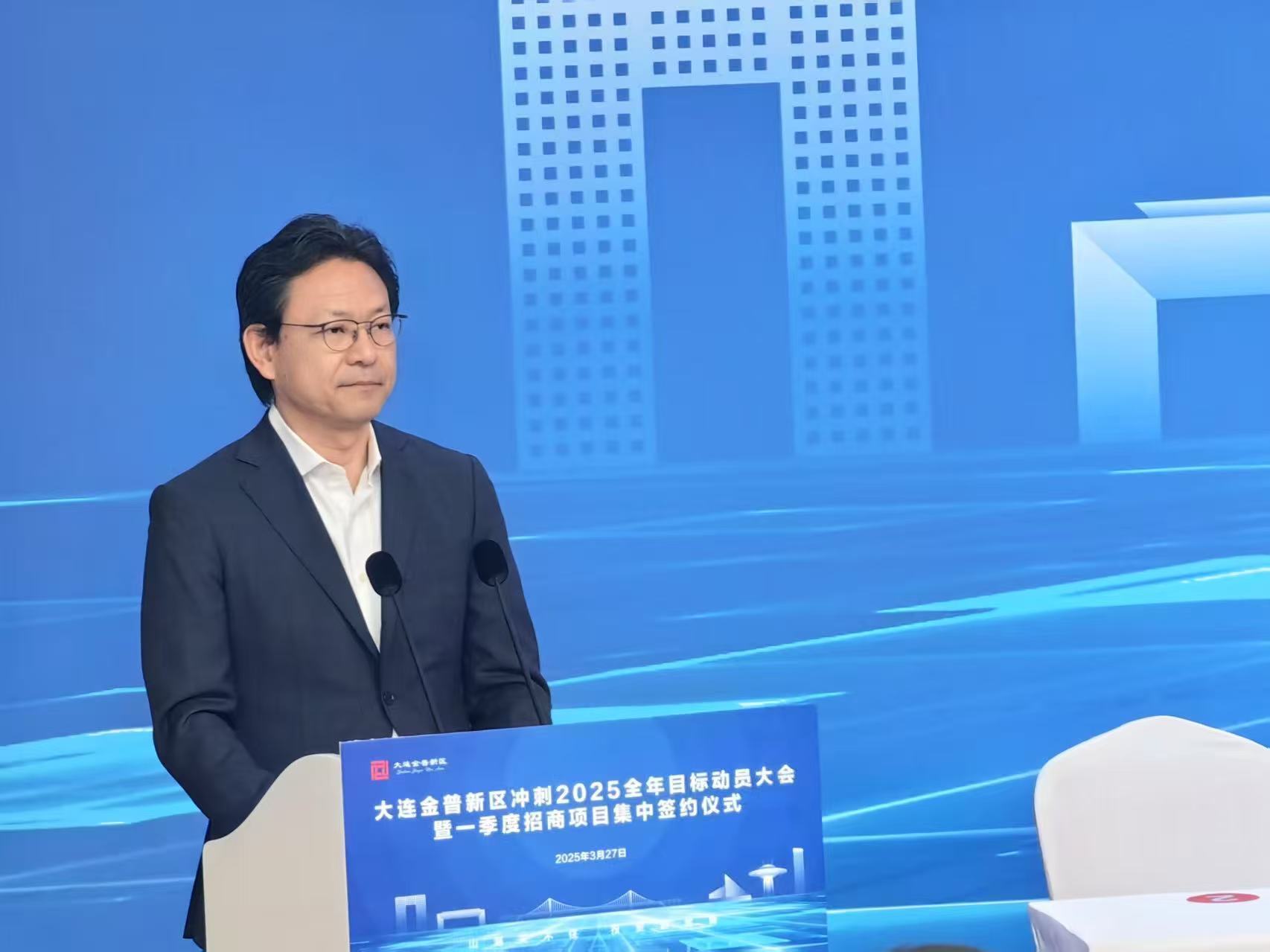
Dalian Sakabe was invited to participate in the Dalian investment promotion project ceremony
On March 27, 2025, Dalian Sakabe, as an advanced foreign-funded enterprise in Dalian, was invited to participate in the investment promotion project ceremony of Dalian China.
2025/04/01
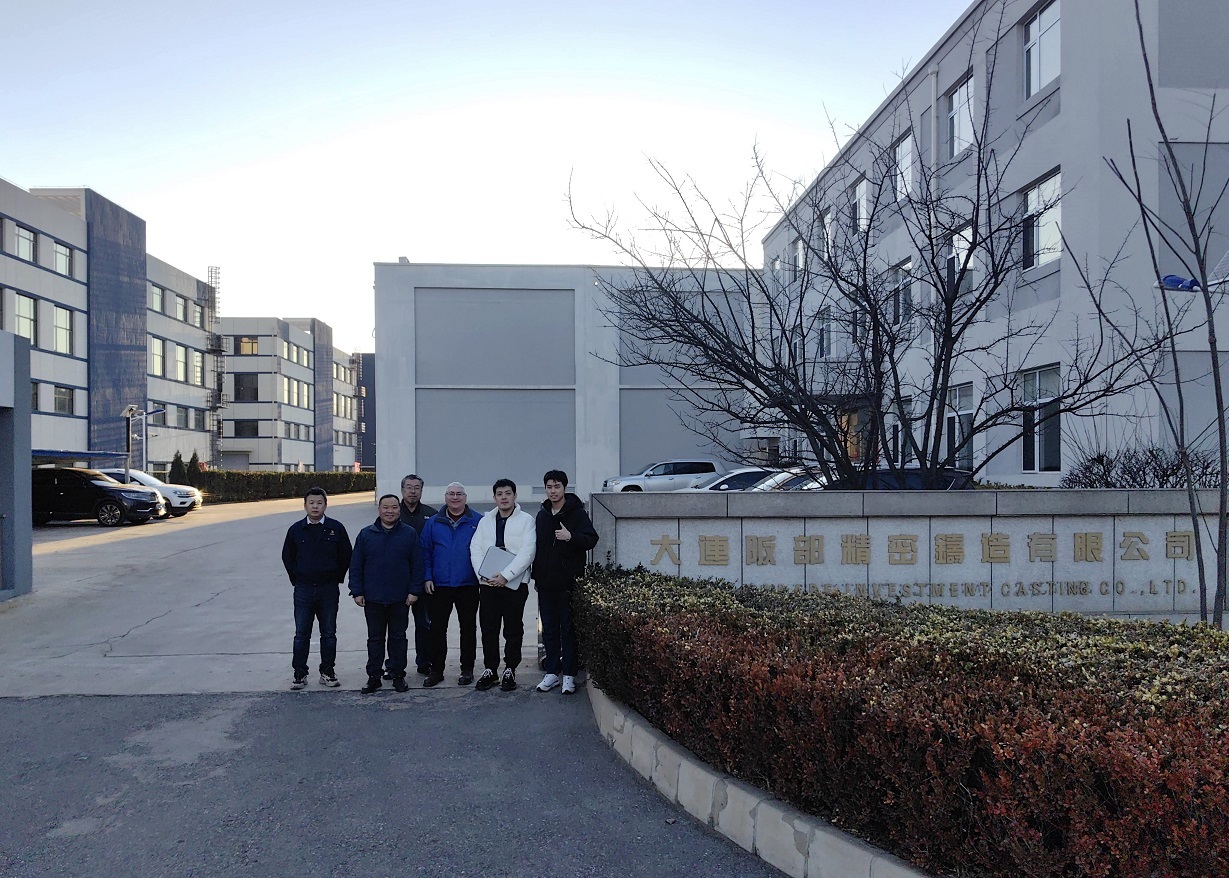
It is pleased that partner NME come to visit us Sakabe foundry
It is pleased that partner NME come to visit us Sakabe foundry. We share the same philosophy about quality standards, product positioning, environmental protection, and sustainable development. It's lucky to meet like-minded partners!
2025/02/19
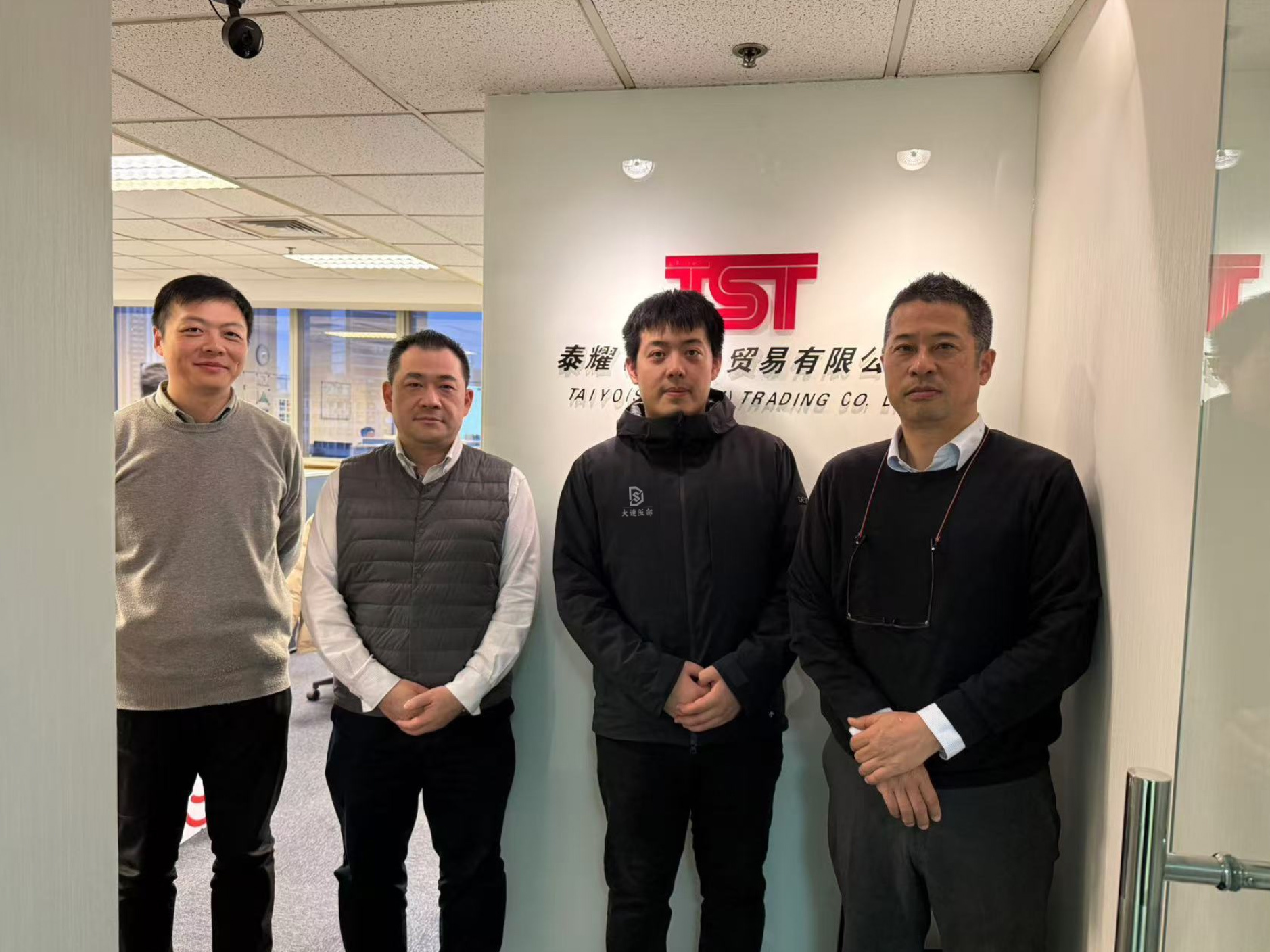
Great meeting with partner in Shanghai
Dalian Sakabe paying visit to our partner TST in Shanghai. Had discussions and plans for long term co-operation. Great thanks for your support!
2025/01/02
CONTACT US
Tel: +86 136-5494-1611
E-mail: alexzheng@sakabe.cn
Office Address:
No.18 Dongbei Qi Street, Jinpu New Area, Dalian, Liaoning, China
Factory Address:
No.26 Fuan Street, Jinpu New Area, Dalian, Liaoning, China
