


Enhancing Efficiency: The Crucial Role of Precision Machining in Food Machinery Accessories
Table of Contents
- Introduction to Precision Machining in Food Machinery
- Importance of Precision Machining for Food Machinery Accessories
- Key Precision Machining Techniques
- Materials Used in Precision Machining
- How Precision Machining Enhances Efficiency
- Quality Control Measures in Precision Machining
- Challenges in Precision Machining for Food Machinery
- The Future of Precision Machining in the Food Industry
- Conclusion
- Frequently Asked Questions
Introduction to Precision Machining in Food Machinery
Precision machining refers to the process of creating high-precision components and accessories used in various applications, including food machinery. **In the rapidly growing food processing industry**, precision machining plays a vital role in producing machinery that meets stringent quality and safety standards. The integration of precision machining ensures that food machinery accessories operate efficiently, maintain hygiene, and adhere to regulatory guidelines.
Importance of Precision Machining for Food Machinery Accessories
The food industry demands high-quality machinery that can handle various processes. **Precision machining** is essential because:
- **Accuracy**: It provides components that fit together perfectly, reducing wear and tear.
- **Hygiene**: Precision-made parts are easier to clean and maintain, ensuring compliance with health standards.
- **Durability**: Machined parts exhibit greater strength and resistance to corrosion, crucial in food environments.
- **Customization**: Precision machining allows for tailored solutions unique to specific machinery requirements.
Key Precision Machining Techniques
Several machining techniques contribute to the efficiency and performance of food machinery accessories. Here are a few notable ones:
CNC Machining
**Computer Numerical Control (CNC)** machining automates the manufacturing process, allowing for higher precision and repeatability. This technique is widely used to create complex geometries required in food machinery components.
Laser Cutting
Laser cutting technology offers exceptional edge quality and intricate designs. It is particularly beneficial for producing metal parts that require precise dimensions and smooth finishes.
Electro-Discharge Machining (EDM)
EDM is highly effective for materials that are difficult to machine with conventional methods. It creates accurate shapes and is ideal for manufacturing molds and dies used in food machinery.
3D Printing
Although still emerging, **3D printing** is making strides in the food machinery sector. It allows for rapid prototyping and the production of complex parts without the need for extensive tooling.
Materials Used in Precision Machining
Selecting the right materials is crucial for the effectiveness of precision machining in food machinery. Common materials include:
Stainless Steel
**Stainless steel** is favored for its corrosion resistance, durability, and hygiene. It is widely used in food processing equipment parts.
Aluminum
Lightweight yet robust, **aluminum** is often used for components requiring lower weight without compromising strength.
Plastic Composites
**Plastic composites** are utilized for certain food machinery parts due to their resistance to chemicals and ease of cleaning.
How Precision Machining Enhances Efficiency
Precision machining significantly enhances the efficiency of food machinery in several ways:
- **Reduced Downtime**: Precision components minimize the likelihood of breakdowns and maintenance required, thus keeping production lines running smoothly.
- **Higher Production Speeds**: Accurate components work together seamlessly, allowing machinery to operate at optimal speeds.
- **Lower Energy Consumption**: Well-machined parts reduce friction, resulting in decreased energy usage.
Quality Control Measures in Precision Machining
Quality assurance is paramount in precision machining for food machinery. Key measures include:
Regular Inspections
Routine inspections are conducted to ensure that all machined parts meet specified tolerances and standards before delivery.
Testing and Certification
Materials and finished components often undergo rigorous testing and certification processes to guarantee safety and reliability.
Process Monitoring
Advanced monitoring systems track machinery performance in real-time, allowing for immediate adjustments and maintaining consistent quality.
Challenges in Precision Machining for Food Machinery
While precision machining holds numerous benefits, several challenges must be addressed:
Cost Management
The initial investment in precision machining technology can be substantial. Balancing quality and cost is crucial for manufacturers.
Complexity of Designs
As machinery requirements evolve, creating complex designs can be challenging, necessitating advanced technologies and skilled labor.
Regulatory Compliance
Meeting stringent food safety regulations adds another layer of complexity to precision machining processes, requiring continuous adaptation and improvement.
The Future of Precision Machining in the Food Industry
As technology evolves, the future of precision machining in the food machinery sector looks promising. Innovations such as artificial intelligence and advanced robotics could further enhance machining efficiency and accuracy. Additionally, the focus on sustainability is driving the development of eco-friendly materials and processes.
Conclusion
Precision machining plays a pivotal role in enhancing the efficiency of food machinery accessories. Its importance cannot be overstated, as it directly impacts production quality, safety, and performance. By leveraging advanced machining techniques and materials, manufacturers can produce reliable and efficient food machinery solutions. As we look towards the future, the adoption of new technologies and processes will continue to shape the landscape of precision machining within the food industry.
Frequently Asked Questions
What is precision machining?
Precision machining is a manufacturing process that involves creating high-accuracy parts using various machining techniques to achieve precise dimensions and tolerances.
How does precision machining improve food safety?
Precision machining ensures that components fit together accurately, reducing the risk of contamination and facilitating easier cleaning and maintenance, thus improving food safety.
What materials are commonly used in food machinery precision machining?
Common materials include stainless steel, aluminum, and plastic composites, chosen for their durability, corrosion resistance, and ease of cleaning.
What are some key technologies used in precision machining?
Key technologies include CNC machining, laser cutting, electro-discharge machining (EDM), and 3D printing, each providing unique advantages for producing food machinery components.
What challenges do manufacturers face with precision machining?
Manufacturers may face challenges such as cost management, the complexity of designs, and ensuring compliance with regulatory standards in the food industry.

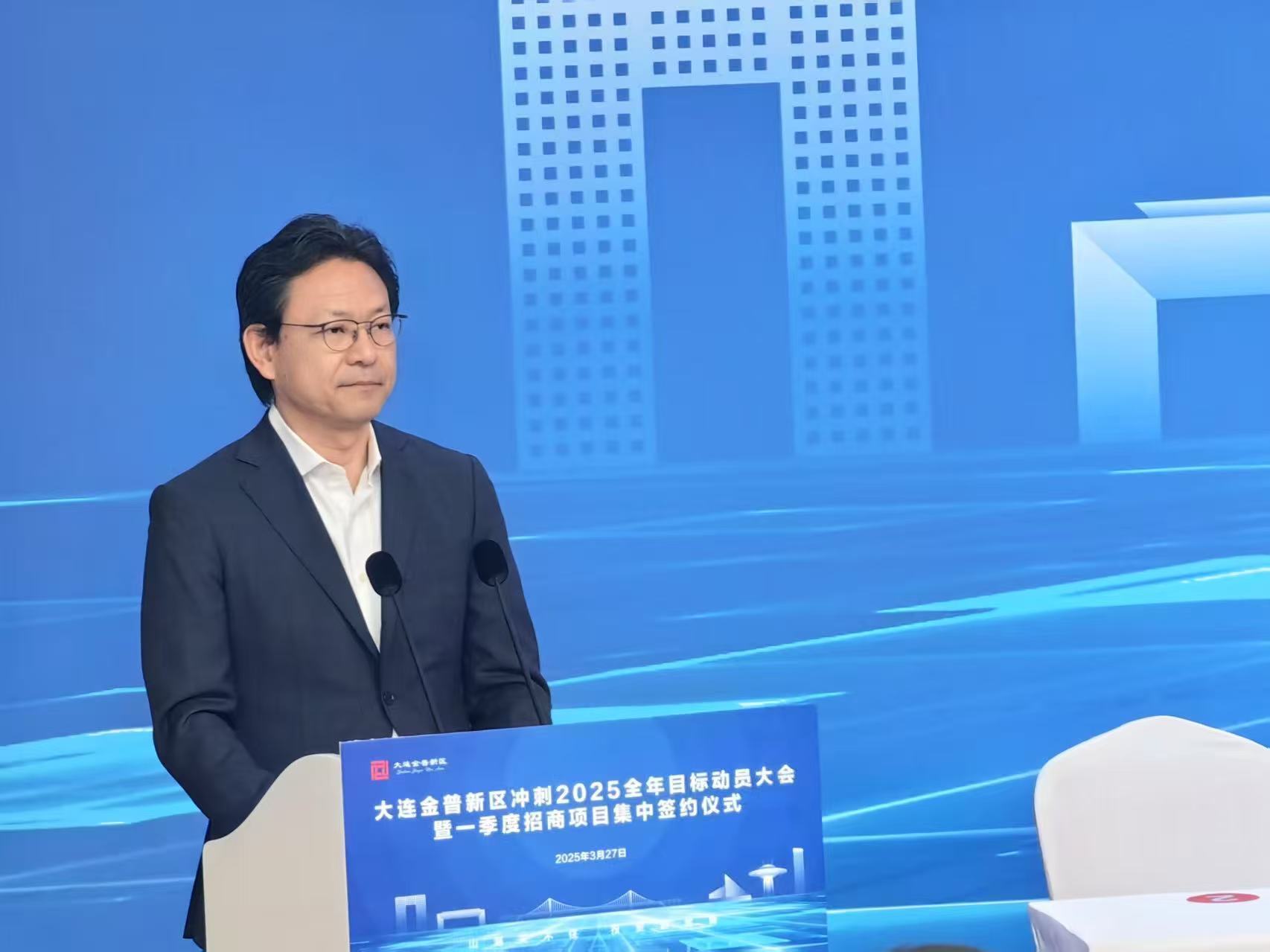
Dalian Sakabe was invited to participate in the Dalian investment promotion project ceremony
On March 27, 2025, Dalian Sakabe, as an advanced foreign-funded enterprise in Dalian, was invited to participate in the investment promotion project ceremony of Dalian China.
2025/04/01
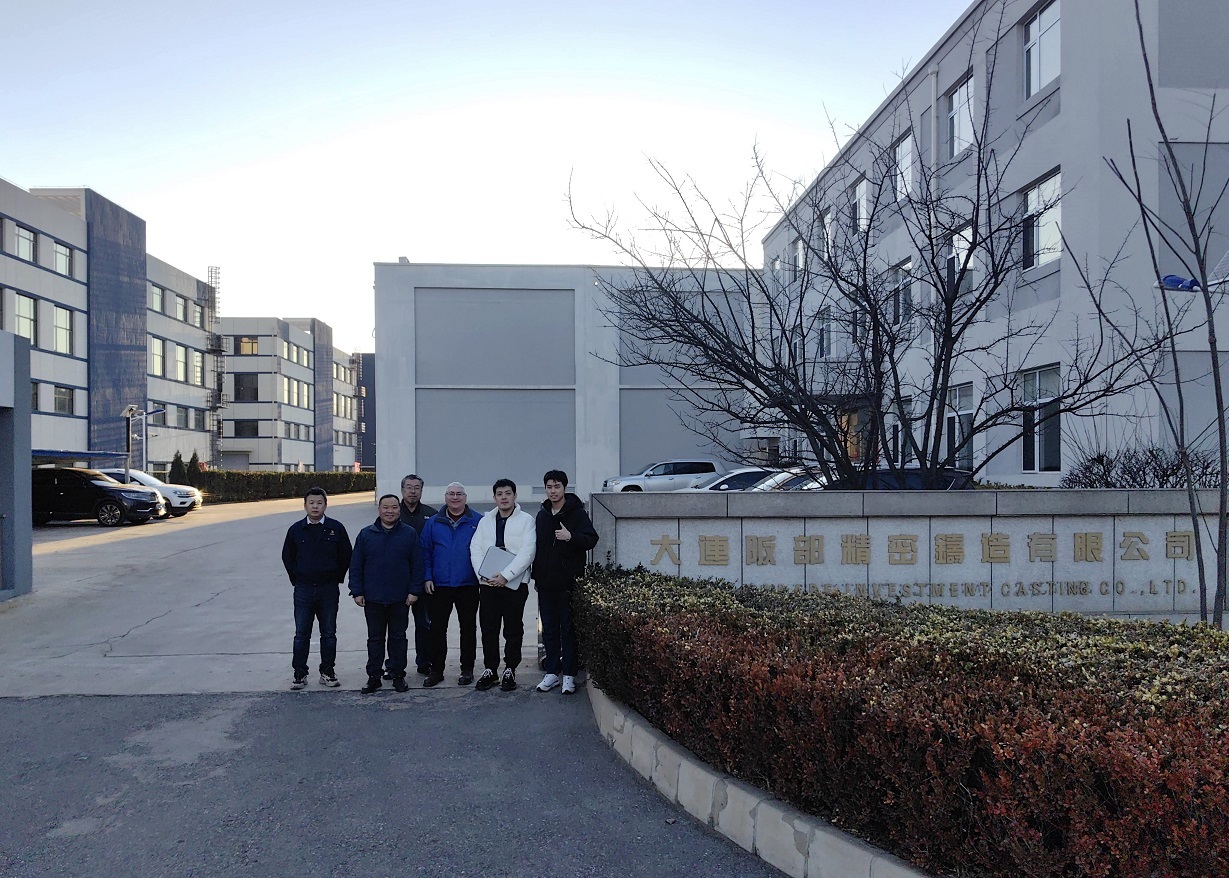
It is pleased that partner NME come to visit us Sakabe foundry
It is pleased that partner NME come to visit us Sakabe foundry. We share the same philosophy about quality standards, product positioning, environmental protection, and sustainable development. It's lucky to meet like-minded partners!
2025/02/19
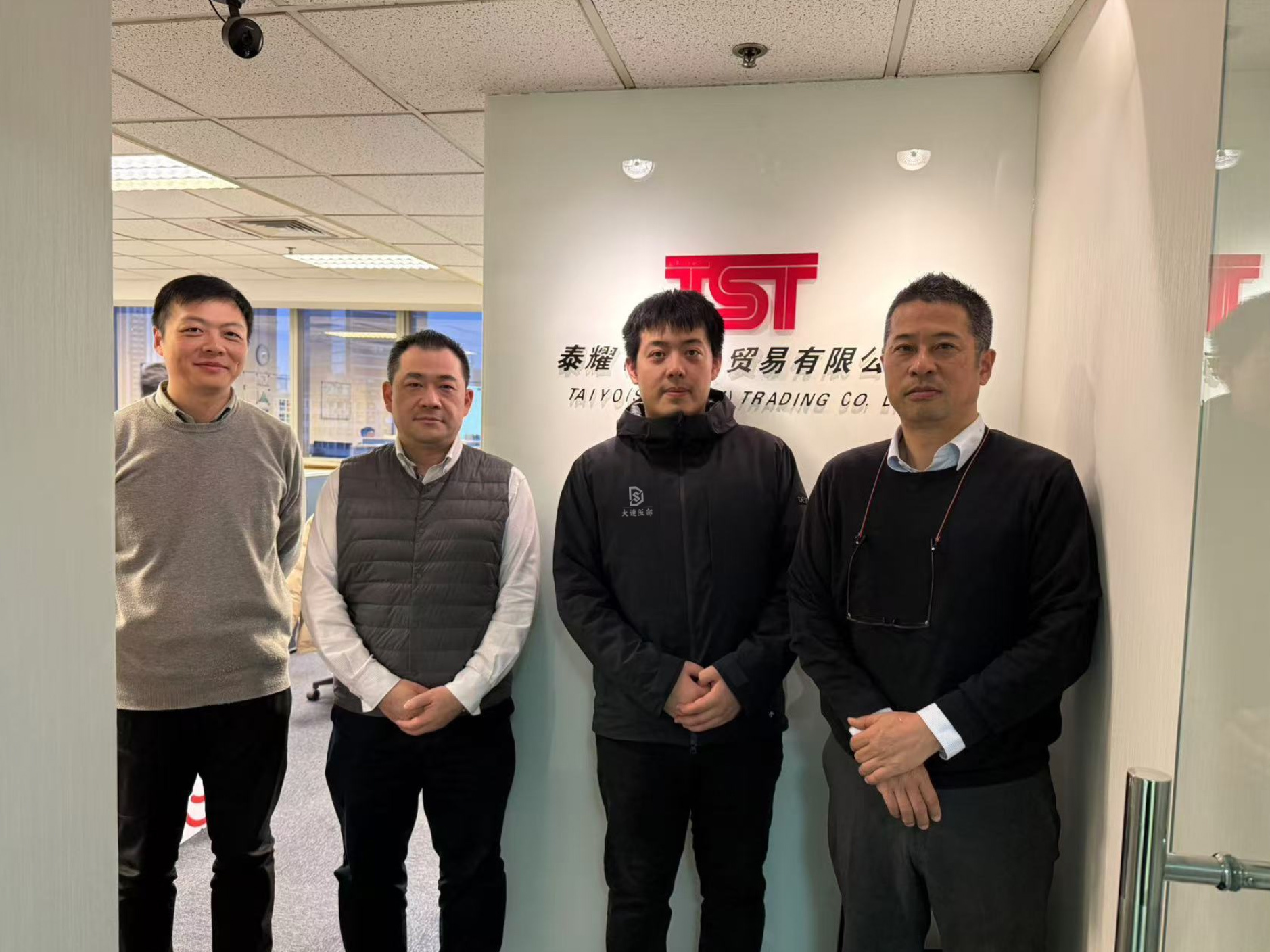
Great meeting with partner in Shanghai
Dalian Sakabe paying visit to our partner TST in Shanghai. Had discussions and plans for long term co-operation. Great thanks for your support!
2025/01/02
CONTACT US
Tel: +86 136-5494-1611
E-mail: alexzheng@sakabe.cn
Office Address:
No.18 Dongbei Qi Street, Jinpu New Area, Dalian, Liaoning, China
Factory Address:
No.26 Fuan Street, Jinpu New Area, Dalian, Liaoning, China
