


Innovative Techniques in Dewax Casting for Textile Machinery Components
Table of Contents
1. Introduction to Dewax Casting in Textile Machinery
2. Understanding the Dewax Casting Process
3. Key Advantages of Dewax Casting for Textile Machinery Components
4. Innovative Techniques Reshaping Dewax Casting
4.1. Advanced Materials for Improved Performance
4.2. Automation and Robotics in Dewax Casting
4.3. 3D Printing and Additive Manufacturing Integration
4.4. Temperature Control and Environment Optimization
5. Case Studies: Successful Applications in Textile Machinery
6. Future Trends in Dewax Casting for Textile Machinery
7. FAQs
8. Conclusion: The Future of Dewax Casting in Textile Machinery
1. Introduction to Dewax Casting in Textile Machinery
Dewax casting, a sophisticated manufacturing process, is increasingly becoming a preferred choice in the textile machinery sector. This method involves the use of wax patterns to produce complex metal components, which are integral to textile machinery. As the textile industry evolves, so does the need for precision-engineered components that can withstand high operational demands while maintaining efficiency.
2. Understanding the Dewax Casting Process
Dewax casting starts with creating a wax model of the desired component. The model is then surrounded by a ceramic shell, which hardens to form a mold. Once the shell is set, the wax is melted and drained away, leaving a hollow ceramic casing. Finally, molten metal is poured into the shell, and upon cooling, the ceramic is removed to reveal the finished part. This technique allows for intricate designs and tight tolerances, making it ideal for textile machinery components.
3. Key Advantages of Dewax Casting for Textile Machinery Components
The dewax casting process offers several significant advantages over traditional manufacturing methods:
1. **High Precision**: Dewax casting provides exceptional dimensional accuracy, essential for intricate textile machinery components.
2. **Complex Geometries**: This technique allows for the production of complex shapes that would be challenging or impossible with conventional methods.
3. **Material Efficiency**: Dewax casting minimizes waste, allowing manufacturers to use materials more efficiently.
4. **Superior Surface Finish**: Components produced through this technique often require less post-processing, saving time and costs.
4. Innovative Techniques Reshaping Dewax Casting
As technology advances, several innovative techniques are enhancing the dewax casting process. These innovations not only improve production efficiency but also elevate the quality of the final product.
4.1. Advanced Materials for Improved Performance
The introduction of new alloy compositions and ceramic materials is transforming dewax casting. These advanced materials enhance the mechanical properties of final components, resulting in improved durability and performance characteristics that are crucial for textile machinery operating under strenuous conditions.
4.2. Automation and Robotics in Dewax Casting
Incorporating automation into the dewax casting process enhances efficiency and precision. Robotic systems can handle the delicate wax models and assist in the mold-making process, reducing human error and increasing production speed. This transition to automated processes is significantly improving throughput while maintaining high-quality standards.
4.3. 3D Printing and Additive Manufacturing Integration
The integration of 3D printing technologies is revolutionizing dewax casting. By using 3D printing to create wax patterns, manufacturers can produce complex designs that were previously unfeasible. This technique reduces lead times and allows for rapid prototyping, enabling quick iterations and modifications to designs based on real-time feedback.
4.4. Temperature Control and Environment Optimization
Precise temperature control during the dewax casting process is crucial for achieving optimal results. Advanced temperature monitoring systems ensure that the wax melts and drains efficiently, while optimal cooling rates guarantee the integrity of the final component. These innovations minimize defects and enhance the overall quality of the product.
5. Case Studies: Successful Applications in Textile Machinery
Several companies in the textile machinery sector have successfully implemented innovative dewax casting techniques, leading to remarkable improvements in their products.
**Case Study 1: High-Precision Spindle Components**
A leading manufacturer of textile machinery introduced advanced dewax casting techniques to produce high-precision spindle components. By utilizing automated robotic arms in conjunction with 3D-printed wax patterns, they reduced production time by 30% while increasing the dimensional accuracy of their components.
**Case Study 2: Complex Gear Systems**
Another company focused on creating complex gear systems essential for machine operation. By integrating new alloy compositions that provide better wear resistance, they improved the lifespan of their components significantly. The improvements also led to a reduction in downtime and maintenance costs for their clients.
**Case Study 3: Custom Machinery Solutions**
A manufacturer specializing in custom textile machinery adopted innovative dewax casting techniques to deliver tailored solutions more rapidly. Leveraging 3D printing technology, they could quickly adapt designs based on customer feedback, resulting in a 40% increase in customer satisfaction and retention.
6. Future Trends in Dewax Casting for Textile Machinery
The future of dewax casting in the textile machinery industry looks promising, with several trends on the horizon:
1. **Sustainability Initiatives**: As manufacturers strive for greener practices, the use of recyclable materials and energy-efficient processes in dewax casting will become more prevalent.
2. **Continued Automation**: The push for fully automated production lines will likely increase, aiming for zero human intervention in the casting process while maintaining accuracy and quality.
3. **Smart Manufacturing Integration**: The adoption of IoT (Internet of Things) technologies will enable real-time monitoring and data analysis throughout the dewax casting process, optimizing production and reducing waste.
7. FAQs
**Q1: What is dewax casting?**
A1: Dewax casting is a manufacturing process that uses wax models to create metal components by surrounding them with a ceramic shell that is later filled with molten metal.
**Q2: What are the advantages of dewax casting for textile machinery components?**
A2: The main advantages include high precision, the ability to create complex geometries, material efficiency, and superior surface finishes.
**Q3: How does 3D printing enhance the dewax casting process?**
A3: 3D printing allows for the rapid production of intricate wax patterns, reducing lead times and enabling quick design iterations.
**Q4: What role does automation play in dewax casting?**
A4: Automation and robotics improve efficiency, reduce human error, and increase production speed by handling delicate components and streamlining the mold-making process.
**Q5: Are there any environmental benefits to dewax casting?**
A5: Yes, dewax casting can be more material-efficient and allow for the use of recyclable materials, contributing to sustainability initiatives in manufacturing.
8. Conclusion: The Future of Dewax Casting in Textile Machinery
Innovative techniques in dewax casting are revolutionizing the production of textile machinery components. As we continue to embrace advancements in materials, automation, and 3D printing, the potential for increased efficiency, precision, and sustainability becomes ever more tangible. By staying ahead of these trends and leveraging cutting-edge technologies, manufacturers can position themselves for success in an increasingly competitive landscape. The future of dewax casting in the textile industry is bright, and those who adapt will thrive.

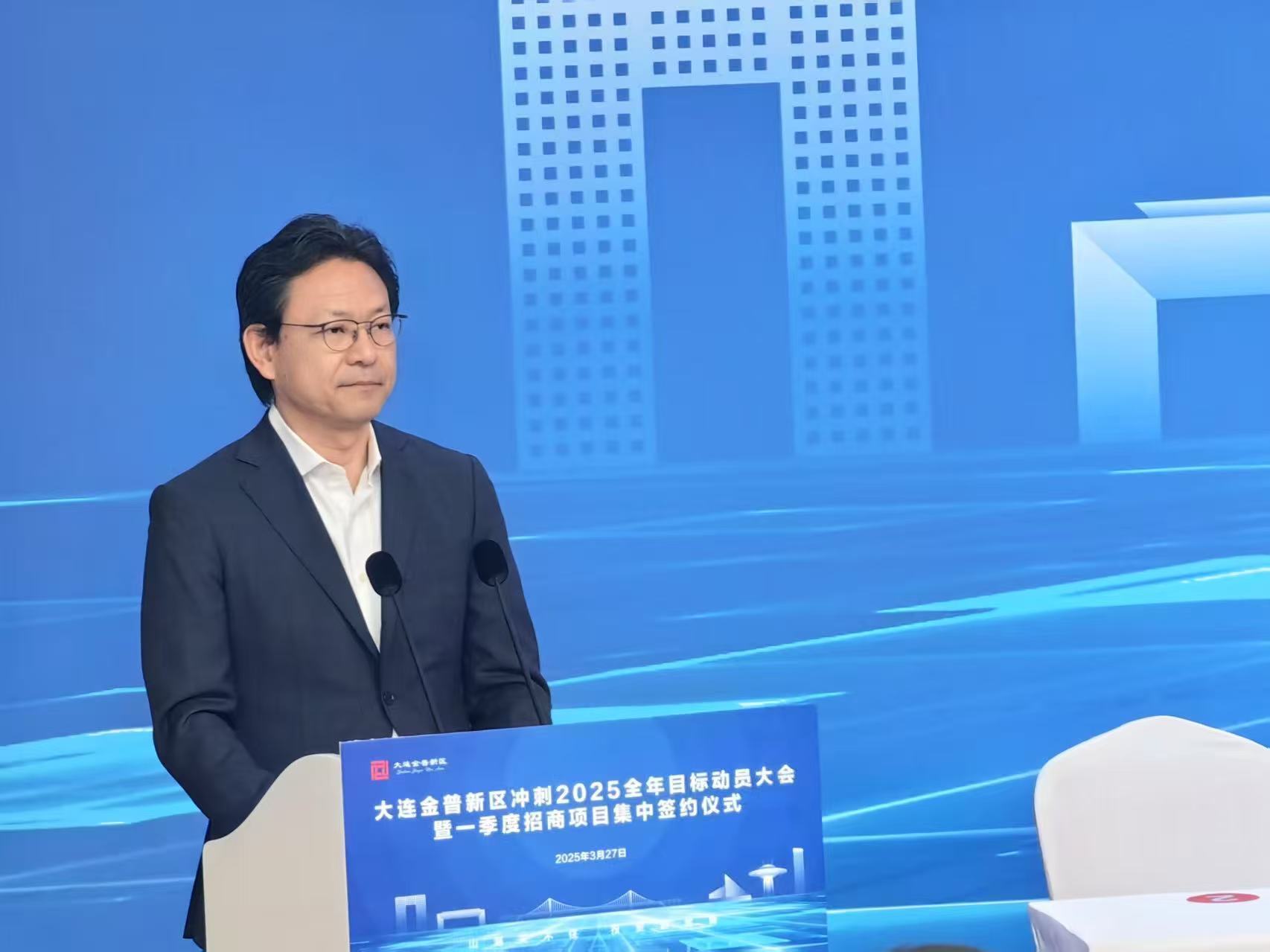
Dalian Sakabe was invited to participate in the Dalian investment promotion project ceremony
On March 27, 2025, Dalian Sakabe, as an advanced foreign-funded enterprise in Dalian, was invited to participate in the investment promotion project ceremony of Dalian China.
2025/04/01
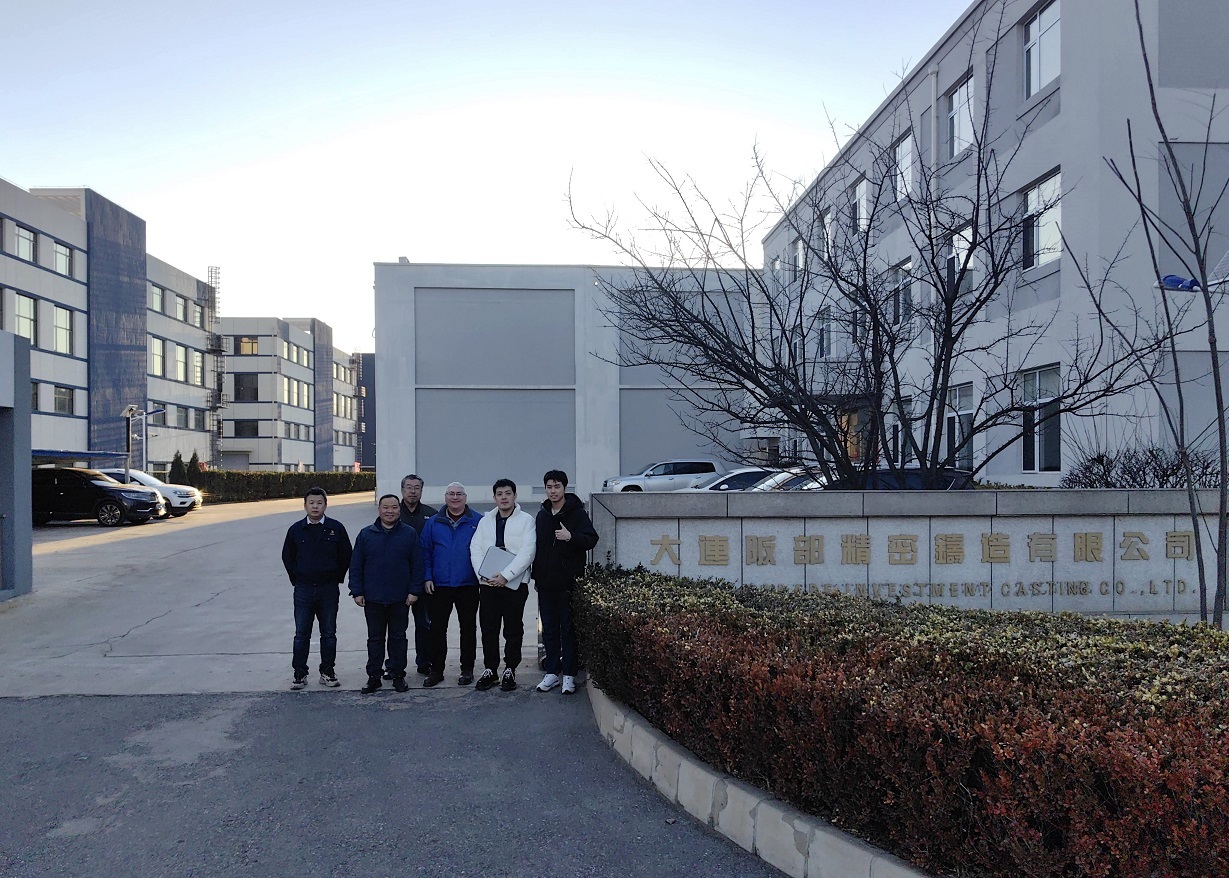
It is pleased that partner NME come to visit us Sakabe foundry
It is pleased that partner NME come to visit us Sakabe foundry. We share the same philosophy about quality standards, product positioning, environmental protection, and sustainable development. It's lucky to meet like-minded partners!
2025/02/19
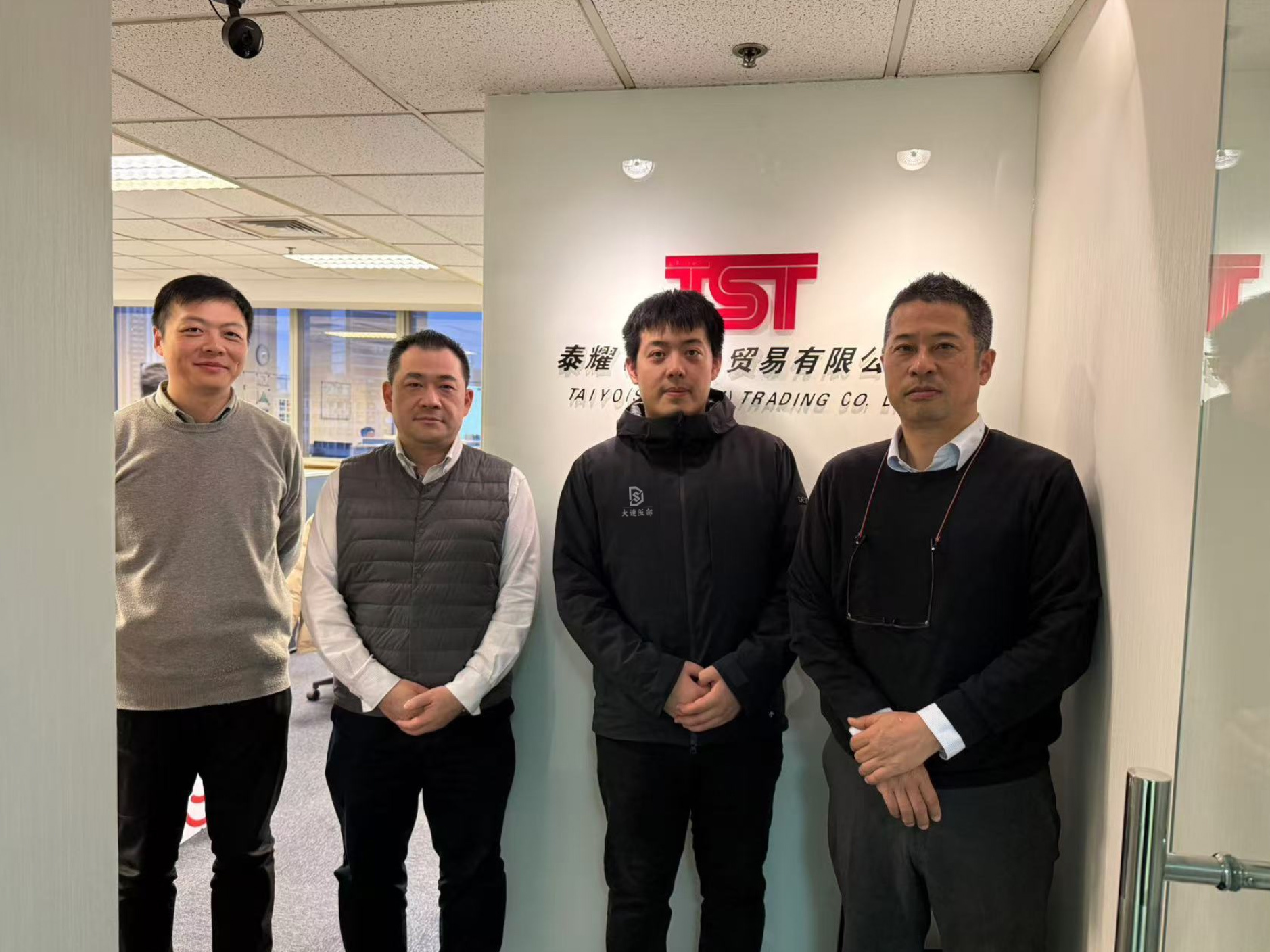
Great meeting with partner in Shanghai
Dalian Sakabe paying visit to our partner TST in Shanghai. Had discussions and plans for long term co-operation. Great thanks for your support!
2025/01/02
CONTACT US
Tel: +86 136-5494-1611
E-mail: alexzheng@sakabe.cn
Office Address:
No.18 Dongbei Qi Street, Jinpu New Area, Dalian, Liaoning, China
Factory Address:
No.26 Fuan Street, Jinpu New Area, Dalian, Liaoning, China
