

Understanding Dewax Casting in Food Machinery Manufacturing
Manufacturing processes in the food machinery industry are vital for creating reliable and efficient equipment. One of these essential processes is dewax casting, a method that is pivotal in producing high-precision components. This article delves into the dewax casting process, its significance, and its applications in food machinery manufacturing.
Table of Contents
- 1. Introduction to Dewax Casting
- 2. What Is Dewax Casting?
- 3. Overview of the Dewax Casting Process
- 4. Advantages of Dewax Casting in Food Machinery
- 5. Applications of Dewax Casting in Food Machinery Manufacturing
- 6. Common Materials Used in Dewax Casting
- 7. Challenges and Solutions in Dewax Casting
- 8. The Future of Dewax Casting in Food Machinery
- 9. Frequently Asked Questions
- 10. Conclusion
1. Introduction to Dewax Casting
Dewax casting, also known as lost wax casting, is a time-honored manufacturing technique that has been refined over centuries. The process involves creating a wax pattern that is surrounded by a mold. The wax is then melted away, leaving a cavity that is filled with molten metal. This method allows for intricate designs and high precision, making it particularly useful in industries where detail is paramount.
In food machinery manufacturing, where safety and efficiency are crucial, dewax casting provides a reliable solution for producing durable components that meet stringent industry standards.
2. What Is Dewax Casting?
At its core, dewax casting is a **precision metal casting process** used to create complex shapes and components. It begins with the creation of a wax model that represents the final product. This model is coated with a ceramic shell to form a mold. The mold is then heated to allow the wax to melt and drain away, hence the term "dewax."
The resulting cavity is then filled with molten metal, which solidifies to form the final product. This process is particularly beneficial for creating intricate parts with smooth finishes and fine details, making it ideal for the food machinery sector.
3. Overview of the Dewax Casting Process
The dewax casting process consists of several critical steps:
3.1. Wax Pattern Creation
The first step involves creating a wax pattern of the desired component. This can be done through various methods, including injection molding, where molten wax is injected into a mold to create the pattern.
3.2. Shell Building
Once the wax pattern is ready, it is coated with a ceramic shell. This is achieved by dipping the wax pattern in a slurry of ceramic material and sand. The shell is allowed to harden, forming a robust mold around the wax.
3.3. Dewaxing
After the shell has hardened, the mold is heated in an oven to melt and drain the wax. This step is crucial as it creates the cavity into which the molten metal will be poured.
3.4. Pouring Molten Metal
With the wax removed, the mold is ready for pouring. Molten metal is poured into the cavity, filling the space previously occupied by the wax pattern. The metal is then allowed to cool and solidify.
3.5. Shell Removal
After the metal has cooled, the ceramic shell is broken away to reveal the cast component. This step requires care to avoid damaging the intricate details of the casting.
3.6. Finishing Touches
Finally, the cast component undergoes finishing processes such as grinding, polishing, and inspection to meet the required specifications and standards.
4. Advantages of Dewax Casting in Food Machinery
Dewax casting offers several advantages, particularly in the manufacturing of food machinery components:
4.1. Precision and Detail
One of the most significant benefits of dewax casting is its ability to produce highly detailed and intricate components. This precision is essential in food machinery, where even minor deviations can affect performance and safety.
4.2. Versatility in Material Selection
Dewax casting can accommodate a wide range of metals, including aluminum, brass, and stainless steel. This flexibility allows manufacturers to choose the best material for their specific applications.
4.3. Reduced Waste
The dewax casting process minimizes waste compared to traditional machining methods. Since the process involves pouring metal into a mold, less material is wasted during production.
4.4. Cost-Effectiveness
While the initial setup for dewax casting can be higher than other methods, the long-term savings in material costs, labor, and reduced waste make it a cost-effective solution for food machinery manufacturing.
4.5. Ability to Create Complex Geometries
Dewax casting allows for the creation of complex shapes that may be challenging or impossible to achieve with other manufacturing processes. This capability is particularly beneficial in designing specialized components for food machinery.
5. Applications of Dewax Casting in Food Machinery Manufacturing
Dewax casting finds numerous applications in the food machinery industry:
5.1. Components for Food Processing Equipment
Food processing machinery often requires components that can withstand harsh conditions. Dewax casting provides the durability and precision needed for parts such as mixers, grinders, and slicers.
5.2. Specialized Tools and Equipment
Custom tools designed for specific tasks in food production can be efficiently manufactured using dewax casting, ensuring they meet the unique requirements of the industry.
5.3. Spare Parts Manufacturing
The ability to produce high-quality spare parts rapidly makes dewax casting an ideal solution for maintaining and repairing food machinery.
5.4. Heat Exchangers
In food machinery, heat exchangers play a critical role in temperature control. Dewax casting allows for the creation of complex heat exchanger designs that optimize efficiency.
6. Common Materials Used in Dewax Casting
Dewax casting can utilize various materials, each chosen based on the specific requirements of the application:
6.1. Stainless Steel
Stainless steel is favored for its corrosion resistance, making it an excellent choice for food machinery components exposed to moisture and harsh cleaning agents.
6.2. Aluminum
Aluminum is lightweight and has excellent thermal conductivity, making it suitable for components that require both strength and heat management.
6.3. Bronze and Brass
These materials are used for their excellent casting properties and aesthetic appeal, often found in decorative food machinery components.
7. Challenges and Solutions in Dewax Casting
While dewax casting offers numerous benefits, it also presents challenges that manufacturers must address:
7.1. Shell Cracking
Cracking of the ceramic shell can occur during the dewaxing process. To mitigate this, manufacturers can optimize the heating process and ensure uniform temperature distribution.
7.2. Incomplete Wax Removal
Residual wax can lead to defects in the final product. Implementing thorough heating techniques and monitoring the dewaxing time ensures complete wax removal.
7.3. Surface Finish Issues
Maintaining a smooth surface finish can be challenging. Employing advanced finishing techniques can help achieve the desired surface quality.
8. The Future of Dewax Casting in Food Machinery
As technology advances, the future of dewax casting in food machinery manufacturing looks promising. Innovations such as 3D printing for wax patterns and improved shell materials are expected to enhance efficiency and precision. Additionally, as the demand for customized food machinery components continues to grow, dewax casting will play a crucial role in meeting these needs.
9. Frequently Asked Questions
9.1. What is the primary advantage of dewax casting over other casting methods?
The primary advantage is its ability to produce highly detailed and complex components with excellent surface finishes.
9.2. Can dewax casting be used for high-volume production?
Yes, while dewax casting is often utilized for low to medium production runs, it can be adapted for high-volume production through efficient processes.
9.3. What types of metals can be used in dewax casting?
Common metals used include stainless steel, aluminum, bronze, and brass.
9.4. How does dewax casting impact the environment?
Dewax casting is more environmentally friendly than traditional machining as it generates less waste and can utilize recycled materials.
9.5. Is dewax casting suitable for all types of food machinery components?
While it is highly effective, it is best suited for components requiring complex shapes and high precision.
10. Conclusion
Dewax casting is an indispensable process in food machinery manufacturing, offering unparalleled precision, design flexibility, and efficiency. As we continue to innovate and adapt this method, its relevance in producing high-quality, reliable components will only grow. By understanding and implementing dewax casting, manufacturers can enhance their production capabilities and meet the evolving demands of the food industry. Embracing this technique not only ensures superior product quality but also contributes to more sustainable manufacturing practices.
Introduction to investment casting manufacturing technique
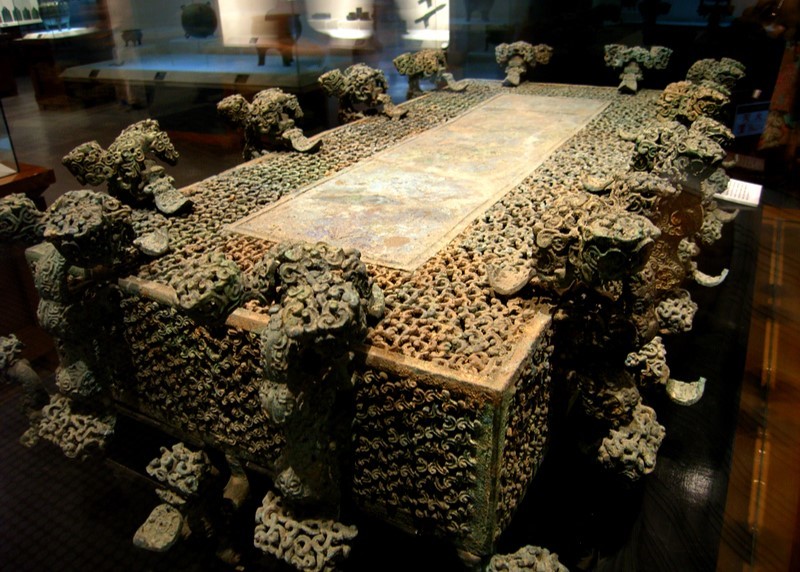
Investment casting, also known as wax loss casting, is a long-standing metal forming process. The copper ban during the Spring and Autumn period in China was the earliest known lost wax casting method. The first step is to make a mold, using the mold to inject liquid wax into the mold to form a wax mold. Then, the wax mold is pasted into a pouring system according to the casting process, and the entire pouring system is made into a silica sol shell. After dewaxing, the entire shell becomes a cavity, and the cavity shell can be poured with molten steel after calcination. After cooling, the steel material product is formed. Subsequently, through processes such as cutting and grinding, sandblasting, heat treatment, correction, welding repair, electroplating, and machining, the cast products required by the customer are formed.
2024/10/08

Dalian is a beautiful coastal city in Northeast China, with beautiful scenery and pleasant climate. It is an important industrial production base, an international shipping center in Northeast Asia.
2024/07/11
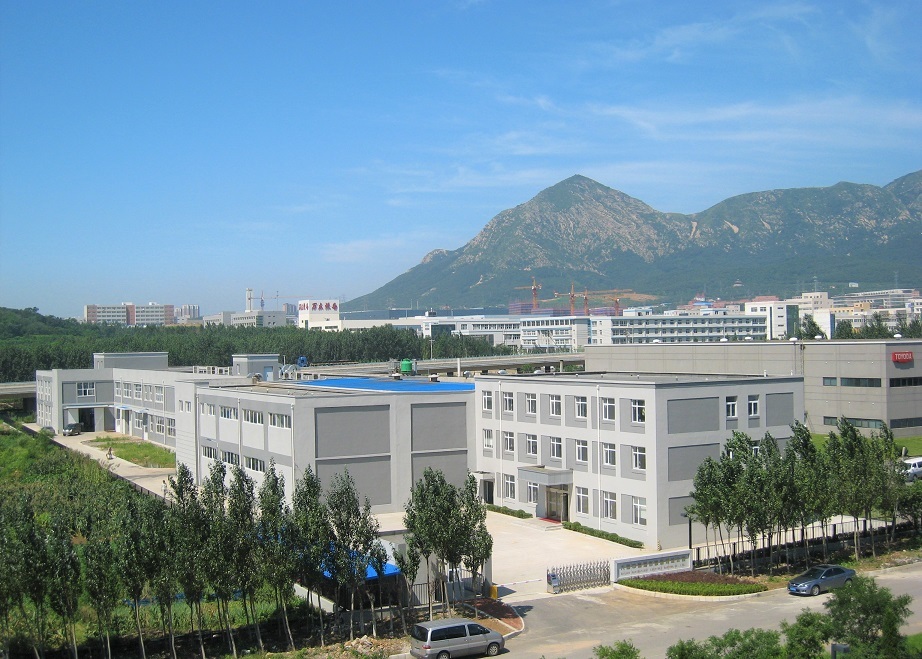
Dalian Sakabe has own foundry factory and focus on providing high-quality precision casting products to domestic and foreign customers since its establishment in 2005.
2024/10/08
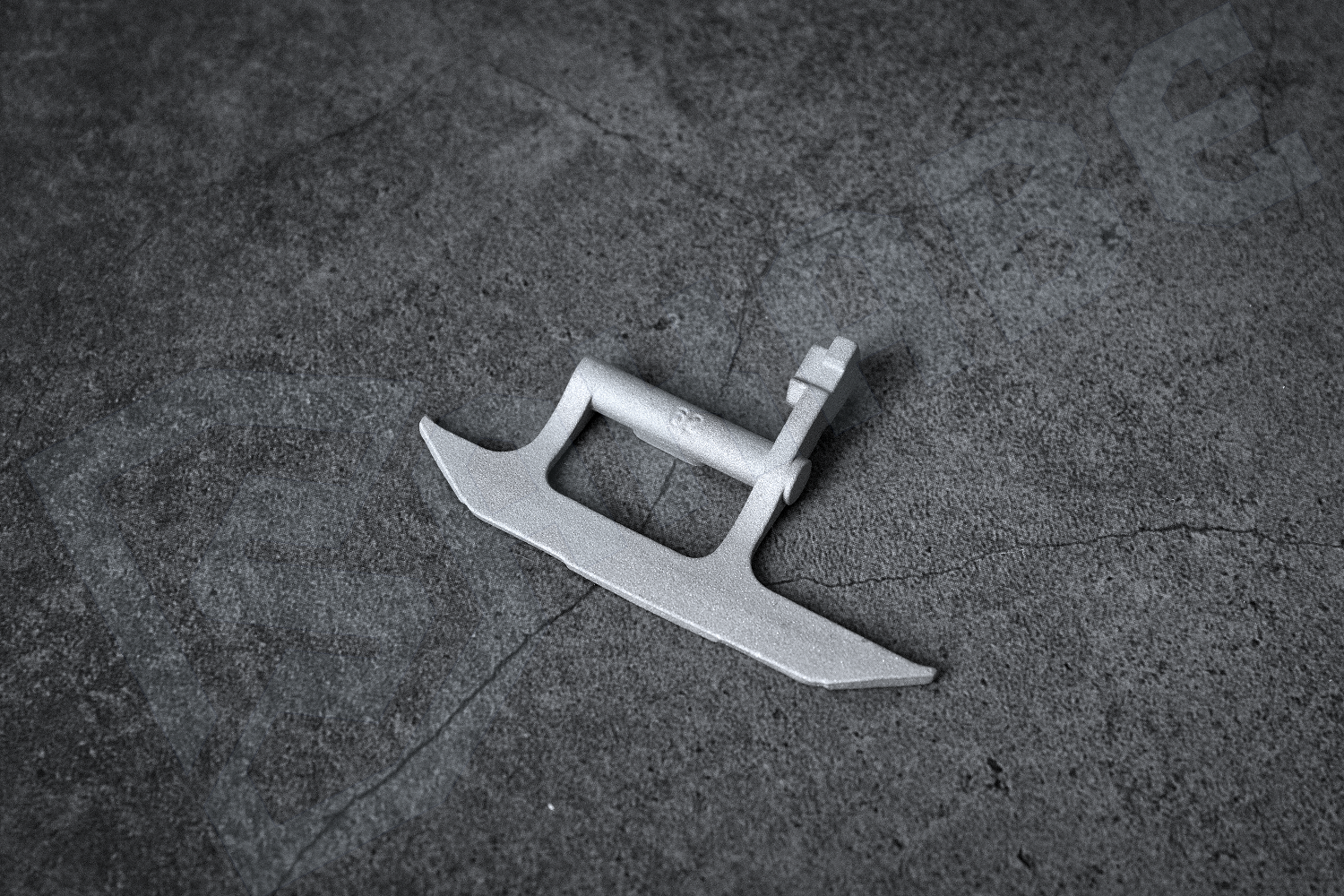
The Crucial Role of Casting Material Trays in Advanced Manufacturing
In the ever-evolving landscape of manufacturing, optimizing heat treatment processes through the strategic use of casting material trays is paramount
2025/09/19
CONTACT US
Tel: +86 136-5494-1611
E-mail: alexzheng@sakabe.cn
Office Address:
No.18 Dongbei Qi Street, Jinpu New Area, Dalian, Liaoning, China
Factory Address:
No.26 Fuan Street, Jinpu New Area, Dalian, Liaoning, China
