


The primary advantage of dewax casting lies in its ability to produce highly accurate and intricate components, which is paramount in the production of flowmeters. Flowmeters are essential devices used in various industries to measure the flow rate of liquids and gases, making precision paramount. The dewax casting process ensures that the final product not only meets strict dimensional tolerances but also exhibits superior surface finish characteristics. This is critical for ensuring optimal performance and reliability in flow measurement applications.
In the context of mechanical processing and casting, the dewax casting method is particularly valuable due to its versatility. It can accommodate a wide range of materials, including metals such as stainless steel, aluminum, and even certain non-ferrous alloys. This flexibility allows manufacturers to select materials that best suit the specific requirements of the flowmeter components they are producing.
Moreover, the dewax casting process is highly efficient, enabling the production of multiple parts in a single run. This scalability makes it an attractive option for manufacturers looking to optimize their production processes while maintaining high-quality standards. Additionally, the reduction in waste material during the dewax process contributes to a more sustainable manufacturing approach, aligning with contemporary industry trends toward sustainability and environmental responsibility.
To further enhance the effectiveness of dewax casting for flowmeter parts, manufacturers often implement advanced technologies such as computer-aided design (CAD) and 3D printing for the initial wax models. These technologies allow for rapid prototyping and testing of designs, ensuring that potential issues are addressed before the casting process begins.
In conclusion, dewax casting for flowmeter parts represents a critical intersection of precision engineering and sophisticated manufacturing techniques. By understanding the intricacies of this process, manufacturers can produce flowmeter components that meet the demanding standards of various industries, ensuring accuracy and reliability in fluid measurement applications. Embracing dewax casting not only enhances product quality but also positions manufacturers to meet the evolving needs of the market effectively.
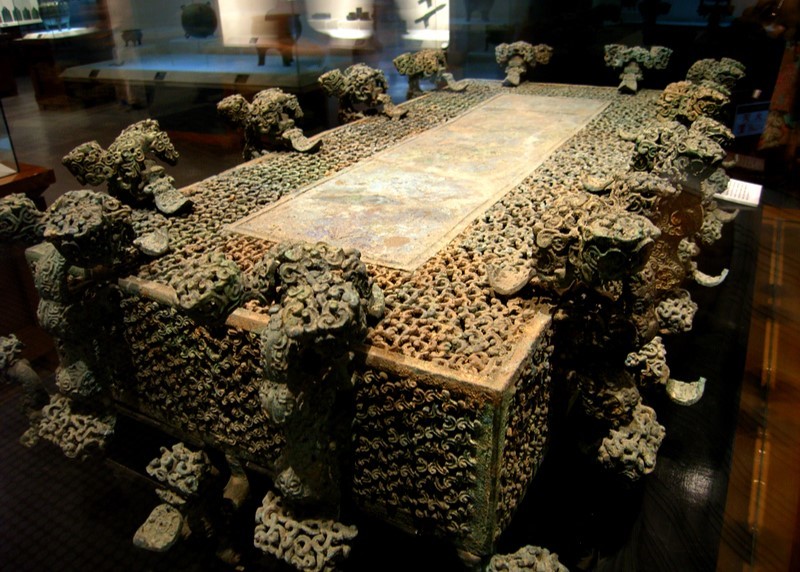
Introduction to investment casting manufacturing technique
Investment casting, also known as wax loss casting, is a long-standing metal forming process. The copper ban during the Spring and Autumn period in China was the earliest known lost wax casting method. The first step is to make a mold, using the mold to inject liquid wax into the mold to form a wax mold. Then, the wax mold is pasted into a pouring system according to the casting process, and the entire pouring system is made into a silica sol shell. After dewaxing, the entire shell becomes a cavity, and the cavity shell can be poured with molten steel after calcination. After cooling, the steel material product is formed. Subsequently, through processes such as cutting and grinding, sandblasting, heat treatment, correction, welding repair, electroplating, and machining, the cast products required by the customer are formed.
2024/10/08

Dalian is a beautiful coastal city in Northeast China, with beautiful scenery and pleasant climate. It is an important industrial production base, an international shipping center in Northeast Asia.
2024/07/11
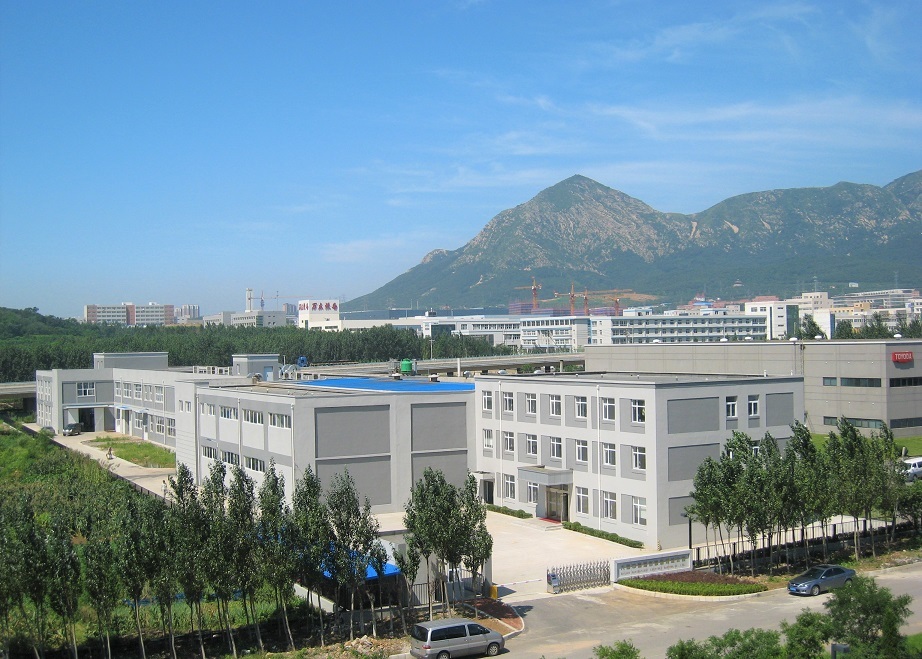
Dalian Sakabe has own foundry factory and focus on providing high-quality precision casting products to domestic and foreign customers since its establishment in 2005.
2024/10/08
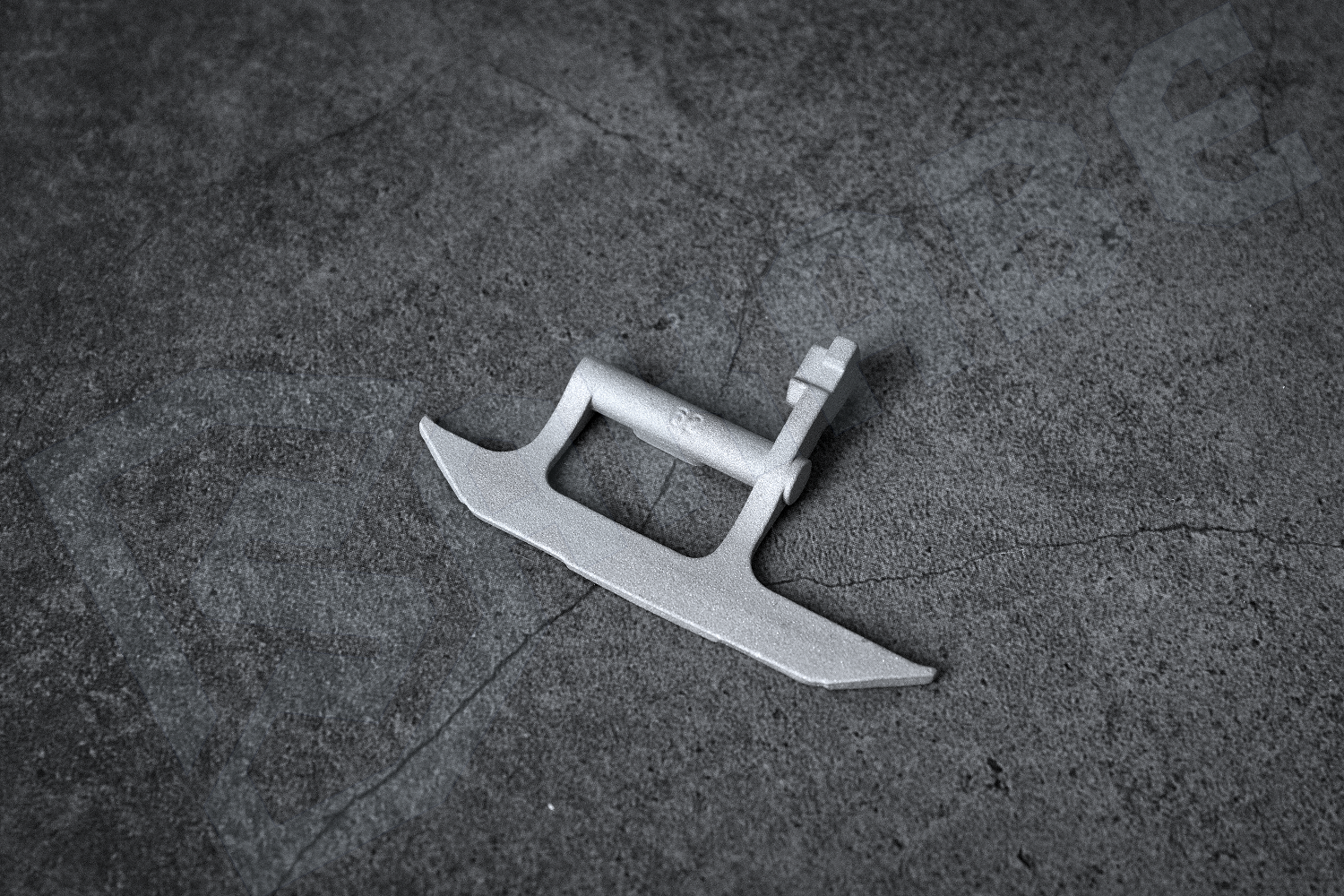
The Crucial Role of Casting Material Trays in Advanced Manufacturing
In the ever-evolving landscape of manufacturing, optimizing heat treatment processes through the strategic use of casting material trays is paramount
2025/09/19
CONTACT US
Tel: +86 136-5494-1611
E-mail: alexzheng@sakabe.cn
Office Address:
No.18 Dongbei Qi Street, Jinpu New Area, Dalian, Liaoning, China
Factory Address:
No.26 Fuan Street, Jinpu New Area, Dalian, Liaoning, China
