


Why Is Dewax Casting for Medical Tool Parts the Best Choice
Dewax casting, also known as investment casting or lost-wax casting, is an advanced manufacturing method widely used in producing complex shapes and high-quality components, particularly in the medical industry. This process is invaluable for creating precision parts essential for surgical instruments, implants, and other medical devices.
The dewax casting process begins with the creation of a wax pattern, which is a replica of the desired part. This wax is then coated with a heat-resistant ceramic shell. Once the shell hardens, the assembly is heated, causing the wax to melt and drain away, leaving a hollow mold. This unique aspect of dewax casting allows for the replication of intricate features that are often difficult to achieve through traditional machining methods.
One of the key advantages of dewax casting for medical tool parts is its ability to produce highly detailed and complex geometries. In the medical field, where precision is paramount, this method allows for tight tolerances and smooth surfaces, which are critical for the function and safety of medical instruments. Furthermore, since dewax casting can accommodate a range of materials, including various alloys, manufacturers can select the most suitable materials for specific applications, enhancing the performance and longevity of the medical tools.
Another benefit of dewax casting is its efficiency in producing small to medium-sized production runs. The process minimizes waste and reduces the need for extensive post-processing, making it a cost-effective option for producing high-quality medical components. Additionally, the ability to create multiple parts from a single wax pattern streamlines production and reduces lead times, which is crucial in the fast-paced medical industry.
Moreover, dewax casting is an environmentally friendly manufacturing option. The wax used in the process is often recyclable, and the overall process generates less waste compared to other casting techniques. As the medical industry continues to emphasize sustainability, dewax casting presents an ideal solution that aligns with these goals.
In conclusion, dewax casting for medical tool parts is an innovative manufacturing technique that offers numerous benefits, including precision, efficiency, and environmental sustainability. By leveraging this technology, manufacturers in the medical sector can ensure the production of reliable and high-quality components, ultimately contributing to better healthcare outcomes. Embracing dewax casting can enhance product design and performance, positioning companies for success in an increasingly competitive market.
Introduction to investment casting manufacturing technique
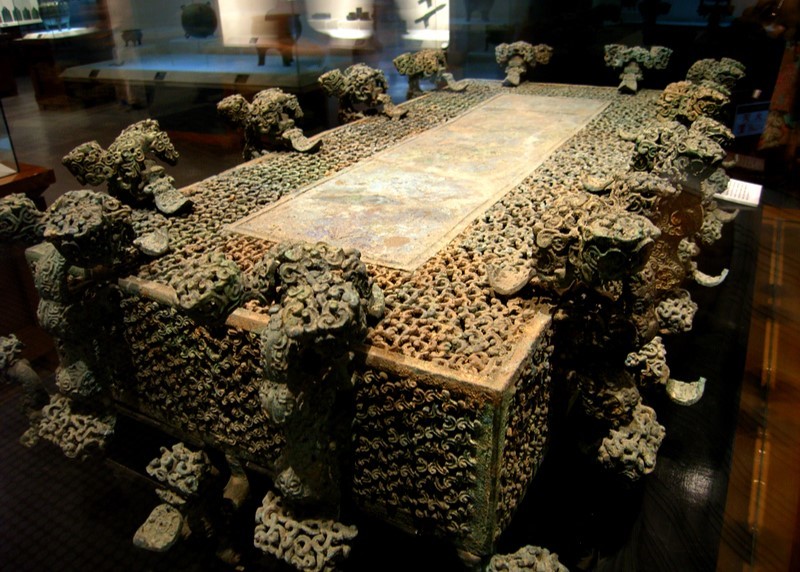
Investment casting, also known as wax loss casting, is a long-standing metal forming process. The copper ban during the Spring and Autumn period in China was the earliest known lost wax casting method. The first step is to make a mold, using the mold to inject liquid wax into the mold to form a wax mold. Then, the wax mold is pasted into a pouring system according to the casting process, and the entire pouring system is made into a silica sol shell. After dewaxing, the entire shell becomes a cavity, and the cavity shell can be poured with molten steel after calcination. After cooling, the steel material product is formed. Subsequently, through processes such as cutting and grinding, sandblasting, heat treatment, correction, welding repair, electroplating, and machining, the cast products required by the customer are formed.
2024/10/08

Dalian is a beautiful coastal city in Northeast China, with beautiful scenery and pleasant climate. It is an important industrial production base, an international shipping center in Northeast Asia.
2024/07/11

Dalian Sakabe has own foundry factory and focus on providing high-quality precision casting products to domestic and foreign customers since its establishment in 2005.
2024/10/08
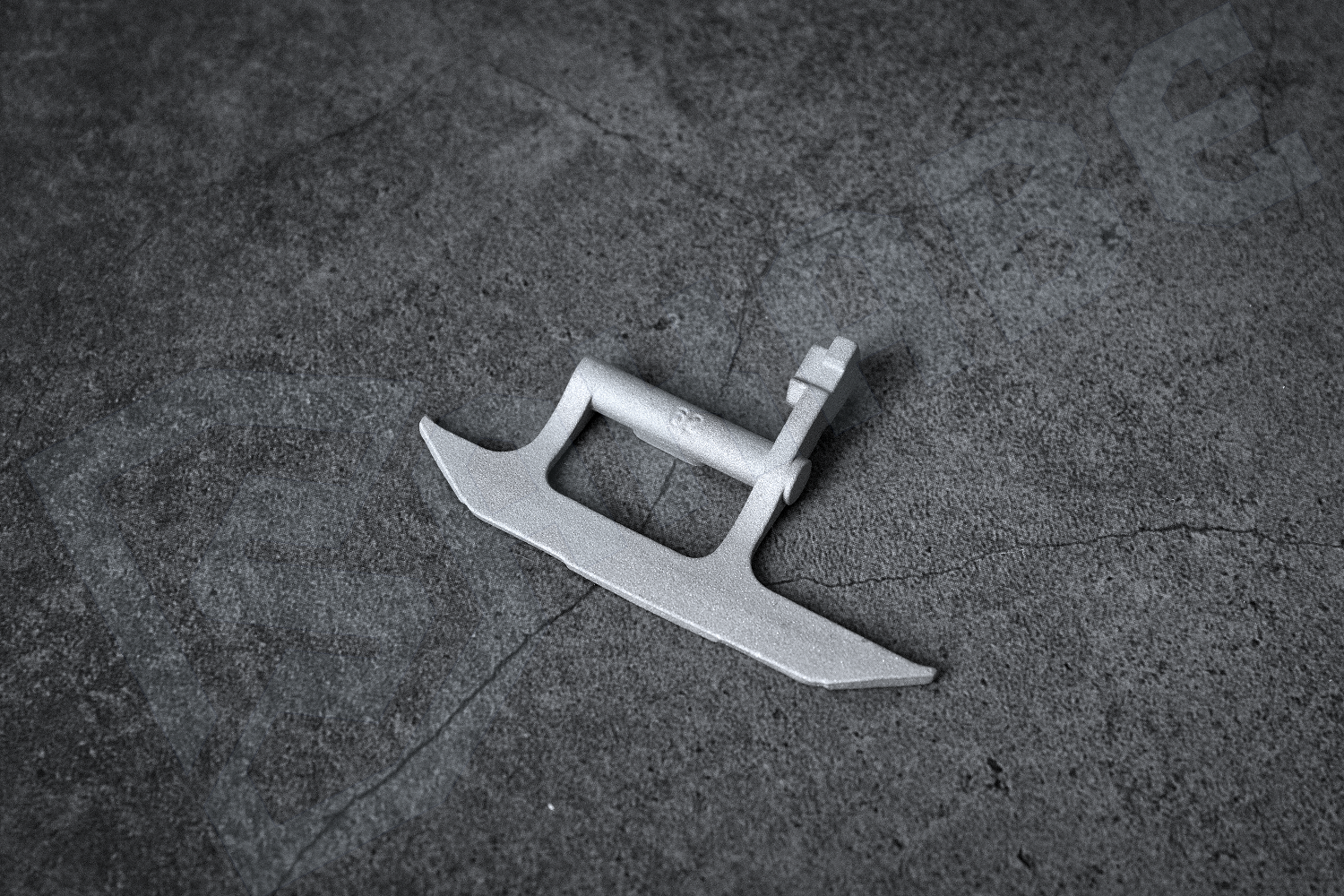
The Crucial Role of Casting Material Trays in Advanced Manufacturing
In the ever-evolving landscape of manufacturing, optimizing heat treatment processes through the strategic use of casting material trays is paramount
2025/09/19
CONTACT US
Tel: +86 136-5494-1611
E-mail: alexzheng@sakabe.cn
Office Address:
No.18 Dongbei Qi Street, Jinpu New Area, Dalian, Liaoning, China
Factory Address:
No.26 Fuan Street, Jinpu New Area, Dalian, Liaoning, China
