


Unlocking Efficiency: Essential Textile Machine Parts You Need for Optimal Performance
1. Introduction to Textile Machinery Efficiency
In the fast-paced world of textile manufacturing, efficiency is critical for maintaining competitive advantage. The performance of textile machines directly impacts productivity, costs, and quality. By understanding and optimizing the essential textile machine parts of these machines, manufacturers can unlock their full potential and ensure seamless operations.
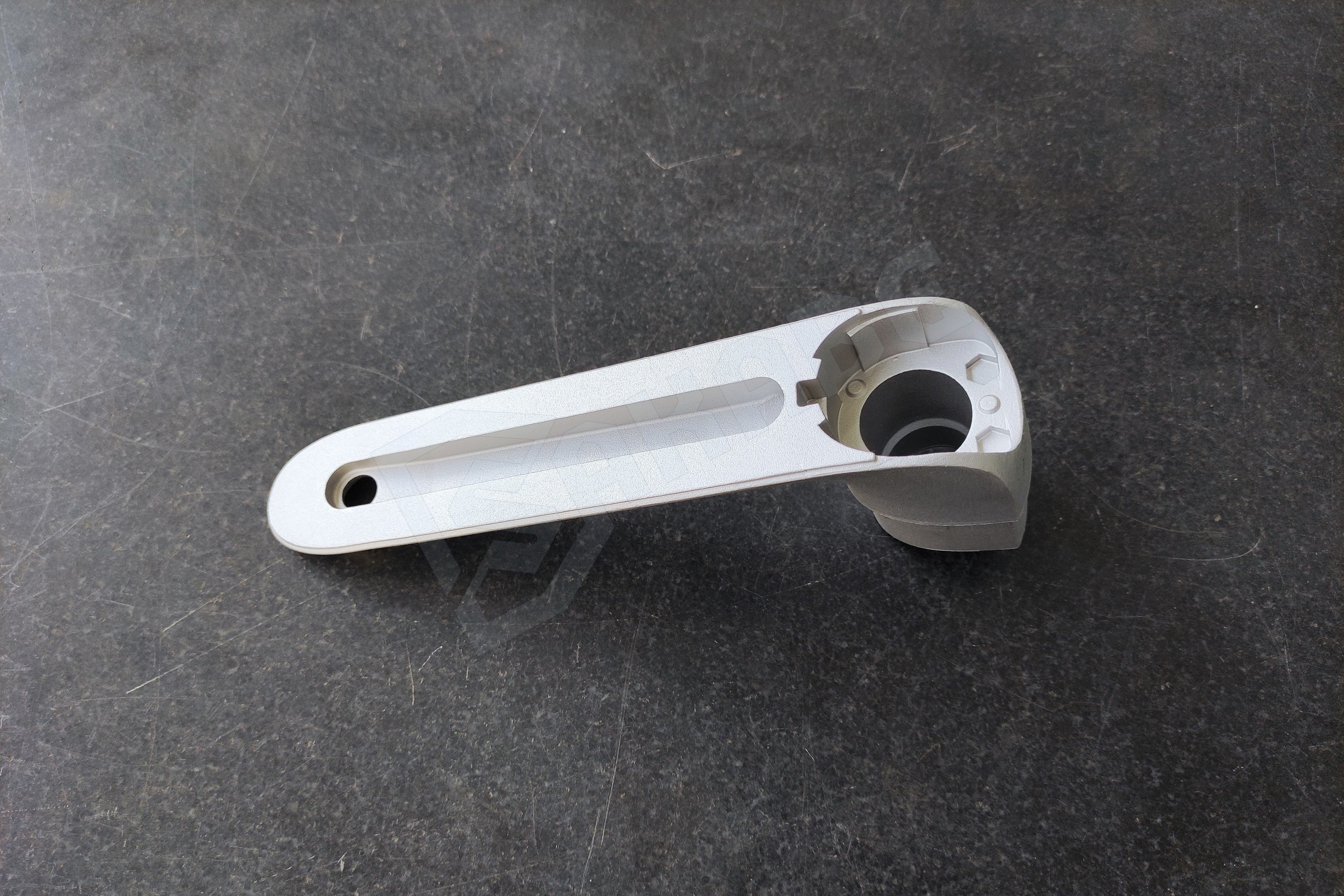
2. Understanding the Anatomy of a Textile Machine
Textile machines are complex systems with various components working in harmony. Recognizing how these parts interact allows us to appreciate their importance in the overall functionality. Each component has a specific role, contributing to the machine's performance and longevity.
3. Key Components of Textile Machines
In this section, we will delve deeper into the crucial parts of textile machinery that enhance efficiency.
3.1 Spindles: The Heart of Spinning
Spindles are vital in spinning operations, converting raw fibers into yarn. They rotate at high speeds, allowing for the twisting of fibers. The efficiency and quality of the yarn produced depend heavily on the spindles' design and maintenance. Regular checks for wear and tear, along with timely lubrication, can significantly enhance spindle performance and longevity.
3.2 Weaving Looms: Essential for Fabric Production
Weaving looms are crucial for producing textiles by interlacing yarns. They come in various types, including shuttle and shuttleless looms, each offering unique advantages. Efficient looms can significantly reduce production time while maintaining high fabric quality. Regular maintenance, such as cleaning and calibrating, ensures optimal performance and minimizes downtime.
3.3 Knitting Machines: Creating Versatile Textiles
Knitting machines are integral to creating a variety of fabric types, from jerseys to fine lace. Advanced knitting technologies have elevated the efficiency of these machines, allowing for faster production rates. Understanding the setup and operation of knitting machines can help manufacturers maximize output and minimize waste.
3.4 Bobbins and Shuttles: Efficient Yarn Handling
Bobbins and shuttles play a vital role in managing yarn supply during the textile production process. Their design and functionality can impact the speed and efficiency of the operation. Choosing the right type of bobbin and shuttle for specific applications can lead to smoother operation and reduced thread breaks, enhancing overall productivity.
3.5 Motors and Drives: Powering Your Machinery
The motors and drives are the powerhouse of textile machines. They control the speed and torque required for various operations. Investing in high-quality motors with precise control systems can dramatically improve machine efficiency. Regularly monitoring performance and conducting maintenance checks can ensure these components operate at peak efficiency.
4. The Role of Maintenance in Textile Machine Efficiency
Regular maintenance is critical to ensuring textile machines operate efficiently. Implementing a structured maintenance schedule can prevent unexpected breakdowns and extend the lifespan of machine components. Key maintenance tasks include lubrication, replacing worn parts, and calibrating machinery to ensure precision and optimal performance.
5. Emerging Technologies in Textile Machinery
The textile industry is evolving with technological advancements that enhance machine efficiency. Innovations such as automation, IoT integration, and smart sensors are transforming textile manufacturing processes. These technologies provide real-time data, allowing for proactive maintenance and improved decision-making, ultimately leading to greater efficiency and reduced costs.
6. Troubleshooting Common Textile Machine Issues
Identifying and troubleshooting issues promptly can prevent significant downtime and loss of productivity. Common problems include thread breaks, misalignment, and mechanical failures. Understanding the symptoms and root causes allows operators to implement effective solutions quickly, maintaining seamless operations.
Unlocking efficiency in textile manufacturing begins with understanding essential machine parts and their functionalities. By focusing on key components, implementing regular maintenance, and leveraging emerging technologies, manufacturers can significantly enhance productivity and quality. Embracing these practices not only improves operational efficiency but also positions businesses for long-term success in the competitive textile industry.

Introduction to investment casting manufacturing technique
Investment casting, also known as wax loss casting, is a long-standing metal forming process. The copper ban during the Spring and Autumn period in China was the earliest known lost wax casting method. The first step is to make a mold, using the mold to inject liquid wax into the mold to form a wax mold. Then, the wax mold is pasted into a pouring system according to the casting process, and the entire pouring system is made into a silica sol shell. After dewaxing, the entire shell becomes a cavity, and the cavity shell can be poured with molten steel after calcination. After cooling, the steel material product is formed. Subsequently, through processes such as cutting and grinding, sandblasting, heat treatment, correction, welding repair, electroplating, and machining, the cast products required by the customer are formed.
2024/10/08

Dalian is a beautiful coastal city in Northeast China, with beautiful scenery and pleasant climate. It is an important industrial production base, an international shipping center in Northeast Asia.
2024/07/11
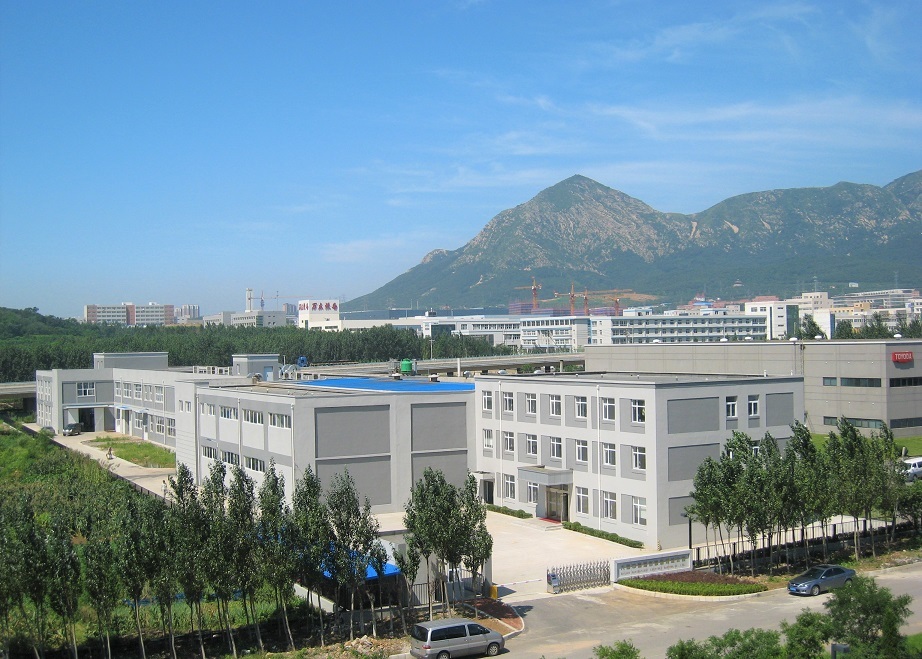
Dalian Sakabe has own foundry factory and focus on providing high-quality precision casting products to domestic and foreign customers since its establishment in 2005.
2024/10/08

The Crucial Role of Casting Material Trays in Advanced Manufacturing
In the ever-evolving landscape of manufacturing, optimizing heat treatment processes through the strategic use of casting material trays is paramount
2025/09/19
CONTACT US
Tel: +86 136-5494-1611
E-mail: alexzheng@sakabe.cn
Office Address:
No.18 Dongbei Qi Street, Jinpu New Area, Dalian, Liaoning, China
Factory Address:
No.26 Fuan Street, Jinpu New Area, Dalian, Liaoning, China
