


How to Optimize Your Inventory for Food Machine Parts
1. Introduction to Inventory Management for Food Machine Parts
In the fast-paced world of food manufacturing, optimizing inventory for food machine parts is crucial for maintaining operational efficiency. This article delves into effective strategies that can help manufacturers streamline their inventory processes, reduce waste, and enhance overall productivity. Understanding the unique requirements of food machine parts is the first step toward achieving optimal inventory control.

2. The Importance of Efficient Inventory Management
Efficient inventory management is essential for several reasons:
- Cost Reduction: By optimizing inventory levels, businesses can reduce holding costs and minimize waste.
- Improved Production Flow: Timely availability of machine parts ensures smooth operations, preventing downtime.
- Better Customer Satisfaction: An efficient inventory system helps meet customer demands promptly, fostering loyalty.
- Enhanced Decision Making: Accurate inventory data allows for informed decision-making, reducing risks associated with overstocking or stockouts.
3. Understanding Food Machine Parts and Their Inventory Needs
3.1 Common Types of Food Machine Parts
Food machine parts encompass a wide range of components essential for food processing, including:
- Motors and Drives: Integral for the operation of machinery.
- Conveyor Belts: Critical for product movement within the production line.
- Pumps and Valves: Essential for liquid handling and control.
- Sensors and Controls: Vital for monitoring and automation.
3.2 Challenges in Managing Inventory for Food Machine Parts
Managing inventory for food machine parts presents unique challenges:
- Demand Fluctuations: Variations in production schedules can lead to excess or insufficient inventory.
- Shelf Life Considerations: Certain components may have limited shelf lives, necessitating careful tracking.
- Supplier Reliability: Dependence on suppliers for timely deliveries can impact inventory levels.
4. Best Practices for Inventory Optimization
Implementing best practices is key to effectively managing inventory.
4.1 Implementing a Just-In-Time (JIT) Inventory System
The Just-In-Time (JIT) inventory system minimizes inventory levels by ensuring that parts arrive only as needed in the production process. This approach reduces holding costs and waste, allowing manufacturers to operate more efficiently.
4.2 Utilizing Inventory Management Software
Investing in robust inventory management software can greatly enhance inventory tracking and control. Features to look for include:
- Real-Time Inventory Tracking: Monitor stock levels and movements instantly.
- Automated Reordering: Set triggers for when to reorder parts based on predefined thresholds.
- Reporting and Analytics: Generate insights into inventory trends and performance.
4.3 Categorizing Your Inventory
A well-organized inventory is easier to manage. Implement categorization by grouping parts based on criteria such as usage frequency, supplier, or machine compatibility. This enables quicker identification of items and streamlines the picking process.
4.4 Establishing Par Levels for Food Machine Parts
Establishing par levels for each type of food machine part ensures that stock levels remain sufficient to meet production needs. Par levels should be based on historical usage data and anticipated demand, allowing for proactive inventory management.
5. The Role of Technology in Inventory Optimization
Technology plays a pivotal role in modern inventory management.
5.1 Leveraging Automation and IoT
Automation in inventory management reduces manual labor and errors. Integrating Internet of Things (IoT) devices can provide real-time monitoring and alerts for stock levels, helping manufacturers respond swiftly to changes in inventory status.
5.2 Utilizing Data Analytics for Informed Decisions
Data analytics can offer insights into inventory turnover rates, seasonal demands, and supplier performance. By analyzing data, businesses can make informed decisions on when to stock up or reduce inventory, ultimately optimizing their inventory strategy.
6. Training Your Team for Effective Inventory Management
A knowledgeable team is vital for successful inventory management. Regular training sessions can ensure that staff members are well-versed in inventory procedures, software usage, and best practices. Empowering employees with the right skills fosters a culture of accountability and efficiency.
7. Monitoring and Adjusting Your Inventory Strategy
Inventory optimization is not a one-time effort; it requires ongoing monitoring and adjustment. Regularly review inventory performance metrics, such as turnover rates and order fulfillment times. Use this data to refine your inventory strategy, adapting to changes in demand and operational requirements.
8. Conclusion
Optimizing your inventory for food machine parts is essential for enhancing operational efficiency and reducing costs. By implementing best practices, leveraging technology, and training your team, you can successfully manage your inventory and respond effectively to the dynamic needs of your production environment. Continuous monitoring and adaptation will ensure your inventory strategy remains effective, enabling your business to thrive in the competitive food manufacturing industry.


Development prospects of investment casting
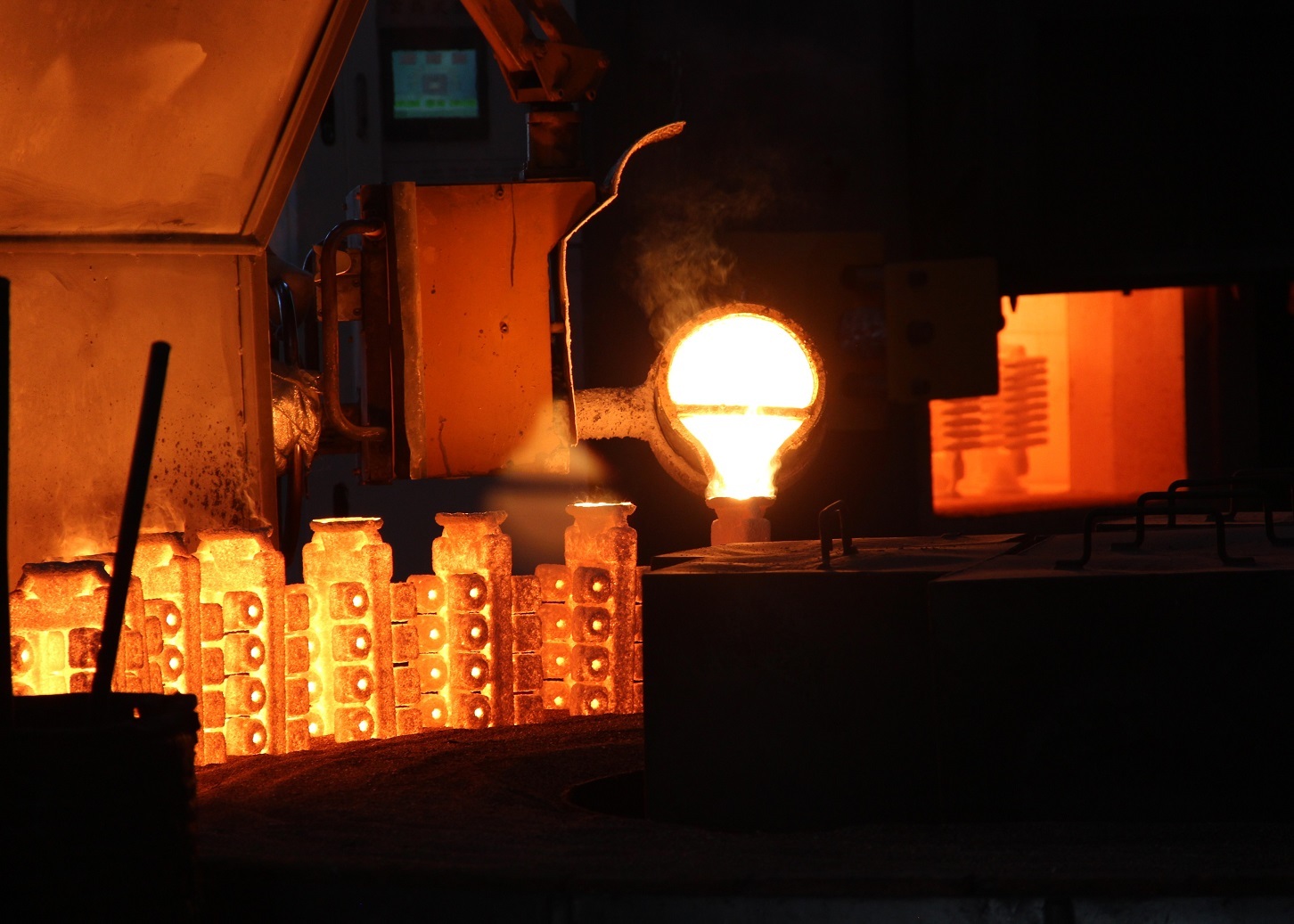
The products obtained by investment casting are precise and complex, close to the final shape of the parts, and can be directly used without or with little machining. It is an advanced technology for near net formation and an excellent process technology in the casting industry, with a wide range of applications. It is suitable for casting various types of alloys, and the produced castings have higher dimensional accuracy and surface quality than other casting methods. Even complex, high-temperature resistant, and difficult to process castings can be cast using investment casting precision casting.
2024/10/08
CONTACT US
Tel: +86 136-5494-1611
E-mail: alexzheng@sakabe.cn
Office Address:
No.18 Dongbei Qi Street, Jinpu New Area, Dalian, Liaoning, China
Factory Address:
No.26 Fuan Street, Jinpu New Area, Dalian, Liaoning, China
