

Unlocking the Benefits of MIM Casting in Manufacturing
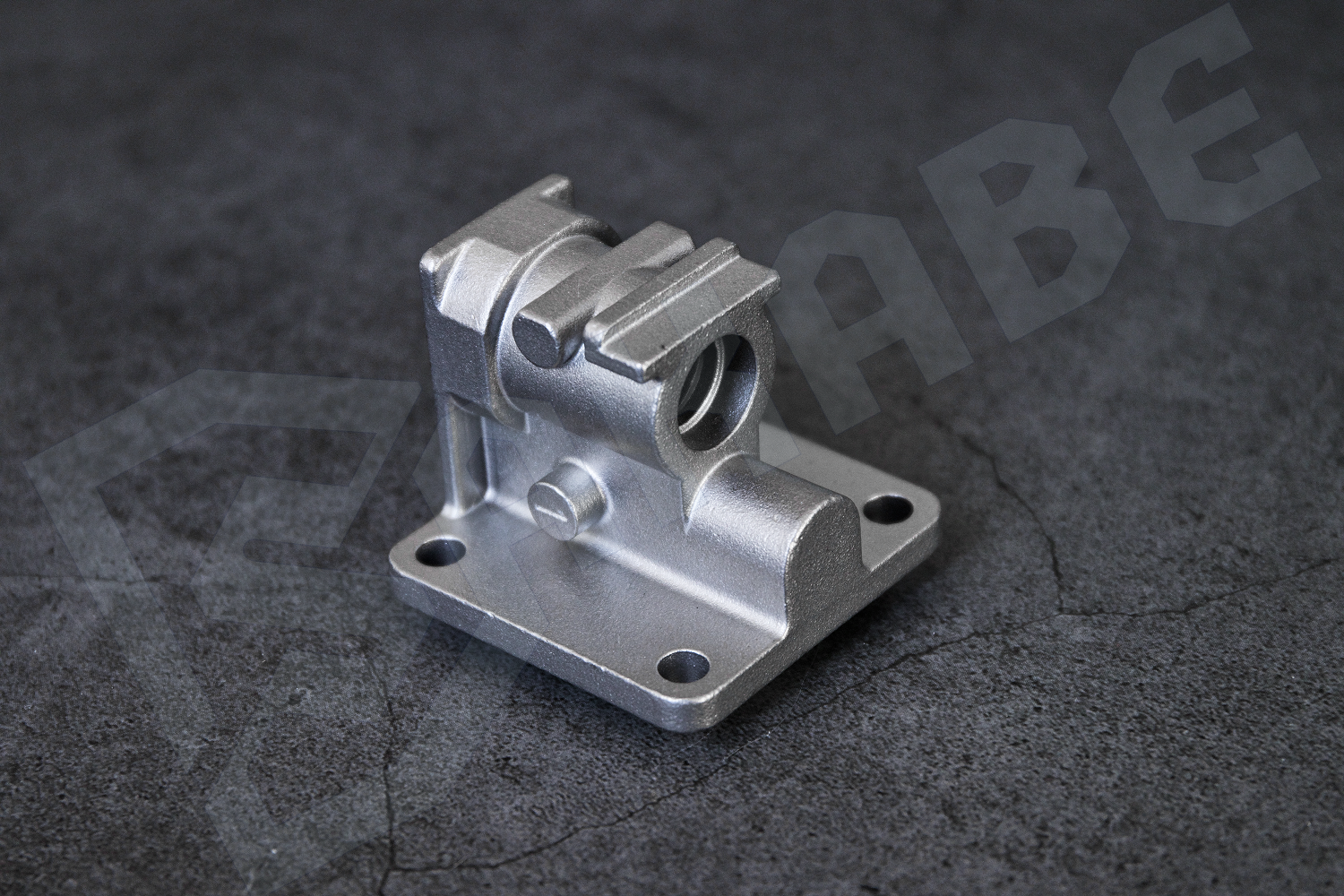
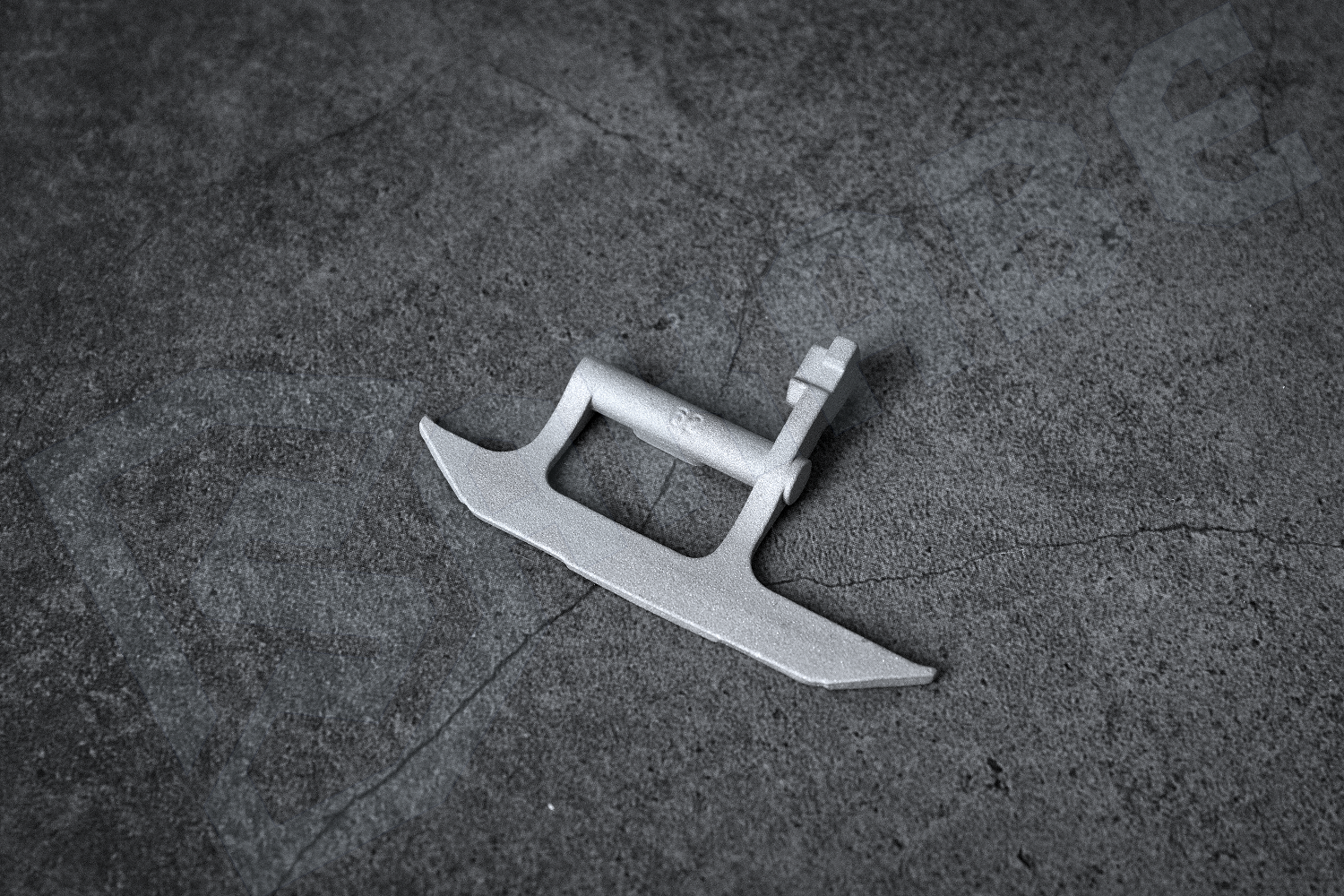
Metal Injection Molding (MIM) is a manufacturing process that combines the principles of plastic injection molding with powder metallurgy. In this process, fine metal powders are mixed with a binder to create a feedstock. This feedstock is injected into molds to produce intricately shaped parts. After molding, the binder is removed through a process, and the resulting part is sintered to achieve its final density and properties. MIM casting is highly efficient, allowing the production of complex shapes that would be challenging or impossible to achieve with traditional machining methods. This technique is increasingly adopted in industries such as automotive, aerospace, medical devices, and consumer goods due to its ability to meet stringent quality and performance standards.
Key Benefits of MIM Casting
The advantages of MIM casting are numerous, making it a go-to choice for many manufacturers. Below are some of the most compelling benefits:
Cost Efficiency in Production
One of the standout features of MIM casting is its cost efficiency. Traditional manufacturing methods often involve extensive machining processes that can drive up production costs. MIM eliminates much of this need for machining, allowing for higher production rates and lower labor costs.
The ability to produce complex parts in one step reduces the overall production time and minimizes the need for secondary operations. This efficiency translates to significant cost savings, making MIM a competitive alternative to traditional methods.
Design Flexibility and Complexity
MIM casting offers unparalleled design flexibility. Manufacturers can create intricate shapes and features that would be difficult to achieve with traditional machining. This capability allows for innovative designs that not only enhance functionality but also improve aesthetics.
Components can be designed with features such as internal geometries, undercuts, and thin walls, all of which would typically require multiple manufacturing processes. This flexibility encourages creativity and innovation in product design, giving companies a competitive edge.
Material Utilization and Waste Reduction
MIM casting is renowned for its material utilization efficiency. The process generates minimal waste, as the metal powder used can be fully recycled. Unlike traditional machining, which often leads to significant material waste as parts are shaped, MIM casting utilizes nearly all the material in the final product.
This efficient use of materials not only lowers costs but also aligns with sustainable manufacturing practices, making MIM an environmentally friendly option.
Applications of MIM Casting in Various Industries
The versatility of MIM casting allows it to be applied across various industries, including:
1. Automotive: MIM parts are used in fuel injectors, gears, and structural components, providing durability and precision.
2. Aerospace: Components subjected to high-stress conditions, such as brackets and housings, benefit from MIM's strength and lightweight properties.
3. Consumer Goods: Items like electronic devices and home appliances leverage MIM to achieve sleek designs and functional components.
The diverse applications highlight MIM's adaptability and effectiveness in producing high-quality parts tailored to industry-specific requirements.
MIM Casting vs. Traditional Casting Methods
When considering manufacturing options, it’s essential to weigh MIM casting against traditional methods.
Traditional Casting Methods: These include sand casting, die casting, and investment casting. While these processes have been around for years and are effective for certain applications, they often involve significant material waste and longer lead times. Additionally, they may require extensive machining to achieve the desired finish and precision.
MIM Casting: In contrast, MIM casting excels in producing complex geometries with high precision in a single step. The efficiency of the MIM process reduces overall production time and costs, making it a more attractive option for many manufacturers.
Overview of the MIM Process
To better understand the benefits of MIM casting, it is important to explore the process itself. The MIM process consists of several stages:
Feedstock Preparation
The first step in the MIM process involves preparing the feedstock. Fine metal powders are mixed with a binder material to create a uniform feedstock. The choice of metal powder and binder depends on the desired properties of the final product.
This blend is then processed to achieve the right viscosity for injection.
Molding Process
Once the feedstock is prepared, it is injected into molds using a specialized injection molding machine. The molds dictate the shape of the final part. During this phase, high pressure ensures that the feedstock fills the mold completely, capturing all intricate details.
Debinding and Sintering
After molding, the parts undergo a debonding process to remove the binder. This is typically achieved through thermal or solvent methods. Once the binder is removed, the parts are sintered in a furnace, where they are heated to a temperature below their melting point. This step causes the metal particles to fuse, creating a solid and dense final product.
The sintering process is critical to achieving the desired mechanical properties and dimensional stability of the parts.
The Future of MIM Casting in Manufacturing
As technology advances, the future of MIM casting looks promising. Innovations in metal powders, binder formulations, and processing techniques are expected to enhance the capabilities of MIM casting further.
Additionally, the growing demand for lightweight and complex components across various industries will likely drive increased adoption of MIM. As manufacturers seek to optimize production processes and reduce costs, MIM casting will continue to play a vital role in modern manufacturing.
Metal Injection Molding (MIM) casting is an innovative manufacturing process that provides numerous advantages, including cost efficiency, design flexibility, and minimal material waste. Its applications span across various industries, making it a highly versatile option for manufacturers.
As the industry continues to evolve, MIM casting will likely play an even more significant role in shaping the future of manufacturing. By embracing the benefits of MIM casting, manufacturers can enhance their production capabilities, lower costs, and drive innovation in product design.
Introduction to investment casting manufacturing technique
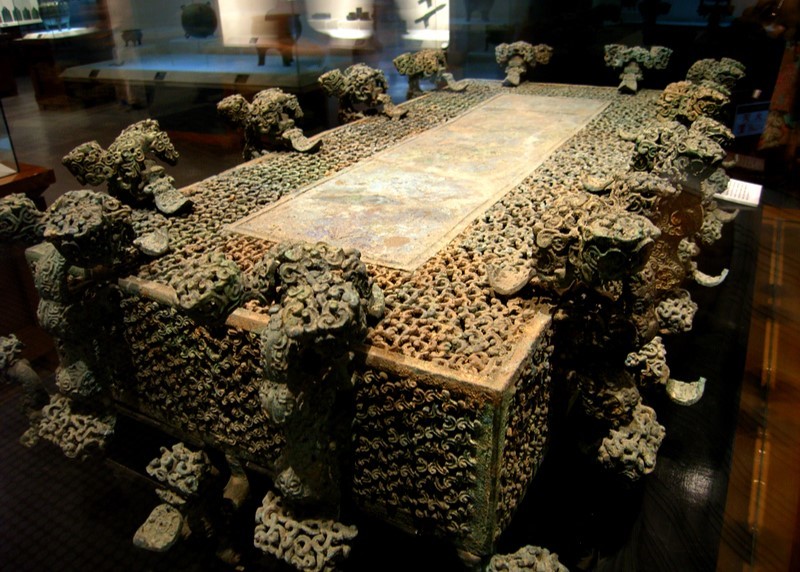
Investment casting, also known as wax loss casting, is a long-standing metal forming process. The copper ban during the Spring and Autumn period in China was the earliest known lost wax casting method. The first step is to make a mold, using the mold to inject liquid wax into the mold to form a wax mold. Then, the wax mold is pasted into a pouring system according to the casting process, and the entire pouring system is made into a silica sol shell. After dewaxing, the entire shell becomes a cavity, and the cavity shell can be poured with molten steel after calcination. After cooling, the steel material product is formed. Subsequently, through processes such as cutting and grinding, sandblasting, heat treatment, correction, welding repair, electroplating, and machining, the cast products required by the customer are formed.
2024/10/08

Dalian is a beautiful coastal city in Northeast China, with beautiful scenery and pleasant climate. It is an important industrial production base, an international shipping center in Northeast Asia.
2024/07/11
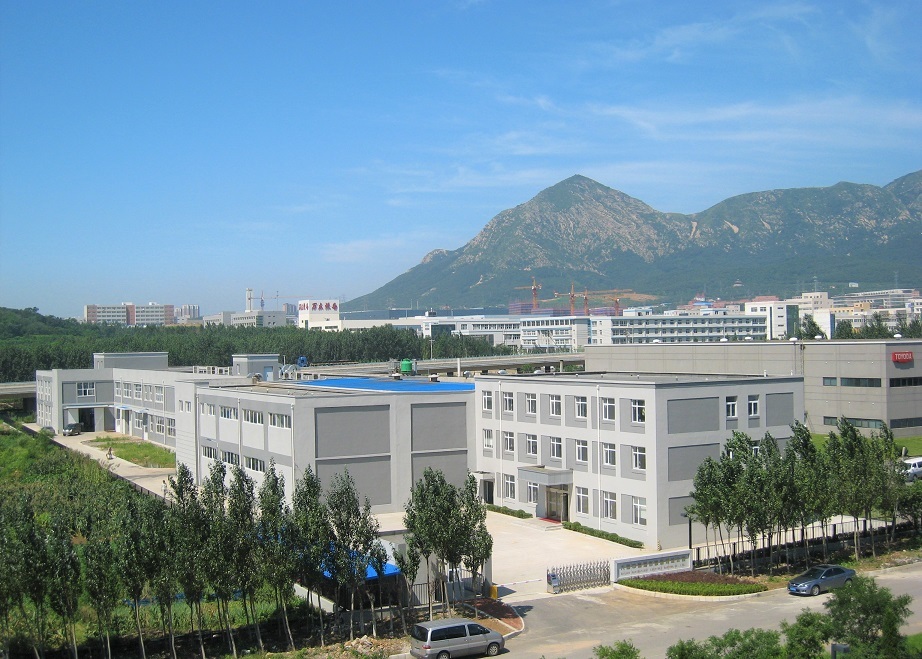
Dalian Sakabe has own foundry factory and focus on providing high-quality precision casting products to domestic and foreign customers since its establishment in 2005.
2024/10/08
The Crucial Role of Casting Material Trays in Advanced Manufacturing
In the ever-evolving landscape of manufacturing, optimizing heat treatment processes through the strategic use of casting material trays is paramount
2025/09/19
CONTACT US
Tel: +86 136-5494-1611
E-mail: alexzheng@sakabe.cn
Office Address:
No.18 Dongbei Qi Street, Jinpu New Area, Dalian, Liaoning, China
Factory Address:
No.26 Fuan Street, Jinpu New Area, Dalian, Liaoning, China
