


Discovering the Best Textile Machinery Casting Parts for Enhanced Performance
Table of Contents
- 1. Introduction to Textile Machinery Casting Parts
- 2. Importance of Quality Casting Parts in Textile Machinery
- 3. Types of Casting Parts Used in Textile Machinery
- 4. How to Select the Right Casting Parts for Textile Machinery
- 5. Top Manufacturers of Textile Machinery Casting Parts
- 6. Maintenance Tips for Textile Machinery Casting Parts
- 7. Emerging Trends in Textile Machinery Casting Technologies
- 8. Conclusion
- 9. FAQs
1. Introduction to Textile Machinery Casting Parts
In the competitive landscape of textile manufacturing, **casting parts** play a pivotal role in enhancing the operational efficiency and output quality of machinery. These components are crafted from various metals and alloys, specifically designed to withstand the demanding environments within textile production facilities. Understanding the nuances of these parts is essential for manufacturers looking to optimize their machinery performance.
2. Importance of Quality Casting Parts in Textile Machinery
Quality casting parts are critical in textile machinery for several reasons:
2.1 Performance Enhancement
High-quality casting parts contribute significantly to the overall performance of textile machinery. They are engineered to provide durability, wear resistance, and precision, which are crucial for maintaining consistent production rates and minimizing downtime.
2.2 Cost-Effectiveness
Investing in superior casting parts may involve a higher upfront cost, but the long-term savings due to reduced maintenance, fewer breakdowns, and improved efficiency often outweigh these initial expenses.
2.3 Safety and Reliability
Safety in textile manufacturing cannot be overstated. Reliable casting parts reduce the risk of machinery failures that could lead to accidents, ensuring a safer working environment for operators.
3. Types of Casting Parts Used in Textile Machinery
There are several types of casting parts utilized in textile machinery, each serving distinct functions:
3.1 Gearboxes and Gears
Gearboxes are crucial for transmitting power efficiently. High-quality casting ensures that they perform optimally under varying loads and speeds.
3.2 Frames and Structures
The structural integrity of textile machinery depends largely on the frames, which are often cast from robust materials that can handle heavy loads and vibrations.
3.3 Housings and Covers
Housings protect internal components from external damage and contamination. Quality casting materials provide added durability and heat resistance.
3.4 Rollers and Cylinders
Rollers and cylinders must withstand continuous wear and tear. The choice of casting material directly affects their lifespan and performance.
4. How to Select the Right Casting Parts for Textile Machinery
Choosing the right casting parts is crucial for ensuring optimal machine performance. Several factors should be considered during the selection process:
4.1 Material Specifications
When selecting casting parts, it is vital to consider the material specifications. Common materials include cast iron, aluminum, and various alloys, each offering unique properties suitable for different applications.
4.2 Compatibility with Existing Machinery
Ensure that the casting parts you choose are compatible with your existing machinery. This compatibility extends to dimensions, mounting points, and load capacities.
4.3 Vendor Reliability
Partnering with reputable manufacturers is essential. Look for vendors with a proven track record of quality and customer service. Their expertise can significantly impact the performance of your textile machinery.
4.4 Cost Considerations
While cost should not be the only factor in your decision, it is essential to balance quality and price. Investing in high-quality casting parts can lead to greater savings over time due to reduced maintenance and increased efficiency.
5. Top Manufacturers of Textile Machinery Casting Parts
Identifying reliable manufacturers is key to sourcing high-quality casting parts. Here are some of the top manufacturers known for their excellence in textile machinery components:
5.1 Manufacturer A
Manufacturer A specializes in high-performance casting parts tailored for textile machinery, offering a range of materials and configurations to suit various applications.
5.2 Manufacturer B
With a focus on innovation, Manufacturer B uses advanced techniques in the production of casting parts, ensuring superior quality and performance.
5.3 Manufacturer C
Manufacturer C is renowned for its durable and cost-effective casting solutions, making it a popular choice among textile manufacturers.
5.4 Manufacturer D
Manufacturer D offers a comprehensive range of casting parts and is known for its excellent customer service and support.
6. Maintenance Tips for Textile Machinery Casting Parts
Proper maintenance of casting parts is essential for prolonging their lifespan and ensuring reliable performance. Here are several maintenance tips:
6.1 Regular Inspections
Conduct frequent inspections to identify wear and tear early. Addressing minor issues promptly can prevent significant breakdowns.
6.2 Lubrication
Ensure that all moving parts are adequately lubricated. Proper lubrication minimizes friction and reduces wear.
6.3 Cleaning
Keep casting parts clean to prevent dust and debris buildup, which can affect performance. Regular cleaning helps maintain the integrity of the components.
6.4 Replacement of Worn Parts
Identify and replace worn or damaged casting parts before they lead to machinery failures. Staying proactive in maintenance is key to operational efficiency.
7. Emerging Trends in Textile Machinery Casting Technologies
The textile machinery sector is continuously evolving, with several trends emerging in casting technologies:
7.1 Use of Advanced Alloys
Innovative alloys are being developed that offer enhanced properties such as better heat resistance and lighter weight, improving the overall performance of textile machinery.
7.2 Additive Manufacturing
3D printing technologies are gaining traction in producing casting parts, allowing for more complex designs and reduced production times.
7.3 Automation and Smart Technologies
Integrating smart technologies in casting processes enhances precision and efficiency, contributing to smarter manufacturing solutions.
8. Conclusion
In conclusion, selecting the best textile machinery casting parts is vital for enhancing performance and ensuring operational efficiency. By understanding the importance of quality casting parts, identifying types, selecting the right components, and maintaining them effectively, manufacturers can significantly improve the reliability and productivity of their textile machinery. With the emergence of new technologies and materials, staying informed about industry trends can further optimize performance.
9. FAQs
9.1 What are textile machinery casting parts?
Textile machinery casting parts are components made from cast materials, designed to provide structure and function to textile machinery. They include gears, frames, housings, and rollers.
9.2 Why are high-quality casting parts important?
High-quality casting parts enhance machinery performance, ensure reliability, reduce maintenance costs, and contribute to safer operating conditions.
9.3 How do I choose the right casting parts for my machinery?
Consider factors such as material specifications, compatibility, vendor reliability, and cost when selecting casting parts.
9.4 What are the common materials used for casting parts?
Common materials include cast iron, aluminum, and various alloys, each offering distinct characteristics suitable for different applications.
9.5 How can I maintain my textile machinery casting parts?
Regular inspections, proper lubrication, frequent cleaning, and timely replacement of worn components are essential for maintenance.
By following these guidelines, textile manufacturers can optimize their machinery's performance, ensuring efficiency and longevity in their operations.
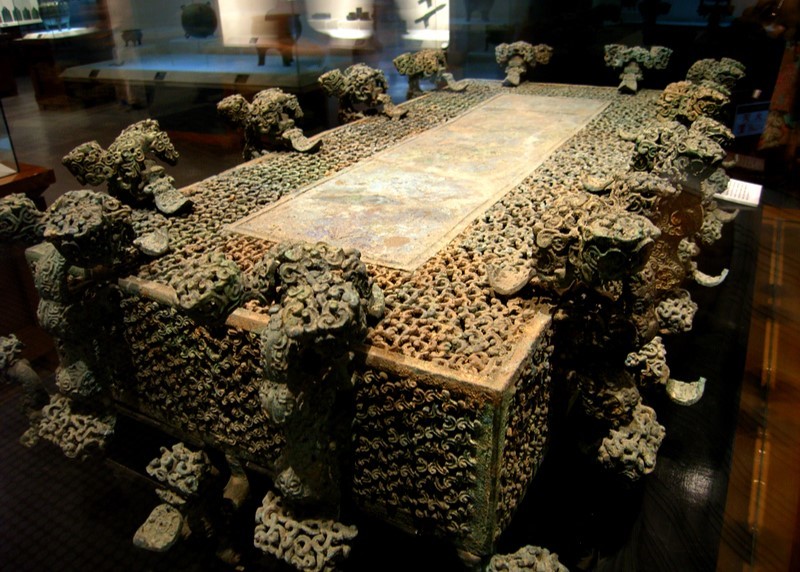
Introduction to investment casting manufacturing technique
Investment casting, also known as wax loss casting, is a long-standing metal forming process. The copper ban during the Spring and Autumn period in China was the earliest known lost wax casting method. The first step is to make a mold, using the mold to inject liquid wax into the mold to form a wax mold. Then, the wax mold is pasted into a pouring system according to the casting process, and the entire pouring system is made into a silica sol shell. After dewaxing, the entire shell becomes a cavity, and the cavity shell can be poured with molten steel after calcination. After cooling, the steel material product is formed. Subsequently, through processes such as cutting and grinding, sandblasting, heat treatment, correction, welding repair, electroplating, and machining, the cast products required by the customer are formed.
2024/10/08

Dalian is a beautiful coastal city in Northeast China, with beautiful scenery and pleasant climate. It is an important industrial production base, an international shipping center in Northeast Asia.
2024/07/11
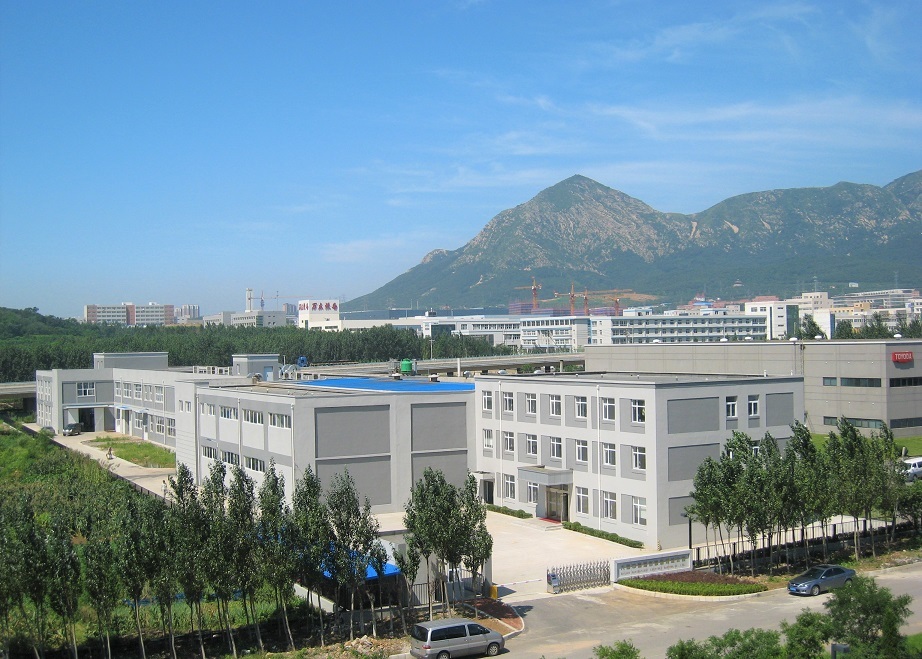
Dalian Sakabe has own foundry factory and focus on providing high-quality precision casting products to domestic and foreign customers since its establishment in 2005.
2024/10/08
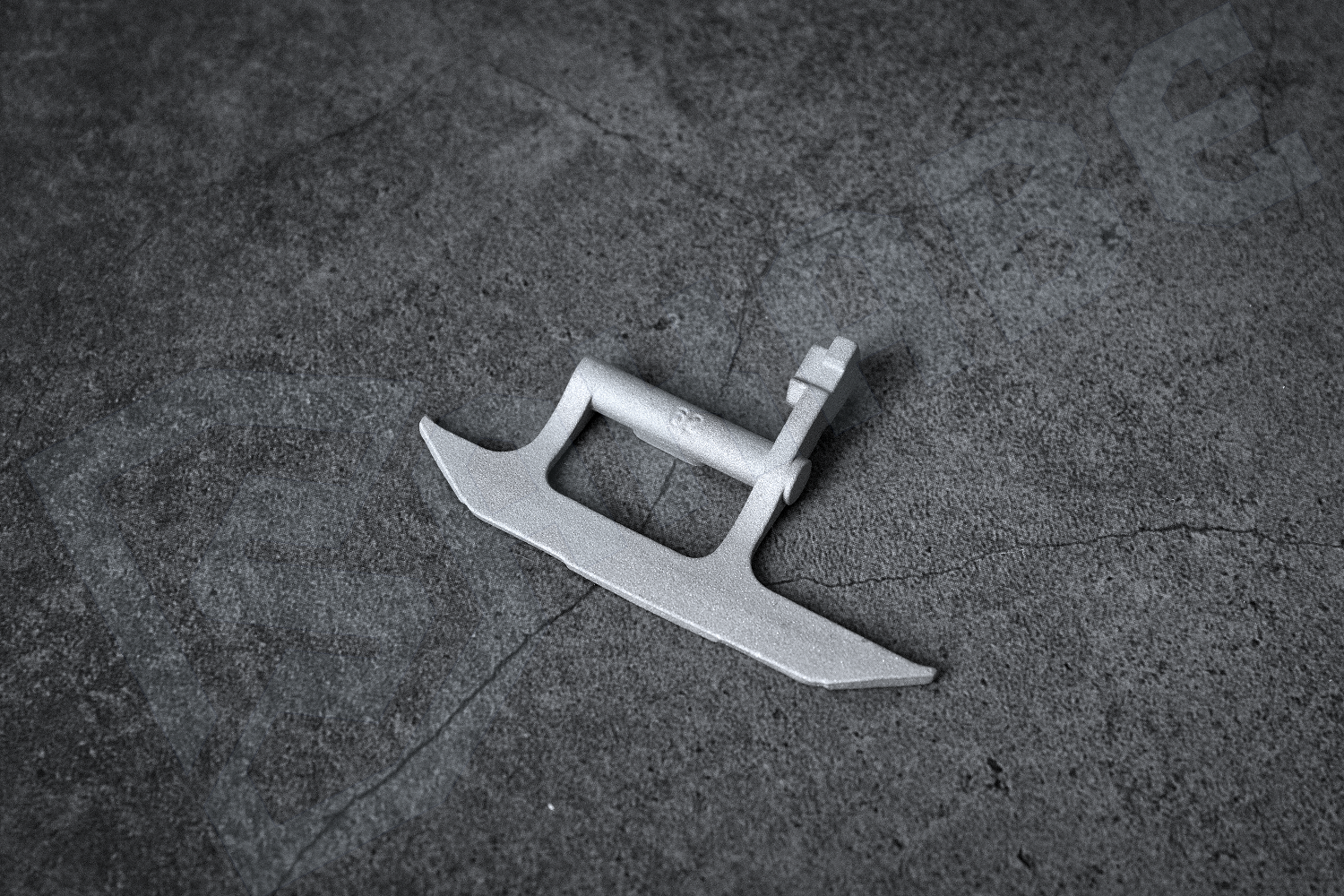
The Crucial Role of Casting Material Trays in Advanced Manufacturing
In the ever-evolving landscape of manufacturing, optimizing heat treatment processes through the strategic use of casting material trays is paramount
2025/09/19
CONTACT US
Tel: +86 136-5494-1611
E-mail: alexzheng@sakabe.cn
Office Address:
No.18 Dongbei Qi Street, Jinpu New Area, Dalian, Liaoning, China
Factory Address:
No.26 Fuan Street, Jinpu New Area, Dalian, Liaoning, China
