

Unlocking the Benefits of Durable Fluid Chemical Equipment Casting Parts
Table of Contents
- Introduction to Fluid Chemical Equipment Casting Parts
- The Importance of Durable Casting Parts in Manufacturing
- Materials Used in Fluid Chemical Equipment Casting
- The Production Process of Casting Parts
- Real-World Applications of Casting Parts
- Key Benefits of Durable Casting Parts
- Maintenance and Longevity of Casting Components
- Sustainability in Manufacturing with Durable Equipment
- Frequently Asked Questions
- Conclusion: Investing in Quality for Future Success
Introduction to Fluid Chemical Equipment Casting Parts
Fluid chemical equipment casting parts play a pivotal role in various industries, especially where liquids and chemicals are involved. The essence of these components lies in their ability to withstand extreme conditions while maintaining functional integrity. This article aims to explore the multifaceted benefits of investing in durable casting parts, examining everything from material selections to real-world applications, and how they contribute to overall operational efficiency.
The Importance of Durable Casting Parts in Manufacturing
In the manufacturing landscape, the reliability of equipment directly impacts productivity and profitability. Durable casting parts are indispensable for several reasons:
1. **Strength and Durability**: High-quality casting components are designed to endure stress, temperature fluctuations, and corrosive environments, ensuring a longer operational lifespan.
2. **Precision Engineering**: These parts are crafted through meticulous processes, providing enhanced precision that is vital for fluid dynamics and chemical reactions.
3. **Cost-Efficiency**: Investing in durable parts can significantly lower maintenance and replacement costs over time, making them a cost-effective choice for manufacturers.
4. **Safety**: Reliable components reduce the risk of equipment failure, which can pose safety hazards in industrial settings.
Materials Used in Fluid Chemical Equipment Casting
The choice of materials is crucial in the manufacturing of durable casting parts. Several types of materials are commonly employed:
1. Cast Iron
Cast iron is known for its excellent castability, wear resistance, and tensile strength. It is often used in applications where durability is paramount.
2. Aluminum Alloys
Lightweight yet strong, aluminum alloys are ideal for applications requiring corrosion resistance without compromising structural integrity.
3. Stainless Steel
Stainless steel offers superior corrosion resistance and is often used in harsh chemical environments, making it a preferred choice for many fluid chemical applications.
4. Bronze and Brass
These materials provide excellent machinability and resistance to corrosion, particularly in marine and chemical processing applications.
The Production Process of Casting Parts
Understanding the production process of casting parts can help manufacturers appreciate the complexity and expertise required to create durable components. This process typically involves several key steps:
1. Design and Prototyping
Before production begins, detailed designs and prototypes are created using CAD software. This stage ensures precision and accuracy in the final product.
2. Mold Creation
Molds are crafted typically from high-strength materials to withstand the pouring process. The type of mold used can significantly affect the final part's characteristics.
3. Melting and Pouring
The selected material is melted in a furnace and poured into the molds. The temperature and pouring techniques are critical for ensuring quality and minimizing defects.
4. Cooling and Solidification
Once poured, the casting must cool and solidify, allowing the material to reach its desired properties. This process can take time, depending on the material and thickness of the casting.
5. Finishing Touches
After cooling, cast parts undergo finishing processes such as machining, polishing, and surface treatment to enhance their performance and appearance.
Real-World Applications of Casting Parts
Durable fluid chemical equipment casting parts are utilized across various industries. Here’s a look at some key applications:
1. Chemical Processing
In chemical plants, casting parts are used in valves, pumps, and pipes, where they must withstand corrosive substances and high pressures.
2. Oil and Gas
In the oil and gas industry, durable casting components ensure reliable operation in extreme environments, from offshore drilling rigs to refineries.
3. Water Treatment
Casting parts in water treatment facilities help manage the flow of water while resisting corrosion and wear from chemical agents.
4. Food and Beverage
In food processing, materials must comply with sanitary standards. Durable casting parts contribute to equipment longevity while maintaining hygiene.
Key Benefits of Durable Casting Parts
The advantages of utilizing durable fluid chemical equipment casting parts extend beyond mere functionality. Here are some critical benefits:
1. Enhanced Efficiency
Durable parts minimize downtime, ensuring that operations continue smoothly and efficiently. This leads to increased productivity and reduced operational costs.
2. Reduced Maintenance Costs
High-quality casting components require less frequent replacement and repair, which translates to significant savings over time.
3. Improved Safety
With less risk of equipment failure, workplaces become safer for employees, reducing the likelihood of accidents and injuries.
4. Environmental Impact
Investing in durable parts also aligns with sustainability goals, as they require fewer resources over their lifespan, reducing waste and promoting eco-friendly practices.
Maintenance and Longevity of Casting Components
To maximize the lifespan of fluid chemical equipment casting parts, proper maintenance is essential:
1. Regular Inspections
Routine inspections help identify wear and tear early, allowing for timely repairs or replacements.
2. Cleaning and Lubrication
Keeping components clean and well-lubricated can prevent corrosion and minimize friction, extending the life of the parts.
3. Monitoring Operating Conditions
Understanding the conditions in which the equipment operates, such as temperature and pressure levels, can help manufacturers avoid overloading their casting parts.
Sustainability in Manufacturing with Durable Equipment
The manufacturing sector is increasingly focusing on sustainable practices. Durable casting parts contribute to this movement by:
1. Reducing Waste
High-quality components minimize the need for frequent replacements, leading to less waste in landfills.
2. Energy Efficiency
Durable parts can enhance the energy efficiency of equipment, aligning with environmental sustainability goals.
3. Use of Recycled Materials
Many manufacturers are shifting towards using recycled materials in their casting processes, further reducing their environmental impact.
Frequently Asked Questions
1. What are fluid chemical equipment casting parts?
Fluid chemical equipment casting parts are components specifically designed to handle fluids and chemicals in various industrial applications, offering durability and resistance to harsh conditions.
2. Why are durable casting parts important in manufacturing?
Durable casting parts enhance operational efficiency, reduce maintenance costs, improve safety, and ensure long-lasting performance in industrial environments.
3. What materials are commonly used in casting parts?
Common materials include cast iron, aluminum alloys, stainless steel, bronze, and brass, each offering unique advantages for specific applications.
4. How can I improve the lifespan of casting components?
Regular inspections, appropriate cleaning, lubrication, and monitoring operating conditions can significantly enhance the lifespan of casting components.
5. Are durable casting parts environmentally friendly?
Yes, durable casting parts reduce waste and energy consumption, making them a more sustainable choice for manufacturers.
Conclusion: Investing in Quality for Future Success
In conclusion, the benefits of durable fluid chemical equipment casting parts are profound and multifaceted. From enhancing operational efficiency to promoting sustainability, these components are essential for modern manufacturing. By investing in high-quality casting parts, manufacturers not only secure the longevity and reliability of their equipment but also contribute to a more sustainable industrial landscape. As the industry continues to evolve, the importance of durable casting solutions will only grow, solidifying their place as indispensable assets in manufacturing operations.

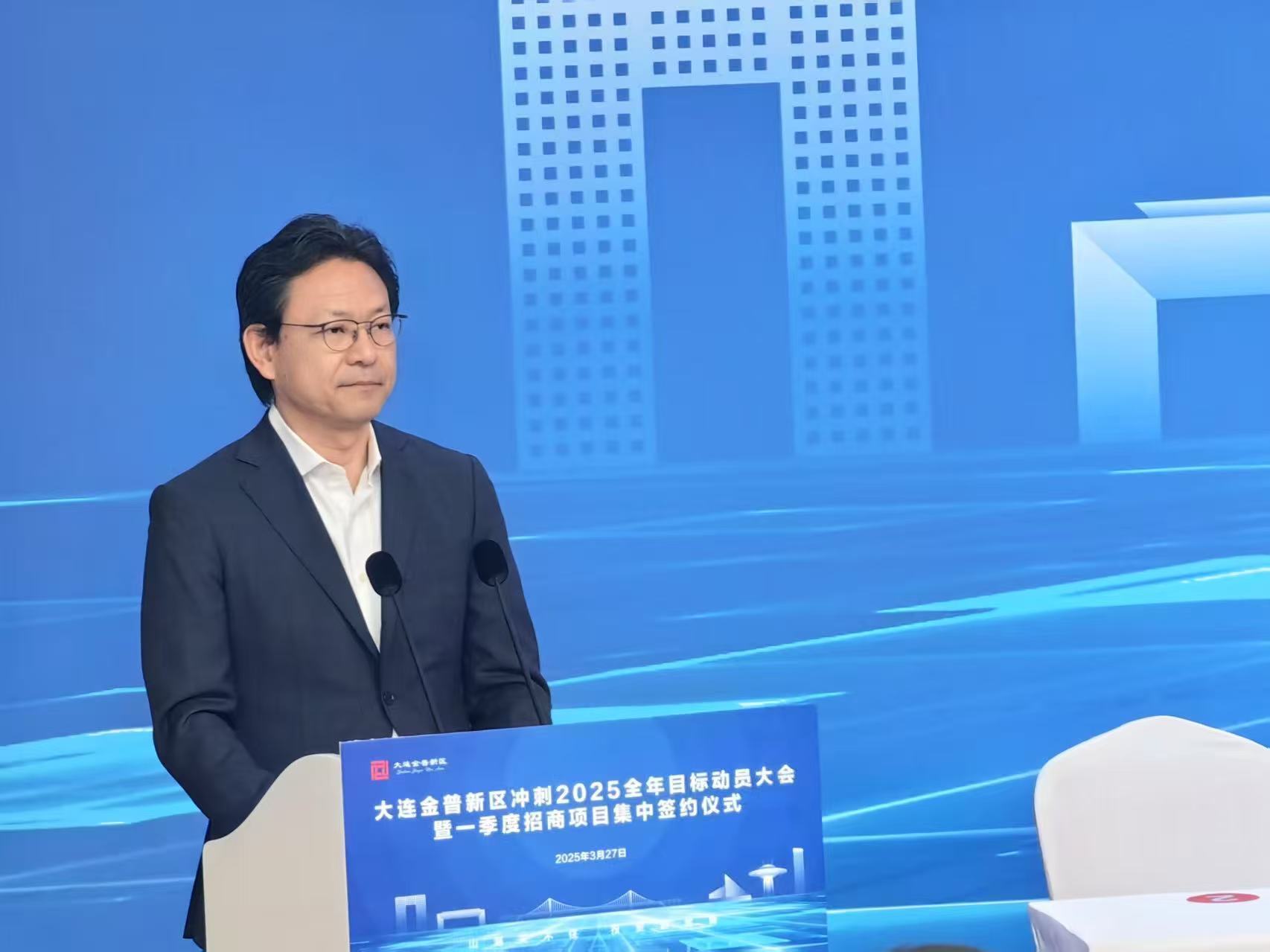
Dalian Sakabe was invited to participate in the Dalian investment promotion project ceremony
On March 27, 2025, Dalian Sakabe, as an advanced foreign-funded enterprise in Dalian, was invited to participate in the investment promotion project ceremony of Dalian China.
2025/04/01
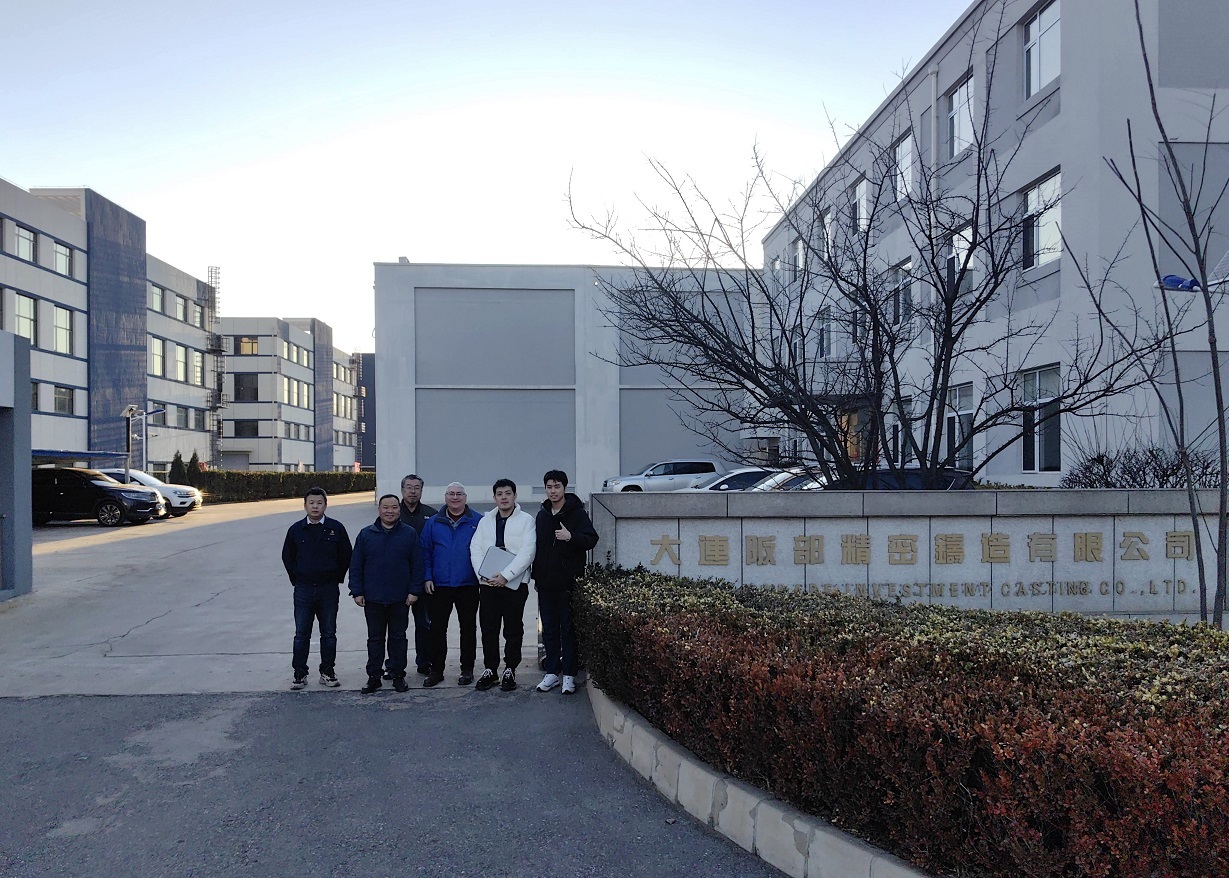
It is pleased that partner NME come to visit us Sakabe foundry
It is pleased that partner NME come to visit us Sakabe foundry. We share the same philosophy about quality standards, product positioning, environmental protection, and sustainable development. It's lucky to meet like-minded partners!
2025/02/19
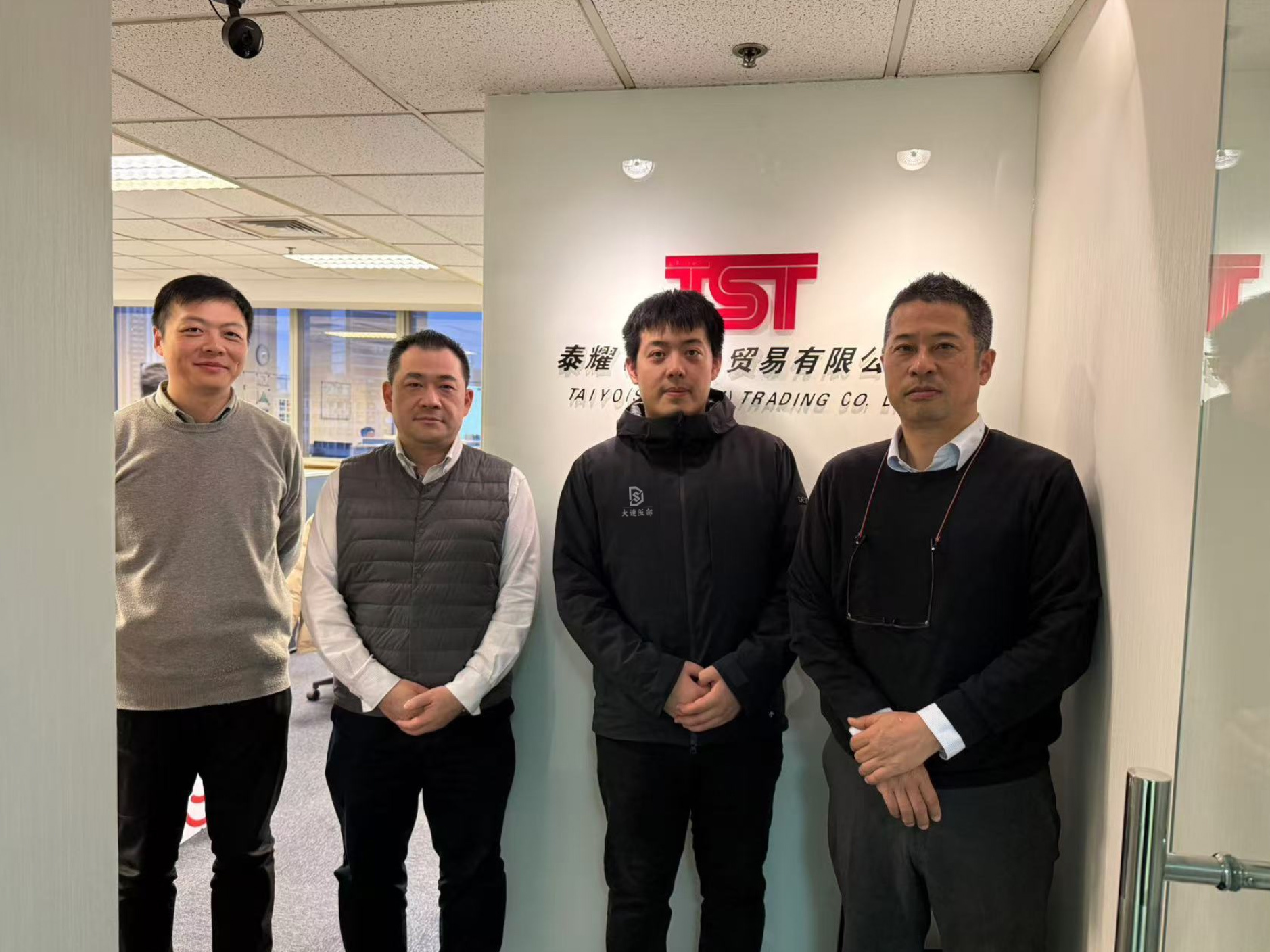
Great meeting with partner in Shanghai
Dalian Sakabe paying visit to our partner TST in Shanghai. Had discussions and plans for long term co-operation. Great thanks for your support!
2025/01/02
CONTACT US
Tel: +86 136-5494-1611
E-mail: alexzheng@sakabe.cn
Office Address:
No.18 Dongbei Qi Street, Jinpu New Area, Dalian, Liaoning, China
Factory Address:
No.26 Fuan Street, Jinpu New Area, Dalian, Liaoning, China
