


One of the most significant advancements in the field is the development of biocompatible materials. When producing new medical tool casting parts, it is essential to prioritize materials that are safe for human use and can withstand the demanding environments in which medical tools operate. Materials such as surgical-grade stainless steel, titanium, and specialized polymers are increasingly being used. These materials not only ensure the longevity of the tool but also contribute to the overall safety and effectiveness of medical procedures.
Additionally, the design of new medical tool casting parts has shifted towards more complex geometries and precision engineering. Advanced computer-aided design (CAD) software allows for intricate designs that were previously unfeasible. Utilizing techniques such as 3D printing in conjunction with traditional casting processes enables manufacturers to create prototypes rapidly and refine their designs based on real-world testing. This flexibility is particularly beneficial in the medical field, where innovation must keep pace with emerging health challenges.
Moreover, manufacturers must stay informed about the latest casting technologies. Techniques such as investment casting, sand casting, and die casting each have their unique applications depending on the specific requirements of the medical tools being produced. Investment casting, for instance, is ideal for producing intricate parts with high accuracy, making it a popular choice for surgical instruments and implants.
Quality control is another critical aspect of producing new medical tool casting parts. Implementing rigorous testing and auditing processes ensures that each batch meets the required specifications. Techniques such as non-destructive testing (NDT) can help identify flaws in castings without damaging the parts, thereby maintaining the integrity of the final product.
Finally, staying abreast of regulatory changes is vital for compliance. The medical industry is subject to strict guidelines, and manufacturers must ensure that their new medical tool casting parts adhere to standards set forth by organizations such as the FDA in the United States or the European Medicines Agency (EMA) in Europe.
In conclusion, the landscape of manufacturing new medical tool casting parts is evolving, driven by technological advancements and a growing emphasis on quality and safety. By understanding material selection, design considerations, casting technologies, and compliance requirements, manufacturers can position themselves to succeed in this competitive industry.


Dalian Sakabe was invited to participate in the Dalian investment promotion project ceremony
On March 27, 2025, Dalian Sakabe, as an advanced foreign-funded enterprise in Dalian, was invited to participate in the investment promotion project ceremony of Dalian China.
2025/04/01

It is pleased that partner NME come to visit us Sakabe foundry
It is pleased that partner NME come to visit us Sakabe foundry. We share the same philosophy about quality standards, product positioning, environmental protection, and sustainable development. It's lucky to meet like-minded partners!
2025/02/19
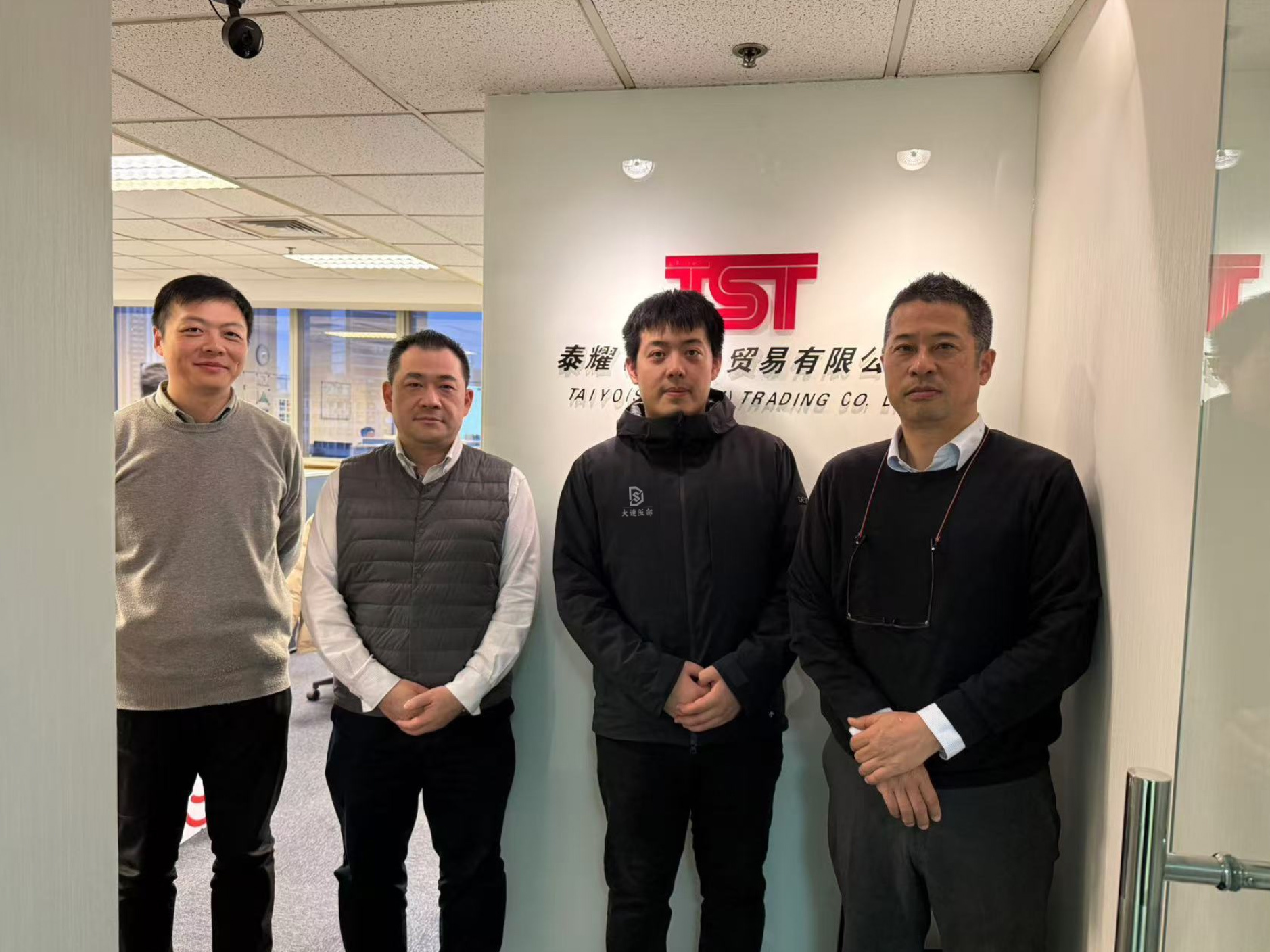
Great meeting with partner in Shanghai
Dalian Sakabe paying visit to our partner TST in Shanghai. Had discussions and plans for long term co-operation. Great thanks for your support!
2025/01/02
CONTACT US
Tel: +86 136-5494-1611
E-mail: alexzheng@sakabe.cn
Office Address:
No.18 Dongbei Qi Street, Jinpu New Area, Dalian, Liaoning, China
Factory Address:
No.26 Fuan Street, Jinpu New Area, Dalian, Liaoning, China
