

Understanding the Essentials of Die-Casting Parts for Textile Machinery
Table of Contents
- 1. Introduction to Die-Casting in Textile Machinery
- 2. What is Die-Casting? A Breakdown of the Process
- 3. The Advantages of Using Die-Casting Parts in Textile Machinery
- 4. Applications of Die-Casting in Textile Machinery
- 5. Key Die-Casting Materials Used in Textile Machinery
- 6. Key Considerations When Choosing Die-Casting Parts
- 7. Maintenance and Care for Die-Casting Parts
- 8. The Future of Die-Casting Technology in Textile Machinery
- 9. Frequently Asked Questions about Die-Casting in Textile Machinery
- 10. Conclusion
1. Introduction to Die-Casting in Textile Machinery
Die-casting has emerged as a crucial technique in the manufacturing of textile machinery components. As industries strive for efficiency and durability, the demand for high-quality parts has surged. This guide delves into the essentials of die-casting parts tailored for textile machinery, addressing everything from the fundamental processes to real-world applications.
2. What is Die-Casting? A Breakdown of the Process
Die-casting is a manufacturing process that involves injecting molten metal into a mold cavity, allowing the metal to cool and solidify into a specific shape. The precision of this method enables the production of intricate geometries, making it particularly beneficial for textile machinery components, which often require complex designs.
The die-casting process can be categorized into two primary types: **hot-chamber die-casting** and **cold-chamber die-casting**. Hot-chamber die-casting is used for metals with low melting points, while cold-chamber die-casting is employed for high-melting metals. Each method has its advantages and is selected based on the specific requirements of the parts being produced.
3. The Advantages of Using Die-Casting Parts in Textile Machinery
Utilizing die-casting parts in textile machinery comes with a plethora of benefits, including:
3.1 Enhanced Precision and Tolerance
Die-casting allows for the creation of parts with high dimensional accuracy, which is vital in the textile industry. Components that fit seamlessly lead to smoother operations and reduced wear and tear.
3.2 Cost-Effectiveness
While the initial investment for die-casting tools may be high, the long-term savings due to reduced material waste and labor costs make it an economically sound choice.
3.3 Improved Mechanical Properties
Die-cast components exhibit superior mechanical properties due to the rapid cooling of the molten metal in the mold. This results in fine-grained microstructures that enhance strength and durability.
3.4 Versatility in Design
The versatility of die-casting allows manufacturers to produce complex shapes that are often impossible to achieve with other manufacturing methods. This capability is essential for creating innovative machinery designs.
4. Applications of Die-Casting in Textile Machinery
Die-casting is utilized in various applications within textile machinery, including:
4.1 Spinning Machinery Components
Components such as bobbins, spindles, and yarn guides are often manufactured using die-casting techniques, ensuring durability and precision.
4.2 Weaving Machinery
Parts like shuttle boxes and loom frames benefit from die-casting's ability to produce robust and lightweight components, enhancing overall machine performance.
4.3 Finishing Equipment
Die-casting is also used in finishing equipment where high-quality surface finishes are essential. The smooth surfaces achieved through die-casting reduce friction and wear.
5. Key Die-Casting Materials Used in Textile Machinery
Several materials are commonly used in die-casting for textile machinery, including:
5.1 Aluminum Alloys
Aluminum is one of the most widely used materials in die-casting. Its lightweight nature, excellent corrosion resistance, and good machinability make it ideal for various textile components.
5.2 Zinc Alloys
Zinc provides excellent fluidity and is often chosen for intricate designs. Its low melting point allows for faster production times, making it a popular choice in textile manufacturing.
5.3 Magnesium Alloys
Magnesium alloys are known for their high strength-to-weight ratio. They are increasingly used in textile machinery for components requiring lightweight but strong materials.
6. Key Considerations When Choosing Die-Casting Parts
Selecting the appropriate die-casting parts for textile machinery involves several considerations:
6.1 Material Selection
Choosing the right material is crucial for the performance and longevity of the components. Factors such as weight, strength, and corrosion resistance should be evaluated.
6.2 Design Complexity
Understanding the capabilities of die-casting technology enables manufacturers to innovate and create complex designs that enhance machinery performance.
6.3 Cost Analysis
Conducting a thorough cost-benefit analysis helps in determining the feasibility of die-casting over other manufacturing methods.
7. Maintenance and Care for Die-Casting Parts
To ensure longevity and optimal performance of die-casting parts in textile machinery, regular maintenance is essential. Key maintenance practices include:
7.1 Regular Inspections
Routine inspections can identify potential wear and tear, allowing for timely repairs or replacements.
7.2 Cleaning Procedures
Keeping die-casting parts clean helps prevent contamination and ensures that machinery operates smoothly. Implementing proper cleaning protocols is vital.
7.3 Lubrication
Appropriate lubrication reduces friction and wear, extending the lifespan of die-casting components.
8. The Future of Die-Casting Technology in Textile Machinery
The future of die-casting technology in textile machinery is promising, with advancements in automation and material science paving the way for even greater efficiency. Innovations such as 3D printing of molds and the integration of smart technologies will enhance production capabilities and reduce costs.
9. Frequently Asked Questions about Die-Casting in Textile Machinery
9.1 What types of metals are commonly used in die-casting for textile machinery?
Die-casting primarily utilizes aluminum, zinc, and magnesium alloys due to their favorable properties.
9.2 How does die-casting compare to other manufacturing methods?
Die-casting offers superior precision, reduced waste, and the ability to produce complex shapes compared to methods like machining or forging.
9.3 What are the main disadvantages of die-casting?
The primary disadvantages include high initial tooling costs and limited material options for high-temperature applications.
9.4 Can die-casting parts be recycled?
Yes, die-casting materials, especially metals, can be recycled, contributing to sustainability efforts in manufacturing.
9.5 How can I ensure the quality of die-casting parts?
Selecting reputable manufacturers, conducting regular inspections, and adhering to quality control standards are essential for ensuring high-quality die-casting parts.
10. Conclusion
Understanding the essentials of die-casting parts for textile machinery is crucial for industry professionals aiming to innovate and improve their manufacturing processes. The advantages of die-casting, varying applications, material choices, and necessary maintenance practices highlight its indispensable role in modern textile machinery. As technology continues to advance, die-casting will remain a cornerstone of efficient and effective textile manufacturing, ensuring that businesses can meet the ever-growing demands of the industry.

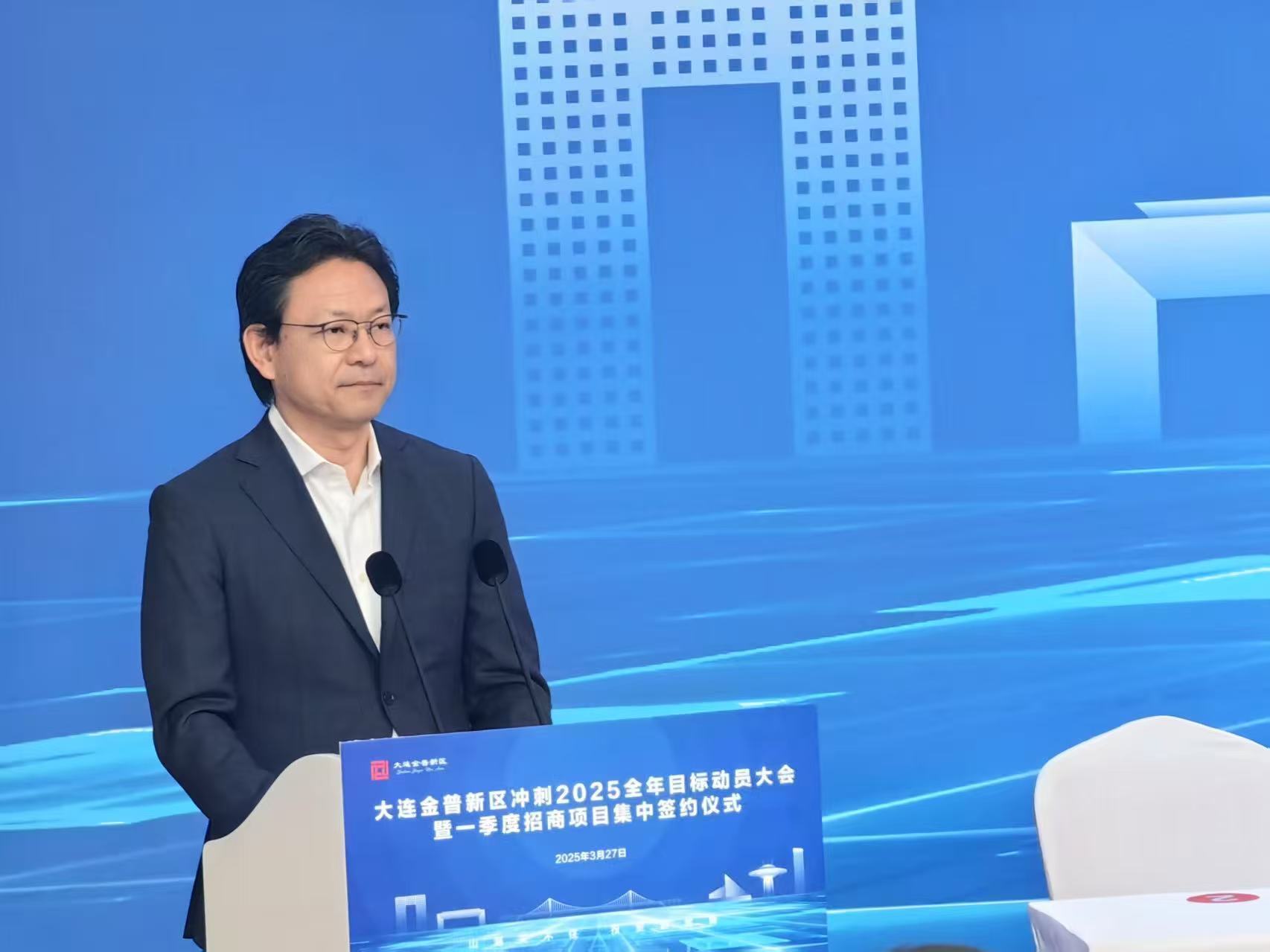
Dalian Sakabe was invited to participate in the Dalian investment promotion project ceremony
On March 27, 2025, Dalian Sakabe, as an advanced foreign-funded enterprise in Dalian, was invited to participate in the investment promotion project ceremony of Dalian China.
2025/04/01
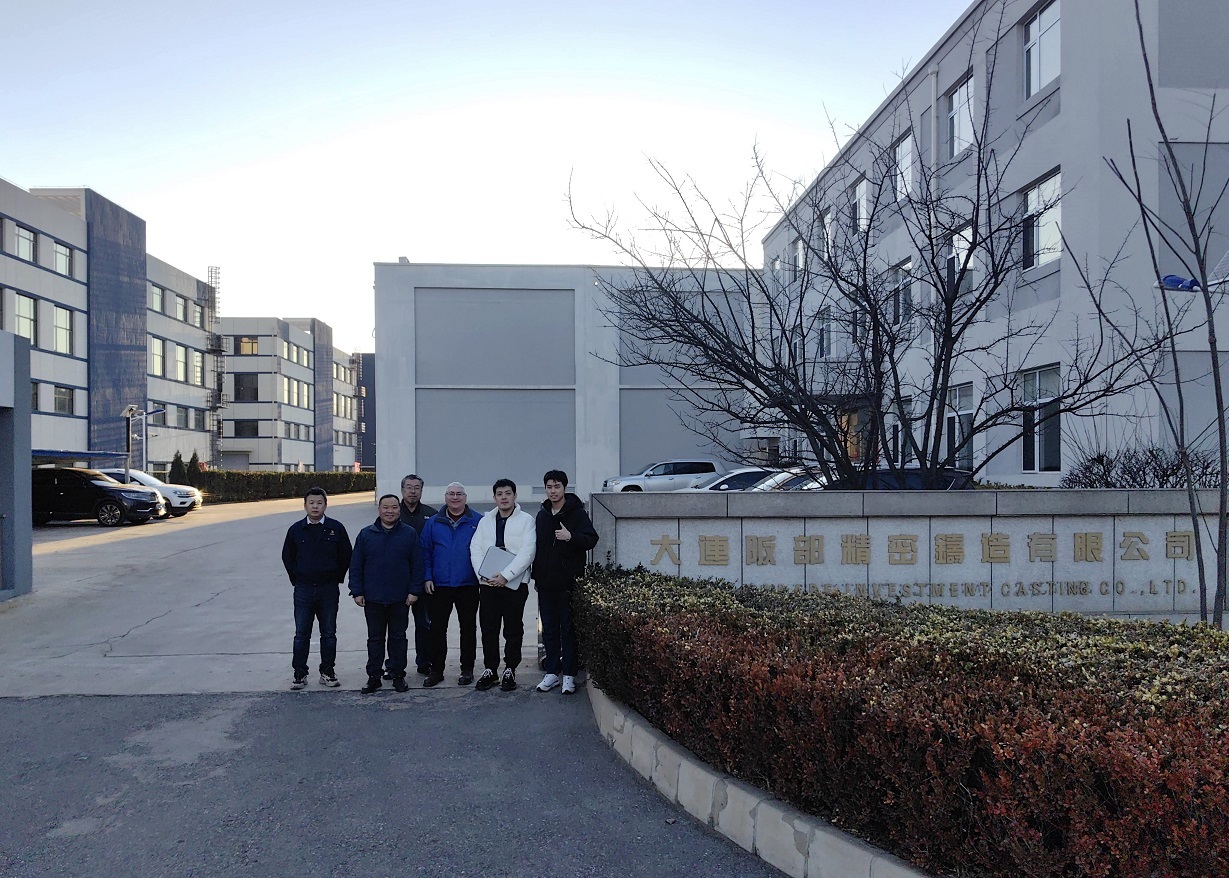
It is pleased that partner NME come to visit us Sakabe foundry
It is pleased that partner NME come to visit us Sakabe foundry. We share the same philosophy about quality standards, product positioning, environmental protection, and sustainable development. It's lucky to meet like-minded partners!
2025/02/19
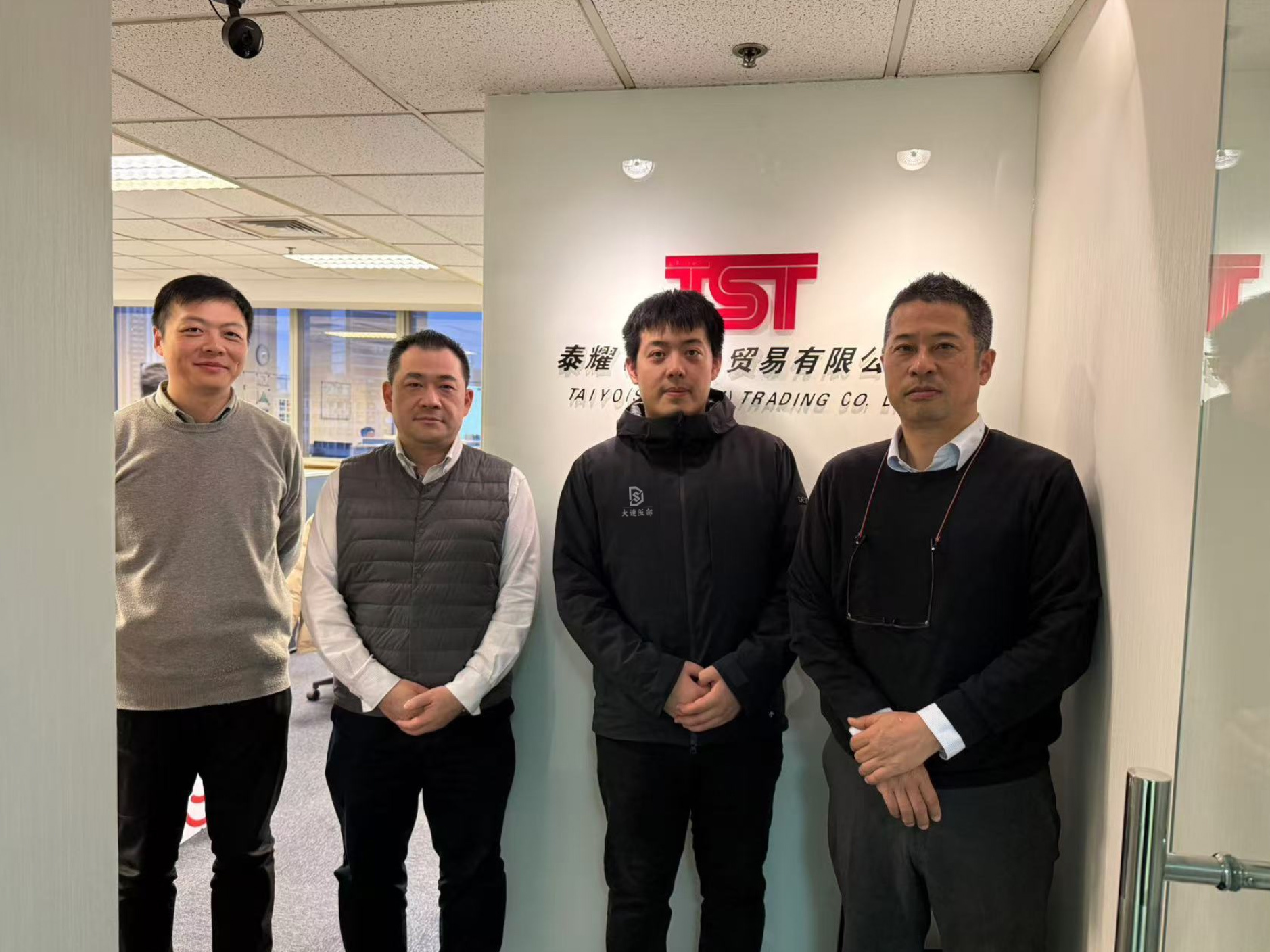
Great meeting with partner in Shanghai
Dalian Sakabe paying visit to our partner TST in Shanghai. Had discussions and plans for long term co-operation. Great thanks for your support!
2025/01/02
CONTACT US
Tel: +86 136-5494-1611
E-mail: alexzheng@sakabe.cn
Office Address:
No.18 Dongbei Qi Street, Jinpu New Area, Dalian, Liaoning, China
Factory Address:
No.26 Fuan Street, Jinpu New Area, Dalian, Liaoning, China
