

Exploring the Benefits of Wholesale Food Machinery Die-Casting Parts
Table of Contents
- 1. Introduction to Die-Casting in Food Machinery
- 2. What is Die-Casting?
- 3. Key Benefits of Die-Casting Parts in Food Machinery
- 3.1 Durability and Strength
- 3.2 Cost-Effectiveness
- 3.3 Precision and Consistency
- 3.4 Design Flexibility
- 3.5 Environmental Impact
- 4. Applications of Die-Casting Parts in Food Machinery
- 5. Wholesale vs. Retail: Why Choose Wholesale?
- 6. Choosing the Right Supplier for Die-Casting Parts
- 7. The Future of Die-Casting in the Food Industry
- 8. Conclusion
1. Introduction to Die-Casting in Food Machinery
In the highly competitive food machinery industry, manufacturers constantly seek ways to enhance production efficiency and reduce costs. One effective solution is the use of **wholesale food machinery die-casting parts**. This article delves deep into the multifaceted benefits of die-casting parts, focusing on their critical role in optimizing food machinery performance.
2. What is Die-Casting?
Die-casting is a manufacturing process characterized by injecting molten metal into a mold at high pressure. This method allows for the creation of complex shapes and precise dimensions, making it an ideal choice for producing components used in food machinery. The metals typically used in die-casting include aluminum, zinc, and magnesium, each offering unique benefits tailored to specific applications.
3. Key Benefits of Die-Casting Parts in Food Machinery
3.1 Durability and Strength
One of the standout features of die-casting parts is their impressive **durability**. The high-pressure injection process results in components that are dense, strong, and resistant to wear and tear. This strength is essential in food machinery, where parts often endure harsh conditions and continuous operation.
3.2 Cost-Effectiveness
Investing in wholesale die-casting parts can significantly reduce manufacturing costs. By producing high volumes of standardized parts, manufacturers can benefit from economies of scale. Additionally, the longer lifespan of die-casting components minimizes the need for frequent replacements, further saving costs in the long run.
3.3 Precision and Consistency
Die-casting ensures high levels of **precision** and consistency across batches. This is particularly crucial in food machinery, where even minor deviations can lead to operational inefficiencies or compromised food safety. With die-casting, manufacturers can achieve tight tolerances, resulting in components that fit together perfectly.
3.4 Design Flexibility
The design flexibility offered by die-casting is unparalleled. Manufacturers can create intricate shapes and customized features tailored to specific machinery requirements. This capability not only enhances functionality but also allows for innovative designs that can improve the overall efficiency of food processing operations.
3.5 Environmental Impact
With growing concerns surrounding sustainability, die-casting emerges as an environmentally friendly option. The process produces minimal waste compared to other manufacturing methods. Additionally, many die-casted materials are recyclable, making it easier for manufacturers to align with eco-friendly practices while optimizing their production processes.
4. Applications of Die-Casting Parts in Food Machinery
Die-casting parts find applications in various food machinery, including but not limited to:
- **Mixers:** Die-cast components can withstand the high torque and pressure involved in mixing processes.
- **Conveyors:** Durable casings and frames manufactured through die-casting ensure reliable operation in conveyor systems.
- **Packaging Machines:** Precision-engineered die-cast parts guarantee efficiency and accuracy in packaging processes.
5. Wholesale vs. Retail: Why Choose Wholesale?
When it comes to sourcing die-casting parts for food machinery, opting for **wholesale** can yield numerous advantages over retail. Wholesale suppliers often provide lower prices due to bulk purchasing, enabling manufacturers to reduce overall expenses. Furthermore, wholesale arrangements frequently come with better customer support and long-term partnerships, ensuring a steady supply of essential components.
6. Choosing the Right Supplier for Die-Casting Parts
Selecting a reliable supplier for your die-casting parts is crucial to ensuring product quality and consistency. Here are essential factors to consider:
- **Experience and Reputation:** Look for suppliers with a solid track record in the industry.
- **Quality Assurance:** Ensure the supplier follows strict quality control measures to produce high-grade components.
- **Customization Options:** A good supplier should offer customization to cater to specific needs.
- **Technical Support:** Opt for suppliers who provide technical assistance for installation and maintenance.
7. The Future of Die-Casting in the Food Industry
As technology advances, the die-casting process is evolving. Innovations such as 3D printing and advanced materials are paving the way for even more efficient and sustainable manufacturing practices. The food machinery sector is expected to embrace these advancements, further enhancing the capabilities of die-casting parts and ensuring they remain at the forefront of production technology.
8. Conclusion
In conclusion, **wholesale food machinery die-casting parts** offer a multitude of benefits that can significantly enhance manufacturing efficiency, reduce costs, and improve product quality. By leveraging the durability, cost-effectiveness, and precision of die-casting, manufacturers can position themselves for success in the competitive food machinery landscape. As the industry continues to evolve, staying informed about the advantages of die-casting will empower businesses to make better decisions and foster growth.
FAQs
1. What industries can benefit from die-casting parts?
Die-casting is widely used in aerospace, automotive, and food machinery industries, among others, due to its durability, precision, and cost advantages.
2. How does die-casting compare to other manufacturing methods?
Die-casting typically offers superior strength, precision, and design flexibility compared to methods like injection molding or machining.
3. Are die-casting parts recyclable?
Yes, many die-casting materials, such as aluminum, are recyclable, which aligns with sustainable manufacturing practices.
4. How can I ensure the quality of die-casting parts?
Choosing a reputable supplier with strong quality assurance processes and certifications is key to ensuring the quality of die-casting parts.
5. What should I consider when choosing a die-casting supplier?
Consider factors such as the supplier's experience, reputation, quality assurance practices, customization options, and technical support capabilities.

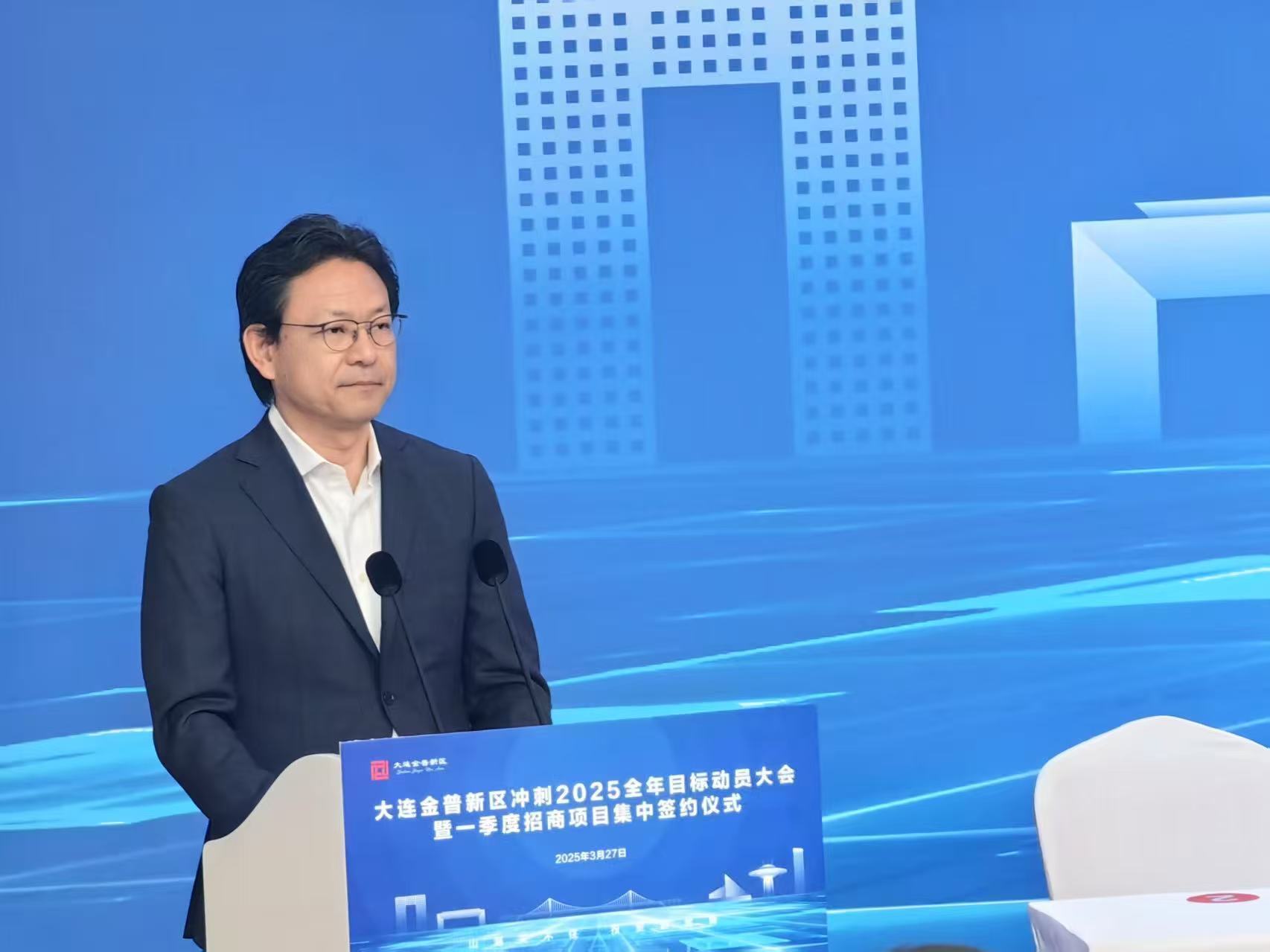
Dalian Sakabe was invited to participate in the Dalian investment promotion project ceremony
On March 27, 2025, Dalian Sakabe, as an advanced foreign-funded enterprise in Dalian, was invited to participate in the investment promotion project ceremony of Dalian China.
2025/04/01
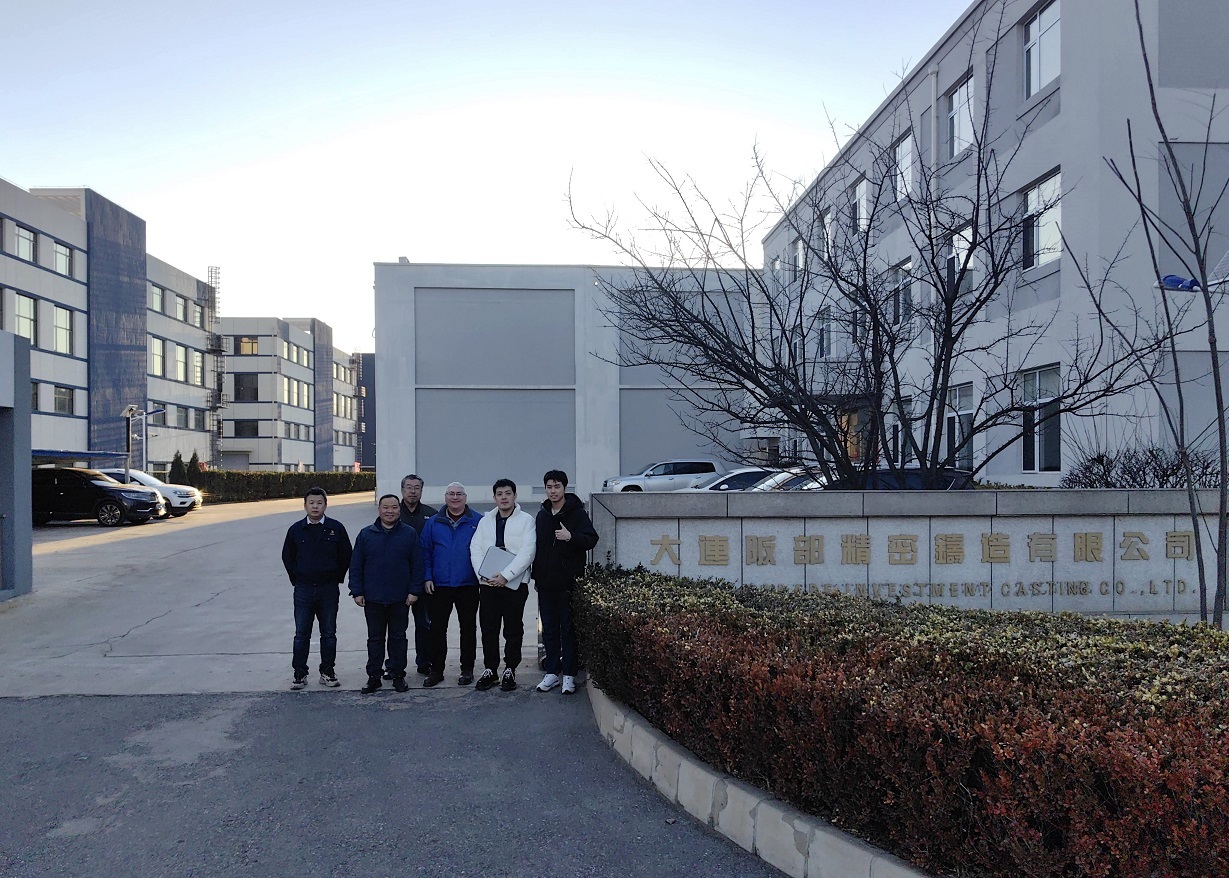
It is pleased that partner NME come to visit us Sakabe foundry
It is pleased that partner NME come to visit us Sakabe foundry. We share the same philosophy about quality standards, product positioning, environmental protection, and sustainable development. It's lucky to meet like-minded partners!
2025/02/19
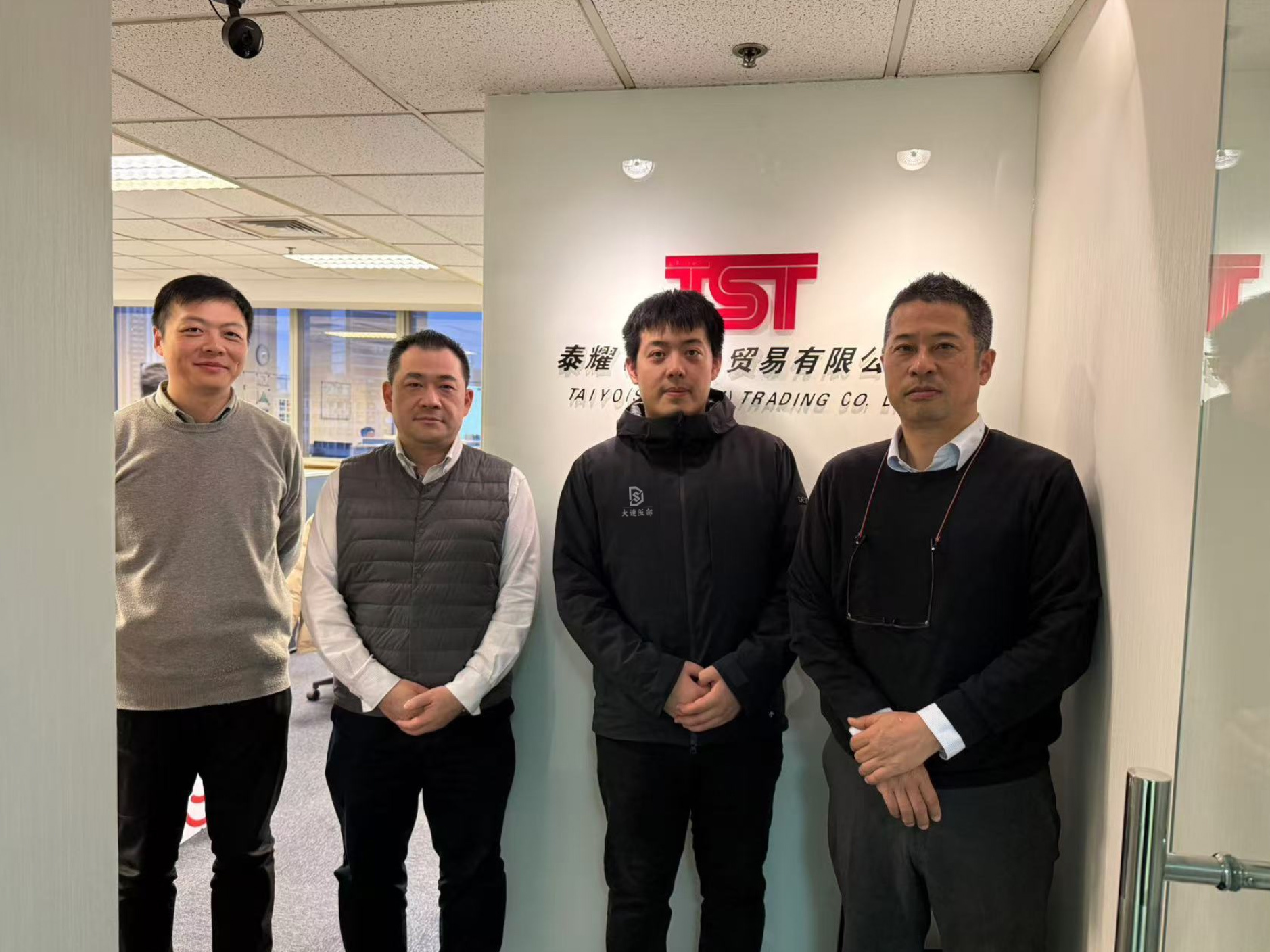
Great meeting with partner in Shanghai
Dalian Sakabe paying visit to our partner TST in Shanghai. Had discussions and plans for long term co-operation. Great thanks for your support!
2025/01/02
CONTACT US
Tel: +86 136-5494-1611
E-mail: alexzheng@sakabe.cn
Office Address:
No.18 Dongbei Qi Street, Jinpu New Area, Dalian, Liaoning, China
Factory Address:
No.26 Fuan Street, Jinpu New Area, Dalian, Liaoning, China
