


Enhancing Tool Durability through Innovative Heat Treatment Casting Techniques
Table of Contents
1. Introduction to Heat Treatment Casting
2. Importance of Durability in Manufacturing Tools
3. Advancements in Heat Treatment Techniques
1. 1. Induction Heating
2. 2. Plasma Nitriding
3. 3. Cryogenic Treatment
4. Applications of Advanced Heat Treatment Methods
5. Benefits of Modern Heat Treatment Techniques
6. Case Studies: Success Stories in Tool Durability
7. Challenges and Considerations in Heat Treatment
8. The Future of Heat Treatment in Tool Manufacturing
9. Frequently Asked Questions
10. Conclusion
Introduction to Heat Treatment Casting
In the modern manufacturing landscape, ensuring the longevity and performance of tools is paramount. **Heat treatment casting** is a pivotal process that enhances the properties of metals and alloys, making them more resilient to wear and tear. By employing advanced techniques in heat treatment, manufacturers can significantly improve the durability of their tools, ensuring they withstand the rigors of industrial applications. This article delves into the latest advancements in heat treatment methods, focusing on their applications, benefits, and impact on tool longevity.
Importance of Durability in Manufacturing Tools
Durability is a critical factor in the performance of manufacturing tools. **Durable tools** lead to fewer replacements, reduced downtime, and ultimately lower operational costs. In industries where precision and reliability are essential, such as aerospace, automotive, and heavy machinery, the durability of tools directly affects the quality of the final product. **Investing in durable tools** not only enhances productivity but also fosters a culture of safety and efficiency within the manufacturing environment.
Advancements in Heat Treatment Techniques
The landscape of heat treatment is evolving, with innovative methods emerging to enhance the durability of tools. Here, we explore three cutting-edge techniques that have garnered attention in recent years.
1. Induction Heating
Induction heating is a modern technique that uses electromagnetic fields to heat metal components. This method offers precise control over temperature and heating rates, allowing for targeted treatment of specific areas of a tool. By rapidly heating and cooling the material, induction heating can improve hardness and wear resistance. This technique is particularly beneficial for tools that require localized strengthening without compromising the entire structure.
2. Plasma Nitriding
Plasma nitriding is another advanced method that enhances surface hardness and fatigue resistance. By introducing nitrogen into the surface layer of the tool, plasma nitriding forms a hard, wear-resistant layer that significantly improves durability. This technique is highly effective for components exposed to high-stress conditions, making it ideal for manufacturing tools that operate under extreme pressure.
3. Cryogenic Treatment
Cryogenic treatment involves subjecting tools to extremely low temperatures, which alters the microstructure of metals. This process leads to a more uniform distribution of hardness and improved resistance to wear. Cryogenic treatment can reduce residual stresses, further enhancing the tool's ability to withstand harsh operating environments. As a result, tools treated in this manner often exhibit a longer lifespan and better overall performance.
Applications of Advanced Heat Treatment Methods
The application of advanced heat treatment methods spans various industries, from aerospace to automotive and general manufacturing. Some notable applications include:
- **Cutting Tools**: Enhanced durability leads to longer tool life and improved machining precision.
- **Molds and Dies**: Increased wear resistance ensures higher production rates and better surface finishes.
- **Automotive Components**: Critical parts that require high strength and fatigue resistance benefit from advanced heat treatment techniques.
By integrating these methods into their production processes, manufacturers can achieve significant improvements in tool performance and reliability.
Benefits of Modern Heat Treatment Techniques
The adoption of advanced heat treatment methods offers a plethora of benefits, including:
- **Enhanced Tool Longevity**: Tools treated using modern methods exhibit higher durability, reducing the frequency of replacements.
- **Improved Performance**: Enhanced hardness and wear resistance lead to better cutting efficiency and accuracy.
- **Cost Savings**: Reduced downtime and fewer replacements translate into significant cost savings for manufacturers.
- **Customization**: Advanced techniques allow for tailored treatments, addressing specific performance requirements across various applications.
These benefits underscore the value of investing in modern heat treatment processes in the competitive manufacturing landscape.
Case Studies: Success Stories in Tool Durability
Numerous companies have successfully implemented advanced heat treatment methods to enhance tool durability. One notable example is a leading automotive manufacturer that adopted **plasma nitriding** for its cutting tools. As a result, the company reported a 30% increase in tool life, leading to reduced production costs and improved operational efficiency.
Another case involves an aerospace component manufacturer that utilized **cryogenic treatment** for its precision tools. The outcome was a remarkable enhancement in performance, with tools demonstrating a 40% reduction in wear over traditional methods. These success stories highlight the tangible benefits that advanced heat treatment techniques can bring to various industries.
Challenges and Considerations in Heat Treatment
While advanced heat treatment techniques offer significant advantages, there are challenges to consider. Factors such as initial investment costs, the necessity for specialized equipment, and the need for skilled operators can pose barriers to adoption. Additionally, some methods may require extensive process optimization to achieve desired results.
Manufacturers must weigh these challenges against the long-term benefits of improved tool durability and performance. A well-structured implementation plan can help mitigate risks and ensure a successful transition to advanced heat treatment processes.
The Future of Heat Treatment in Tool Manufacturing
The future of heat treatment in tool manufacturing looks promising, with ongoing research and development paving the way for even more innovative techniques. Emerging technologies, such as additive manufacturing combined with heat treatment, hold the potential to revolutionize tool production. By leveraging these advancements, manufacturers can create tools tailored to specific applications, further enhancing durability and performance.
As industries continue to evolve, embracing new heat treatment methods will be essential for maintaining a competitive edge in the global market.
Frequently Asked Questions
1. What is heat treatment in manufacturing?
Heat treatment is a process used to alter the physical and sometimes chemical properties of a material, typically metals, through the application of heat.
2. How does heat treatment improve tool durability?
Heat treatment enhances the hardness, wear resistance, and overall performance of tools, making them more resilient to wear and tear.
3. What are some common heat treatment methods?
Common methods include induction heating, plasma nitriding, and cryogenic treatment, each offering unique benefits suited to different applications.
4. Is there a significant cost associated with advanced heat treatment?
While there may be initial investment costs for specialized equipment and training, the long-term savings from reduced tool replacements and downtime often outweigh these costs.
5. Can heat treatment be applied to all types of tools?
Heat treatment can be applied to most metal tools, but the specific method used may vary based on the material and intended application.
Conclusion
In conclusion, advancing heat treatment casting techniques stands as a cornerstone in enhancing tool durability within the manufacturing sector. The adoption of innovative methods such as **induction heating, plasma nitriding, and cryogenic treatment** empowers manufacturers to produce tools that not only meet but exceed performance expectations. As industries continue to evolve, focusing on durability will be crucial for maintaining competitiveness and achieving operational excellence. By understanding and implementing these advanced heat treatment methods, manufacturers can pave the way for a more efficient and sustainable future in tool production.

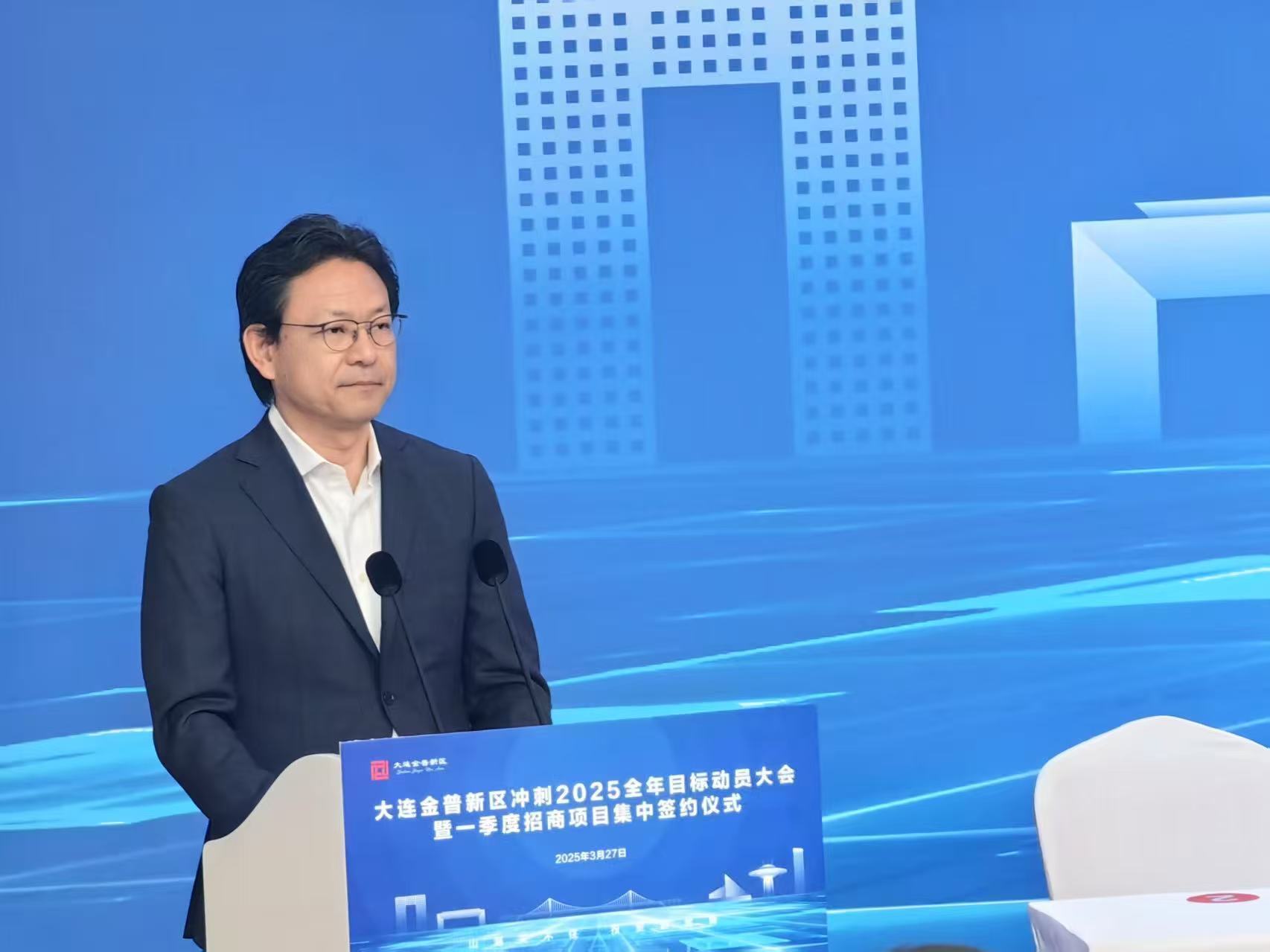
Dalian Sakabe was invited to participate in the Dalian investment promotion project ceremony
On March 27, 2025, Dalian Sakabe, as an advanced foreign-funded enterprise in Dalian, was invited to participate in the investment promotion project ceremony of Dalian China.
2025/04/01
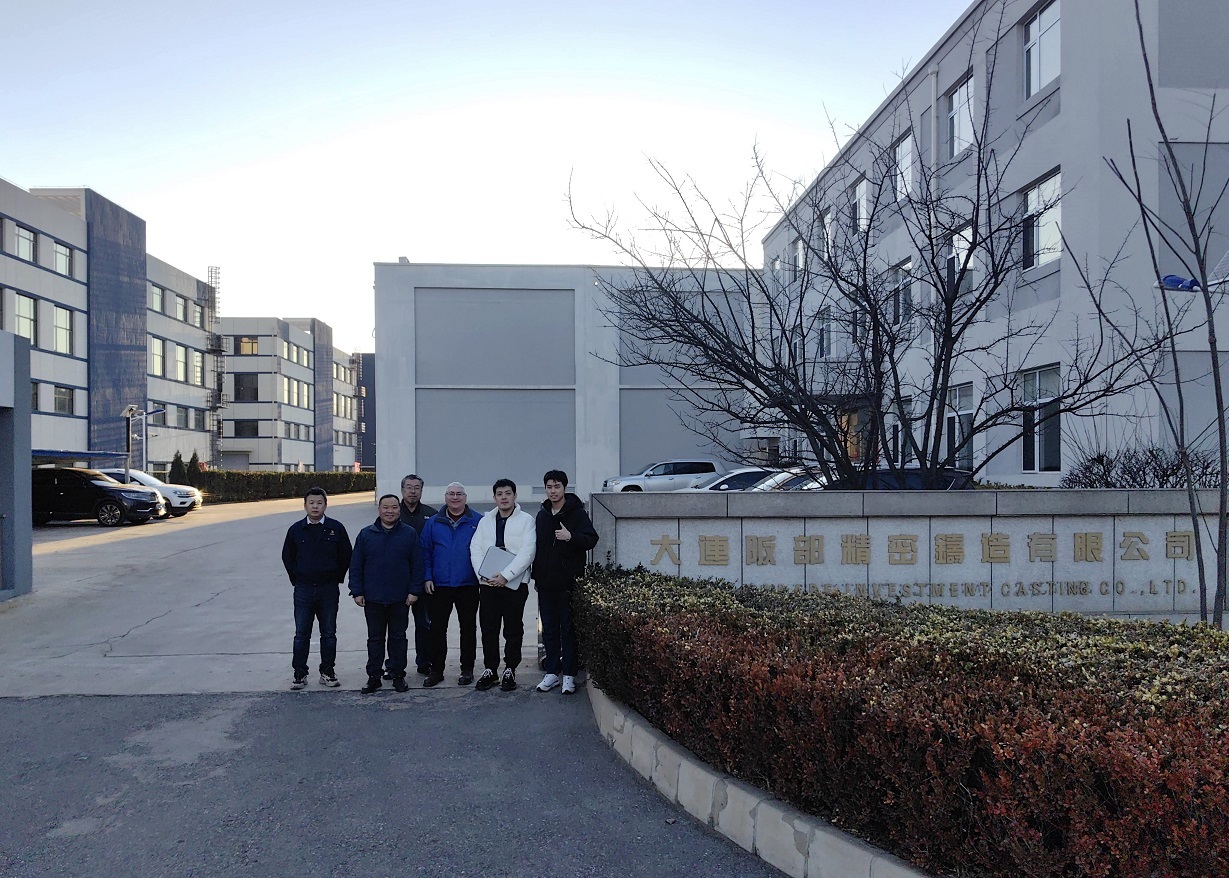
It is pleased that partner NME come to visit us Sakabe foundry
It is pleased that partner NME come to visit us Sakabe foundry. We share the same philosophy about quality standards, product positioning, environmental protection, and sustainable development. It's lucky to meet like-minded partners!
2025/02/19
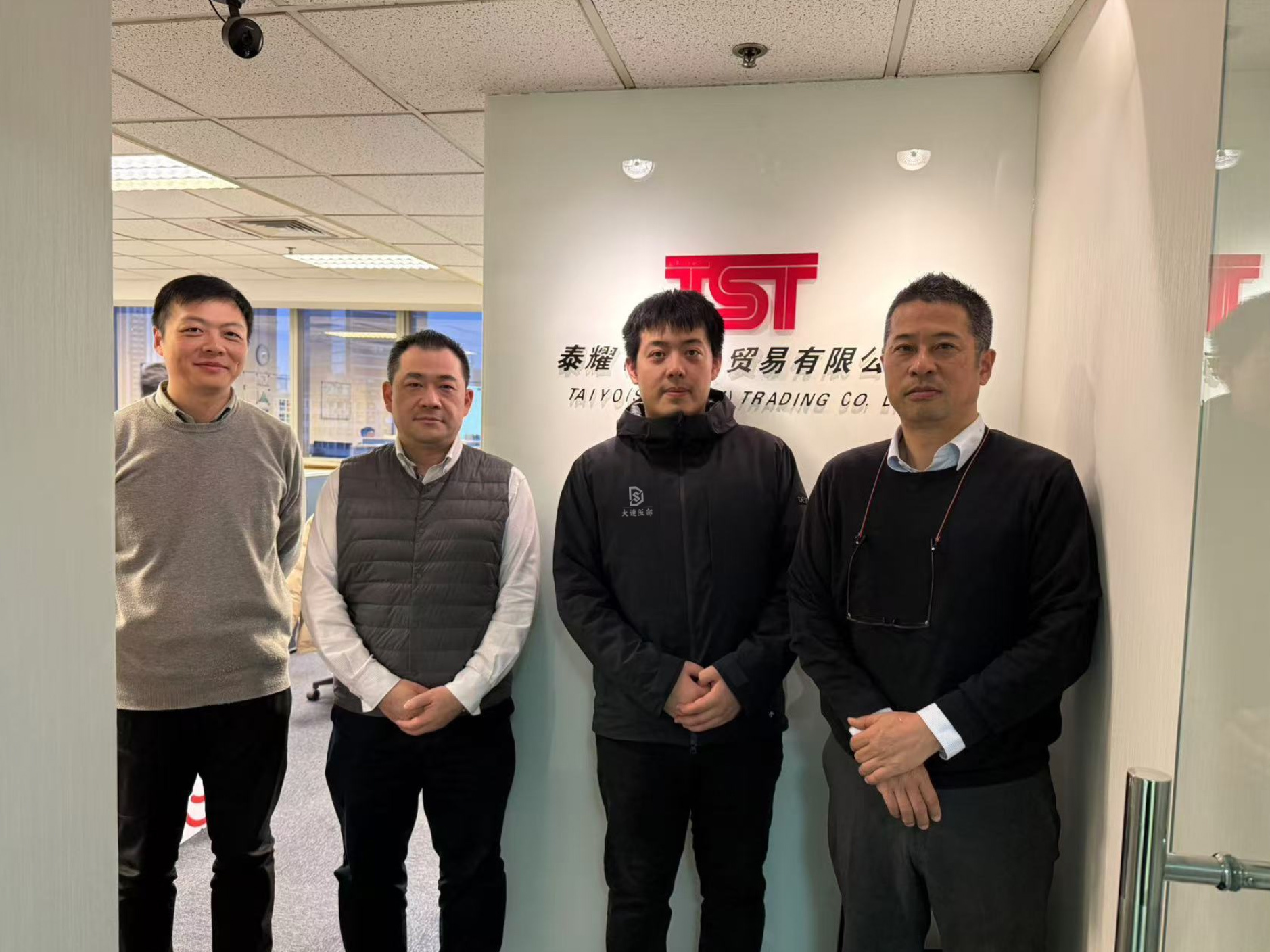
Great meeting with partner in Shanghai
Dalian Sakabe paying visit to our partner TST in Shanghai. Had discussions and plans for long term co-operation. Great thanks for your support!
2025/01/02
CONTACT US
Tel: +86 136-5494-1611
E-mail: alexzheng@sakabe.cn
Office Address:
No.18 Dongbei Qi Street, Jinpu New Area, Dalian, Liaoning, China
Factory Address:
No.26 Fuan Street, Jinpu New Area, Dalian, Liaoning, China
