

The Importance of Research and Development in Precision Casting Solutions
Table of Contents
- Introduction to Precision Casting Solutions
- Understanding Research and Development in Manufacturing
- Benefits of R&D in Precision Casting
- Innovative Techniques in Precision Casting
- Case Studies: Successful R&D in Precision Casting
- Challenges in Implementing R&D
- Future Trends in Precision Casting Solutions
- Conclusion: The Path Forward
- FAQs
Introduction to Precision Casting Solutions
Precision casting is an advanced manufacturing technique that allows for the creation of high-quality, complex metal parts with exceptional accuracy. As industries demand increasingly intricate components, the significance of **research and development (R&D)** in precision casting cannot be overstated. R&D plays a pivotal role in advancing techniques, enhancing material properties, and improving overall manufacturing processes, allowing companies to remain competitive and responsive to market needs.
Understanding Research and Development in Manufacturing
Research and development encompass a systematic approach to innovation, focusing on improving existing products and processes while also exploring new technologies and methodologies. In the realm of precision casting, this involves extensive analysis of materials, techniques, and market demands, leading to breakthroughs that can redefine standards in quality and efficiency.
Types of R&D in Precision Casting
R&D efforts in precision casting can be categorized into two main types:
1. **Applied Research**: Targeted towards solving specific problems, this type of research focuses on improving existing casting techniques, materials, and processes.
2. **Development**: This phase considers the implementation of new technologies, including automation and advanced modeling, to enhance production speed and accuracy.
Benefits of R&D in Precision Casting
Investing in R&D yields numerous benefits for companies engaged in precision casting solutions. Some of the most significant advantages include:
Enhanced Product Quality
Through rigorous testing and innovative materials, R&D contributes to the production of superior-quality castings that meet or exceed industry standards. This not only fosters customer trust but also results in fewer defects and recalls.
Improved Production Efficiency
R&D allows manufacturers to streamline processes, reduce waste, and minimize costs. By adopting cutting-edge techniques and technologies, companies can achieve faster turnaround times without compromising quality.
Technological Advancement
As industries evolve, the adoption of new technologies becomes essential. R&D facilitates the integration of advanced methods such as **3D printing** and **computer-aided design (CAD)** in precision casting, leading to innovative solutions that significantly enhance capabilities.
Adaptability to Market Changes
In an ever-changing market landscape, R&D enables companies to remain agile and responsive. By identifying emerging trends and shifting customer demands, manufacturers can pivot their strategies to capture new opportunities.
Innovative Techniques in Precision Casting
The landscape of precision casting is continually evolving, with several innovative techniques emerging as game-changers in the industry.
3D Printing and Rapid Prototyping
3D printing offers unprecedented flexibility in the design and production of casting molds. This technology allows for rapid prototyping, enabling designers to test and iterate their concepts quickly, reducing lead times significantly.
Simulation and Modeling Software
Advanced simulation software plays a crucial role in R&D by allowing engineers to predict the behavior of materials under different conditions. This enables the identification of potential issues before they arise during the manufacturing process, leading to a more streamlined production flow.
Advanced Alloys and Materials
The exploration of new alloys and materials is central to R&D efforts in precision casting. By developing and refining materials that withstand extreme conditions, manufacturers can produce parts with enhanced durability and performance.
Case Studies: Successful R&D in Precision Casting
To illustrate the impact of R&D, we explore several case studies of companies that have successfully leveraged research initiatives to drive innovation in precision casting.
Case Study 1: Company X's Use of 3D Printing
Company X implemented 3D printing in their casting process, which not only reduced material waste but also cut production time by 30%. This shift allowed them to meet customer demands more swiftly while maintaining high-quality standards.
Case Study 2: Advanced Alloy Development at Company Y
Company Y invested in R&D to develop a new high-strength alloy specifically designed for aerospace applications. This innovation led to significant weight reductions and improved fuel efficiency, giving them a competitive edge in the aerospace sector.
Challenges in Implementing R&D
Despite the clear benefits, several challenges can impede the progression of R&D in precision casting:
Funding Limitations
Securing adequate funding for R&D projects can be a significant hurdle. Companies must balance their budgets while also investing in the future, which can lead to difficult decisions.
Skill Shortages
The rapid pace of technological advancement has created a skills gap in the workforce. Finding qualified personnel who can drive R&D initiatives is essential but often challenging.
Resistance to Change
Organizations may face internal resistance when introducing new technologies or processes. Overcoming this resistance requires effective communication and education to highlight the benefits of R&D efforts.
Future Trends in Precision Casting Solutions
As we look ahead, several trends are expected to shape the future of precision casting and R&D:
Increased Automation
The integration of automation in casting processes will likely continue to grow, resulting in improved efficiency, accuracy, and safety in manufacturing environments.
Sustainability Initiatives
Sustainability will play a pivotal role in R&D, with companies focusing on developing environmentally friendly materials and processes that reduce waste and energy consumption.
Collaborative R&D Efforts
Collaborations between industry players, research institutions, and universities will become increasingly common as companies seek to pool resources and expertise for more impactful R&D outcomes.
Conclusion: The Path Forward
The importance of research and development in precision casting solutions cannot be overstated. As industries evolve, the need for innovation, quality enhancement, and efficiency becomes paramount. By prioritizing R&D, companies in the precision casting sector can not only stay ahead of the competition but also contribute to the advancement of the manufacturing industry as a whole. Embracing change, overcoming challenges, and investing in the future will ultimately pave the way for sustainable growth and success in precision casting.
FAQs
1. What is precision casting?
Precision casting is a manufacturing process that allows for the creation of complex metal parts with high accuracy and minimal waste, often used in various industries including aerospace, automotive, and medical.
2. Why is R&D important in precision casting?
R&D is crucial in precision casting as it drives innovation, enhances product quality, improves efficiency, and enables companies to adapt to changing market demands through the development of new technologies and techniques.
3. What are some common challenges faced in R&D for precision casting?
Common challenges include funding limitations, skill shortages in the workforce, and resistance to change within organizations when adopting new technologies.
4. How does 3D printing impact precision casting?
3D printing significantly impacts precision casting by allowing for rapid prototyping, reduced material waste, and faster production times, leading to greater flexibility in design and manufacturing processes.
5. What future trends can we expect in precision casting?
Future trends in precision casting may include increased automation, a focus on sustainability, and collaborative R&D efforts between different industry stakeholders and research institutions.

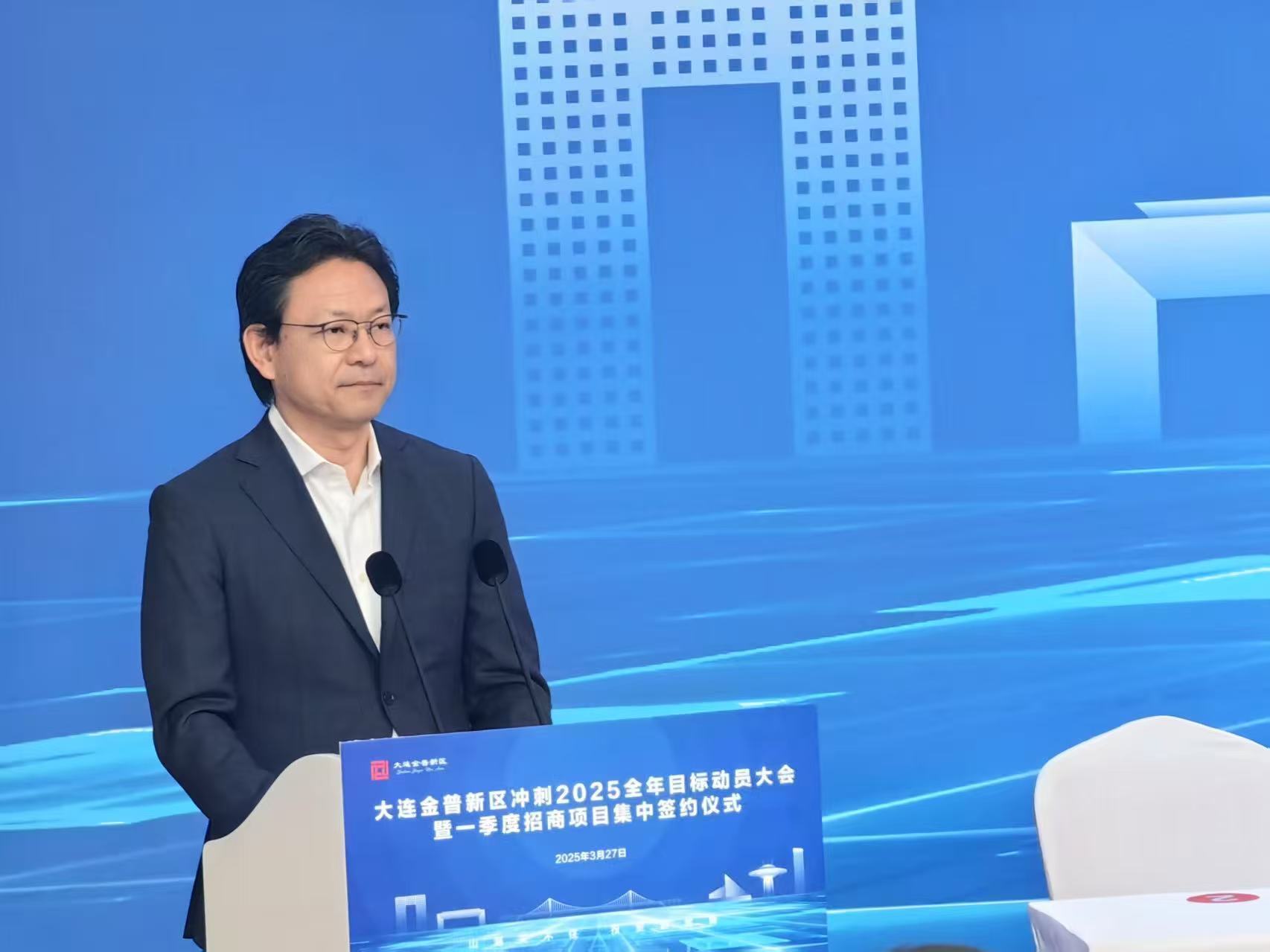
Dalian Sakabe was invited to participate in the Dalian investment promotion project ceremony
On March 27, 2025, Dalian Sakabe, as an advanced foreign-funded enterprise in Dalian, was invited to participate in the investment promotion project ceremony of Dalian China.
2025/04/01
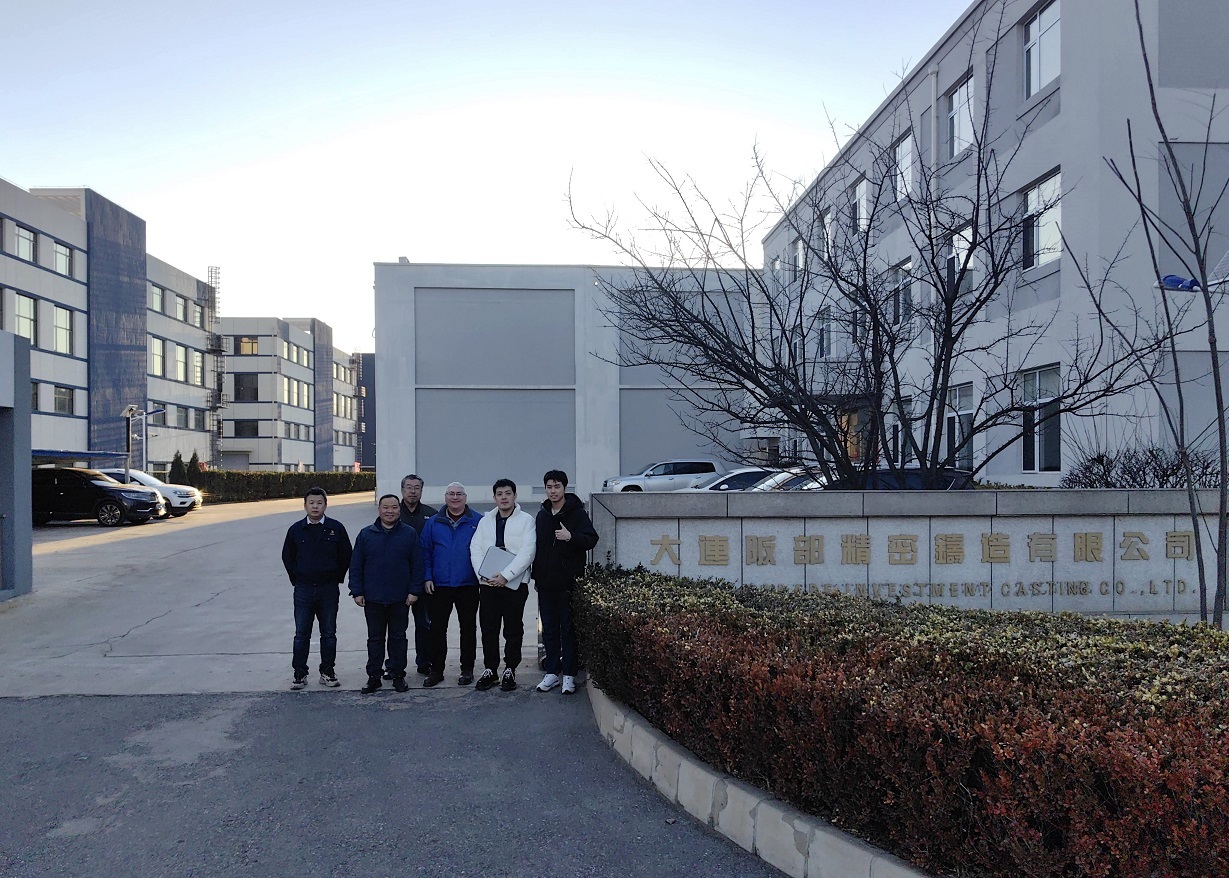
It is pleased that partner NME come to visit us Sakabe foundry
It is pleased that partner NME come to visit us Sakabe foundry. We share the same philosophy about quality standards, product positioning, environmental protection, and sustainable development. It's lucky to meet like-minded partners!
2025/02/19
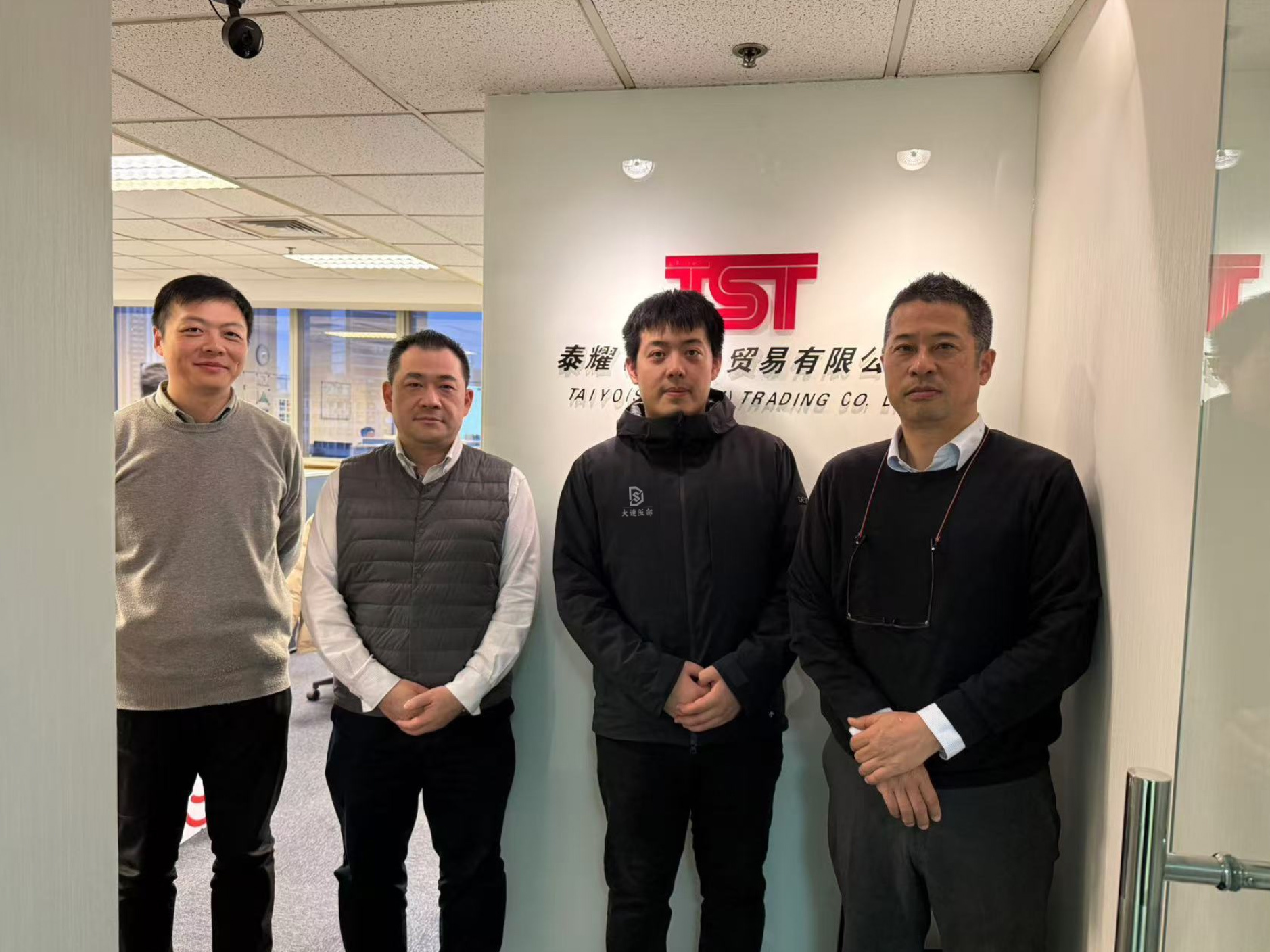
Great meeting with partner in Shanghai
Dalian Sakabe paying visit to our partner TST in Shanghai. Had discussions and plans for long term co-operation. Great thanks for your support!
2025/01/02
CONTACT US
Tel: +86 136-5494-1611
E-mail: alexzheng@sakabe.cn
Office Address:
No.18 Dongbei Qi Street, Jinpu New Area, Dalian, Liaoning, China
Factory Address:
No.26 Fuan Street, Jinpu New Area, Dalian, Liaoning, China
